

Eco-Friendly Beer: Introduction
Eco-Friendly Beer might sound like the kind of phrase that makes a pub regular raise one eyebrow over their pint. Fair enough, as beer has always been about flavour, friendship, local pride and occasionally pretending you can taste “notes of gooseberry” without checking the label.
Yet the pint in your hand has a bigger story behind it. Barley, hops, water, heat, cooling, packaging and transport all shape its footprint. The good bit is that brewers are getting smarter, and many drinkers are now open to better choices.
This week, we are looking at Eco-Friendly Beer, how brewing evolved, where the impact sits, and which brands are making lower-impact drinking feel normal.

A Brief History of Beer
Beer is one of humanity’s oldest drinks, with evidence of brewing going back thousands of years. Ancient communities in Mesopotamia, Egypt and China all made fermented grain drinks long before modern pubs, beer gardens or the slightly sticky floor at last orders.
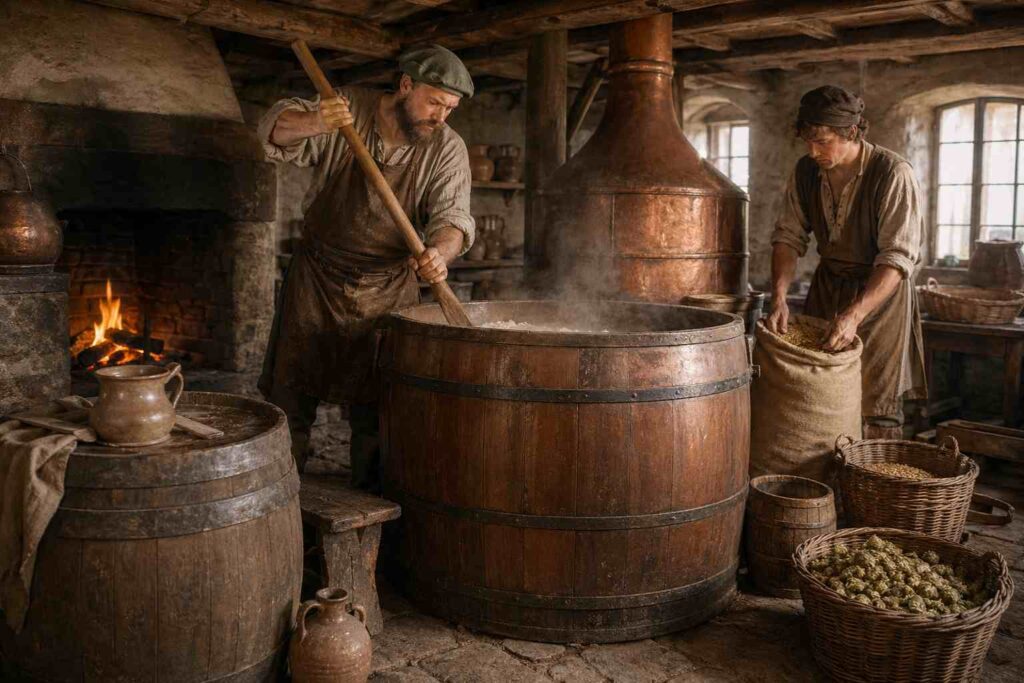
In early brewing, beer was often safer than untreated water and became part of daily life. It was consumed by workers, used in religious rituals and shared at social gatherings. Some ancient beers were thick, cloudy and flavoured with herbs rather than hops. Craft beer, it turns out, had a very early head start.
By the Middle Ages, monasteries helped refine brewing across Europe. Monks improved consistency, experimented with ingredients and treated beer as both nourishment and trade. Hops became more common because they helped preserve beer and gave it the bitterness many people now expect.
The Industrial Revolution changed brewing at scale. Steam power, refrigeration, glass bottles and rail transport allowed breweries to produce larger volumes and sell farther from home. That made beer more accessible, yet it pushed brewing into a resource-heavy system.
Today, Eco-Friendly Beer is not about going backwards. It is about keeping the flavour, culture and community, then brewing with better ingredients, smarter processes and less waste.
Get In TouchThe Environmental Impact
Beer may feel simple, but its footprint is spread across several stages. Growing barley and hops uses land, water, fertiliser and fuel. Brewing then needs heat, electricity, cleaning water and cooling and once the beer leaves the brewery, packaging and transport can add a surprising amount of impact.
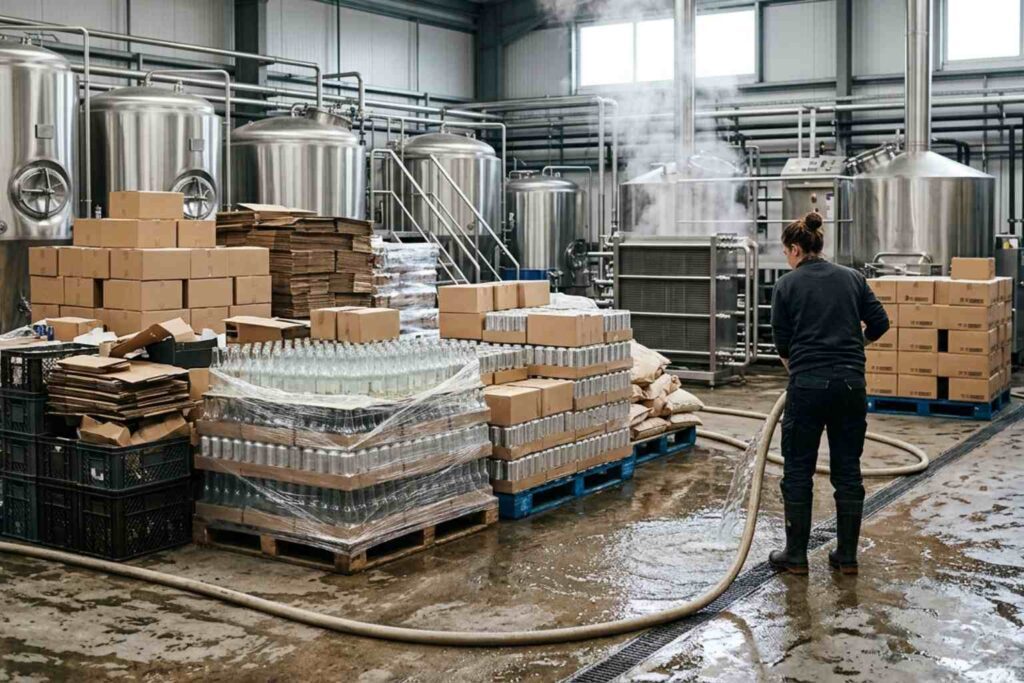
Life cycle research on beer often shows packaging as one of the biggest factors. Heavy single-use glass bottles can raise transport emissions, especially when beer travels long distances. Kegs, refill systems and lighter packaging can reduce some of that burden when the supply chain is set up well. A 2024 review of beer packaging found that format, transport loads and recycled content can strongly influence the final footprint.
Water matters too. Beer is mostly water, and breweries use extra water for cleaning, rinsing and processing. Better breweries track this closely, then reduce waste through efficient cleaning systems, heat recovery, renewable energy, spent grain reuse and local sourcing.
The awkward truth is that a “green” label on a can does not prove much. Eco-Friendly Beer needs proper evidence behind it, including measured emissions, responsible ingredients, lower-waste packaging and honest claims, plus, the drink still needs to taste good. Nobody wants a pint that feels like homework.
What to Look For in Eco-Friendly Beer
Choosing Eco-Friendly Beer starts with the brewery, not the marketing. Look for brands that publish clear sustainability information and explain what they are changing inside the business. Vague claims about being “planet-friendly” are easy, whilst real action looks more specific.

Ingredients are a good starting point. Organic barley and hops can reduce synthetic pesticide and fertiliser use, and regenerative farming can improve soil health when measured properly. Some brewers use surplus bread or recaptured hops, which turns waste into value rather than sending useful ingredients down the line to landfill or low-value disposal.
Packaging also matters. Draught beer from well-managed kegs can be a lower-waste option in pubs. Cans are lighter than glass and widely recyclable, although recycled content and local recycling systems still matter. Refillable bottles and growlers can work well where the return system is practical.
Local does not automatically mean lower impact, but shorter routes can help when production methods are sound. It is better to choose a transparent brewery nearby than a vague “eco” product shipped from miles away with little detail.
Certifications can also help, and you can look for B Corp, organic certification and plastic-free commitments, which are useful signals, but they should support the story rather than replace it. The best Eco-Friendly Beer brands can explain their impact without hiding behind a badge.

Three of Our Favourite Eco-Friendly Beer Brands
Toast Brewing
Toast Brewing makes beer using surplus bakery bread, replacing part of the malted barley normally used in brewing. That cuts demand for extra grain, water and energy, and gives a second life to food that could otherwise be wasted. Toast is a certified B Corp and donates 100% of profits to environmental charities. Their beers are available online, which makes them an easy swap for anyone who wants a pint with a proper waste-reduction story behind it.
Use voucher code PLAYITGREEN15 for 15% off your first order.
Website: https://www.toastbrewing.com
Gipsy Hill Brewery
Gipsy Hill Brewery has one of the most interesting innovation stories in UK beer. Its Swell Lager and Trail Pale are carbon-negative without offsets, using life cycle tracking, regenerative barley and recaptured hops. The brewery states that these beers come in at -30g and -40g CO₂e per pint on draught, compared with standard pints at more than 350g. That is a bold claim, and the useful part is the measurement behind it.
Use voucher code WELCOME10 for 10% off your first order.
Website: https://gipsyhillbrew.com
Stroud Brewery
Stroud Brewery brings a strong organic and community-led approach. It says it was the first UK brewery certified as both organic and a B Corporation, and its eco-actions include organic ingredients, local supplier focus, spent malt reuse and single-use plastic reduction. This is the kind of brewery where sustainability is tied into operations, not left sitting in a marketing folder. Their online shop covers cans, gifts, subscriptions and beer for delivery.
Use voucher code PLAYITGREEN15 for 15% off your first order (offer lasts until the end of June).
Website: https://stroudbrewery.com
Eco-Friendly Beer: Wrap-Up
Eco-Friendly Beer should not make drinking feel worthy or joyless, because nobody wants a pint that comes with homework. It should help people ask better questions about what fills the glass, from the grain and water used in brewing to the packaging, transport and waste behind each choice.
The best brewers are proving that lower-impact beer can still taste brilliant, support better farming, reduce waste and strengthen local business. That matters when millions of pints are poured every week.
At Play It Green, we believe everyday choices carry real weight when enough people make them. Choose better beer, support better breweries, and raise a glass to progress that people might actually enjoy.
If you enjoyed this tip on the Eco-Friendly Beer, why not become part of a community creating positive change every day by joining Play It Green?
We help you reduce your footprint, repair the planet, and regive to social causes that matter, all through simple, measurable actions that fit your business.

Everyone wants to see impact, not promises. With Play It Green, your sustainability journey becomes visible, credible, and rewarding.
Join us today and turn good intentions into lasting results.
Sign Up