

Eco-Friendly Cheese: Introduction
As we approach the festive season, eco-friendly cheese takes centre stage in this week’s Play It Green tip. It’s a time when comforting indulgences like cheese become staples in many households. But have you ever considered the environmental footprint of your favourite brie or cheddar? This week’s sustainability tip dives into the world of eco-friendly cheese. From understanding its history to learning how sustainable practices are reshaping dairy farming, we’re covering it all. Plus, we’ve spotlighted some amazing brands committed to reducing their impact while keeping things delicious. Let’s get cracking (or slicing)!

History
Cheese has been enjoyed for over 7,000 years, first appearing in ancient Mesopotamia. Legend suggests it was discovered by accident—milk stored in animal stomachs curdled due to enzymes, creating a rudimentary cheese. Ancient Egyptians took it a step further, with cheese depicted in tomb hieroglyphs as both a luxury item and a practical food source. By the Roman era, cheese production was an advanced art, with over 40 recorded varieties. Romans loved cheese so much that they carried it on military campaigns, spreading recipes across Europe.
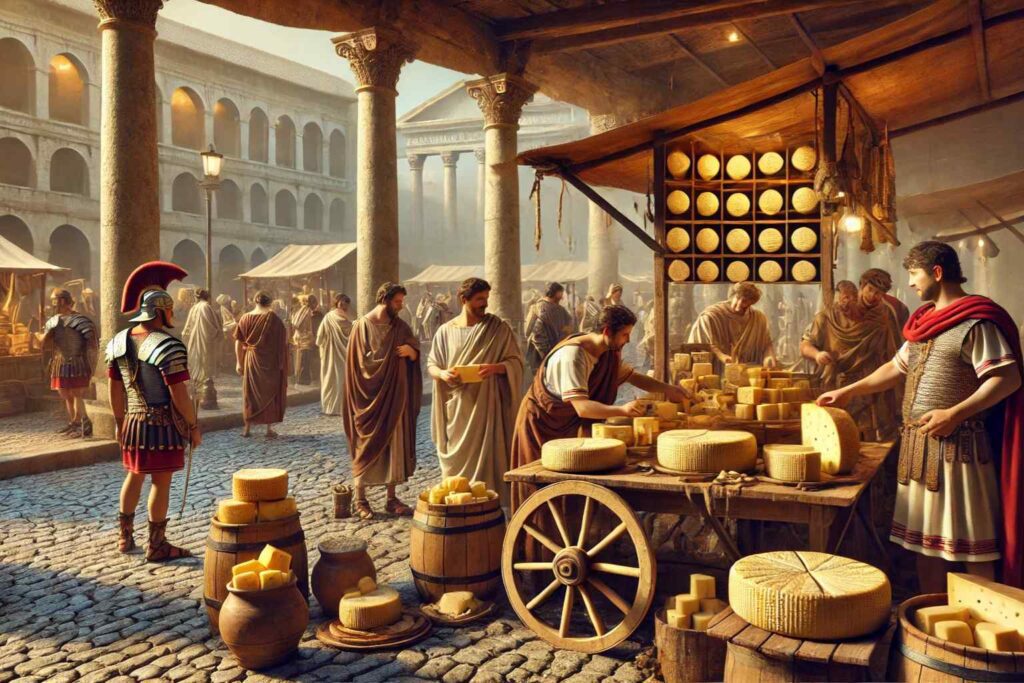
The Middle Ages were a golden era for cheese diversity. Monasteries became hubs of innovation, perfecting methods that birthed beloved varieties like Gouda and Roquefort. Interestingly, during the Renaissance, Parmesan was considered so valuable it was stored in vaults like treasure!
The Industrial Revolution transformed cheesemaking. Mass production made cheese accessible, but often at the expense of artisanal traditions. Today, we see a return to heritage practices blended with modern sustainability efforts. From plant-based alternatives to dairy farms reducing emissions, cheesemaking is evolving to balance indulgence with eco-consciousness, proving that even this ancient food can adapt to meet the challenges of a changing world.

Environmental Impact
Cheese may be delicious, but its environmental cost is significant. Dairy farming is one of the largest contributors to greenhouse gas emissions, particularly methane from cows. Producing just one kilogram of cheese can emit between 6 to 12 kilograms of CO₂ equivalent—more than most plant-based foods. Water usage is another concern. Producing 1 kilogram of cheese can require up to 5,000 litres of water, from growing animal feed to processing milk.
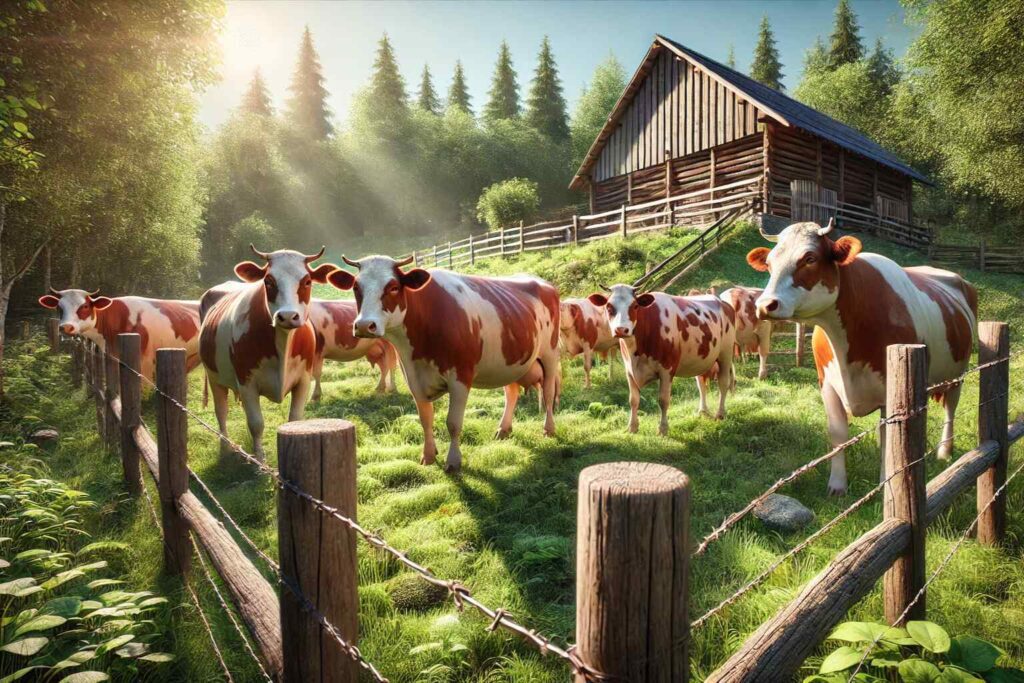
Land use is another issue, with dairy farming contributing to deforestation and habitat destruction to grow animal feed like soy and corn. This intensifies biodiversity loss, particularly in regions where forested areas are cleared. Waste from large-scale dairy farms also leads to water pollution, as excess nutrients from manure seep into waterways, causing algal blooms that harm aquatic ecosystems.
Transporting cheese worldwide adds even more emissions, particularly for varieties imported from far-flung locations. The refrigeration required during transit further increases energy consumption. As global demand for cheese grows, so does its environmental toll. Exploring local and alternative options is key to mitigating these impacts. It’s not just about enjoying the perfect slice but also protecting the planet in the process.
Get In TouchWhat to Look For
When choosing eco-friendly cheese, there are several factors to keep in mind. Look for brands that prioritise sustainability, such as those using organic or biodynamic farming practices. Organic farming avoids synthetic pesticides and fertilisers, protecting soil health and biodiversity. Biodynamic farming goes a step further, using holistic methods that benefit the entire ecosystem.

Support local producers whenever possible. Not only does this reduce the carbon footprint of transport, but it also fosters community-based farming practices. Cheese from smaller-scale operations is often more transparent in its environmental and ethical standards. Certifications such as “Pasture for Life” or “Soil Association Organic” can indicate sustainable choices.
Plant-based cheeses are another great option, with many delicious varieties made from cashews, almonds, or even oats. They typically require less water and land than dairy cheese, making them an eco-friendly alternative. Packaging matters too—seek out brands using recyclable or compostable materials.
Finally, think about waste. Many smaller producers now offer refillable or reusable packaging options. By making informed decisions, you can enjoy cheese that’s as kind to the planet as it is to your palate.

Three Of Our Favourite Eco-Friendly Cheese Brands
The Ethical Dairy
For a truly sustainable cheese option, The Ethical Dairy leads the way. They leave the calves with their mothers for 5 months and have been independently assessed as a Net Zero dairy farm. They prioritise the well being of their animals, the regeneration of their land and the improvement of biodiversity. Their cheese is handmade, bursting with flavour and crafted in small batches for quality and sustainability. Ready to taste the difference? Visit The Ethical Dairy and sign up to their mailing list for 10% off your first order.
I Am Nut Ok
A great brand called I Am Nut Ok is revolutionising the cheese world with their nut-based creations. Offering plant-based alternatives that rival traditional cheese, I Am Nut Ok prioritises sustainability at every step. Their production process is water-conscious, and their packaging is fully recyclable. If you’re looking for creamy and delicious eco-friendly cheese, I Am Nut Ok is your perfect match. Learn more at I Am Nut Ok and sign up to their mailing list for a great 10% discount off your order.
Neal’s Yard Creamery
Neal’s Yard Creamery combines traditional methods with a commitment to sustainability to produce cheese that’s as ethical as it is delicious. Using locally sourced milk and avoiding over-industrialisation, their artisan cheeses celebrate quality and the environment. Discover their range at Neal’s Yard Creamery and use code NYDWELCOME at checkout for 10% off your first order.
Eco-Friendly Cheese: Wrap-Up
Cheese lovers, rejoice! From dairy-based innovation to nut-based creativity, sustainable cheese options have never been so accessible—or so delicious. Choosing the right cheese can both satisfy your taste buds and help protect our planet. You will be supporting ethical farming, reducing carbon footprints, and embracing eco-conscious practices.
Whether you’re indulging in a classic cheddar or exploring nutty new horizons, there’s something for everyone. As always, small changes make a big impact.
Hungry for more tips like these? Keep an eye out for next week’s edition, and don’t forget to share your sustainable cheese stories—we’d love to hear them!
Not a member yet?
Click here to sign up!
Learn how to be more sustainable and have an impact whilst on the journey through nature repair and social giving – all for £5 per person per month!