

Eco-Friendly Crisps: Introduction
This week, we dive into the world of Eco-Friendly Crisps—offering you a guilt-free way to indulge while doing your bit for the planet. Crisps are a British staple, perfect for everything from picnics to packed lunches. But have you ever thought about their environmental crunch?
With billions of crisp packets discarded each year, many ending up in landfills or oceans, it’s time to consider the sustainability of our snacking. From biodegradable packaging to upcycled ingredients, there’s plenty to savour in this article. Read on to find out how you can munch responsibly without sacrificing flavour.

History of Non Eco-Friendly Crisps
Crisps date back to 1853 when chef George Crum unintentionally invented them at Moon’s Lake House in Saratoga Springs, New York. A customer demanded thinner potatoes, prompting Crum to fry them to near-transparency. Surprisingly, the result became a hit, and “Saratoga Chips” gained popularity. However, crisps didn’t truly take off until the 1920s, when Laura Scudder in California developed the concept of sealing them in waxed paper bags for freshness.
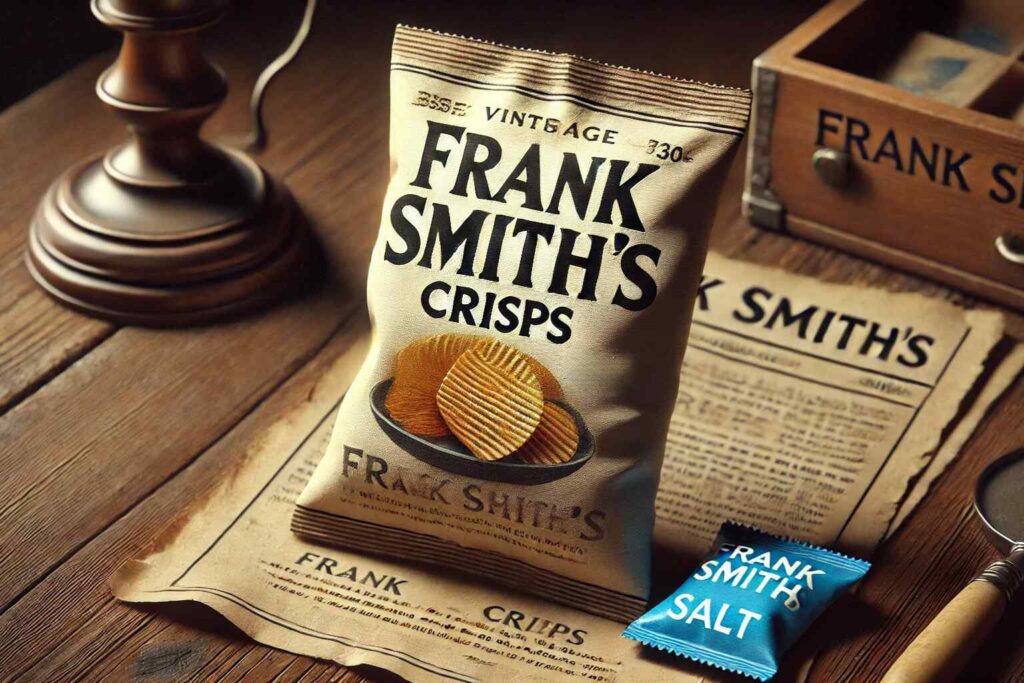
The UK got its crisp craze in 1920 when Frank Smith began selling flavoured crisps in small wax-paper bags, complete with a sachet of salt for seasoning. Post-WWII innovations like frying with vegetable oil transformed crisps into a snack icon. By the 1950s, mass production was in full swing, with companies like Walkers introducing flavour innovations like cheese and onion.
Over the years, crisps evolved from humble snacks to multi-billion-pound products. By the 21st century, the focus shifted to premium ingredients and innovative manufacturing. But today, the humble crisp faces new scrutiny, with sustainability becoming a pressing concern. With the snack’s rich history as a foundation, brands are tasked with balancing tradition with eco-conscious innovation for the future.

Environmental Impact of Non Eco-Friendly Crisps
Crisps leave a surprisingly large carbon footprint for such a lightweight snack. Producing a single packet involves significant energy for farming, frying, and packaging. Potatoes require fertilisers and pesticides, with potato farming alone accounting for high nitrogen emissions. For every kilo of potatoes grown, around 50 litres of water is consumed, making potato farming resource-intensive.

Once harvested, the potatoes undergo frying, a process that consumes immense energy due to the need for industrial-scale oil heating. Each kilo of crisps generates an estimated 3kg of CO2 emissions, stemming from energy use and transportation. But the real problem is crisp packaging. These metallised plastic packets, designed for freshness, are neither biodegradable nor widely recyclable. Shockingly, around 6 billion crisp packets are consumed yearly in the UK alone, creating a colossal waste issue.
Some companies are taking steps towards sustainability by introducing compostable bags and sourcing renewable energy for their factories. While progress is slow, each eco-friendly choice contributes to tackling the environmental impact of this beloved snack.
Get In TouchWhat to Look For in Eco-Friendly Crisps
When seeking sustainable crisps, there are several factors to consider. First, look for brands that offer compostable or fully recyclable packaging. Packaging innovation is key to reducing waste, as traditional crisp packets can take centuries to decompose.

Next, prioritise crisps made from organically grown or sustainably sourced ingredients. Potatoes free from chemical fertilisers and pesticides have a smaller environmental footprint. For an added eco-boost, opt for crisps made from legumes or alternative root vegetables, as these crops generally require fewer resources than traditional potatoes.
Also, consider brands with ethical certifications like B-Corp or Carbon Neutral. These certifications indicate companies are taking tangible steps to minimise their impact on the environment. Many smaller producers have embraced such measures, using renewable energy and participating in schemes like TerraCycle to recycle leftover packaging.
Lastly, keep an eye out for brands that support local farming initiatives. By choosing local options, you’re cutting down on transportation emissions while supporting your regional economy. Sustainable snacking has never been crunchier—or kinder to the planet.

Favourite Eco-Friendly Crisps Brands
Two Farmers
Two Farmers crisps are a game-changer in the world of sustainable snacking. They use compostable packaging made from wood pulp and locally source their potatoes within a 2 mile radius from their farm. The crisps are cooked using renewable energy, and each bag is fully biodegradable. With flavours like Hereford Hop Cheese and Onion, they’re a delicious and eco-friendly choice. Explore their range at Two Farmers and use code PLAYITGREEN10 for a 10% discount on your order.
Hippeas
Hippeas offer a legume-based alternative to traditional crisps, made from chickpeas for a protein-packed crunch. Their bags are recyclable, and their products are certified organic. Hippeas is committed to giving back, supporting charities through their “Peas, Love, and Giving” initiative. Their products are perfect for guilt-free snacking. Find them at Hippeas and use code PEAS10 for a 10% discount.
Eat Real Crisps
Eat Real focuses on sustainability without compromising flavour. Using ingredients like lentils and quinoa, their crisps are vegan, gluten-free, and packed with nutrients. Their commitment to sustainability extends to their recyclable packaging and ethical sourcing practices. You can find their range at Healthy Supplies and if you subscribe to their newsletter you can get 10% off your first order.
Eco-Friendly Crisps: Wrap Up
Whether you’re a classic crisp fan or love exploring new flavours, switching to eco-friendly crisps is a small step with a big impact. With compostable packaging, natural ingredients, and planet-positive farming, brands like Two Farmers, Hippeas, and Eat Real are leading the way.
Feeling inspired? Take a bite out of climate change—one crunch at a time!
Not a member yet?
Click here to sign up!
Learn how to be more sustainable and have an impact whilst on the journey through nature repair and social giving – all for £5 per person per month!