

Eco-friendly insect repellents: Introduction
Eco-friendly insect repellents are your ticket to a bite-free summer without poisoning the planet in the process. Whether you’re camping, gardening, or trying to enjoy a barbecue without being eaten alive, traditional bug sprays can do more harm than the insects themselves.
Packed with synthetic chemicals and wrapped in single-use plastic, they’re tough on ecosystems, not just mozzies. Luckily, you don’t need to douse yourself in toxins to keep the bugs away.
Greener options are now buzzing with innovation, and they smell much better too. Want to know more? Then read on and find out all about eco-friendly insect repellents.

A Brief History of Insect Repellents
Long before scientists started mixing chemicals in labs, people were turning to nature to fend off flying pests. In Ancient Egypt, aromatic oils like frankincense and myrrh were applied to the skin or burned indoors to repel insects. Indigenous Australians used tea tree and eucalyptus oils, while ancient Indian communities used neem leaves, either burnt or rubbed directly onto the skin.

In Ancient Greece, people wore bay leaves and burned rosemary to keep bugs at bay. In medieval Europe, herbs were scattered on floors to deter fleas. Across the globe, smoke, oils, and clever plant-based methods were doing the job well before aerosols were ever imagined.
Then in 1946, the US Army created DEET for soldiers in mosquito-heavy zones. Released to the public in 1957, it worked. But it also melted plastic, caused skin irritation in some users, and has been found to persist in the environment. Despite the downsides, DEET remains a go-to for many. Thankfully, science is catching up with the ancients, and today’s eco-friendly repellents are blending traditional ingredients with modern methods to protect both people and the planet.
The Environmental Bite of Conventional Sprays
Conventional insect repellents might keep bugs away, but they leave a toxic trail behind. DEET, the most common active ingredient, has been found in 75% of US water sources tested by the US Geological Survey. Once washed off our skin, it enters rivers, lakes, and oceans, where even tiny amounts can disrupt aquatic life.
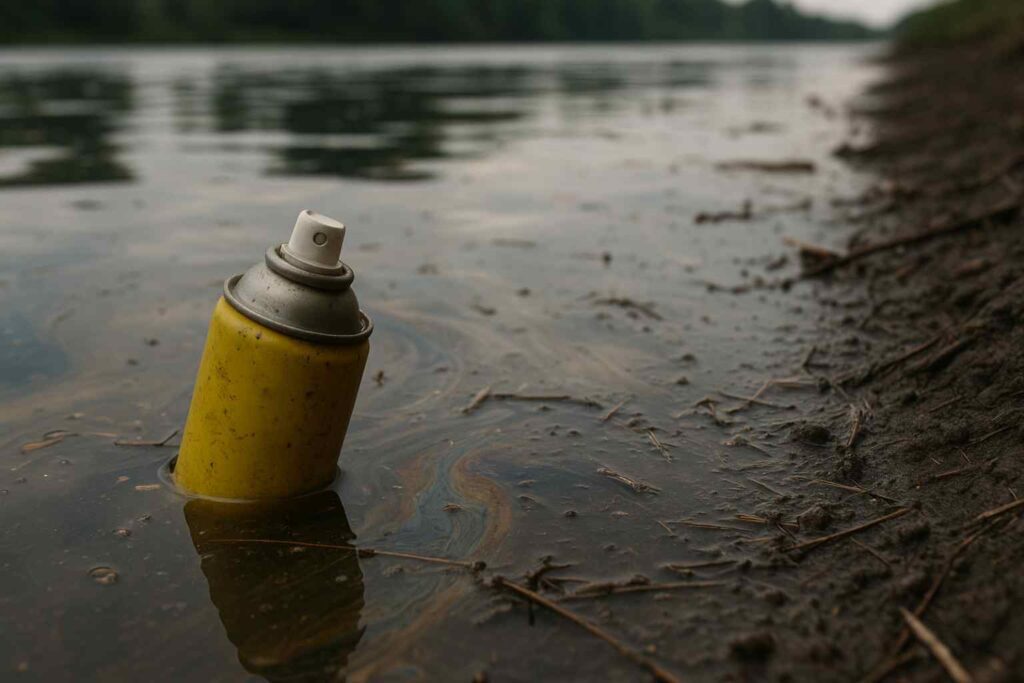
Another common chemical, permethrin, is lethal to cats, bees, and fish. Just one gram can kill thousands of honeybees. And it’s not just about what’s inside the bottle. Most repellents are sold in single-use plastic or aerosol cans, adding to the 1.3 billion aerosol containers produced globally each year. Many end up in landfills or incinerators.
Even the propellants in aerosol sprays can contribute to climate change. And indoors, they linger in the air, coat furniture, and can trigger respiratory problems. In short, your quick bug spray can have long-term consequences far beyond your back garden.
Ask Play It Green A QuestionWhat to Look for in Eco-Friendly Insect Repellents
Start with ingredients. Natural repellents use plant-based heroes like citronella, lemon eucalyptus, lavender, geranium, and neem. These don’t just smell better, they’ve been shown to be effective at repelling mosquitoes and midges without the ecological fallout.

Packaging is just as important. Look for products in glass, metal, or recycled plastic. Some brands even offer refillable bottles or compostable refills, cutting out waste altogether.
Certifications can help you spot trustworthy choices. Soil Association Organic, COSMOS, and Leaping Bunny logos indicate natural formulations and cruelty-free testing. And keep it local if you can. Brands that manufacture close to home tend to have smaller carbon footprints and better oversight on sustainability claims.
Three Brilliant Eco-Friendly Instect Repellent Brands
Alfresco
Developed in partnership with a British perfumery, Alfresco’s insect repellent is both effective and fragrant. It is free from harsh chemicals, making it perfect for garden parties or long walks. Head over to their website and use the voucher code PLAYITGREEN20 to enjoy 20% off your order, and with every purchase, a tree will be planted through donated funds.
Mrs White’s Unstung Hero
Unstung Hero is not a ‘repellent’, but a cologne that uses an amino-acid to mess with the noses of mosquitoes and other biting/stinging insects so that they cannot detect the wearer but fly on by. This ‘active’ ingredient is recommended by the World Health Organisation. Use the link below to see their products and use code PLAYITGREEN15 at checkout for 15% off your first order.
Incognito
This UK brand uses organic Java citronella, eucalyptus, and other essential oils to make DEET-free sprays and roll-ons. Their packaging is fully recyclable, and they support malaria prevention programmes through charity partnerships. Head over to their shop to see their range of products.

Eco-friendly Insect Repellents: Wrap-Up
Eco-friendly insect repellents make it easy to stay bite-free without harming nature. With natural ingredients, recyclable packaging, and ethical brands doing the hard work, it’s never been simpler to go green and keep bugs away. Whether you’re in the garden or the great outdoors, your skin and the planet will thank you.
At Play It Green, we believe in practical actions that build a better world. Every spray, click, or swipe matters. And when we all make small, greener choices, the ripple effect really adds up.
So go ahead, smell good, feel good, and send the mozzies packing.
Join The Community Making Change – Play It Green
Get more tips like the one on eco-friendly insect repellant and integrate sustainable action, education, nature repair and social impact into your life and business operations. Because making positive change shouldn’t be hard, it should be impactful!
Join Play It Green now for £5 per person per month!
Sign UpWant more info before deciding? Click here.