
Eco-Friendly Jewellery: Introduction
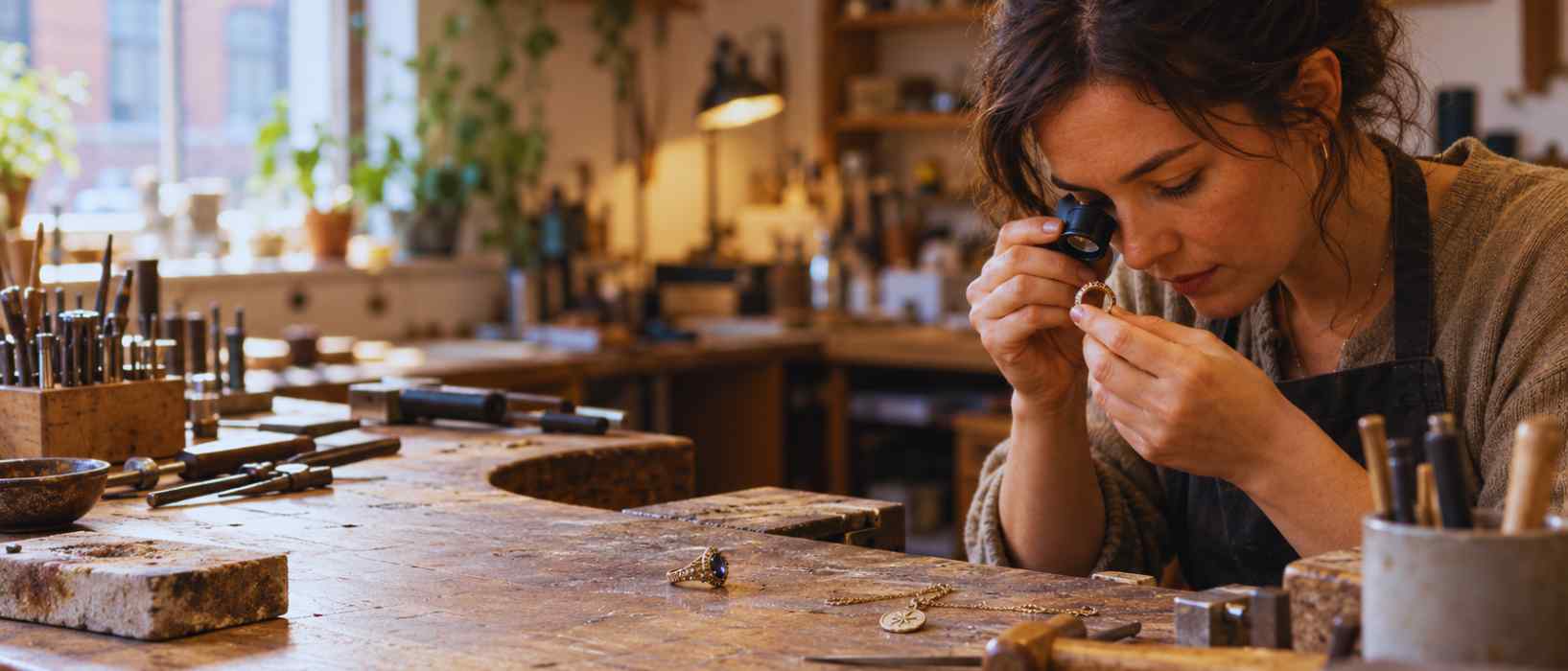
Eco-friendly jewellery brings a fresh perspective to something we’ve treasured for thousands of years. A ring can bring back a favourite memory, a necklace can carry a family story, and sometimes a piece simply catches your eye and makes you smile. Jewellery has a wonderful way of becoming part of our lives, often holding meaning long after we’ve forgotten where it came from.
But what actually makes eco-friendly jewellery, and can something that sparkles also be kinder to the planet? With more designers exploring new materials, traditional techniques and creative ways to give old pieces new life, there is plenty to discover.
Whether you’re looking for a special gift, treating yourself or simply curious about what’s changing in the world of jewellery, we’ve explored some of the most sustainable ideas, options and brands worth knowing about.
A Brief History of Jewellery
Long before jewellery shops and global supply chains, people decorated themselves with shells, stones, bones and eventually precious metals. Jewellery could signal identity or status, mark a relationship or simply express personal taste, and many of those reasons remain familiar today.
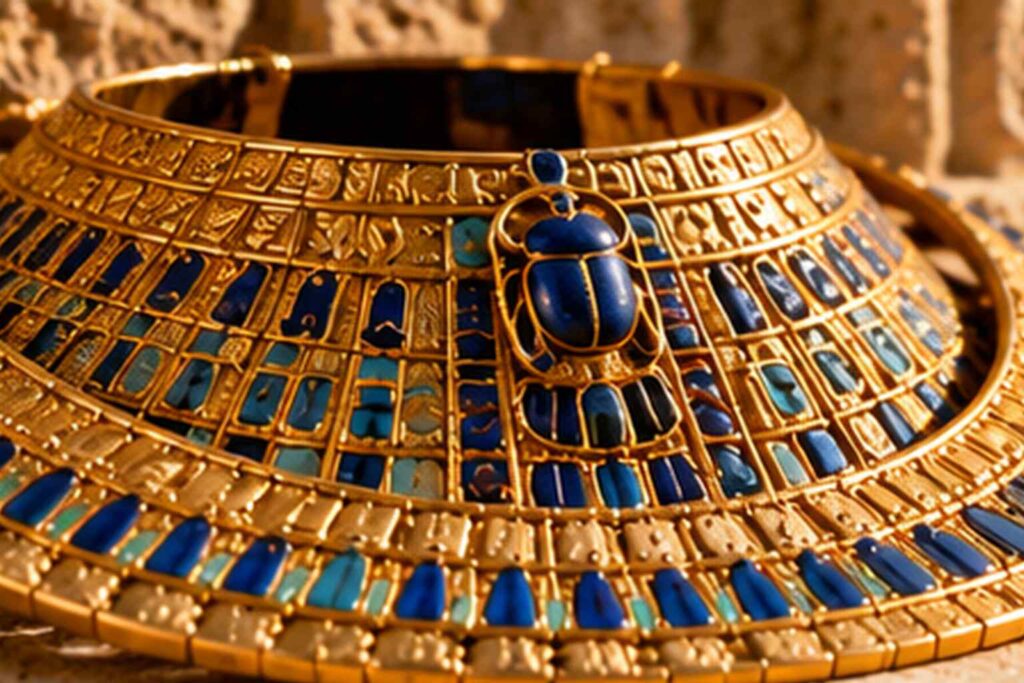
Gold became especially prized because it could be worked into intricate shapes and kept for generations without rusting. Rings were resized, clasps repaired and gemstones reset, allowing pieces to change hands or find a new purpose as fashions and families changed. The Victoria and Albert Museum‘s jewellery collection shows how materials and styles evolved over centuries, including objects that survive because people thought they were worth preserving.
Industrial production made jewellery available to more people, while international trading and cheaper fashion accessories also made it harder to understand where some materials originated. Today, the older habit of caring for jewellery offers a useful lesson: a well-loved piece that can be maintained and handed on may have far more lasting power than something bought on impulse.
The Environmental and Social Impact of Jewellery
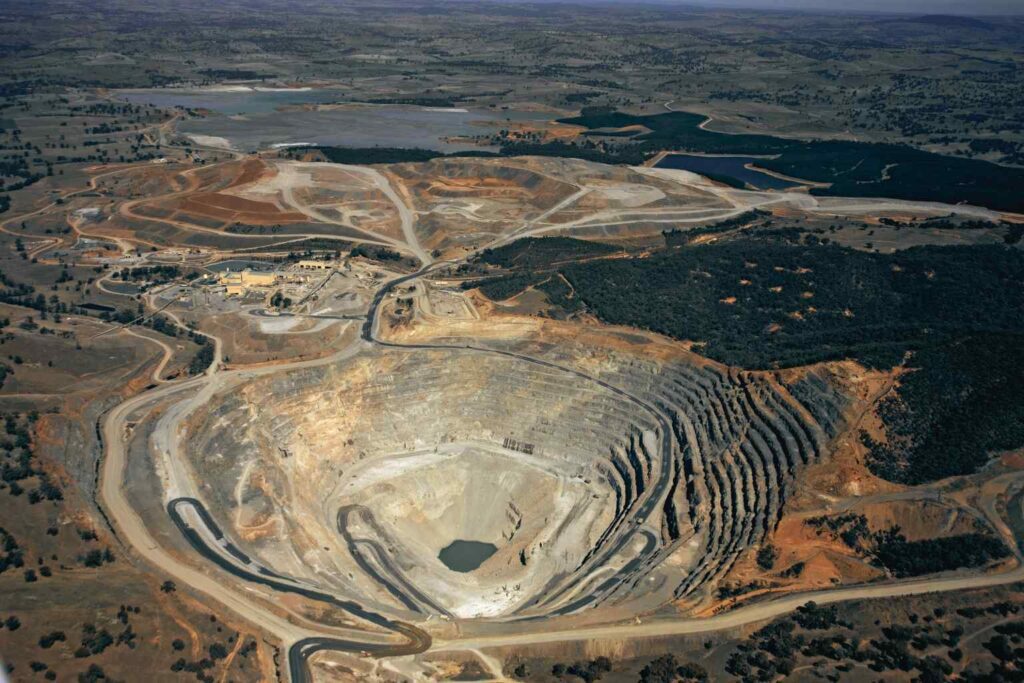
Gold and gemstone extraction can involve disturbed landscapes, substantial waste, water use and energy-intensive processing. Where oversight is poor, mining may also expose workers (often including children) and nearby communities to unsafe conditions, although responsible mining can provide important livelihoods. The challenge is understanding the particular supply chain rather than assuming every mine or supplier operates in the same way.
Recycled precious metals can reduce the need for newly extracted material, while schemes such as Fairtrade and Fairmined seek to improve conditions for participating mining communities. The Fairtrade Foundation’s guidance on gold explains some of the pressures facing small-scale miners and why traceability and standards are important. A retailer should be able to say which metal or certification applies to the actual piece you are considering.
Lab-grown diamonds avoid extracting a natural diamond, but growing them requires electricity and equipment, so their environmental footprint depends partly on how they are produced. Transport, manufacture and packaging also contribute. Rather than accepting an unqualified ‘sustainable’ label, ask for evidence about the stone, metal and production process, and weigh those details alongside the prospect of keeping the piece for many years.
What to Look For in Eco-Friendly Jewellery
Start with whether the jewellery suits the person who will wear it. A beautiful piece that is uncomfortable, difficult to resize or unlikely to leave its box may not be the best purchase, however reassuring its marketing sounds. Check the metal, the stone and the aftercare, including whether repairs, resizing or replacement parts are available.
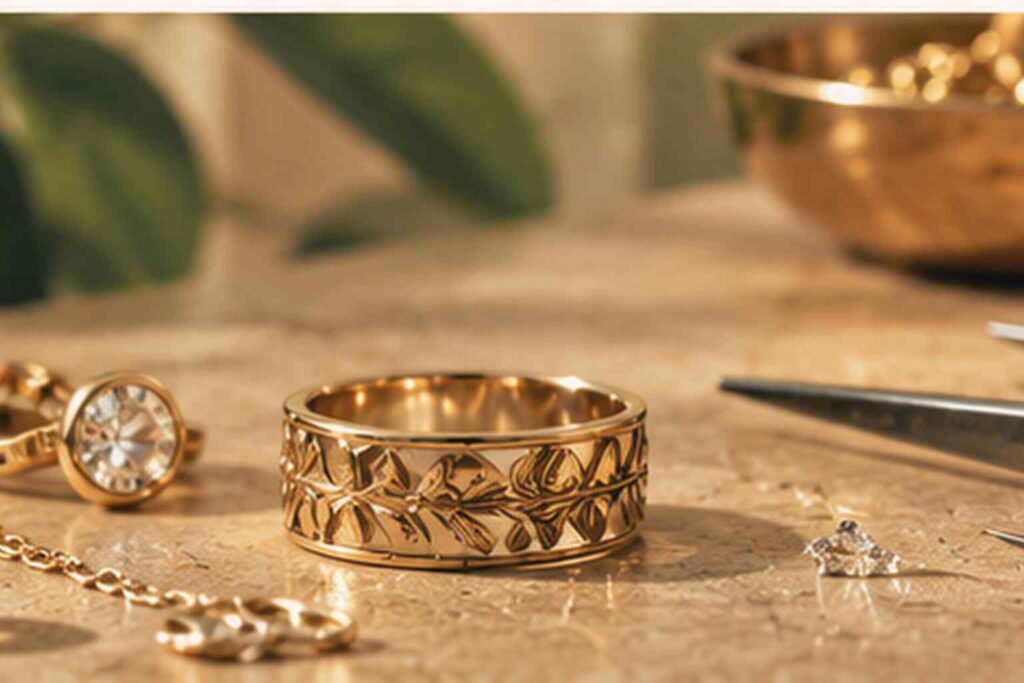
Ask retailers what they mean by terms such as ‘recycled’, ‘ethical’ and ‘responsibly sourced’, and whether they can provide supporting information. The UK’s Green Claims Code guidance is a useful reference for understanding why environmental descriptions should be specific and substantiated. For gemstone jewellery, check what any certificate actually covers rather than assuming it verifies the whole supply chain.
It is also worth visiting an independent jeweller with an old piece before shopping for a new one. A broken chain might be straightforward to mend, a family ring may be resized, and an unworn pendant could be remodelled into something you would use regularly. Pre-owned jewellery offers another route, provided you check its condition, returns policy and any likely repair costs.

Three Eco- Friendly Jewellery Brands Worth Knowing
Lily Arkwright
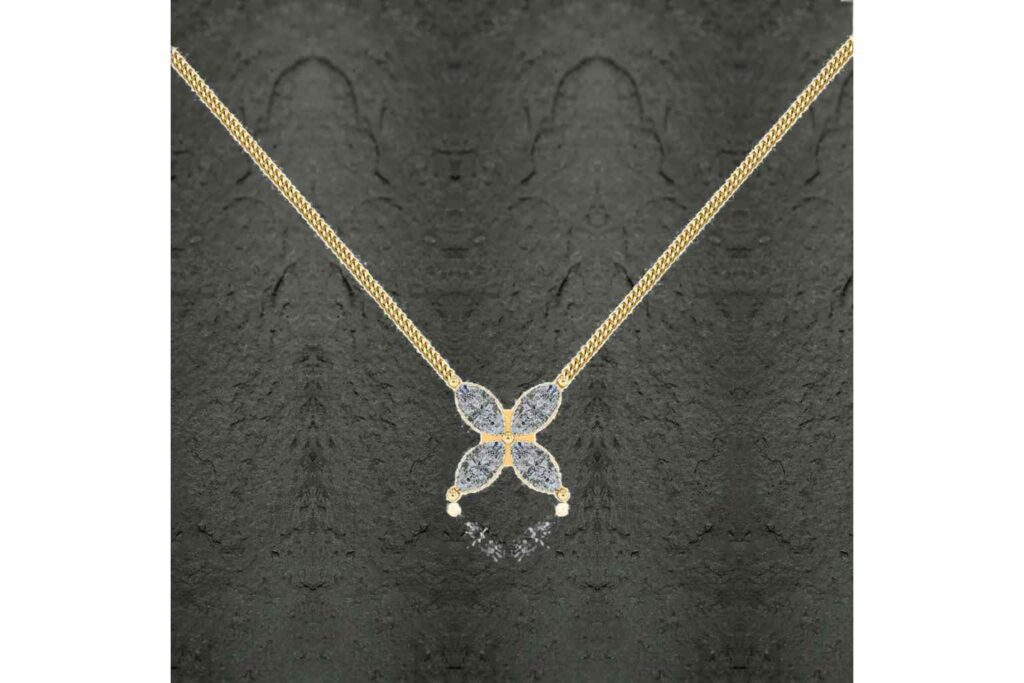
Lily Arkwright is a UK fine-jewellery retailer known for engagement rings and other pieces featuring lab-grown diamonds, moissanite and lab-created coloured gemstones.
Its collections include options in platinum and gold, making it worth exploring if you are interested in a lab-grown stone but still want a design that can be worn and cared for over time.
Ask about the individual stone certificate, the metal used and the warranty or repair terms that apply to your chosen piece.
Website: lilyarkwright.com
Lebrusan Studio
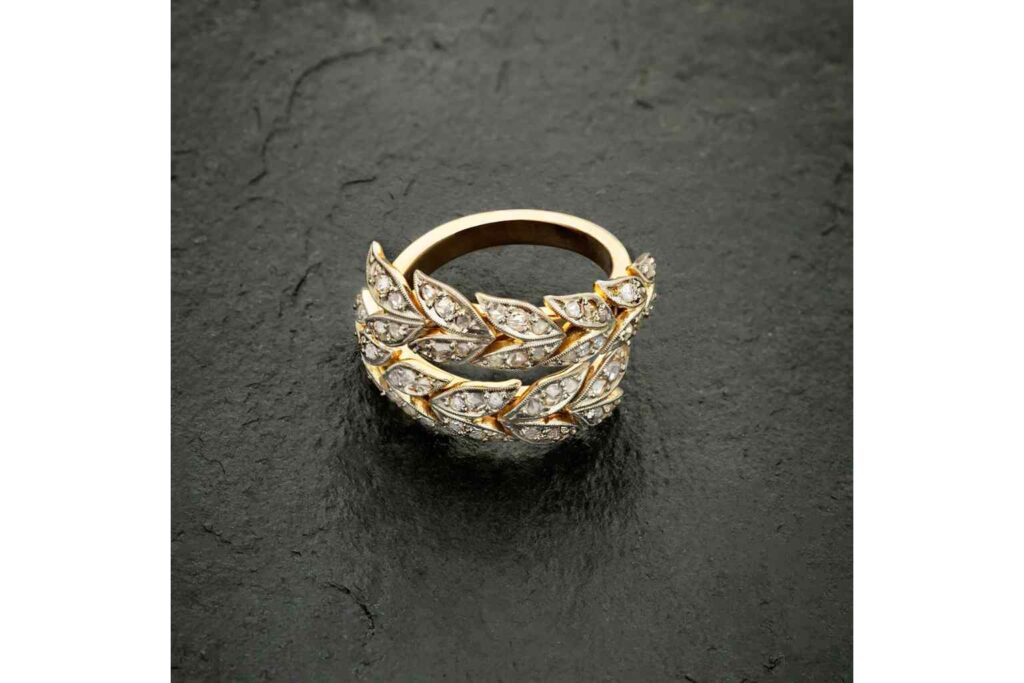
Lebrusan Studio focuses on jewellery made with an emphasis on material provenance and has described using Fairmined gold, recycled precious metals and reclaimed stones.
It is an interesting option for someone commissioning a meaningful piece and wanting to discuss the origins of its components.
Before ordering, check which sourcing details and certifications apply to the specific design, rather than assuming that every item uses the same materials.
Website: lebrusanstudio.com
Sign up to Lebrusan Studio’s newsletter for access to exclusive offers and updates.
The Old Cut
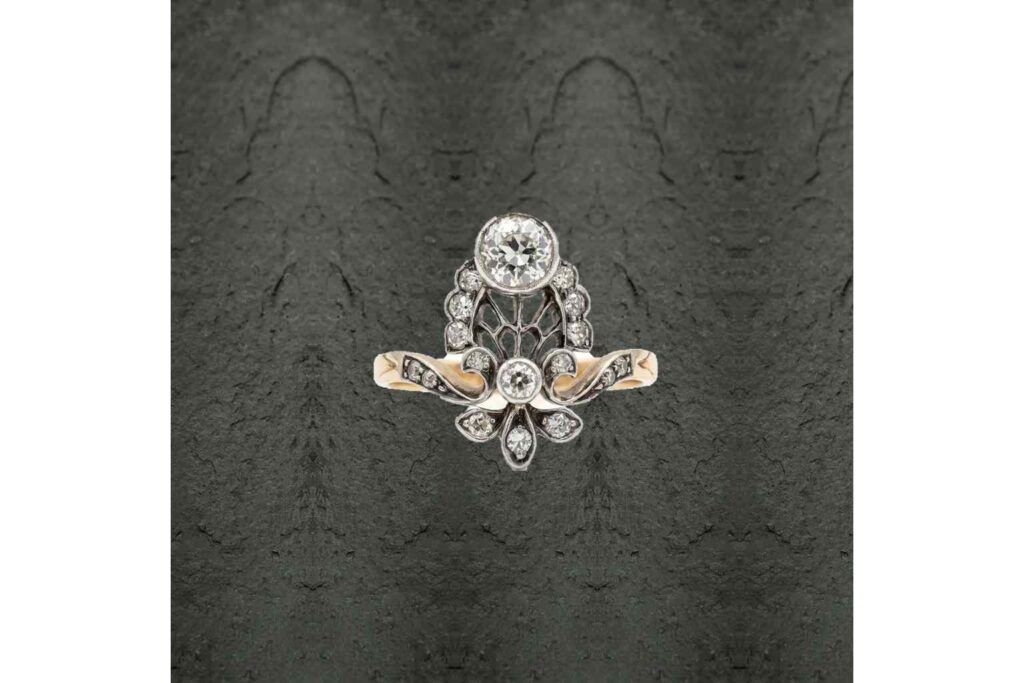
The Old Cut specialises in antique and vintage eco-friendly jewellery, giving existing pieces another opportunity to be worn and enjoyed.
For anyone drawn to the character of older designs, this approach can be particularly appealing, although it is still worth checking condition, hallmarks, sizing and returns before purchasing.
A reputable jeweller can also advise whether an older piece is suitable for everyday wear and what maintenance it may need.
Website: theoldcut.co.uk
Free shipping on all orders, as advertised on their website.
Eco-Friendly Jewellery: Our Thoughts
The most eco-friendly jewellery choice is often the piece you will enjoy wearing and looking after for years. That could be something inherited, a vintage find, a repair that brings an old favourite back into use or a new design from a jeweller willing to explain its materials and aftercare.
At Play It Green, we encourage practical choices that people can keep making. When buying jewellery, a few sensible questions about sourcing, durability and repair can help you choose something with both personal meaning and a clearer story.
Let’s all keep making better decisions for a greener and more sustainable future, and opting for eco-friendly jewellery is just one of those decisions.