

Eco-Friendly Kettles: Introduction
Eco-Friendly Kettles can make one of Britain’s most repeated kitchen habits less wasteful without changing the ritual of a morning brew. Most kettles do one simple job, yet the materials, energy use and lifespan behind that job vary widely. Overfilling, long overboil times and appliances that cannot be repaired all add unnecessary impact.
Eco-friendly kettles should boil only what you need, switch off quickly and stay useful for years. Repairable parts, recycled materials and lower minimum fill levels can make a real difference. Before replacing a working kettle, keep using it; when replacement time arrives, a little homework can help your next one earn its place on the worktop.

A Brief History of Kettles
Humans have heated water for thousands of years, first using pots placed over open fires and later metal vessels shaped for easier pouring. The familiar stovetop kettle developed as metalworking improved, giving households a safer way to heat and carry boiling water. In Britain, growing tea consumption helped turn the kettle into an everyday kitchen object rather than specialist equipment and by the eighteenth century, kettles were common enough to become closely linked with domestic tea making.
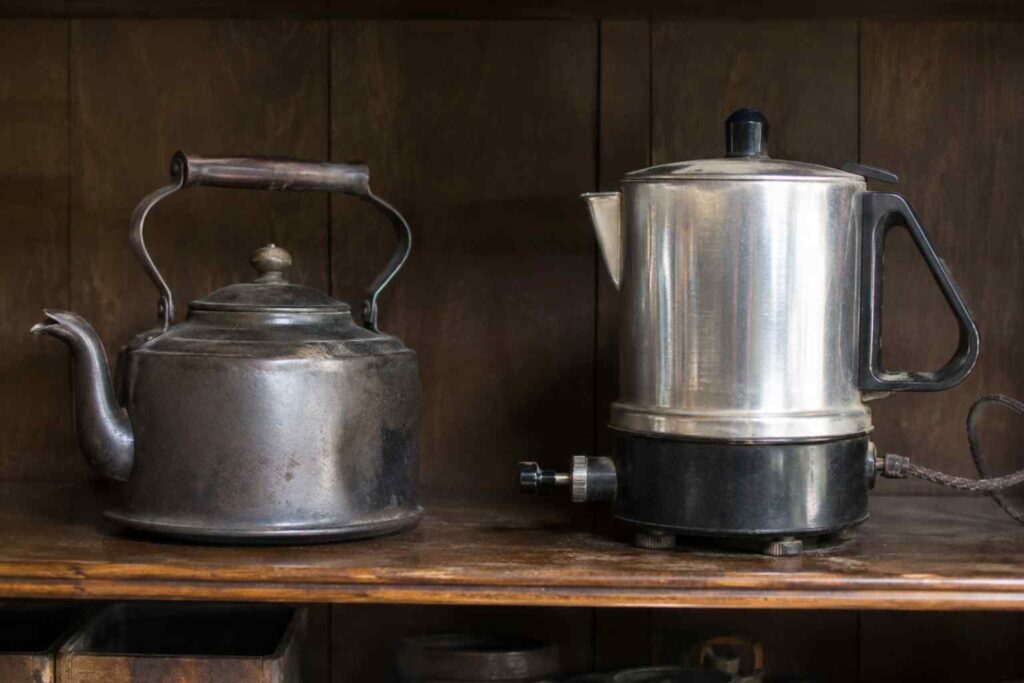
Electric kettles appeared much later, and early versions were sold in the 1890s, yet their heating elements sat beneath the water chamber, which made them slow and inefficient. In 1922, Birmingham engineer Leslie Large developed an element that could sit directly in the water, cutting heating time. The Russell Hobbs history records another major step in 1955, when the company launched the K1 as the world’s first automatic electric kettle.
Automatic switch-off changed everyday use by removing the need to watch water reach boiling point. Plastic-bodied kettles later reduced weight and manufacturing costs, then cordless bases and rapid-boil elements became common. Modern kettles now range from basic models to temperature-controlled appliances, yet the main job remains unchanged: heat the right amount of water, then stop.
Find Out MoreThe Environmental Impact of Conventional Kettles
The biggest everyday impact from a kettle comes from the electricity used to heat water. Overfilling means heating water that never reaches a cup, so the extra energy achieves nothing useful. Which? recommends a low minimum fill, ideally 300ml or less, and found that some kettles continue boiling for up to 30 seconds after the water reaches temperature.
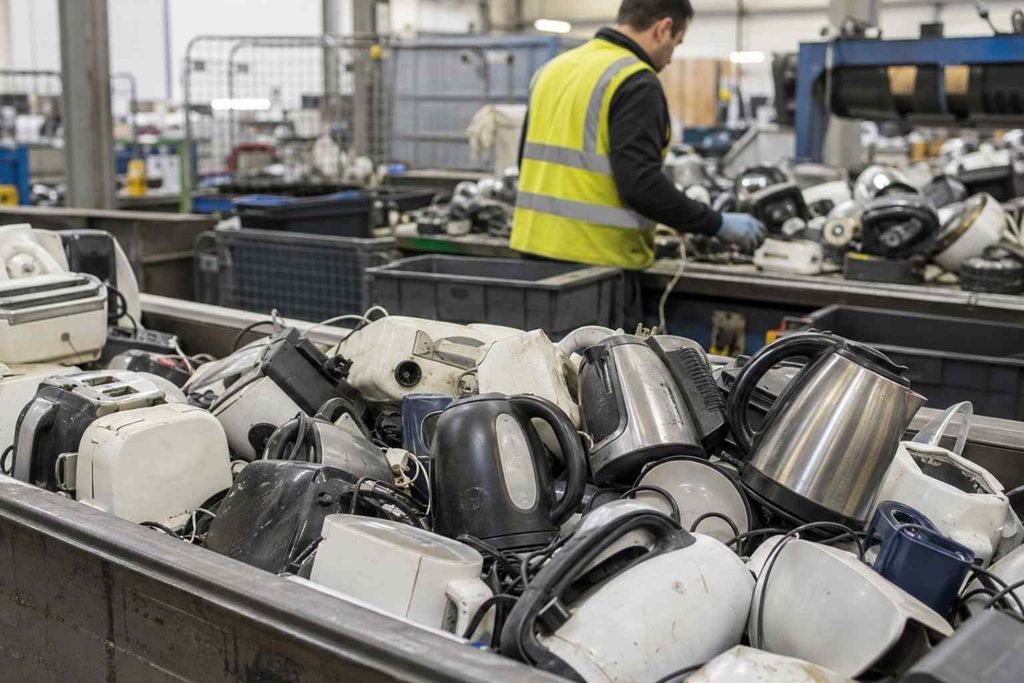
Replacement brings another issue, as kettles contain metals, plastics, wiring and electrical components, which places them within the wider electronic waste stream. The Global E-waste Monitor 2024 found that 62 million tonnes of e-waste were generated worldwide in 2022, yet only 22.3% was formally collected and recycled. The same report counted 31 million tonnes of metals and 17 million tonnes of plastics within that waste stream. Recovering more of those materials can reduce demand for fresh extraction and production.
Frequent replacement can increase demand for new raw materials, manufacturing and transport, especially when a small fault makes the whole appliance unusable. Lastly, Eco-Friendly Kettles work best as part of a simple habit: keep a good kettle for longer, descale it regularly and boil only the water you need.
What to Look For in Eco-Friendly Kettles
When choosing Eco-Friendly Kettles, start with energy use in real life rather than a broad environmental claim on the box. A low minimum fill lets you boil one cup without heating unnecessary water, and fast automatic switch-off reduces overboiling. Clear water markings make accurate filling easier, which can save energy every time the kettle is used.
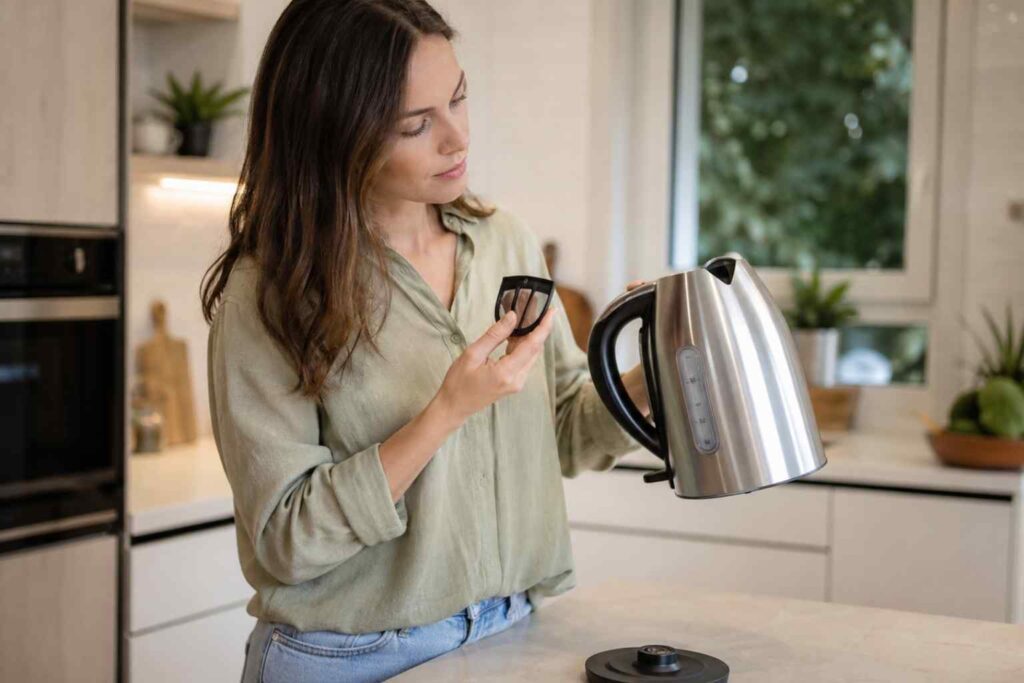
Next, look at how long the kettle can stay in service. Repairable heating elements, replaceable filters, bases and other spare parts can prevent a minor fault becoming a full replacement. Tefal offers a ten-year repair commitment on its Smart’n Light kettle, and Dualit sells a Classic Kettle with a replaceable heating element. Those features give owners more options when something wears out, rather than making replacement the only route. A longer warranty can give another useful signal, especially when a manufacturer backs it with spare parts and repair support.
Materials deserve attention too, as stainless steel is durable and widely recyclable, and recycled plastic can reduce demand for virgin material where plastic is still used. Finally, check the warranty, spare-part support and cleaning guidance. Regular descaling helps a kettle work properly for longer, so care after purchase belongs in the buying decision too. If you live in a hard-water area, an easy-to-remove filter and clear descaling guidance can make routine care much simpler.

Three of Our Favourite Eco-Friendly Kettle Brands
Tower
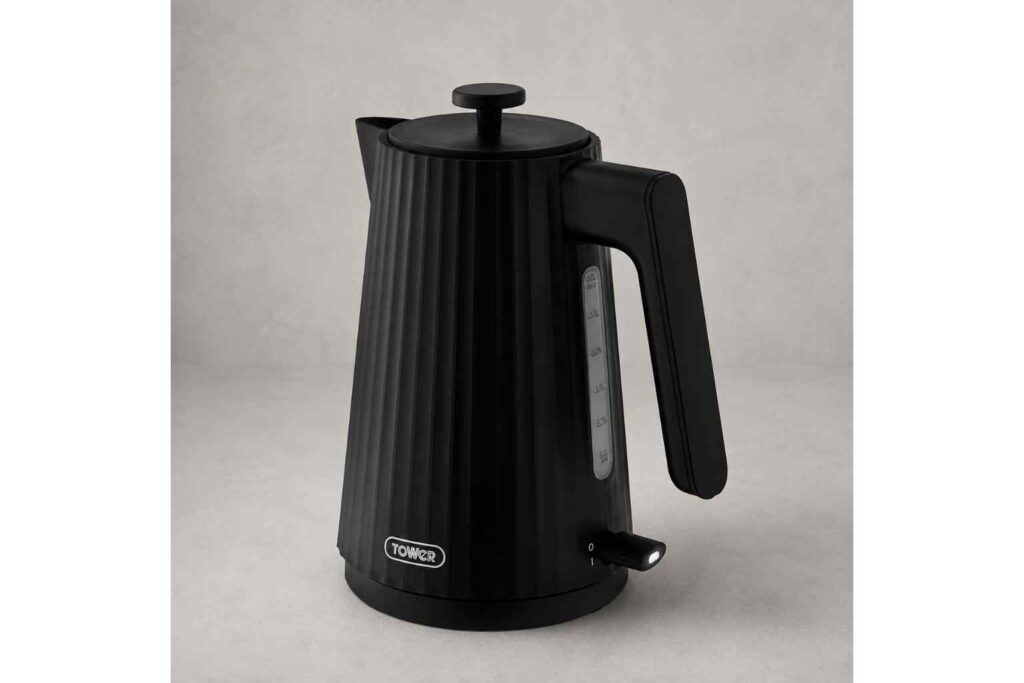
Tower’s ECOFORM range of eco-friendly kettles uses a housing made from 100% recycled plastic, reducing demand for virgin plastic in the outer body. Its 3kW element can boil one cup in under 45 seconds, and the water gauge helps users avoid overfilling. The kettle comes with a three-year warranty after registration, giving buyers a useful mix of recycled material, everyday efficiency and accessible pricing. Its removable filter can be cleaned too, helping maintain performance as limescale builds up.
Visit Tower to explore the full range.
Use code PLAYITGREEN15 for 15% off your first order. Offer lasts from 18 September to 30 October, with a £39.99 minimum spend, and only applies to full SSP items.
Dualit
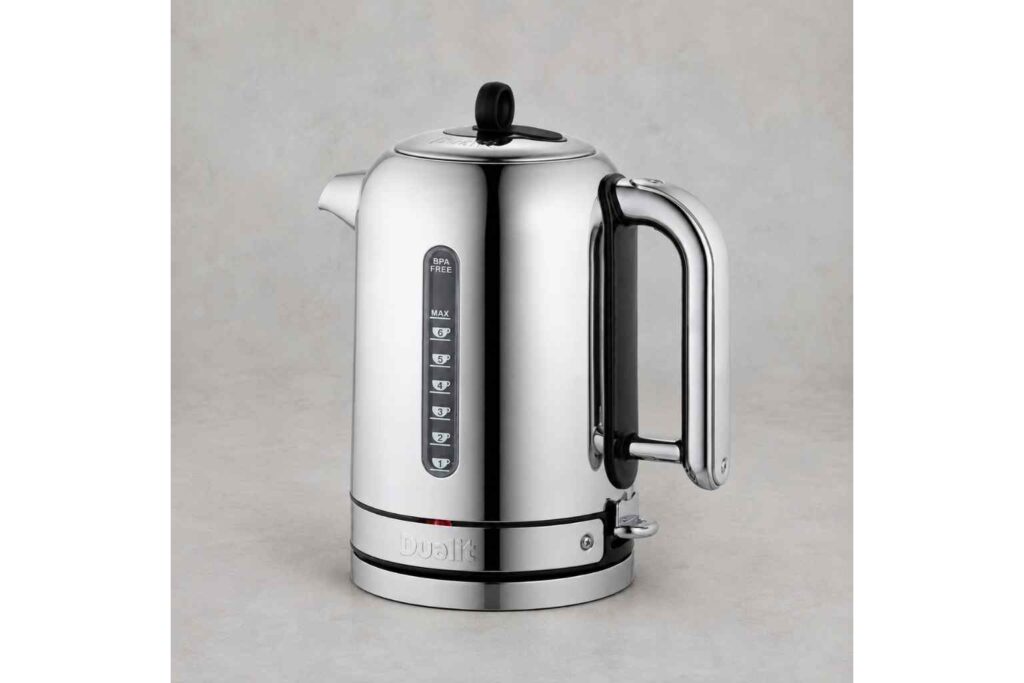
Dualit’s Classic eco-friendly Kettle is designed and engineered in the UK with a stainless-steel body and a patented replaceable heating element. That feature tackles a common reason kettles are discarded, giving owners the option to replace the element instead of the whole appliance. Dualit provides spare parts and repair support, and its water windows help users measure the amount they actually need to boil. The stainless-steel body gives the kettle a durable outer shell, making this a strong choice for buyers who value repair over replacement.
Visit Dualit to explore the full range.
Use code WELCOME10 for 10% off your first order.
Tefal
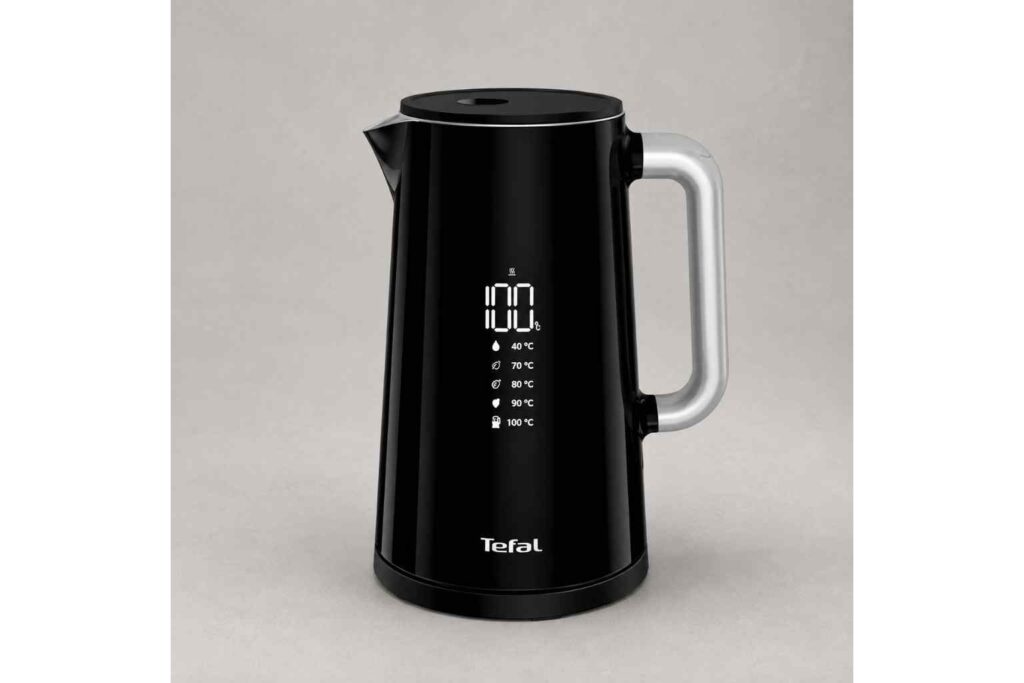
Tefal’s Smart’n Light range of eco-friendly kettles offers five temperature settings, letting users stop below boiling point when a drink does not need 100°C water. The brand states that the model is repairable for ten years, with parts supplied through its repair network. A removable anti-scale filter can be replaced too, helping the kettle stay useful when smaller components wear out. Temperature control can reduce unnecessary heating for drinks that need water below boiling point, such as some teas.
Visit Tefal to explore the full range.
Sign up to their newsletter for 15% off your first order.
Play It Green members may have a chance to win an eco-friendly kettle from TOWER – keep an eye out in your weekly newsletter, and if you aren’t a member yet, now might be a great time to join us!
Eco-Friendly Kettles: Wrap-Up
Eco-Friendly Kettles are less about chasing a perfect appliance and more about using a simple product well. Boiling only what you need cuts wasted electricity, and choosing repairable or longer-lasting models can reduce the flow of small appliances into the waste system.
When your current kettle still works, keep it, clean it and descale it. When replacement becomes necessary, look for a low minimum fill, quick shut-off, repair support and materials designed for longer use.
Keep an eye out for next week’s Weekly Tip where we will help you take another step towards a sustainable future!
Create Commercial Value with Play It Green
Play It Green helps businesses make sustainability practical, measurable and commercially sensible.
Our members learn through simple weekly education like this article on eco-friendly kettles, reduce the business footprint with support and expert signposting, repair nature across land, coast and sea, and create social impact through our 10% revenue giveback to good causes.

That gives your business credible action you can share with employees, customers and other stakeholders, backed by transparent reporting and measurable impact.
If you want to cut costs, reduce risk, attract great people and build stronger customer loyalty through sustainability, including measurement and reduction, nature repair and social impact, speak to Play It Green.
Find Out More