

Eco-Friendly Swimwear: Introduction
Eco-Friendly Swimwear is a smart summer swap for anyone heading to the pool, beach, lido, or pretending the UK heatwave will last longer than 11 minutes. Swimwear looks small, yet most pieces are made from plastic-based fibres such as polyester, nylon and elastane.
Those materials are useful in water, but they come with a hidden cost. They rely on fossil resources, can shed microplastics, and often end up as waste after a few holidays.
This week, we are looking at how Eco-Friendly Swimwear has evolved, why it matters, and what to check before buying. Plus, we feature three brands making better beachwear easier to find.

A Brief History of Swimwear
People have gathered around water for thousands of years, long before anyone worried about matching their swimsuit to their sandals. Ancient Greek and Roman societies had strong bathing cultures, with public baths used for washing, exercise, socialising and relaxation. Specialist swimwear did not really exist. People bathed nude or in simple garments, depending on place, period, gender and social setting.

In Britain, sea bathing became popular during the eighteenth century, especially in coastal towns such as Brighton and Scarborough. Modesty shaped the clothing. Bathing machines were used to wheel people into the sea, and swim clothing was often heavy, awkward and made from wool or cotton. This was great for dignity but much less so for actually swimming.
The nineteenth century brought more structured bathing costumes, with covered arms, legs and skirts common for women. Then the twentieth century changed everything as sport, leisure travel and fabric innovation led to lighter, fitted designs. Australian swimmer Annette Kellerman helped challenge restrictive swimwear by wearing a more practical one-piece suit.
Lastex, nylon and later elastane made swimwear stretch, dry faster and hold its shape. The bikini arrived in 1946, and swimwear became a global fashion category. Now the next shift is material choice, with Eco-Friendly Swimwear helping reduce reliance on virgin plastic.
Get In TouchThe Environmental Impact of Non Eco-Friendly Swimwear
Most modern swimwear is made from synthetic fibres such as polyester, nylon and elastane, which perform well in water but rely heavily on fossil-based materials. They help swimsuits stretch, hold shape and dry quickly, yet problems appear when cheap pieces are bought for one holiday, lose their fit, then sit unworn or end up in landfill.
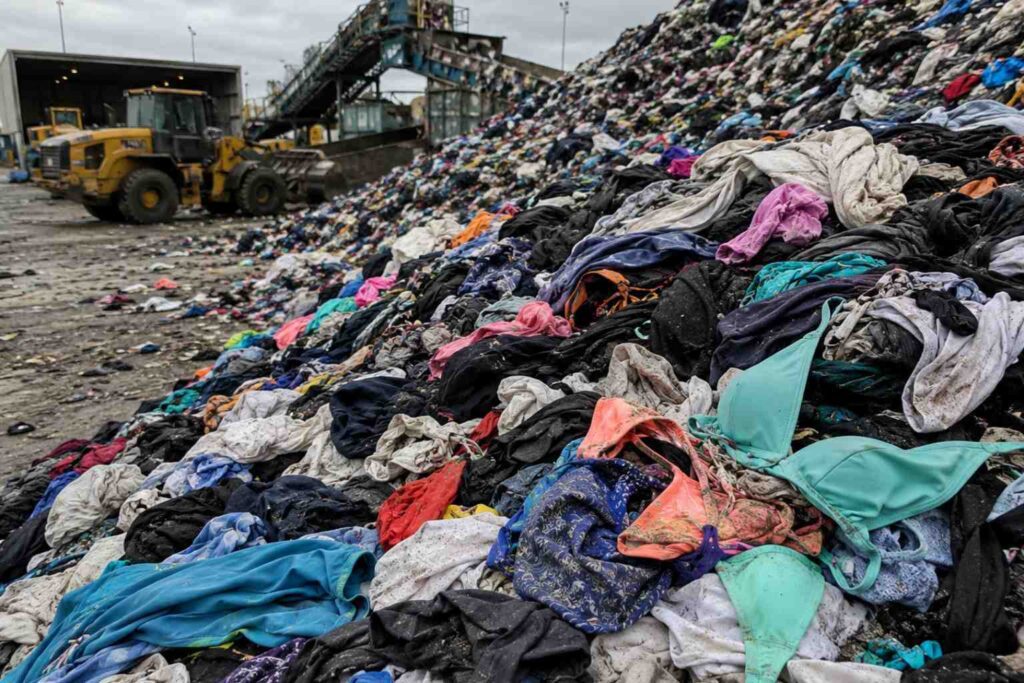
The wider fashion and textiles sector already carries a serious footprint. UNEP estimates fashion is responsible for 2 to 8 per cent of global greenhouse gas emissions and around 9 per cent of microplastic pollution reaching oceans each year. It is also responsible for 215 trillion litres of water use.
Swimwear adds its own issues because many pieces are designed for short seasonal use rather than long-term wear. Once synthetic fibres enter waste streams, they do not simply disappear; they break down slowly and can contribute to microplastic pollution affecting rivers, seas and wildlife.
Eco-Friendly Swimwear still needs honest care and realistic expectations, because recycled synthetics can shed fibres too, so the better choice is a well-fitting piece that lasts longer, reduces demand for virgin plastic and gets worn season after season.
What to Look For in Eco-Friendly Swimwear
Eco-Friendly Swimwear starts with better materials, yet it should never stop at fabric alone. Look for recycled nylon or recycled polyester, including recognised fibres such as ECONYL® and REPREVE®. These can turn waste bottles, fabric scraps, industrial plastic, or discarded fishing nets into usable swimwear fabric.

Fit matters because a swimsuit that rides up, stretches badly, or loses shape after two wears is waste waiting to happen. Strong seams, lined fabric, chlorine resistance and proper support all help a piece last longer, which reduces the need to replace it quickly.
Be careful with claims that sound too clean, since most swimwear still needs stretch and often includes elastane. That does not make a product bad, but it does mean “plastic-free swimwear” can be misleading.
Care makes a real difference, so rinse swimwear in cold water after use, dry it away from harsh heat, and wash it gently. Small habits can extend the garment’s life. Good Eco-Friendly Swimwear should balance comfort, durability, lower-impact materials and honest communication. Brands should explain what the fabric is, where it is made, and how to care for it.

Three Favourite Eco-Friendly Swimwear Brands
Rapanui
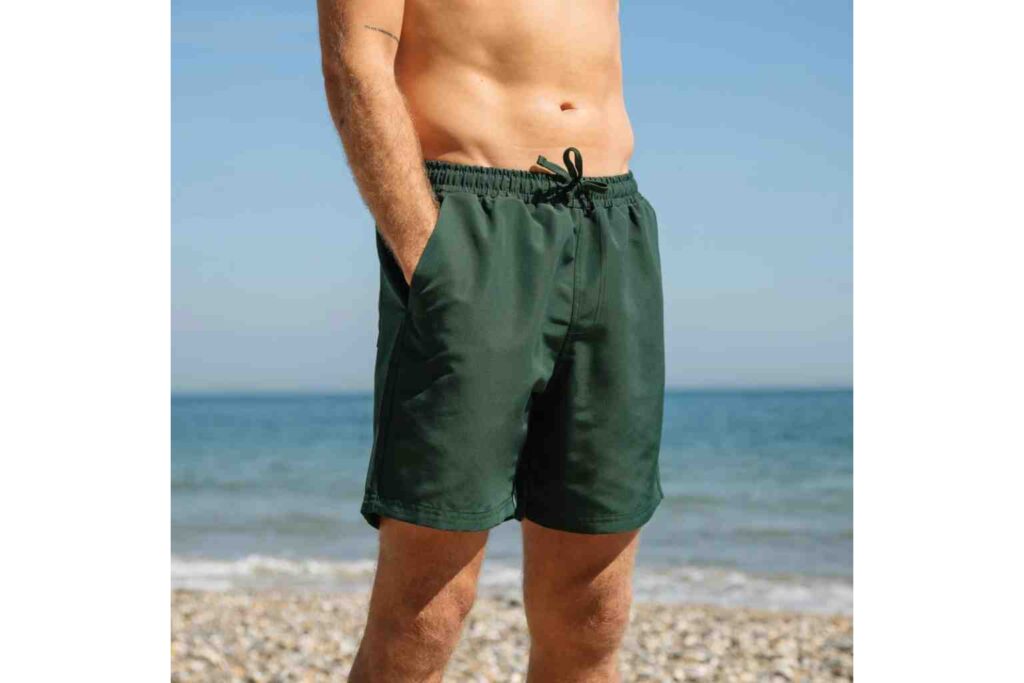
Rapanui brings a practical, no-nonsense approach to Eco-Friendly Swimwear, with options for men and women made using materials such as ECONYL®, NewLife, recycled polyester and post-consumer waste. Their product pages also give useful care guidance, including washing cool and using a Guppyfriend-style wash bag to reduce microfibre release. That level of detail makes them a strong fit for readers who want a clearer link between materials, care and long-term use.
Use code PLAYITGREEN15 at checkout for 15% off (offer lasts for 30 days from the date of publication).
Website: https://rapanuiclothing.com
Albaray

Albaray is a strong choice for Eco-Friendly Swimwear because the brand pairs wearable design with a clear focus on responsible production. Their sustainability approach includes responsibly sourced materials, long-standing supplier relationships, FSC-certified paper packaging, recycled and recyclable swing tags, and reduced paperwork in parcels. They are a good fit for readers who want swimwear that feels practical, modern and easy to wear without the brand story becoming vague.
Use code DFT15ALB at checkout for 15% off.
Website: https://www.albaray.co.uk
Tide + Seek
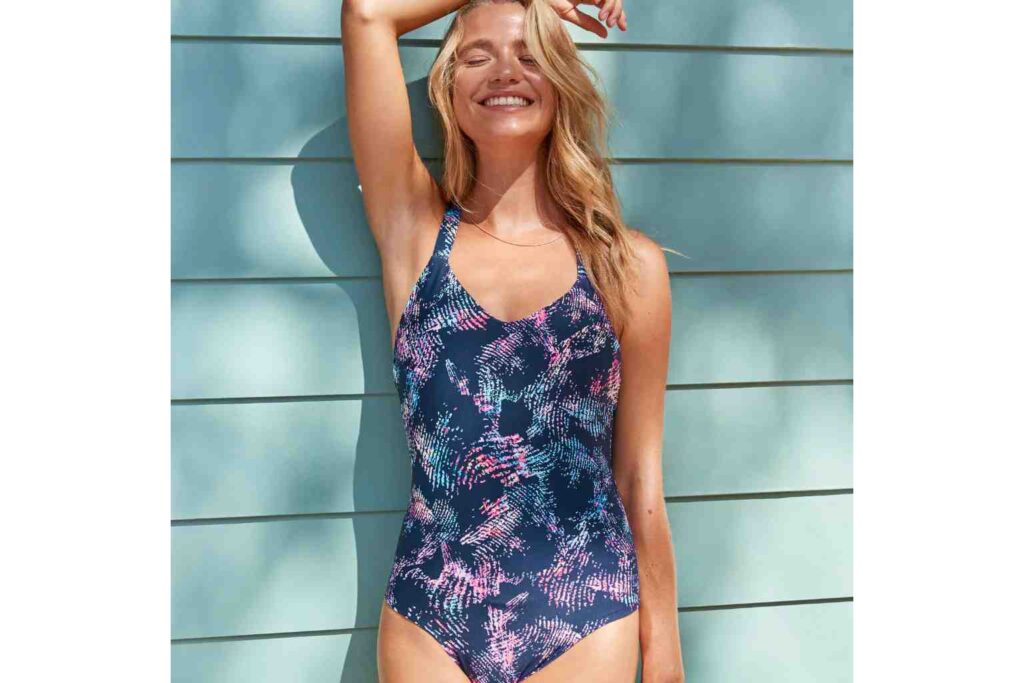
Tide + Seek’s swimwear fabric uses REPREVE®, made from post-consumer plastic bottles, and ECONYL® regenerated nylon for linings. They also explain their recycled material process clearly, from bottle collection through to finished fabric, and say each bikini gives new life to around five plastic bottles. Their focus on durability, recycled materials and clearer customer guidance gives the section a stronger specialist option.
Sign up to their mailing list for 5% off your first order!
Website: https://www.tideandseek.com
Eco-Friendly Swimwear: Wrap-Up
Eco-Friendly Swimwear will not fix fashion waste on its own, but it helps shift a common summer purchase in a better direction. The strongest choice is still the piece you already own and wear for longer. When something new is needed, materials, durability and honest brand claims all matter.
At Play It Green, we believe practical choices can add up across a community. Better swimwear, better care, fewer throwaway purchases and less virgin plastic all play a part.
So before your next swim, check what you are wearing. The planet does not need another one-holiday swimsuit.
If you enjoyed this tip on the Eco-Friendly Swimwear, why not become part of a community creating positive change every day by joining Play It Green?
We help you reduce your footprint, repair the planet, and regive to social causes that matter, all through simple, measurable actions that fit your business.

Everyone wants to see impact, not promises. With Play It Green, your sustainability journey becomes visible, credible, and rewarding.
Join us today and turn good intentions into lasting results.
Sign Up