

Eco-Friendly Wine: Introduction
Eco-Friendly Wine is raising a glass to sustainability, proving that a great bottle doesn’t have to cost the Earth. Traditional winemaking is resource-heavy, with pesticide use, water waste, and carbon-intensive transport adding up to a hefty footprint. But there is good news. Wineries worldwide are adopting organic farming, biodynamic practices, and carbon-neutral production to create wines that taste great and do good.
This week, we uncork the history, environmental impact, and best choices for a greener sip. So, whether you’re a connoisseur or just love a Friday night glass, here’s how to drink more sustainably with Eco-Friendly Wine.

A Brief History of Eco-Friendly Wine
Wine has been an integral part of human civilisation for over 8,000 years, with the first evidence found in Georgia. Ancient Egyptians embraced winemaking, while the Greeks refined the art and turned it into a philosophical staple. The Romans took viticulture to the next level, spreading vineyards across Europe and setting the foundation for modern wine production.

During the Middle Ages, monasteries preserved and refined winemaking techniques, ensuring quality and consistency. By the 18th century, France had become the centre of fine wine production. The Industrial Revolution introduced mechanisation and mass production, making wine more widely available. However, it also led to the loss of traditional techniques as commercial wineries prioritised efficiency over craftsmanship.
The 20th century saw the rise of large-scale commercial winemaking, with vineyards expanding aggressively to meet global demand. This period also marked the increased use of technology in winemaking, from temperature-controlled fermentation to chemical additives that enhanced flavour and consistency. Today, the industry is shifting once again, with a renewed focus on sustainable and ethical practices that combine modern techniques with respect for the land and traditional methods. Eco-Friendly Wine is at the heart of this transformation, offering consumers a way to enjoy their favourite drinks while protecting the planet.
Ask A QuestionThe Environmental Impact of Traditional Wine vs. Eco-Friendly Wine
Conventional wine production has a staggering environmental footprint. Irrigation alone can use up to 109 litres of water per glass, putting immense pressure on global water supplies. Chemical pesticides and fertilisers degrade soil health and pollute surrounding ecosystems, harming biodiversity and contaminating water sources.
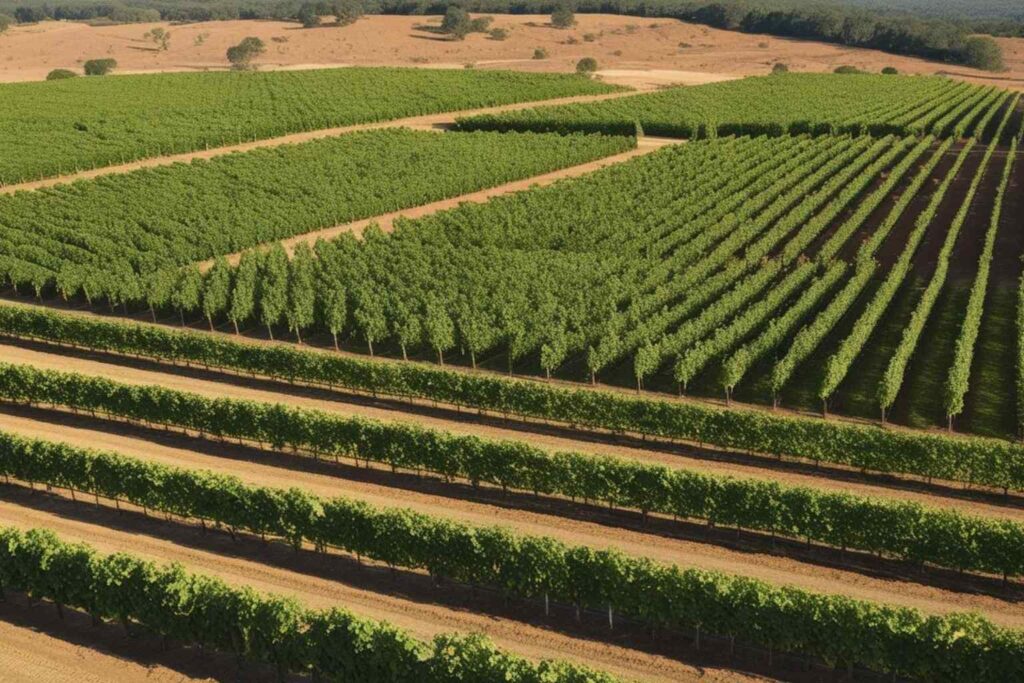
Packaging plays a major role in wine’s carbon footprint. Glass bottles account for nearly 30% of emissions, with long-distance transportation adding to the problem. Many vineyards operate as monocultures, which depletes soil nutrients and makes crops more vulnerable to disease, increasing the need for chemical intervention.
Fermentation itself releases carbon dioxide, a natural part of winemaking that contributes to greenhouse gas emissions. Large-scale wineries also rely on energy-intensive cooling and processing systems, adding further to their footprint. Waste management is another concern, as discarded grape skins, stems, and wastewater from wineries can cause pollution if not handled sustainably. The good news is that Eco-Friendly Wine producers are tackling these issues head-on. Regenerative farming techniques, organic cultivation, and innovative packaging solutions are helping to reduce the industry’s impact while preserving the rich traditions of winemaking.

What to Look For in Eco-Friendly Wine
Choosing Eco-Friendly Wine means paying attention to farming methods, production ethics, and packaging choices. Organic wines are produced without synthetic chemicals, supporting healthier soils and reducing pollution. Biodynamic wines take it a step further, using holistic farming approaches that align with lunar cycles to enhance soil fertility and biodiversity.
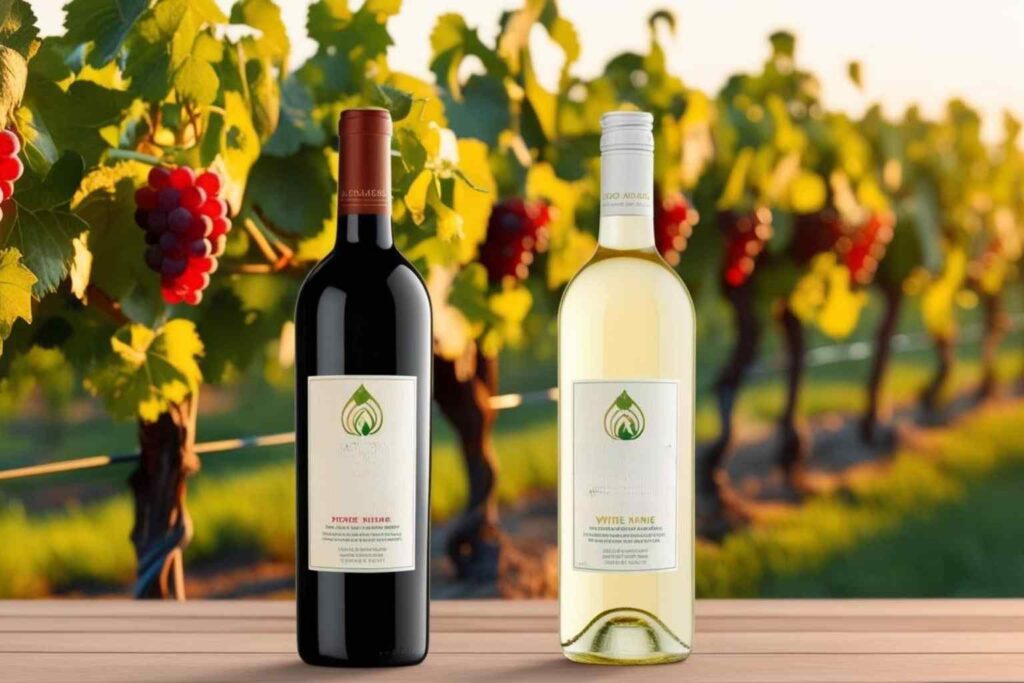
Sustainable certifications such as Fair for Life, Carbon Neutral, and Sustainable Winegrowing provide reassurance that a wine is ethically and responsibly produced. Packaging is another key factor—lightweight glass, boxed wine, and aluminium cans significantly cut carbon emissions from transport. Some companies now offer refillable or biodegradable packaging to further reduce waste.
Supporting local and small-batch wineries is an excellent way to reduce wine’s carbon footprint. Imported bottles require long-distance shipping, increasing emissions. By choosing local or regional suppliers, consumers can enjoy high-quality Eco-Friendly Wine with a significantly lower environmental impact. Sustainable vineyards also focus on maintaining biodiversity, using natural pest control methods and regenerative farming practices to ensure long-term soil health and ecosystem balance.

Three of Our Favourite Eco-Friendly Wine Suppliers
Wine & Earth
Wine & Earth is dedicated to providing sustainable, organic, and biodynamic wines sourced from eco-conscious vineyards around the world. Their selection prioritises winemakers who use minimal intervention methods, regenerative farming, and low-impact packaging. Every purchase supports wineries committed to protecting the planet. Best of all, Wine & Earth have a Climate Impact workforce with Play It Green and they have given us a fantastic 10% discount voucher code – simply use code ECOWINES10 at checkout!
Sea Change Wine
Sea Change Wine pairs sustainability with social impact. Their wines come in eco-friendly packaging with reduced plastic use, and every bottle sold helps fund marine conservation projects. With a focus on ethically produced wines, they offer a delicious way to support environmental initiatives while enjoying quality Eco-Friendly Wine. Use code HELLO10 for a 10% discount on your first order!
Social Supermarket
Social Supermarket curates a wide range of Eco-Friendly Wines from ethical suppliers, focusing on organic, fair-trade, and sustainable vineyards. Their selection supports businesses that prioritise both people and the planet, making it easier than ever to drink responsibly. Use code WELCOME10 at checkout for a 10% discount.
Eco-Friendly Wine: Wrap-Up
Switching to Eco-Friendly Wine is an easy way to enjoy your favourite drink while supporting sustainable farming, reducing emissions, and protecting biodiversity. With organic vineyards, biodynamic methods, and carbon-conscious packaging, your next bottle can help shape a greener future.
At Play It Green, we believe every choice makes a difference. From rebalancing carbon footprints to promoting ethical brands, small changes create big impact. So, next time you raise a glass, make it one that’s better for the planet. Cheers to sustainability!
Not a member yet?
Sign UpJoin our community and learn how to be more sustainable. We’ll also plant a mix of 10 trees, mangroves and sea kelp monthly for you. All for £5 per person per month! Plus give 10% back to a charity of your choice. So what are you waiting for? Time to act and be the change!
Want more info before deciding? Click here.