

Food Waste: Introduction
Food Waste solutions feel especially useful at this time of year. Most people head into December with good intentions and come out with a fridge full of leftovers that quietly pass their best. It is a familiar cycle. We buy more, cook more and forget how quickly it all adds up.
This week’s tip explores the history of food waste, the environmental impact of seasonal overbuying and the simple choices that help you enjoy great food without filling the bin.

A Short History of Food Waste
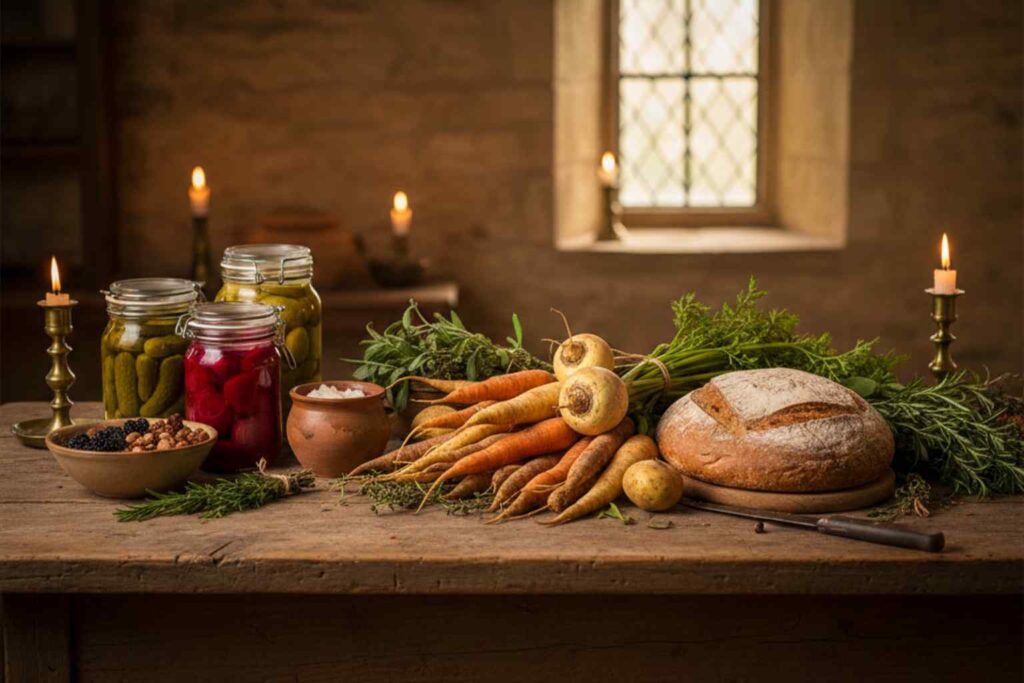
Food waste is not a modern invention, but it is fair to say our ancestors handled it differently. Early societies relied on strong preservation habits. Salting, fermenting, curing, drying and storing were everyday skills. Leftovers were never disposable. They were ingredients for tomorrow. In medieval households, kitchen scraps became broths, bones became stock, and any surplus was shared with neighbours or used to feed animals. These habits were shaped by necessity, not sustainability.
The eighteenth and nineteenth centuries introduced industrial food production and growing access to imported goods. This created greater choice but also distanced people from the processes that produced their food. By the time supermarkets emerged in the twentieth century, abundance had become normal. Convenience became central to shopping habits, and waste increased as expectations changed. Only recently have we begun to appreciate the scale of the issue and its wider consequences.
Get In TouchEnvironmental Impact of Food Waste
Food waste is responsible for a significant share of global greenhouse gas emissions. If it were a country, it would be the third largest emitter in the world. In the UK, the challenge grows in December. One week of the year accounts for around 270,000 tonnes of wasted, edible food. A typical family bins roughly sixty pounds’ worth of produce during this period. All of that waste breaks down in landfill and releases methane, a gas more damaging than carbon dioxide.
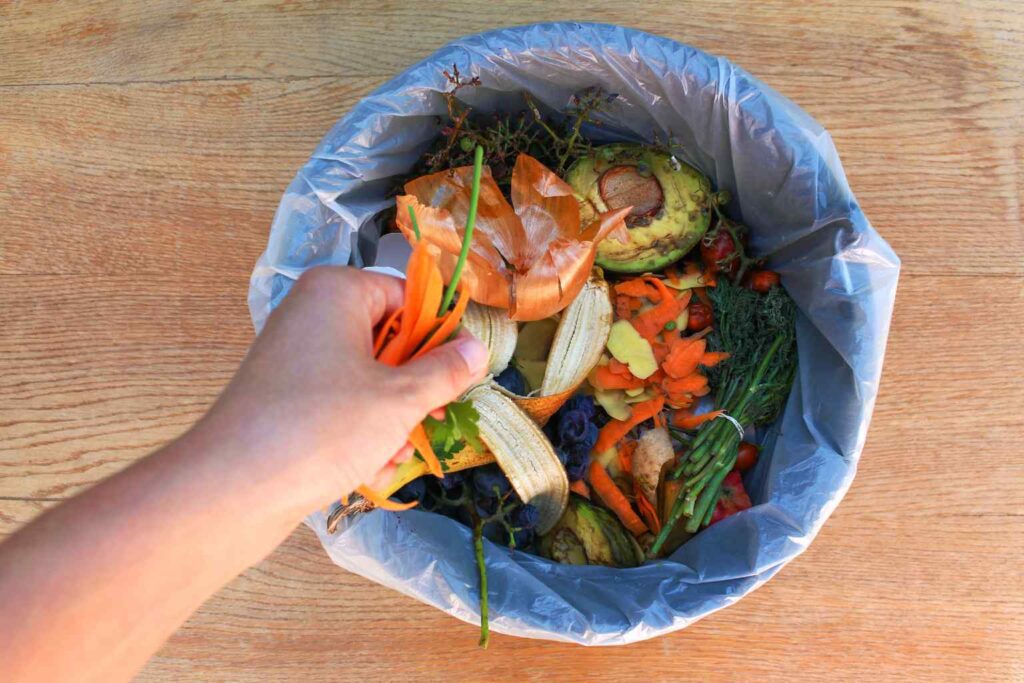
The environmental cost extends far beyond disposal. Producing, transporting and packaging surplus food consumes huge amounts of energy and water. Seasonal buying patterns make this problem larger. Households often overestimate how much they need, especially for events and gatherings, which leads to unnecessary waste. Reducing it is a simple and meaningful way to lower emissions and protect resources.
What to Look For When Reducing Food Waste
Reducing waste begins with buying the right quantities. Loose fruit and vegetables help you purchase exactly what you need rather than the larger packs that often sit unused. Planning meals and checking what you already have at home avoids accidental duplication, which is one of the biggest causes of waste.

Storage matters as well. Quality containers, silicone covers and beeswax wraps help keep food fresh for longer. Choosing ingredients that freeze well makes life simpler, as cooked vegetables, herbs, bread and even cheese can be kept for later. Packaging can play a helpful role when it is compostable or recyclable, especially for products that might generate frequent waste.
Sharing is an often-overlooked solution. Apps that encourage community sharing reduce waste by matching spare food with people who want it. And for the unavoidable scraps, composting offers a way to turn waste into something that benefits soil rather than harming the environment.

Three Brands Helping Households Reduce Food Waste
Lomi
Lomi is a compact kitchen composter that transforms food scraps into a nutrient-rich material you can use in your garden. It is an easy solution for peelings, skins and leftovers that cannot be used in meals. Lomi keeps waste out of landfill and creates something useful in its place. Use code SS-87269 for 10% off your first order when you buy Lomi with Healf!
OLIO
OLIO is an app that connects neighbours and local businesses so that spare food can be shared rather than thrown away. From fresh produce to cooked meals, the app helps reduce waste by linking people with items that would have been discarded. It is a simple way to keep good food in use within your community.
Hot Composters from Compost Guy
Hot composters offer a quick and effective method of breaking down unavoidable food waste at home. Their insulated design speeds up decomposition, even in cold weather, turning scraps into compost you can use throughout the year. Compost Guy provides a range of options for different household sizes and needs. Use voucher code PLAYITGREEN5 for £5 off your first order!
Food Waste: Wrap Up
Cutting food waste is one of the easiest ways to help the planet and often one of the quickest ways to save money. Small habits, from storing food properly to sharing spare portions, create a measurable reduction in impact.
Every week, the Play It Green community shows how simple actions, taken by many people, lead to significant change. Every ingredient saved and every scrap diverted from landfill helps build a cleaner, fairer future for everyone.
Join the Community Making Change
Want more Weekly Tips like this one on Food Waste? With us you can join a community that turns good intentions into real, measurable impact.
At Play It Green, we help people and businesses take meaningful climate and social action through simple, affordable steps. From Net Zero education and signposting to nature repair and giving back to good causes, we make sustainability part of everyday life and business. Practical, transparent, and rewarding.
Join Play It Green today for just £5 per person per month and 50p per plant and be part of the movement reducing footprints, repairing nature, and regiving to make lasting change.
Sign Up