

Sustainability News for 8th September: Introduction
Happy Monday and welcome to this week’s Sustainability News for 8th September. We all know the mainstream headlines can be bleak, so this is your chance to start the week with a dose of optimism.
The Play It Green community thrives on sharing stories of progress, and this week’s mix is especially uplifting. From rare butterflies fluttering back to life in England to silent high-speed trains in China, and offshore wind farms doubling as unexpected marine sanctuaries, there’s plenty to inspire us.

£13m Investment Brings Rare Species Back From the Brink
Natural England has revealed the results of its £13 million Species Recovery Programme, supporting over 150 threatened species across the country. Projects included reintroducing black grouse to the North Yorkshire Moors, bringing back the large marsh grasshopper to Norfolk after 85 years, and celebrating Kent’s first wild-hatched red-billed chough chick in over 200 years.
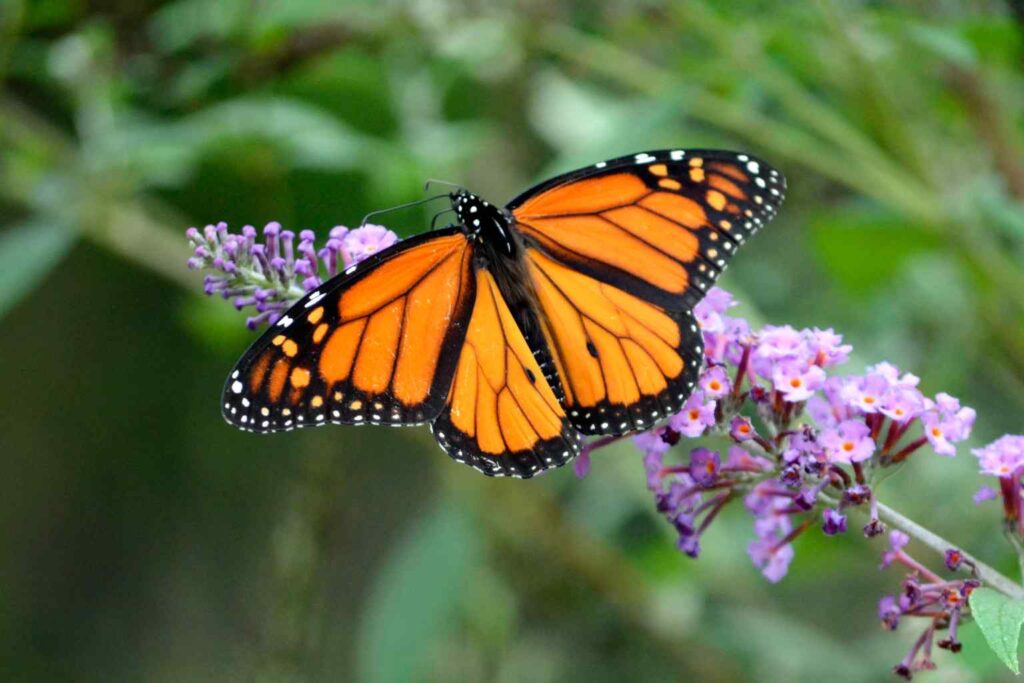
The scheme created more than 2,400 hectares of habitat, built 633 breeding sites, and even constructed 143 leaky dams to support salmon and crayfish. Beyond the wildlife benefits, 80,000 people took part in conservation activities, with volunteers giving nearly 100,000 hours of time. Tony Juniper, Chair of Natural England, said: “The success of this programme is an example of how much we can do when we take a joined-up, collaborative approach to restoring the natural world.”
These results are proof that targeted action works. With time running out to reverse nature’s decline, scaling up investment and collaboration could be the key to meeting the UK’s species recovery targets by 2042.
Maglev Train Tackles Tunnel Booms
China’s prototype magnetic levitation train, designed to hit 600km/h, has faced a noisy challenge: the dreaded “tunnel boom.” This shockwave, created when compressed air bursts out of a tunnel, can disturb people, wildlife, and even damage structures.

Researchers have now developed soundproofing buffers that reduce tunnel booms by up to 96%. The porous, silencer-like structures let air escape gradually, creating a smoother and quieter ride. If rolled out, this innovation will not only improve passenger comfort but also reduce environmental disturbance.
Maglev technology already offers carbon savings compared to short-haul flights. With new engineering solutions, these trains could soon become the clean, quiet alternative for journeys between Beijing and Shanghai, or Tokyo and Osaka. For a world looking to cut emissions and noise pollution, this is a glimpse of transport’s future.

Offshore Wind Farms: Unofficial Marine Reserves
A new study of 34 European offshore wind farms has revealed they do more than generate clean energy. By deterring trawlers and seiners, these sites reduce fishing activity by up to 4.2km beyond their borders. That makes them de facto marine reserves, helping relieve one of the biggest pressures on marine ecosystems: overfishing.
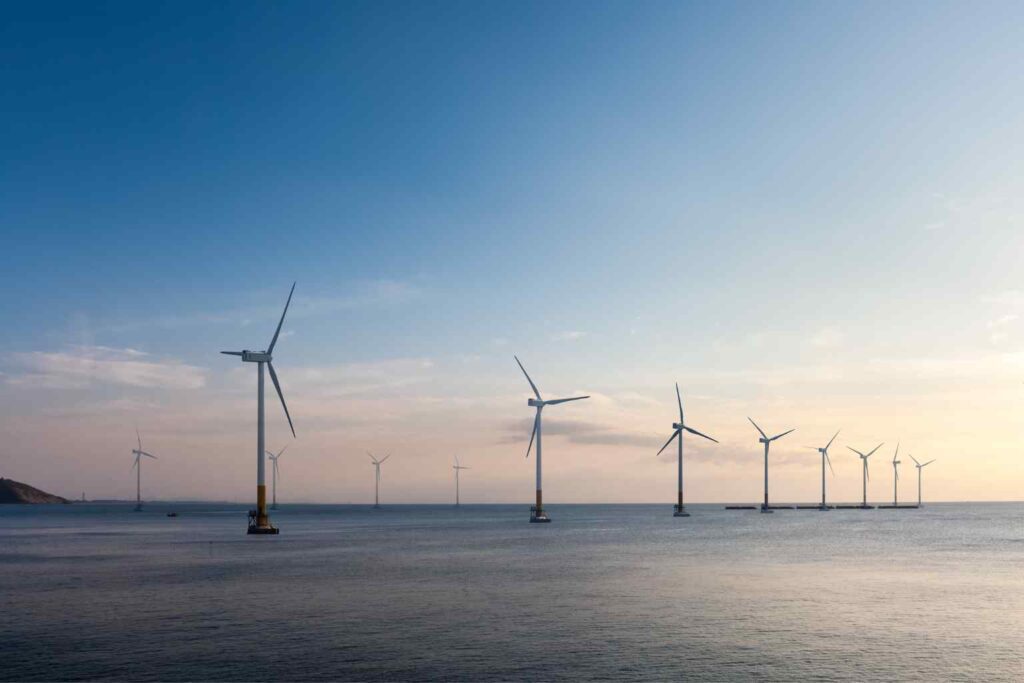
Researchers analysed fishing effort before and after wind farm construction using AIS vessel data. They found trawling effort dropped by 93% inside the farms, with no evidence that fishing simply shifted nearby. This accidental protection could deliver big wins for biodiversity, especially as Europe’s offshore wind capacity is forecast to more than double by 2030.
While wind farms are not a substitute for Marine Protected Areas, they show how renewable energy infrastructure can support marine conservation. For coastal communities and ecosystems, that means cleaner energy and healthier seas all at once.
Get In TouchSustainability News for 8th September: Wrap-Up
This week’s Sustainability News for 8th September is a reminder of what progress looks like when people, science, and innovation pull in the same direction. The Play It Green community knows that sustainability isn’t a distant goal, but something we can create together. Whether that’s protecting rare species, reimagining transport, or making offshore energy a win for marine life. Let’s carry that spirit forward and keep building the collective future we all want to see.
Make Positive Sustainability News of Your Own!
If you liked the Sustainability News for 8th September, why not make positive news of your own, by partnering up with Play It Green?
Modern employees, consumers and investors are all looking for businesses engaged in visible measurable sustainability and impact.
What are you waiting for?
Sign Up