
Sustainability News for April 6th: Introduction
The Sustainability News for April 6th brings together three stories that show how environmental progress starts to feel real when people can see it, use it, and trust it. This week that means carbon turned into beauty packaging, a butterfly once lost to Britain breeding again in southern England, and a Romanian recycling system that has changed behaviour at national scale.
For the Play It Green community, these stories are encouraging for a simple reason. None of them relies on vague promises or polished slogans. They show practical change, visible results, and the kind of steady progress that gives people a reason to believe better systems can still win.

L’Oréal to use captured carbon in packaging materials
Our first piece of Sustainability News for April 6th sees L’Oréal working with clean chemicals firm Dioxycle to turn captured industrial emissions into ethylene, a building block of polyethylene, one of the world’s most widely used packaging materials. It is a clever shift in thinking. Instead of treating emissions purely as waste, the aim is to turn them into a useful feedstock for future packaging.

There is still plenty we do not know. L’Oréal has not said which products will use the material or how much fossil-based plastic it could replace. Even so, the direction is clear. Jacques Playe, the group’s senior vice president of global packaging development, said the technology could open “unprecedented avenues” for packaging that is desirable, high-performing, and lower impact.
The wider context makes this more interesting. L’Oréal has been testing captured carbon packaging for years, and one of the first businesses backed by its new €100m innovation accelerator is Bristol-based Kelpi, which is developing seaweed-based alternatives. The beauty sector has talked about better packaging for long enough, but this suggests one of its biggest players is serious about helping build it.
Get In TouchLarge tortoiseshell butterfly returns to southern England
Our second Sustainability News for April 6th excitingly finds the large tortoiseshell, once classed as extinct in the UK, has now been declared a resident breeding species again. This comes after sightings across Kent, Sussex, Hampshire, the Isle of Wight, Dorset and Cornwall. It was last recorded as a breeding species in Britain in the 1980s, so its return feels quietly remarkable.
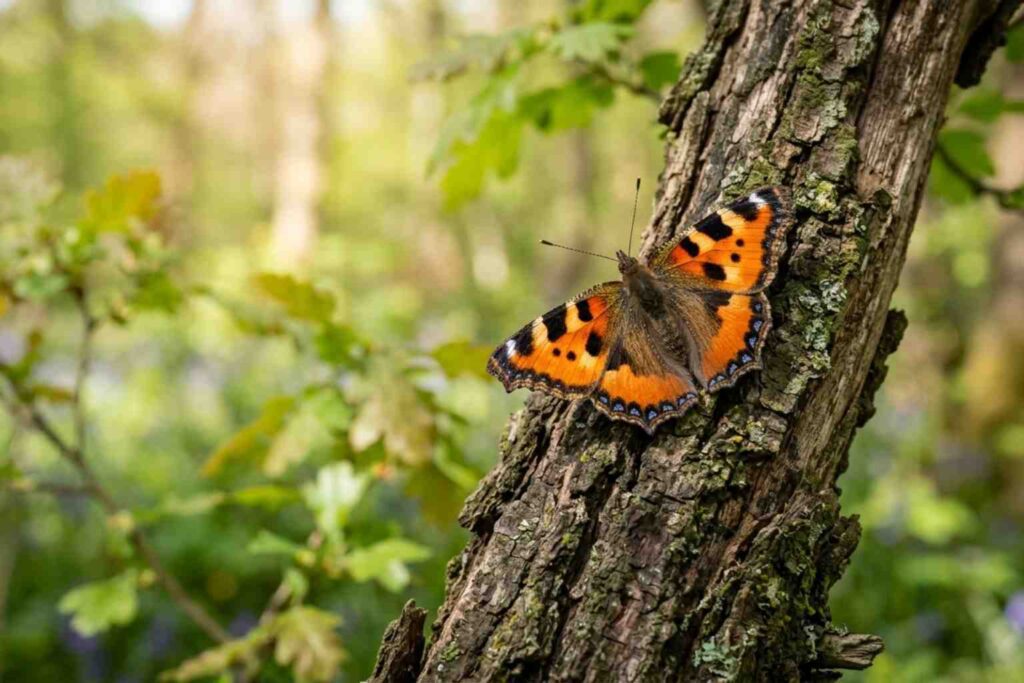
Butterfly Conservation says the species used to be found across England and Wales before disappearing, with Dutch elm disease thought to be a major reason for its decline. Now the pattern seems to be changing. Professor Richard Fox said nobody knows for certain why the butterfly was lost from Britain or why it has come back, but climate is likely pushing higher numbers across its European range and Britain is now benefitting.
That does not cancel out the wider concern. Butterfly numbers remain under pressure, and this return comes at a time of broader decline. Even so, one species coming back still matters as it shows that loss is not always permanent and that nature can still respond when the conditions improve.
Romania’s bottle return scheme is cleaning up the country
The final piece of Sustainability News for April 6th shows that Romania’s deposit return scheme has collected more than 8bn bottles and cans in little over two years. This gives the country one of the clearest recycling success stories in the whole of Europe. Consumers pay a small deposit on drinks containers and get it back when they return them through reverse vending machines or participating collection points. The effect has been obvious enough for RetuRO chief executive Gemma Webb to say: “You go to Romania now, you don’t see a bottle anywhere.”
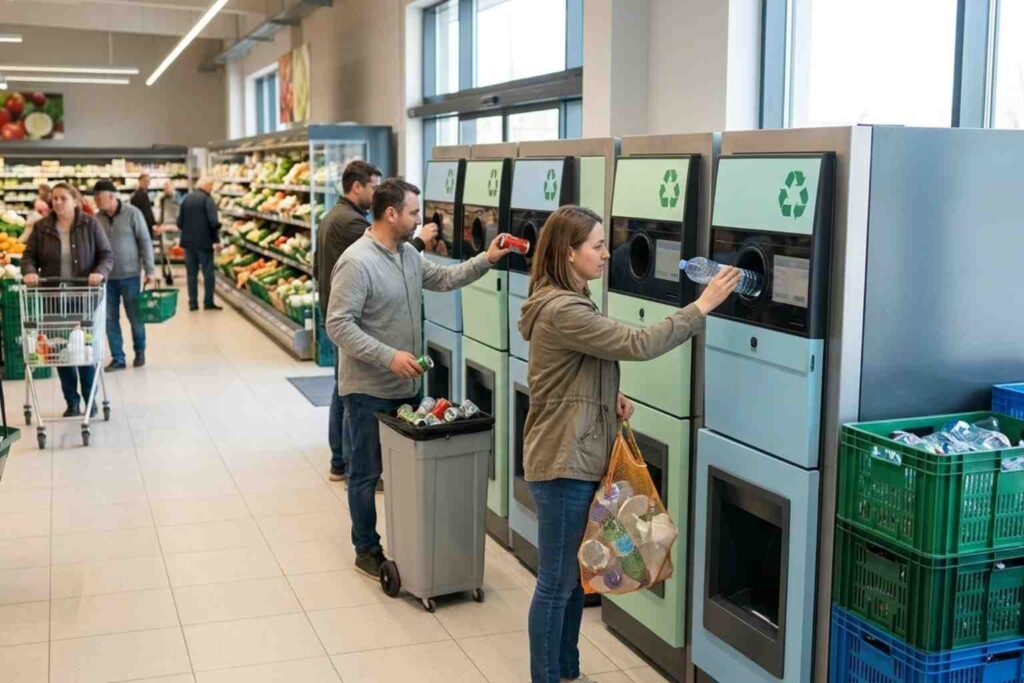
The scheme is working for a few simple reasons. It is national, it is easy to use, and it gives people their money back quickly. It has now returned more than half a million tonnes of high-grade recycled material to producers, with plastic bottles making up the largest share. Traceability is a major part of the model too, with audits and certification designed to prove material is genuinely recycled.
Romania still has a long way to go on wider circularity, so this is not a miracle cure. Yet it is a strong lesson ahead of the UK’s own scheme launch next year that if you make recycling easy, visible, and trustworthy, people usually get involved.

Sustainability News for April 6th: Wrap-Up
The Sustainability News for April 6th lands on a hopeful note. L’Oréal is pushing harder at low-impact packaging, the large tortoiseshell is breeding in Britain again, and Romania has shown that recycling works far better when the system is clear and convenient.
For the Play It Green community, the common thread is simple. Progress sticks when better choices are built into the system instead of being left to good intentions alone. That is worth remembering as more businesses and governments work out what environmental leadership looks like in practice.
Let’s make 2026 a year of change to remember.
If you enjoyed the Sustainability News for April 6th, why not become part of a community creating positive change by partnering with Play It Green?
We help you reduce your footprint, repair the planet, and regive to social causes that matter, all through simple, measurable actions that fit your business.

Modern employees, consumers, and investors want to see impact, not promises. With Play It Green, your sustainability journey becomes visible, credible, and rewarding.
Join us today and turn good intentions into lasting results.
Sign Up