

Sustainability News for February 23rd: Introduction
The Sustainability News for February 23rd brings together three stories that show sustainability moving closer to everyday decisions. Progress this week sits inside homes, across land, and within financial systems that shape how change actually happens. These are no longer distant targets, rather, they are examples of systems starting to align today.
For the Play It Green community, this matters. Domestic energy, nature recovery, and access to finance are where sustainability either stays theoretical or becomes real. This week’s stories show momentum building through practical delivery, policy support, and collaboration that lowers barriers rather than adding complexity.
Together, these stories make the Sustainability News for February 23rd a clear snapshot of where practical progress is starting to stick.

UK Homes Drive a Record Year for Domestic Renewables
Domestic renewable installations reached a record high in 2025, with nearly 369,000 certified systems installed across UK homes and small businesses, according to the Microgeneration Certification Scheme. That equates to one installation roughly every 90 seconds and a 34 per cent increase on 2024.
Rooftop solar led growth, with more than 267,000 installations, surpassing the previous 2011 peak. Heat pump installations passed 60,000 for the first time in a single year, while battery storage exceeded 40,000 installations, almost doubling its previous record.
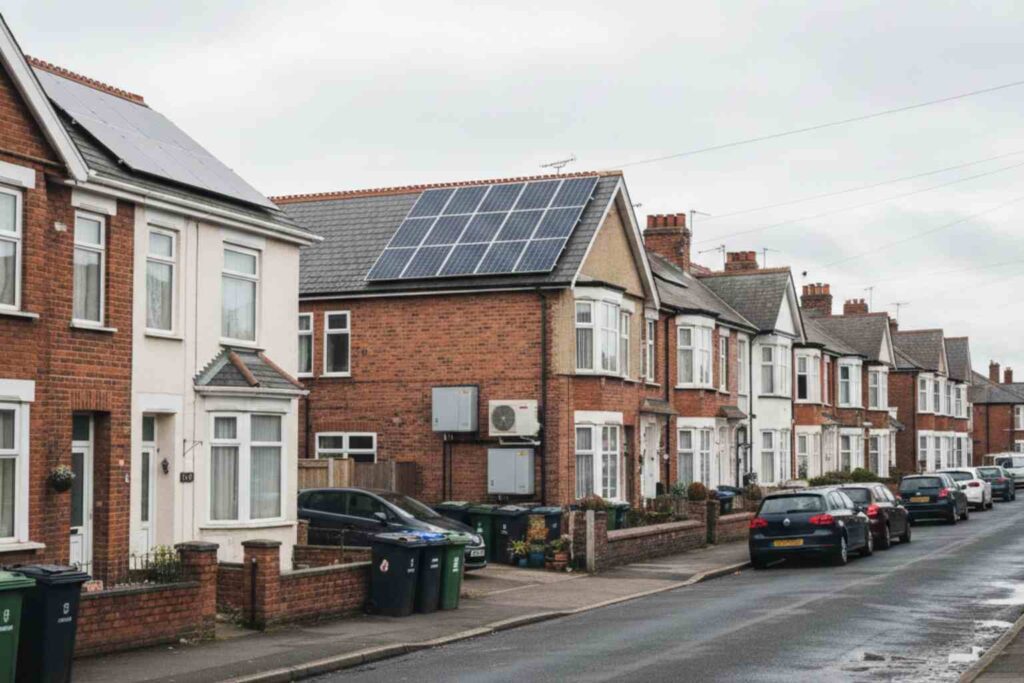
Together, systems installed in 2025 are expected to generate around 1.8 billion kilowatt hours of electricity annually, equivalent to powering the London Underground network for a year.
Cornwall, Somerset, and North Yorkshire recorded the highest volumes, while Welsh local authorities led when measured per household. New build homes played a growing role, accounting for more than a third of all solar installations.
MCS chief executive Ian Rippin said uptake is likely to rise further following the UK Government’s Warm Homes Plan, backed by £15 billion of public funding. Installer numbers also grew, reflecting rising demand for skilled workers.
Get In TouchThe National Trust Scales Up Nature at Speed
The National Trust has set out plans to restore or create 250,000 hectares of nature-rich landscapes by 2035, an area larger than Greater London. The target sits at the centre of its ten-year strategy, linking nature recovery directly to climate resilience and long-term land stewardship.
Over the previous decade, the Trust restored around 25,000 hectares of priority habitat, mainly on land it directly manages. Reaching the new goal means working beyond its own estate. Partnerships with Natural England and the National Lottery Heritage Fund are already supporting projects in 100 towns and cities, with £15.5 million confirmed across 40 locations.
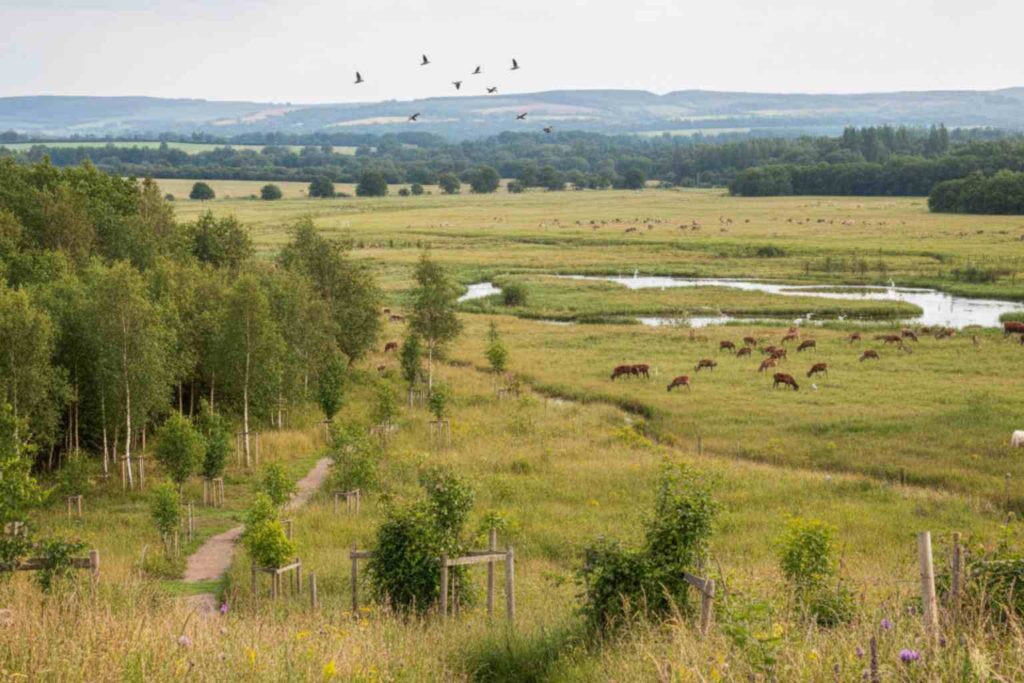
Tenant farming is a key focus. Around half of the Trust’s Scope 3 emissions come from tenant farms, which also present opportunities for nature improvement. Farm-level carbon and nature assessments now cover around one-fifth of this land.
Tree planting remains challenging. The Trust is behind on its ambition to plant 20 million trees by 2030, having delivered just over four million so far. A £10 million unrestricted donation is expected to support faster delivery.
This balance between delivery, scale, and access sits at the heart of Sustainability News for February 23rd.
Finance Moves Closer to the Front Door
A new partnership between the UK Government, major lenders, and the Green Finance Institute aims to scale financial products for green home upgrades. The Green Home Finance Strategic Partnership includes banks such as Barclays, HSBC, Lloyds, Nationwide, and NatWest, alongside consumer and energy organisations.
The goal is to make it easier for households to afford improvements such as insulation, low-carbon heating, solar panels, and battery storage. Research shows most UK residents want to improve their homes’ energy efficiency, yet upfront costs remain a major barrier.

The Partnership supports the Government’s Warm Homes Plan, which includes low-cost finance for domestic solar installations. Direct public funding for insulation remains focused on lower-income households, increasing the importance of private capital.
Dr Rhian-Mari Thomas of the GFI said the shared mission is to make upgrades accessible for five million homes, improving comfort, health, and affordability. The UK has some of Europe’s least efficient housing stock, and the Climate Change Committee has identified building decarbonisation as essential to meeting national climate targets.

Sustainability News for February 23rd: Wrap-Up
The Sustainability News for February 23rd shows progress where it counts. Homes are becoming energy assets. Nature recovery is scaling through partnerships rather than isolated projects, and finance is moving closer to everyday decisions.
For the Play It Green community, this reflects a familiar pattern. Sustainability delivers results when systems reduce friction and support practical action. That is how sustainability becomes part of normal life rather than a special case, and why this week’s news feels worth paying attention to.
If you enjoyed the Sustainability News for February 23rd, why not become part of a community creating positive change by partnering with Play It Green?
We help you reduce your footprint, repair the planet, and regive to social causes that matter, all through simple, measurable actions that fit your business.

Modern employees, consumers, and investors want to see impact, not promises. With Play It Green, your sustainability journey becomes visible, credible, and rewarding.
Join us today and turn good intentions into lasting results.
Sign Up