

Sustainability News for July 13th: Introduction
The Sustainability News for July 13th brings together solar energy, offshore wind and smarter reuse, with three stories showing large organisations putting practical systems in place. For the Play It Green community, that matters, as real change becomes easier to trust when people can see it working.
This week, LEGO has started construction on its largest solar park near its Billund headquarters, and Amazon has signed a major offshore wind power purchase agreement in Germany, whilst Wimbledon has shown how refill, reuse and deposit-return thinking can work during one of the world’s biggest sporting events.
The thread across all three stories is clear. Clean power, better infrastructure and everyday behaviour change all need investment, planning and public buy-in. When those pieces work together, sustainability starts to feel far less distant.

LEGO Builds Solar Park in Billund
The LEGO Group has begun construction of its largest solar park to date near Billund, Denmark. When complete, the site is expected to generate enough renewable electricity to match the company’s total electricity use in Billund, giving LEGO’s home town a visible role in its wider climate plans.
The park will have an installed capacity of 116 MW and is expected to generate about 99 GWh of renewable electricity each year. Operations are planned for late 2027. LEGO says the project will increase its installed renewable energy capacity by 204 per cent compared with 2025 levels.
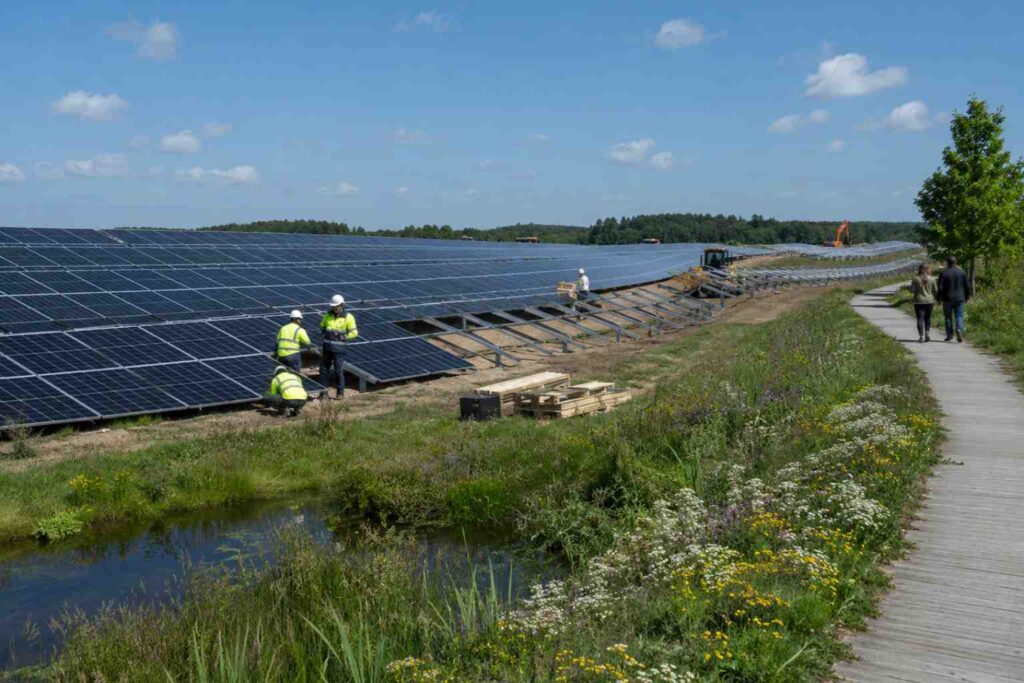
What makes the project more interesting is the land use around the panels. Sixty-five hectares will hold solar panels, with 35 hectares set aside for natural habitats, wetlands and open areas. Bat habitats, nesting boxes, grasses, flowers, shrubs and trees are part of the design.
In the Sustainability News for July 13th, LEGO’s project stands out as it connects clean power, nature and public access. The surrounding nature areas will open to the public, with paths, boardwalks and a restored transformer tower turned into a small museum space.
Get In TouchAmazon Backs German Offshore Wind
Amazon and Skyborn Renewables have signed a 600 MW power purchase agreement for electricity from the Gennaker offshore wind farm in the German Baltic Sea. The companies describe it as the largest single power purchase agreement ever signed in Germany, giving the project real commercial weight.
The agreement covers around 61 per cent of Gennaker’s planned capacity and gives Skyborn the long-term revenue certainty needed to move ahead with construction. The wind farm is planned at up to 976.5 MW, making it the largest offshore wind farm in the German Baltic Sea.
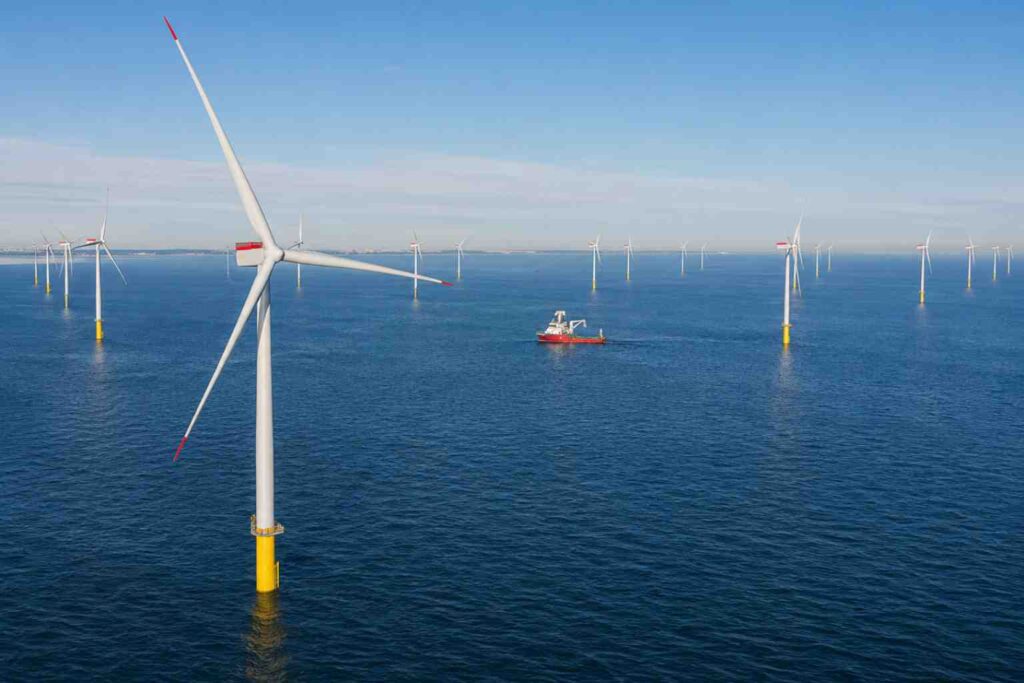
Once operating, Gennaker is expected to generate enough carbon-free electricity to power the equivalent of more than one million German households each year. Construction is expected to begin after financial close, with the wind farm due to become operational near the end of 2028.
For the Sustainability News for July 13th, the Amazon agreement matters as it shows how major buyers can help unlock clean energy projects. Large renewable builds need builders, backers and buyers, and corporate demand can give projects the confidence to move from plan to delivery.
Wimbledon Trials Refill and Return
By the time this article is published, this year’s Wimbledon Championships will have finished, yet the sustainability lessons still deserve attention. During the tournament, refill, reuse and deposit-return style ideas were placed in front of huge crowds, showing how major events can test everyday habits at scale.
Wimbledon already uses reusable cups across The Championships, with a £1 deposit that guests can reclaim at bars or donate to the Wimbledon Foundation. In 2025, guests choosing to donate their cup deposit raised more than £114,000, showing how a simple return system can support waste reduction and community funding.
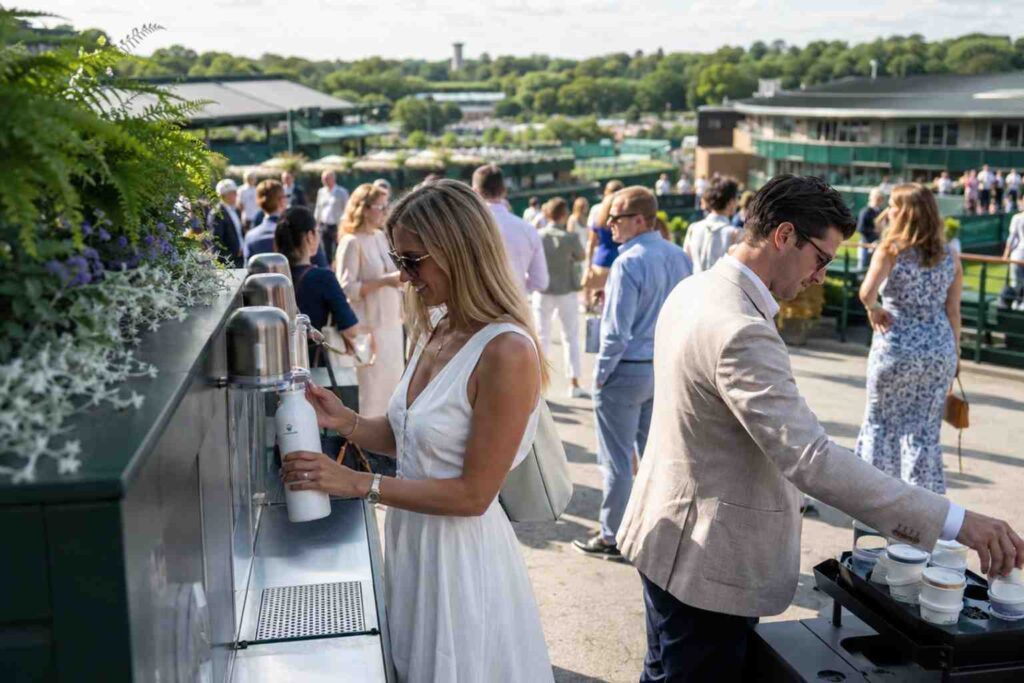
Evian’s Wimbledon sustainability work adds further context. The brand has previously run recycling reward activity at Wimbledon, using QR codes on bins across the Grounds and nearby areas. It has promoted refill and reuse through recycled, recyclable and refillable bottles at The Championships.
This belongs in the Sustainability News for July 13th as it brings circular habits into a setting people already care about. If refill and return systems work during a Grand Slam, similar thinking can help workplaces, venues and high streets make reuse feel normal.

Sustainability News for July 13th: Wrap-Up
The Sustainability News for July 13th shows how much stronger progress feels when it is built into places people already recognise. LEGO is linking clean power with biodiversity and public access, Amazon and Skyborn are helping a major offshore wind project move from plan to delivery, and Wimbledon has shown how refill and return systems can work at a major event without making the experience awkward.
The lesson across all three stories is simple enough. Good sustainability design should make better choices easier, not make people feel managed or preached at. That is where these stories earn their place, as each one shows practical change being built into familiar spaces, familiar systems and familiar habits.
If you enjoyed the Sustainability News for July 13th, why not become part of a community creating positive change by partnering with Play It Green?
We help you reduce your footprint, repair the planet, and regive to social causes that matter, all through simple, measurable actions that fit your business.

Modern employees, consumers, and investors want to see impact, not promises. With Play It Green, your sustainability journey becomes visible, credible, and rewarding.
Join us today and turn good intentions into lasting results.
Sign Up