

Sustainability News for March 30th: Introduction
The Sustainability News for March 30th brings together three stories that show how climate progress often looks best when it is practical, visible, and rooted in the real world. This week, that means wasted heat from a west London data centre being redirected into homes, kinetic flooring turning pedestrian movement into power, and regenerative farming pilots being backed in ways that respect local conditions.
For the Play It Green community, these stories matter because they are built on action, not theatre, and they show what can happen when people stop accepting waste as inevitable.

How a police data centre is heating London’s homes
Making major infrastructure changes in central London is never easy. There is too much history, too many systems already in place, and too many ways for an ambitious plan to fall apart. That is why the Earl’s Court redevelopment stands out. It plans to use waste heat from the Mopac Tower data centre, Tube tunnels, and other nearby sources to help heat 4,000 homes and a new commercial district.

The system uses an ambient loop network, where low-temperature water moves through underground pipes, captures spare heat, and passes it to building-level heat pumps. Those pumps then raise the temperature for heating and hot water. The reported efficiency is around 264 per cent, which leaves traditional gas boilers looking clumsy by comparison.
There is still reason to stay cautious with the first story of sustainability news for March 30th. Heat networks in the UK have sometimes struggled with outages, slow repairs, and unclear pricing. Earl’s Court says its design includes back-up plant, linked loops, and storage to improve resilience. If that holds up in practice, this becomes more than a clever engineering project. It becomes a strong example of a city finding value in energy it used to waste.
Get In TouchThe British company taking many steps to produce power
Pavegen is built on an idea that sounds strange for about five seconds, and then starts to feel completely logical. If solar and wind are not always the best fit for dense city spaces, why not use something cities already have in huge supply, people moving through them all day.

Its flooring captures the kinetic energy of footsteps and turns it into electricity. Founder Laurence Kemball-Cook spent years developing the concept, and the company now has installations at 250 sites across five countries. At Telford train station, the power helps charge phones. In Hong Kong, energy generated on a running track is stored in batteries and used for nearby lighting. Outside the White House, foot traffic helps power lights in a local park.
This story of sustainability news for March 30th is not about pretending footsteps will run an entire city. The real value lies in busy places such as stations, shopping centres, and new developments where large numbers of people pass through each day. Cost remains the obstacle, especially for retrofit projects, though the wider idea is strong. Cities are full of ignored energy opportunities, and Pavegen is a reminder that infrastructure can be useful, engaging, and easier to notice.
PepsiCo and Nat Geo fund innovative regenerative agriculture pilots
Regenerative agriculture is often discussed in broad, polished terms, which can make it sound far simpler than it really is. This initiative from PepsiCo and the National Geographic Society feels more useful because it backs practical pilots in real farming conditions rather than treating regeneration as one neat model that works everywhere.
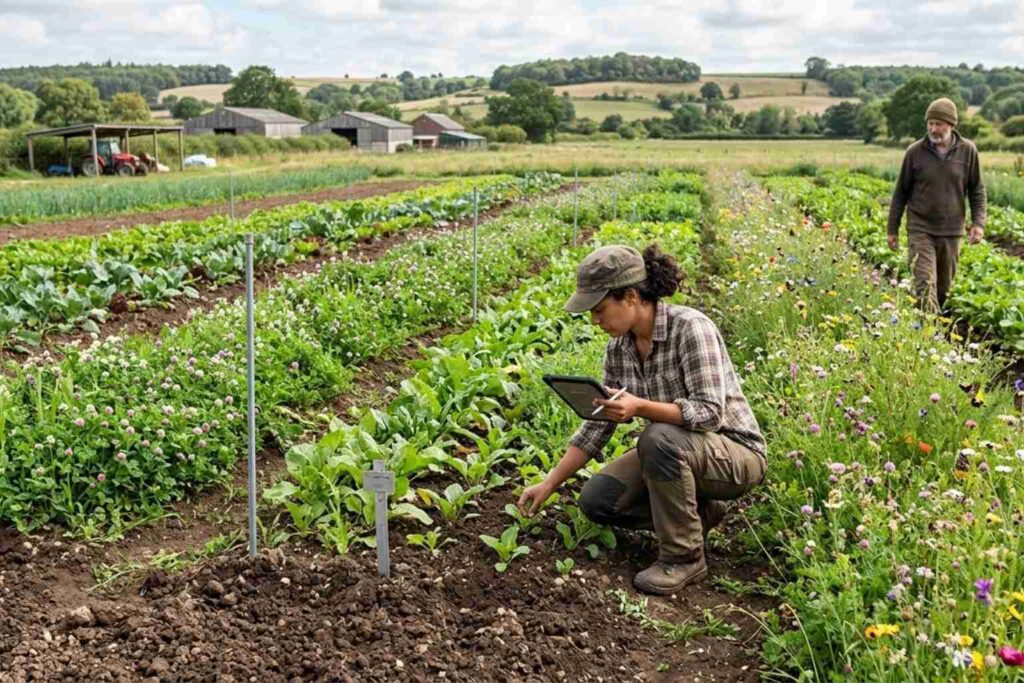
Five projects were selected after hundreds of applications from researchers in 140 countries. They include biodiversity corridors across maize, soy, and wheat farmland in North America, nitrogen-fixing alfalfa in potato systems, and potato intercropping on coffee farms in Ethiopia. Other pilots will test cover crops and biochar under drought conditions in Spain, and soil regeneration through intercropping in Indonesia with support from an AI-powered app.
What makes this worth watching is the acceptance of difference. Farming systems vary by crop, climate, water pressure, and local economics, so good ideas need testing in context. Farmers do not get many spare chances when a season goes wrong. If these pilots produce evidence that is practical and specific, they could help move regenerative agriculture away from glossy ambition and closer to decisions that genuinely work on the ground.

Sustainability News for March 30th: Wrap-Up
The Sustainability News for March 30th reflects a kind of progress that feels grounded and worth paying attention to. London is treating wasted heat as an asset, Pavegen is showing that everyday movement can have energy value, and PepsiCo with Nat Geo are backing farming research that respects local complexity.
The common thread is simple, though the work behind it is not. Better outcomes tend to come from spotting waste, rethinking systems, and making what already exists work harder. For the Play It Green community, that remains a far more convincing route to change than noise or hype.
If you enjoyed the Sustainability News for March 30th, why not become part of a community creating positive change by partnering with Play It Green?
We help you reduce your footprint, repair the planet, and regive to social causes that matter, all through simple, measurable actions that fit your business.

Modern employees, consumers, and investors want to see impact, not promises. With Play It Green, your sustainability journey becomes visible, credible, and rewarding.
Join us today and turn good intentions into lasting results.
Sign Up