

Sustainability News for October 19th: Introduction
The Sustainability News for October 19th brings together three stories showing how progress can accelerate when organisations create the right conditions for change.
This week, Primark is giving textile-to-textile recycling something emerging technologies need: long-term commercial demand. A new international standard is giving businesses a practical framework for reducing food waste, while £79 million of government funding will put more nature recovery into the hands of local communities across England.
The common thread is simple and shows that innovation moves further when it is backed by investment, clear standards and local decision-making that make action easier in the real world.
Primark Backs Textile-to-Textile Recycling at Scale
Primark has signed its first multi-year agreement with a textile-to-textile recycler, committing to buy recycled polyester from US recycling company Circ for use in its clothing from 2029. The material will come from Circ’s planned first industrial-scale textile recycling facility, creating a route for discarded clothing to return to the fashion supply chain.

One of the biggest challenges in textile recycling is dealing with blended fabrics such as polycotton. Circ’s technology separates polyester and cellulose fibres so they can be recovered and turned into new textile materials. You can read more about the Primark and Circ partnership and the technology it aims to bring into Primark’s supply chain.
What makes the agreement particularly interesting is the role of long-term demand. New recycling technologies need customers willing to commit before commercial scale is reached. Primark’s agreement gives Circ greater certainty while helping the retailer reduce reliance on virgin polyester.
For the Sustainability News for October 19th, it is a strong example of how purchasing power can help circular solutions move from promising innovation into everyday use.
New Global Standard Creates Framework for Cutting Food Waste
Businesses across the food supply chain have a new international framework for preventing and reducing food waste following the launch of BS ISO 20001 by BSI and the International Organisation for Standardisation. Developed with input from experts in more than 30 countries, including WRAP, the standard can be used by organisations of any size.
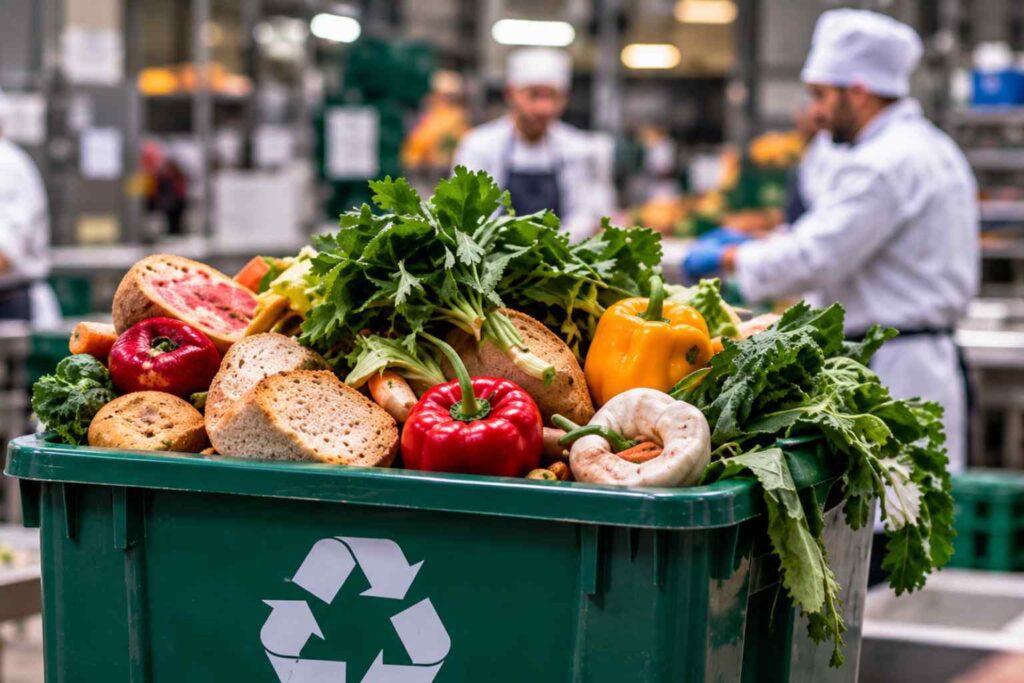
Rather than setting another target, BS ISO 20001 provides a management system businesses can use to plan, monitor, reduce and report food loss and waste. It covers the supply chain from farmers and manufacturers through to distributors, retailers and food service businesses. BSI’s explanation of the new food waste standard sets out how organisations can use it to measure progress and improve over time.
There is a straightforward commercial benefit too. Food that is purchased, transported, stored and then discarded carries a cost at every stage.
Within the Sustainability News for October 19th, this stands out because it gives businesses a clearer route from intention to action, with a consistent framework that can reduce waste, improve efficiency and support better decision-making.

£79 Million Puts Nature Recovery Closer to Communities
Communities across England are set to receive £79 million of government funding to restore nature and strengthen resilience to climate change. The package combines £53 million for urban and rural tree planting with a further £26 million to help mayors and local authorities deliver Local Nature Recovery Strategies.
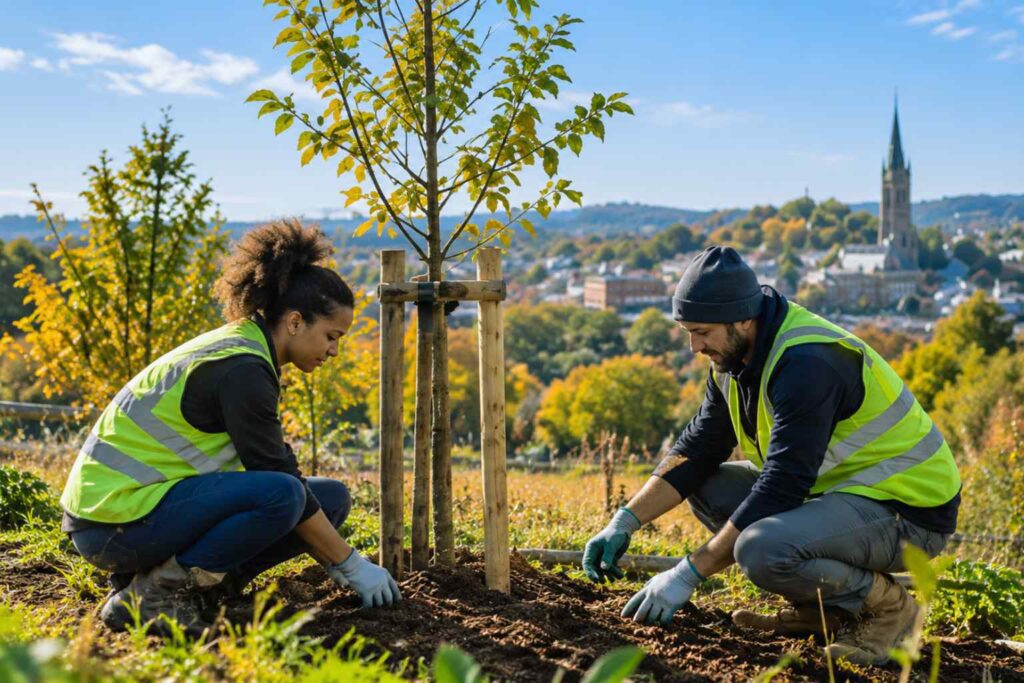
The Community Trees Fund will run from April 2027 to March 2030 and is expected to support the planting of up to 500,000 trees outside traditional woodlands. That includes streets, parks and rural landscapes, bringing more nature into places where people live and work. The Government’s details of the £79 million nature recovery investment also highlight the role trees can play in cooling urban areas and managing rainfall.
The remaining funding supports 48 responsible authorities delivering Local Nature Recovery Strategies across England, bringing communities together with farmers, businesses, planners and land managers.
For the Sustainability News for October 19th, the community element is especially encouraging. Local knowledge can help investment respond to the landscapes, people and risks actually present, while giving businesses a clearer route to support nature where they operate.
Sustainability News for October 19th: Wrap-Up
The Sustainability News for October 19th shows three different ways of turning ambition into useful action. Primark is creating long-term demand that can help textile recycling reach commercial scale. BS ISO 20001 gives businesses a clearer route to reducing food waste and unnecessary costs, while £79 million for nature recovery gives communities greater scope to shape improvements around local needs.
The lesson running through all three is that progress becomes easier when the systems around it improve too.
At Play It Green, we see the same principle across our community. Sustainability, nature repair and social impact become stronger when they are built into everyday decisions and create value for businesses, people and the places around them.