

Sustainability News for October 5th: Introduction
The Sustainability News for October 5th brings together three developments that build sustainability into systems that already shape everyday business and community life. From planning and nature recovery to local energy ownership and fleet repair, each story shows practical change moving closer to normal operations.
There is a clear business thread running through all three: Sustainability has a better chance of lasting when it improves certainty, resilience, efficiency or participation, because those benefits connect positive impact with decisions organisations already need to make.
For businesses, the Sustainability News for October 5th is therefore less about isolated environmental projects and more about how smarter systems can support commercial value. When sustainability strengthens infrastructure, reduces risk or creates better relationships with customers and communities, it becomes part of how organisations prepare for future growth.

Nature Restoration Fund Links New Homes with Wetland Recovery
A new approach to development in Norfolk could connect the construction of up to 15,780 homes with larger-scale restoration of rivers, wetlands and protected habitats. Natural England has published the first draft Environmental Delivery Plan under the Nature Restoration Fund, focusing initially on nutrient pollution affecting the Norfolk Broads and River Wensum.
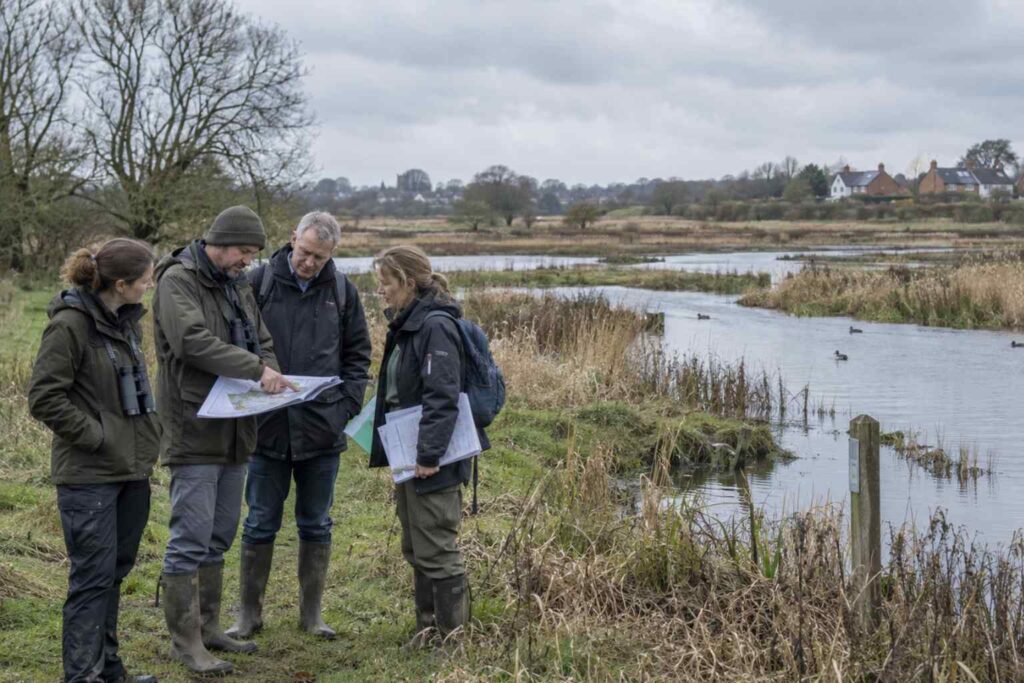
Under the proposed system, eligible developers could pay a nature restoration levy instead of arranging separate mitigation for the environmental impact covered by the plan. Natural England would pool those payments and use them for measures including river restoration, wetland creation, reedbed management, monitoring and maintenance.
The draft also creates opportunities for farmers, landowners and private organisations to help deliver restoration work, while levy funding would remain ringfenced for conservation measures in Norfolk. The plan is currently under consultation, so its final design may change before implementation.
For Sustainability News for October 5th, the interesting business angle is the attempt to give development greater certainty while directing environmental investment towards coordinated restoration at landscape scale. If the final plan delivers as intended, it could reduce fragmented mitigation and create a clearer route for growth alongside nature recovery.
Get In Touch£30 Million Community Energy Funding Puts Ownership Closer to Home
Great British Energy has launched £30 million of new support for community energy, giving local organisations and councils additional routes to develop clean energy projects that can retain more of their economic value within the communities where they operate.
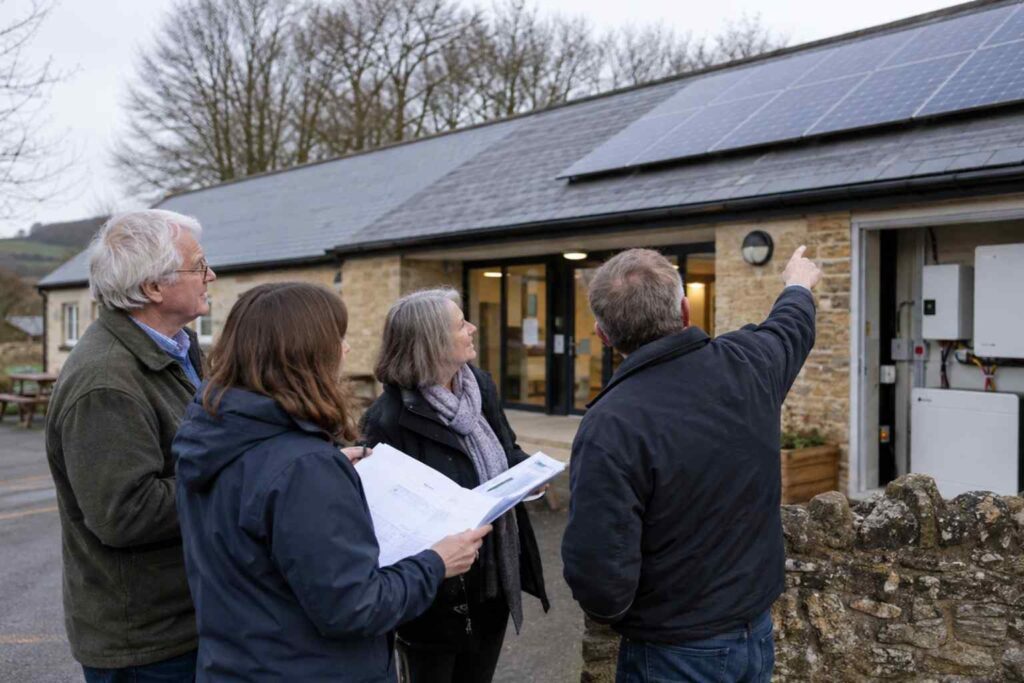
The package includes a £20 million Community Fund for organisations across England, Wales and Northern Ireland, alongside a new £5 million Partnerships Grant for English local authorities working with community energy groups. Further funding will support Scottish projects and advisory services for local organisations developing schemes.
Projects supported through the Community Fund must give the community a defined legal and financial interest, with an agreed share of the benefits retained locally. The wider Local Power Plan has committed up to £1 billion and aims to support more than 1,000 local and community-led energy projects, including solar, wind and hydro.
The business interest goes beyond renewable generation because ownership changes where value is created and retained. When communities have a financial stake as well as infrastructure nearby, investment can support local resilience, income and participation alongside cleaner electricity, while giving organisations another model for building stronger relationships around major projects.
Royal Mail Brings Circularity into Fleet Repairs
Royal Mail, The AA and vehicle recycler Trents are expanding the use of quality-assured recycled vehicle parts across accident repairs, adding another layer of sustainability to one of the UK’s largest electric delivery fleets.

The programme will initially use recycled original-equipment parts such as body panels, bumpers, lights and trims where appropriate. These components are inspected, graded and quality assured before use, while the initial focus remains on parts that are not safety-critical.
There is a straightforward operational argument alongside the environmental one, because recycled parts can improve availability during supply disruption, reduce vehicle downtime and help control repair costs. The initiative is also designed to reduce waste and the emissions associated with manufacturing and supplying replacement components.
For Sustainability News for October 5th, this is a useful example of how businesses can keep finding improvements after a major transition has already begun. Electrifying vehicles changes how a fleet is powered, while circular repair practices extend that thinking into maintenance, procurement and the useful life of the materials already within those vehicles.

Sustainability News for October 5th: Wrap-Up
For businesses, the bigger opportunity is using sustainability to make organisations more efficient and resilient. Better use of resources can lower costs, stronger supply chains can reduce disruption, and credible action can strengthen relationships with customers and commercial partners.
There is also a competitive advantage in understanding change before it becomes unavoidable. Businesses that recognise how regulation, resource availability, customer expectations and new technologies are developing can invest earlier, adapt more steadily and avoid the costs that often come with reacting late.
Commercial growth will increasingly depend on how well businesses manage risk, productivity, reputation and opportunity alongside environmental and social responsibilities. Sustainability therefore has a growing role in winning work, attracting people, protecting margins and keeping products and services relevant as markets change.
That is why Sustainability News for October 5th is ultimately about the future of business as much as sustainability itself. Companies that turn positive impact into better decisions and commercial value will be better positioned to grow as expectations and markets evolve.
Create Commercial Value with Play It Green
Play It Green helps businesses make sustainability practical, measurable and commercially sensible.
Our members learn through simple weekly education like this article on the Sustainability News for October 5th, reduce the business footprint with support and expert signposting, repair nature across land, coast and sea, and create social impact through our 10% revenue giveback to good causes.

That gives your business credible action you can share with employees, customers and other stakeholders, backed by transparent reporting and measurable impact.
If you want to cut costs, reduce risk, attract great people and build stronger customer loyalty through sustainability, including measurement and reduction, nature repair and social impact, speak to Play It Green.
Find Out More