

Sustainability News for August 3rd: Introduction
The Sustainability News for August 3rd brings energy security, ocean protection and waste-to-hydrogen technology into one unusually connected week.
Europe is considering a major electrification push that could reduce fossil fuel imports by €200bn. The UK has ratified the High Seas Treaty after helping shape the agreement. Hyundai has opened a South Korean facility that turns sewage sludge into hydrogen.
Across the Play It Green community, practical action like this carries more weight than polished promises. The Sustainability News for August 3rd reflects that approach, with policy, protection and engineering moving from discussion into delivery.

Electrifying Europe Could Save €200bn
A leaked European Commission draft sets out a stronger electrification plan for transport, buildings and industry through 2040. The proposal responds to Europe’s exposure to imported oil and gas, which leaves households and businesses vulnerable to price shocks.
Electricity still supplies less than one quarter of the EU’s final energy use. The share has barely changed during the past decade, leaving Europe behind several major Asian economies. The final 2040 electrification target remains unconfirmed, since the Commission’s document is still a draft.
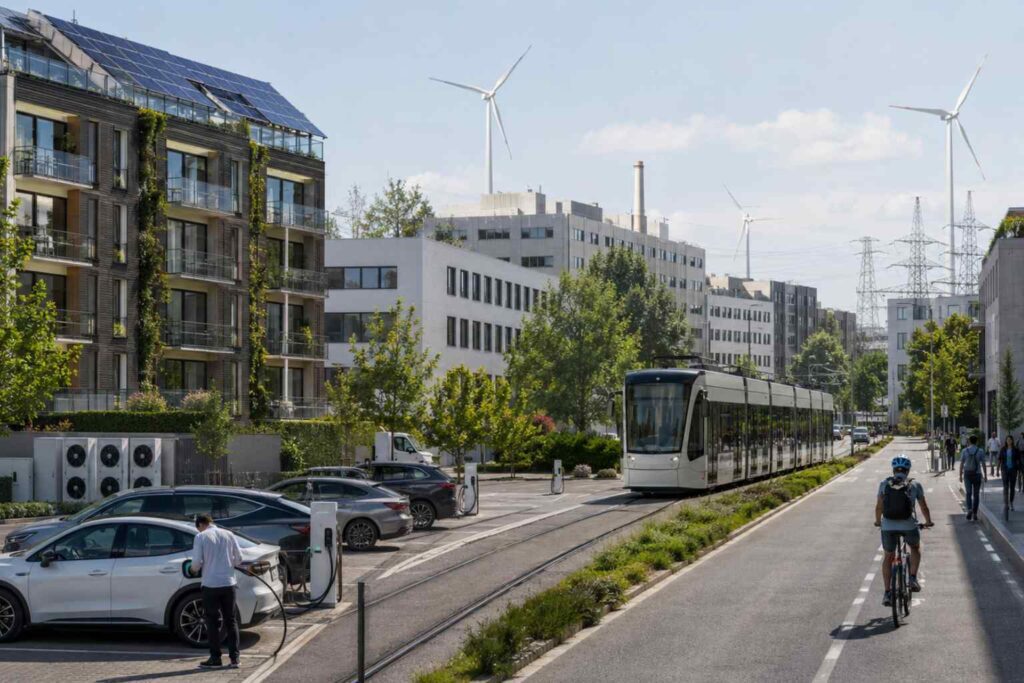
The draft estimates that deeper electrification could reduce fossil fuel imports by around €200bn. It could cut gas demand by roughly two-thirds and halve oil consumption by 2040. Europe would gain more control over energy costs, supply security and industrial planning.
In practice, that means more electric vehicles, heat pumps and electrically driven industrial equipment. Faster grid connections, new renewable capacity and simpler permitting would need to keep pace. High electricity prices and upfront costs remain serious barriers for households and smaller businesses.
The commercial case reaches beyond emissions. Less imported fuel means lower exposure to geopolitical disruption, price volatility and currency swings. The Sustainability News for August 3rd shows how electrification is an economic strategy with major environmental gains.
Get In TouchUK Ratifies Landmark High Seas Treaty
The UK has formally ratified the Biodiversity Beyond National Jurisdiction Agreement, commonly known as the High Seas Treaty. The ratification document was deposited with the United Nations on 10 July, completing the UK’s formal process.
Nearly two-thirds of the ocean lies beyond national jurisdictions. These waters support marine wildlife, fisheries, food security and climate resilience, yet no single country has responsibility for protecting them.
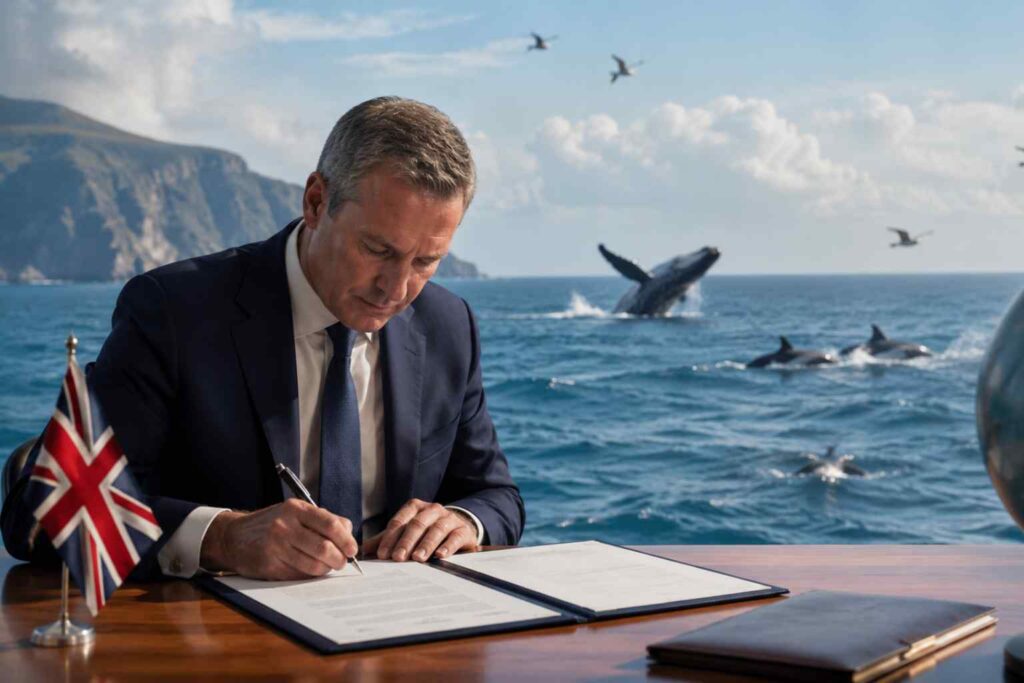
The agreement creates a legal route for establishing protected areas across international waters. It supports the global commitment to protect 30 per cent of land and sea by 2030. The treaty covers marine conservation, environmental assessments and the fair use of marine genetic resources.
Ratification is a significant step, though the harder work now begins. Protected status needs clear management, proper monitoring and firm enforcement. A designation alone cannot stop damaging activity or rebuild depleted ecosystems.
The UK helped shape the treaty and joined the first countries signing it in 2023. Its ratification now adds weight to international efforts protecting marine life beyond national borders.
For the Sustainability News for August 3rd, the wider lesson concerns shared responsibility as ocean systems ignore political boundaries. This means meaningful protection requires countries to cooperate and follow through.
Hyundai Turns Sewage Sludge into Hydrogen
Hyundai has completed a South Korean facility that produces hydrogen from sewage sludge generated during wastewater treatment. The HTWO Energy Cheongju plant sits beside the city’s public sewage treatment facility.
The process begins by breaking sludge down through anaerobic digestion, creating biogas. That biogas is cleaned into biomethane before reacting with steam to produce hydrogen. Carbon dioxide created during the process is captured and liquefied.
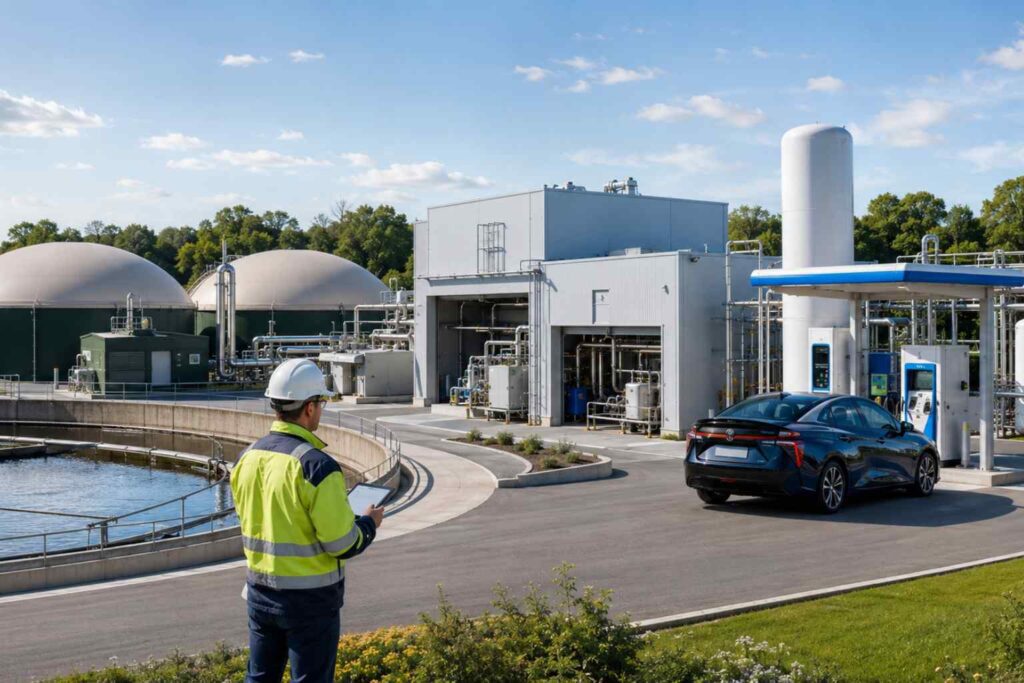
The plant can produce around 500 kilograms of hydrogen each day. That quantity could refuel around 100 Hyundai Nexo cars or 30 hydrogen buses. An on-site refuelling station will serve vehicles, with further hydrogen available for local industrial use.
Producing hydrogen where it will be used should reduce transport and storage costs. Hyundai plans to increase average production to two tonnes each day by 2030.
The project still produces carbon dioxide, so its full climate value depends on capture rates and final disposal. Hyundai has not yet explained what will happen to all the liquefied carbon dioxide.
That gap deserves attention, since credible innovation needs transparent data alongside strong engineering. This Sustainability News for August 3rd shows real promise, but it must be paired with a sensible need for scrutiny.

Sustainability News for August 3rd: Wrap-Up
The Sustainability News for August 3rd shows three different routes into more secure and responsible systems.
Europe is trying to reduce its exposure to imported fossil fuels, whilst the UK is backing stricter rules for protecting international waters and Hyundai is turning an unavoidable waste stream into a local energy source.
For the Play It Green community, the shared lesson is practical: Better systems can cut risk, protect natural resources and create lasting commercial value.
Progress becomes credible when policies include delivery plans, protection includes enforcement and innovation includes honest data. The Sustainability News for August 3rd gives us useful reasons for optimism, without pretending that announcements complete the job.
Every organisation can learn from that standard by reducing dependency, using resources better and measuring what follows.
If you enjoyed the Sustainability News for August 3rd, why not become part of a community creating positive change by partnering with Play It Green?
We help you reduce your footprint, repair the planet, and regive to social causes that matter, all through simple, measurable actions that fit your business.

Modern employees, consumers, and investors want to see impact, not promises. With Play It Green, your sustainability journey becomes visible, credible, and rewarding.
Join us today and turn good intentions into lasting results.
Sign Up