

Sustainability News for July 6th: Introduction
The Sustainability News for July 6th brings together farming, cleaner shipping and safer streets, with three stories showing practical progress in action.
This week starts with a new farming scheme designed to back soil health, wildlife and food security. We then look at MSC Cruises reaching a major carbon-intensity target ahead of schedule, before moving closer to home with new funding for walking, wheeling, and cycling routes.
A simple thread runs through all three stories, linking policy, investment and delivery with choices people can make in daily life. When those pieces line up, lower-impact options become easier to trust, easier to use and more likely to last.

Defra Announces £290m Sustainable Farming Incentive
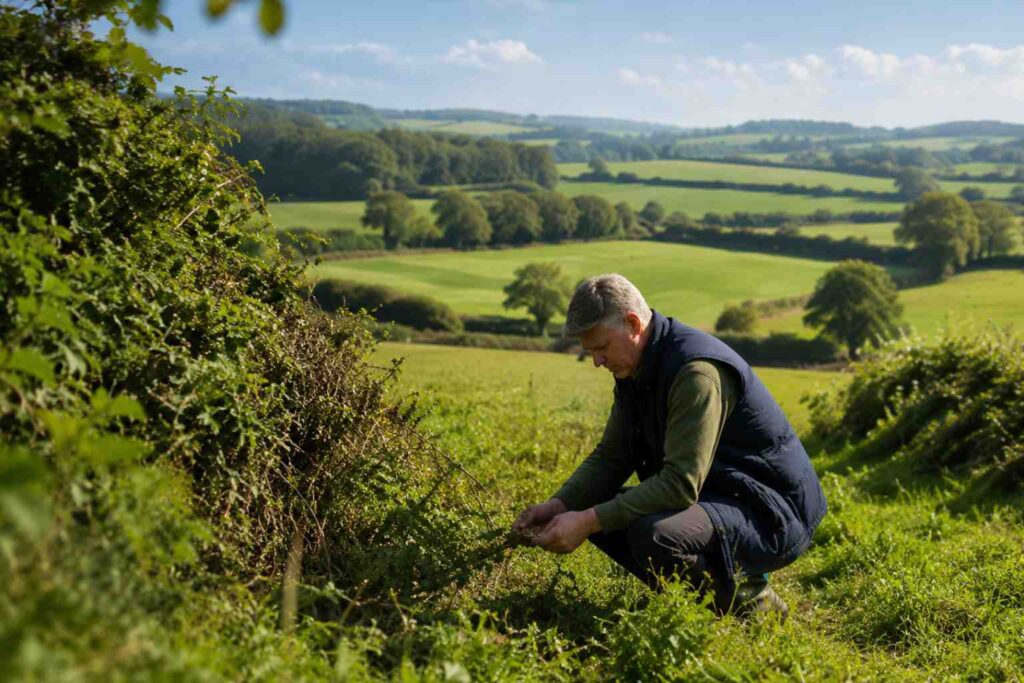
Defra has confirmed that the new Sustainable Farming Incentive, known as SFI26, will open for applications from 30 June 2026. The first window is for small farms and farms without an existing Environmental Land Management revenue agreement. A wider window for all farmers and land managers will open in September.
The scheme includes £240m for new agreements, with at least £50m available for new Countryside Stewardship Higher Tier agreements this year. It will pay farmers for work that supports soil health, wildlife, water quality and farm resilience. Cutting synthetic fertiliser use is part of that shift, helping soils recover and reducing run-off into rivers and streams.
The redesign follows heavy criticism of the previous scheme, after the application portal closed without notice when the budget was reached. SFI26 brings a £100,000 annual agreement cap, one agreement per farm business and clearer limits on land added after year one.
This story in the Sustainability News for July 6th is important as farming sits at the heart of food security, climate resilience and nature recovery. Fairer access to funding gives more farms a route into action, which is better for land, wildlife and long-term food production.
Get In TouchMSC Cruises Hits 2030 Carbon Target Four Years Early
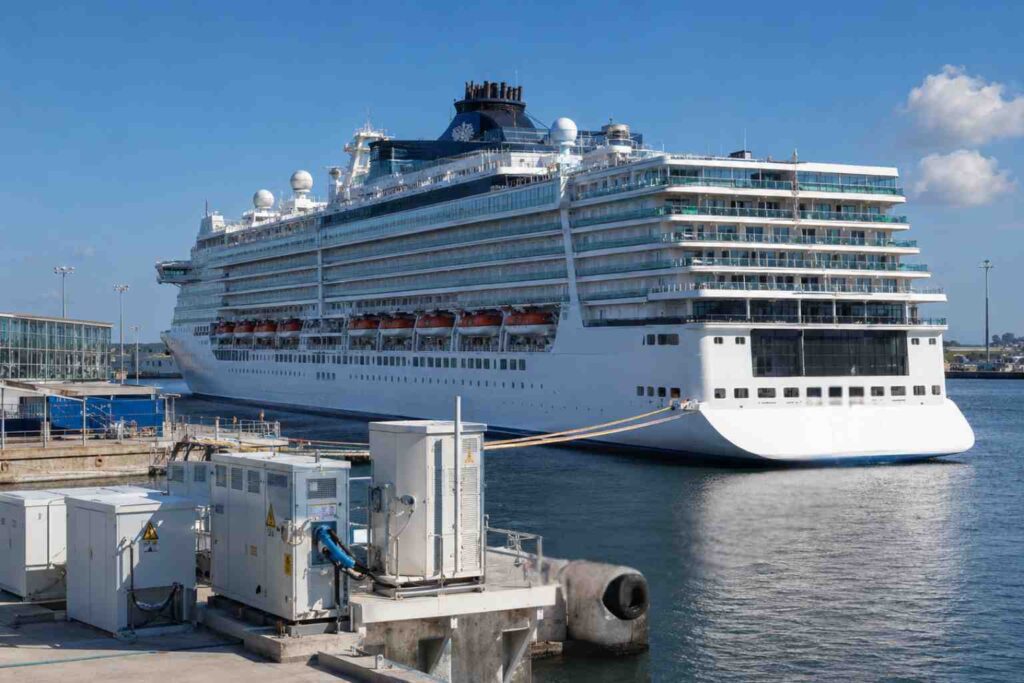
MSC Cruises has reported that it has reached the International Maritime Organisation’s 2030 carbon intensity reduction target four years early. The IMO target asks international shipping to cut carbon intensity by at least 40 per cent compared with a 2008 baseline.
The company says the result came from fleet renewal and changes to day-to-day operations. In 2025, MSC World America entered service as part of its LNG dual-fuel fleet. MSC Cruises recorded 217 shore-side electricity connections across its fleet and used more than 9,800 tonnes of renewable fuels.
The business has widened emissions measurement across its value chain for the first time. That includes shipbuilding, dry-dock activity, logistics, food buying and waste. This fuller picture makes the reporting more useful, as cruise emissions sit across ports, suppliers, fuel, food and operations.
This is a great story when it comes to the Sustainability News for July 6th but, cruise travel still carries a large footprint, so nobody should get carried away with it. Yet it is a useful sign of movement as cleaner fuels, shore-side electricity and better route planning can cut intensity when they work together.
Government Pledges £4.5bn for Cycling and Walking Routes
The UK Government has pledged more than £4.5bn for active travel over the next five years. Working with Active Travel England and local authorities, the plan aims to create 5,000 new walking, wheeling and cycling routes, plus 10,000 safer crossings by 2030.
The strategy sets a target for 55 per cent of short trips in towns and cities to be made by walking, wheeling or cycling by 2035. It extends to schools too, with an aim for 60 per cent of children aged 5 to 16 to travel actively by the same year.
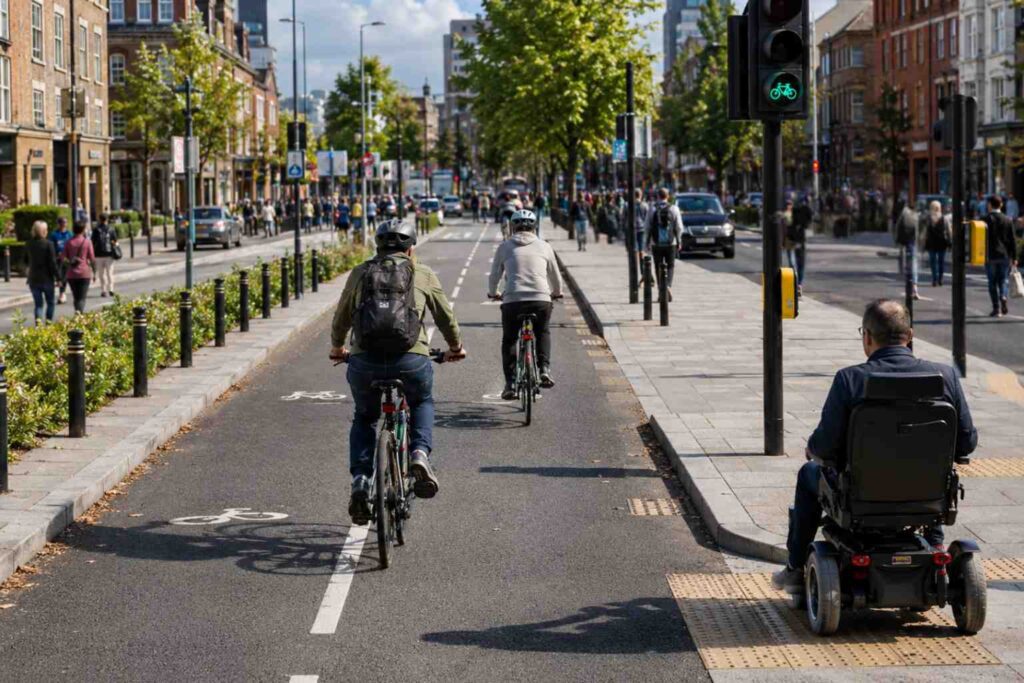
The benefits reach far beyond carbon. Safer active travel can cut congestion, improve air quality, support local high streets and help people build movement into normal routines. It can save households money too, especially where short car use becomes safer local trips.
Delivery will decide whether the funding changes behaviour, as painted lanes that disappear at difficult junctions will not persuade many people to walk, wheel or cycle more often. Safe, joined-up routes can make active travel feel normal, practical and far less like a brave quest with a helmet.

Sustainability News for July 6th: Wrap-Up
The Sustainability News for July 6th shows how progress becomes useful when it fits real life. Farmers need fair funding to care for land and produce food. Shipping needs cleaner fuels, better data and port infrastructure, and people need safer streets before active travel feels like a proper option.
For the Play It Green community, this reflects the work we see every week from businesses trying to make sustainability practical and trusted. Progress works best when people can see the action, trust the outcome and connect it to daily decisions.
Clearer systems, fairer choices and practical action can help people, planet and business move in the right direction.
If you enjoyed the Sustainability News for July 6th, why not become part of a community creating positive change by partnering with Play It Green?
We help you reduce your footprint, repair the planet, and regive to social causes that matter, all through simple, measurable actions that fit your business.

Modern employees, consumers, and investors want to see impact, not promises. With Play It Green, your sustainability journey becomes visible, credible, and rewarding.
Join us today and turn good intentions into lasting results.
Sign Up