
Nature Repair Report for July 2025: Introduction
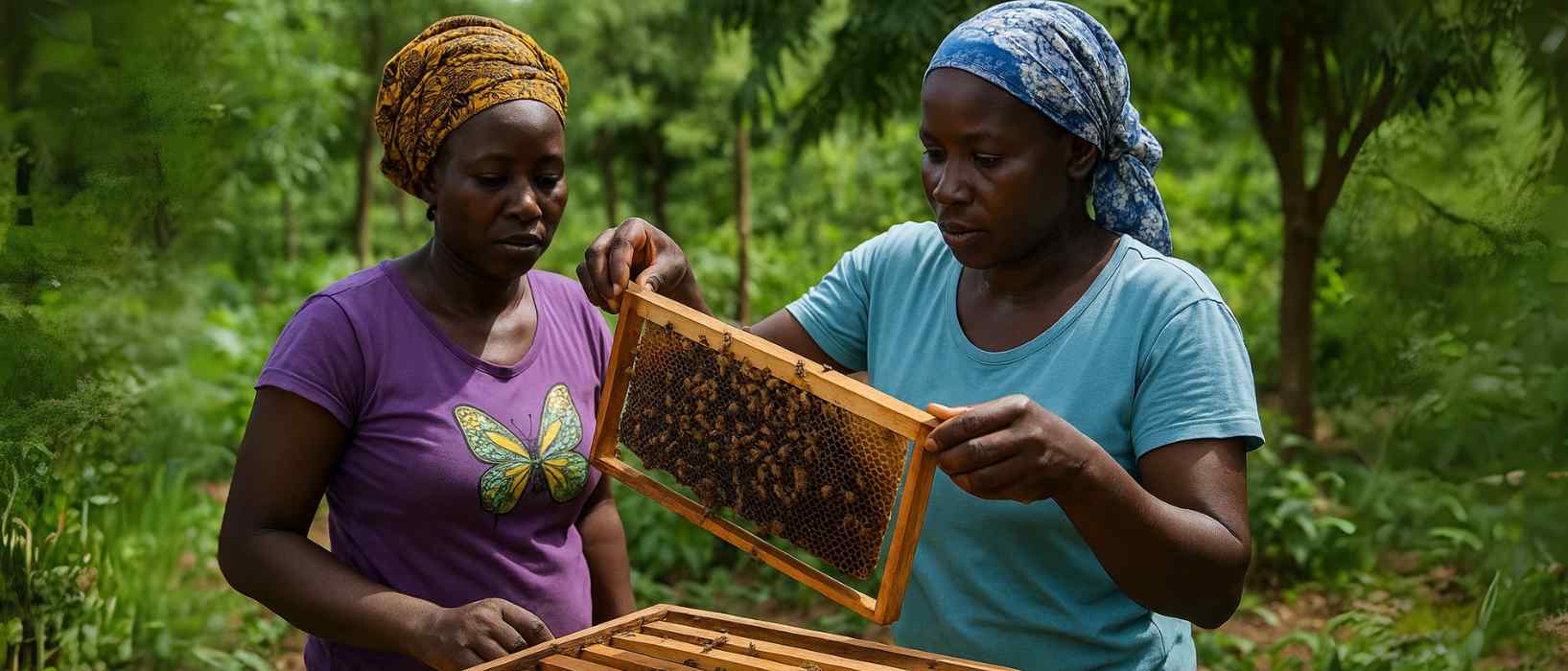
Welcome to the Nature Repair Report for July 2025, where we shine a light on the impact of agroforestry in Kédougou and Dakately, Senegal. With the support of the Play It Green community, thousands of farming families are restoring the land, increasing food and income security, and building a more resilient future.
These are not short-term projects. Every tree planted is part of a bigger system of environmental repair and social uplift. With veritree as our trusted partner, each planting is tracked and verified. We know where it is, who planted it, what they earned, and how it’s performing. From satellite imagery to community data and blockchain verification, your impact is real and visible.

Restoring Degraded Land and Recharging Water
Years of peanut monoculture and poor land management left huge areas of Senegal dry and infertile. Traditional fallow systems disappeared, soil degraded, and erosion worsened. Agroforestry, especially through Farmer-Managed Natural Regeneration (FMNR), is reversing that trend.
By reintroducing native trees like Faidherbia albida into farmland, farmers are rebuilding soil fertility. These trees fix nitrogen naturally, enrich organic matter, and reduce erosion. Their roots stabilise the soil. Their leaves fall, mulch the surface, and add nutrients.
Agroforestry also improves water systems. Trees help rainwater soak into the ground rather than running off. They keep soils moist, regulate temperature, and create cooler, more stable growing conditions for crops and livestock. As tree cover increases, biodiversity returns, supporting pollinators, birds, and insects essential to healthy farms.
Boosting Harvests and Food Security
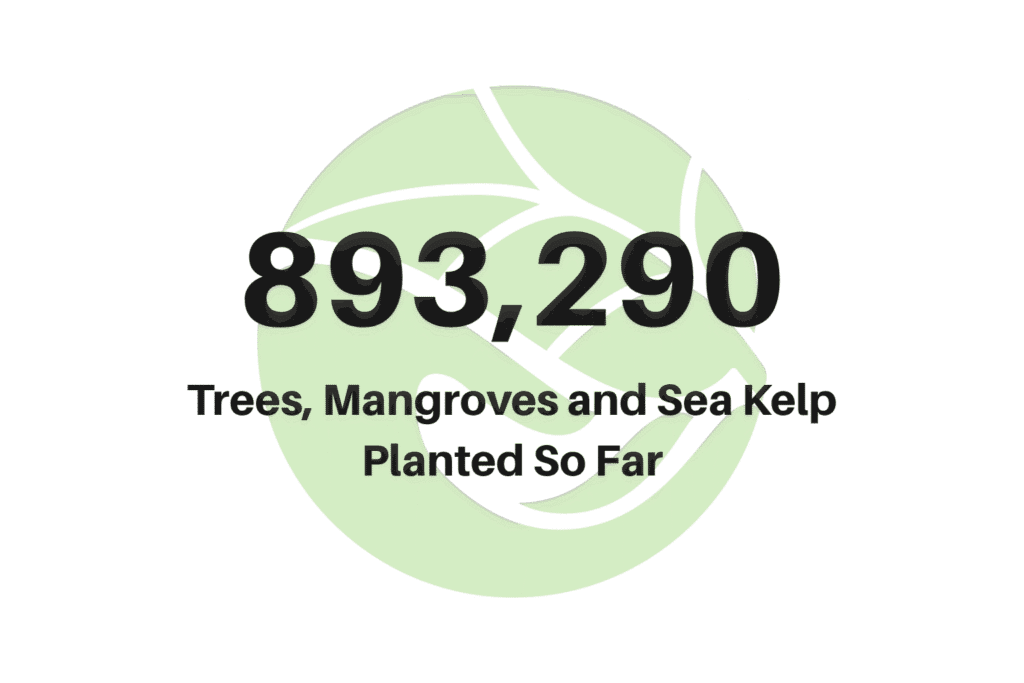
The change in productivity is clear. In regions using FMNR and agroforestry techniques, cereal yields have jumped from 296 to 767 kilograms per hectare. That’s a 2.5 times increase, delivering more food to families and creating stability during unpredictable growing seasons.
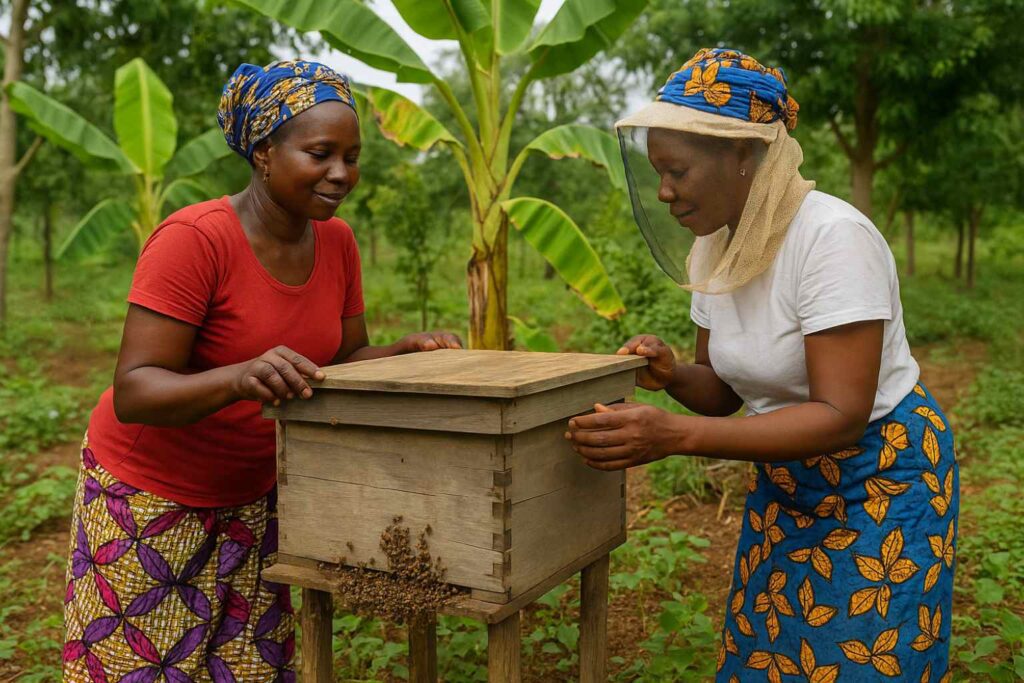
But agroforestry doesn’t just mean more grain. Farmers are now growing mangoes, citrus, guava, jatropha and Balanites. These trees offer food, oil, and honey. Some families report earning an extra CFA100,000 to 200,000 each year by selling these products. The money helps cover school fees, medical care, seeds, tools, and savings.
These crops also fill the hunger gap. When cereals run low, fruit and nuts provide essential vitamins and calories. That diet diversity helps families avoid hunger, especially during lean months.
Women Driving Change
Agroforestry creates space for economic independence. In Kédougou and Dakately, many of the most successful farmers are women. Through access to land, training, and markets, they’re running nurseries, forming cooperatives, and growing high-value crops.
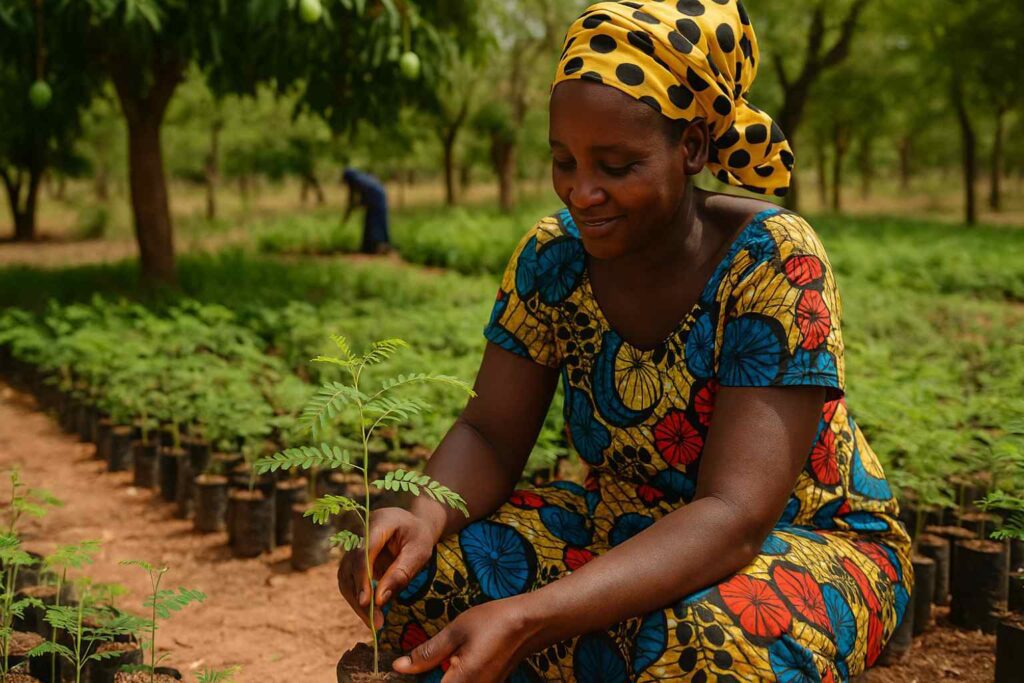
Income from honey, fruits, and vegetables gives women financial security and the chance to invest in their children’s futures. The ripple effects are profound. More girls stay in school. More families eat well. Local economies strengthen from the ground up.
Community leadership plays a huge role. Projects are supported by local conventions and resource management groups. Women and elders guide planting decisions, blending traditional knowledge with sustainable practices.
Get In TouchA Scalable, Sustainable System
What makes this work is its simplicity. FMNR is low-cost, low-input, and easy to replicate. Families don’t need chemicals or expensive tools. They need knowledge, training, and support, all of which Play It Green helps fund.
Radio broadcasts, peer-to-peer learning and farmer-led groups help spread best practices across communities. As more farmers join, restored land connects to restored land. Over time, an entire landscape begins to recover.
At the time of writing, more than 200,000 agroforestry trees have been planted, 1000s hectares of land have been restored, and 100s of families are involved in agroforestry across our supported projects. All of it is monitored through veritree’s technology to ensure long-term success.

Nature Repair Report for July 2025: Wrap-Up
This Nature Repair Report for July 2025 is a story of recovery, for the soil, for biodiversity, and for the families who rely on both. Agroforestry is turning degraded land into productive farms, helping people grow more food, earn more income, and adapt to a changing climate.
It’s also proof that nature repair can be rooted in culture, science, and local leadership all at once. Thanks to Play It Green members, thousands of people now have a reason to hope, and the tools to build something better.
Together, we are restoring balance to ecosystems and equity to communities.
Let’s keep growing what matters.
Support People and Planet (and reduce your footprint)!
If you liked the Nature Repair Report for July 2025, why not repair the planet yourself, by partnering up with Play It Green?
Whether it’s adding nature repair to your sales process, engaging and educating employees, or strengthening your environmental credentials, the tools and support are there to make it simple and cost effective.
Because, why make it hard!
Sign Up