
Nature Repair Report June 2026: Introduction
The Nature Repair Report June 2026 looks at verified repair across land, coast and sea, with people built into the story from the start.
June gives us a useful moment to connect the dots, with World Environment Day, World Ocean Day and World Rainforest Day sitting close together. It also helps move the conversation away from single planting claims and into a fuller view of nature repair.
The Play It Green community funds work linked to soil, coastlines, marine habitats and local people. Farms, forests, mangroves and oceans all depend on each other, so repair has to respect those links rather than treat each project as a separate box.

Our Total Impact
Before we look at land, coast and sea, the Nature Repair Report June 2026 opens with the bigger picture. An impact infographic will give members a clear snapshot of the repair work they have helped fund, from trees and mangroves to sea-based restoration and community benefit.
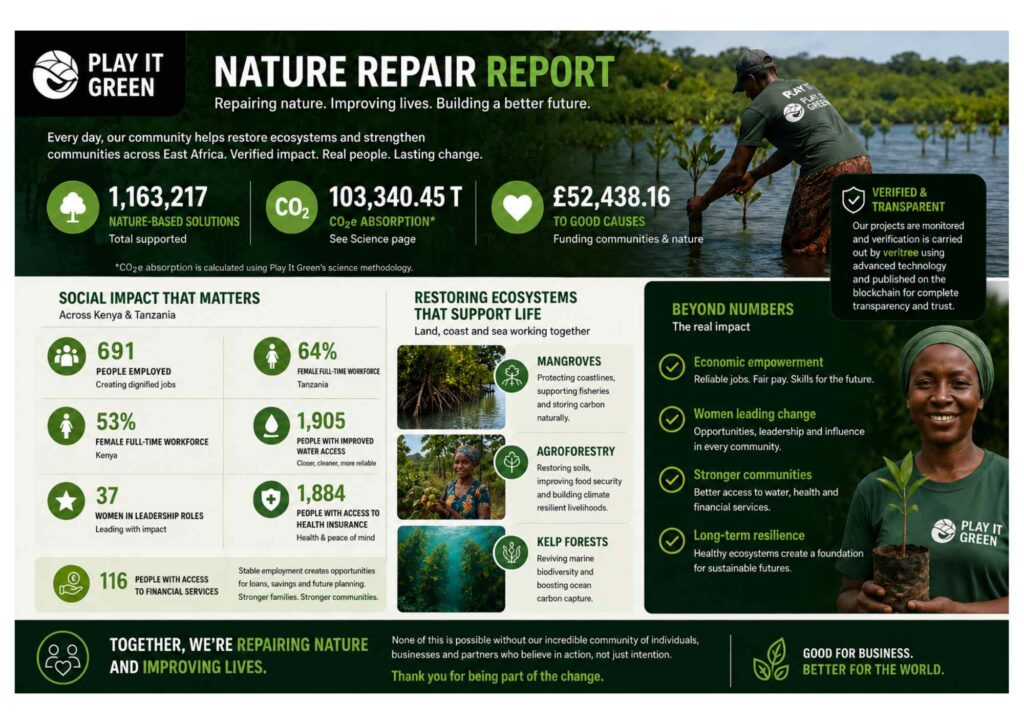
This impact belongs to the Play It Green community. Every member, customer and partner has helped turn steady monthly action into verified nature repair that reaches across soil, shorelines and marine habitats, while supporting people who live closest to the projects.
Get In TouchLand: Food, Soil and Community Benefit
Land repair can sound dry, especially once the subject turns to soil health and farming systems. Few people are winning dinner parties by talking about microbial activity, unless the guest list has been chosen with real care.
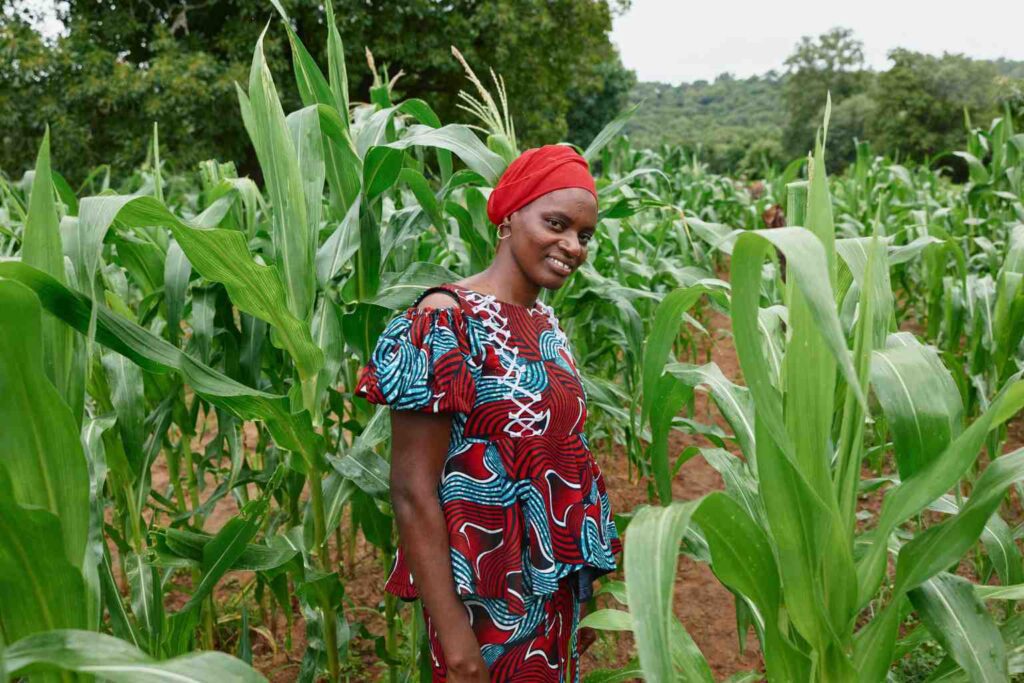
In Senegal, agroforestry helps restore degraded land through mixed planting, bringing trees back into farming areas in a practical way. That gives soil, crops and local food systems a better chance to recover together over time.
For local families, the benefits can include more food choices, steadier growing conditions and more varied income routes. The work links environmental recovery with food scarcity reduction, education, income and wider social progress.
The pace cannot be forced. Trees need care, soil needs time, and communities need a real role in the work if the benefits are meant to last.
Coast: Mangroves, Jobs and Protection
Coastal ecosystems carry a huge load for people and nature. Mangroves protect shorelines, support fish nurseries and store carbon in rich coastal soils, all at the same time. They are nature’s multi-tool.
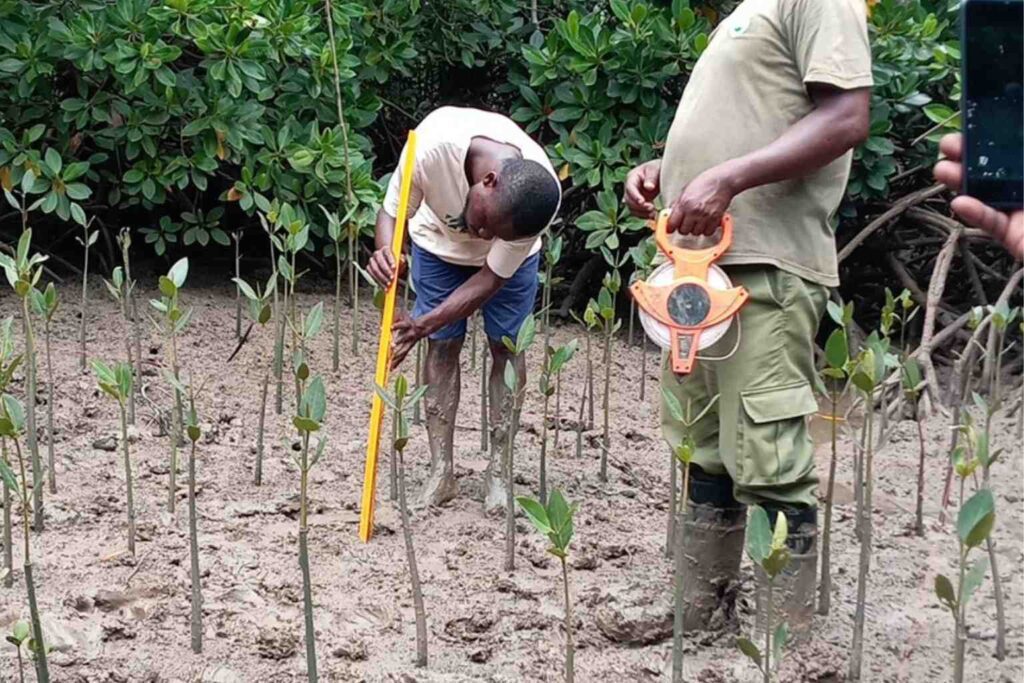
Across East African coastal projects, mangrove restoration helps repair habitats used for food, work and protection. As mangroves return, fish populations have a better chance of recovery, and shorelines gain a natural buffer from erosion and storms.
The human side sits close to the environmental gain as restoration creates paid work, training and leadership routes, with women playing a major part across nursery and planting activity.
That connection between nature and dignity should never be treated as a background detail. Healthy coastlines can protect communities, support income and create local value that carries on long after the planting day.

Sea: Kelp and Blue Nature Repair
The sea is often missing from business sustainability conversations, which makes little sense. Oceans help regulate climate, support food systems and hold huge biodiversity value, so climate action cannot stop at the water’s edge.
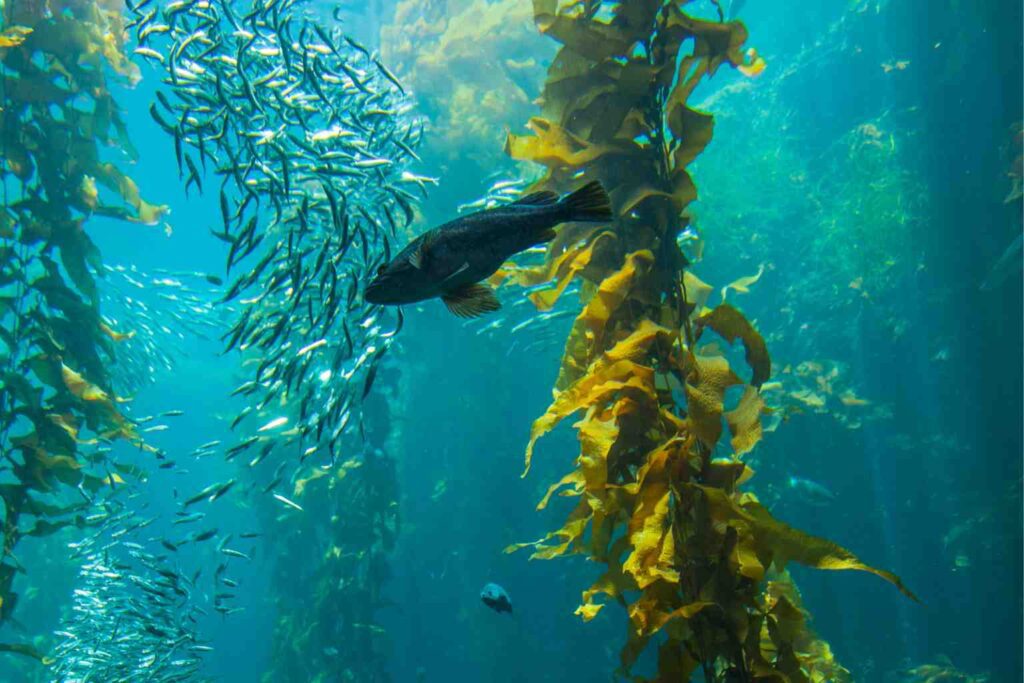
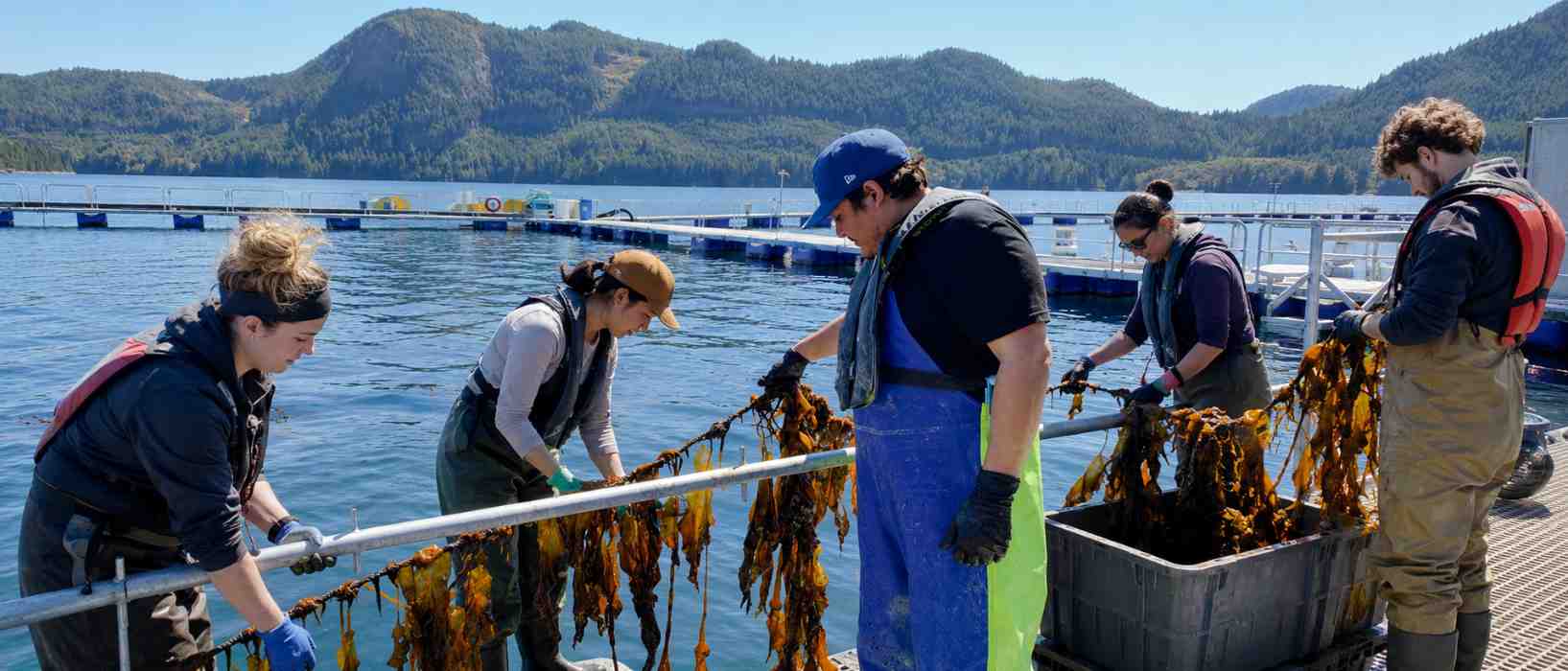
Sea-based repair has included kelp restoration in Canada, where kelp forests support marine life, provide shelter and help rebuild underwater habitats. They can grow quickly, support coastal fisheries and add another layer to nature repair.
Land projects, coastal projects and sea-based projects all have a part to play, since the ocean is tied to the same climate and biodiversity systems businesses rely on every day.
Kelp repair helps move the story beyond tree counts alone. Trees matter, of course, yet nature repair should never become a race for the biggest number.
The better test is whether the right species are used, whether local people are involved, whether habitats are recovering, and whether the data is being checked over time.
Proof: Keeping Nature Repair Honest
Nature repair needs trust, or the sector gets dragged into vague claims and shiny badges, and nobody needs more of that.
Project data is monitored and reported through restoration partners, using site-level evidence, tracking and reporting that shows what has been delivered, which gives businesses a stronger base for honest communication.
Teams need to know their contribution is real, customers need claims they can trust, and leaders need impact they can stand behind without crossing their fingers.
Verification does not make nature repair perfect, since nature is alive and projects face weather, survival rates, local pressure and long timelines, but honest reporting should show the hard parts, not hide them.
The point is to show what has been funded, what has been delivered and how the work is monitored over time…That is how nature repair stays grounded.
Nature Repair Report June 2026: Wrap-Up
The Nature Repair Report June 2026 brings land, coast and sea into one story. Healthy soil supports food and income, mangroves protect coastlines and create work, and kelp helps repair marine habitats.
The Play It Green community makes this progress possible through steady, practical action. Every member helps fund repair work that reaches beyond a planting claim and supports real people alongside nature.
Real sustainability is built through repeated action, trusted partners and honest reporting. So this month, we celebrate the people and businesses helping repair land, coast and sea, and the shared progress they are helping create.
If you enjoyed the Nature Repair Report June 2026, why not become part of a community creating positive change every day by joining Play It Green?
We help you reduce your footprint, repair the planet, and regive to social causes that matter, all through simple, measurable actions that fit your business.

Everyone wants to see impact, not promises. With Play It Green, your sustainability journey becomes visible, credible, and rewarding.
Join us today and turn good intentions into lasting results.
Sign Up