
Nature Repair Report Introduction
When people talk about nature repair, they often focus on the moment something is placed in the ground, but in reality, that moment is only the beginning.
Nature repair works through cascading recovery, which means that when ecosystems are given the chance to regenerate, small changes start a chain reaction.
Insects return first, followed by birds and wildlife, the soil begins to recover and coastal waters become nurseries for fish again.
Best of all, the communities that rely on these ecosystems begin to see the benefits.
At Play It Green, our projects are designed with that longer view in mind.
Planting trees, mangroves and sea kelp is not the end of the story, but rather it is the starting point for rebuilding ecosystems that support both nature and people.
Across our restoration work, Play It Green has now supported the planting of more than 1,000,000 trees, mangroves and sea kelp.
This includes over 400,000 mangroves planted in Madagascar during our early partnership with Eden Reforestation Projects, alongside our current restoration projects in Kenya, Tanzania, Senegal and Canada with Veritree and local partners.
The Roots of Our Nature Repair Work
Play It Green’s nature repair journey began with large-scale mangrove planting in Madagascar with Eden Reforestation Projects.
More than 400,000 mangroves were planted, helping restore coastal ecosystems that had been heavily degraded.
Mangroves are among the most valuable ecosystems on Earth; they stabilise coastlines, protect communities from storm surges and create nursery habitats for fish and marine life.
This early work demonstrated something powerful: when mangroves return, the surrounding ecosystem begins to recover as well.
Fish populations increase, biodiversity improves, and communities regain important food and income sources.

Restoring Coastal Ecosystems in East Africa
Our mangrove restoration work now focuses on coastal regions in Kenya and Tanzania, where communities depend on healthy marine ecosystems.
Mangrove forests across East Africa have suffered from overharvesting, coastal development and environmental change. Restoring them helps rebuild the ecological foundation of these coastlines.
Mangroves act as barriers against erosion and flooding, and their root systems trap sediment, creating sheltered habitats where fish and crustaceans grow. As these underwater nurseries recover, local fisheries often improve, strengthening food security for coastal communities.
In January this year, Play It Green expanded this work by launching a new mangrove restoration project in Tanzania, extending our impact along the East African coastline.
These projects also provide employment opportunities for local communities involved in nursery work, planting and stewardship of restored areas.
Rebuilding Soil and Food Systems in Senegal
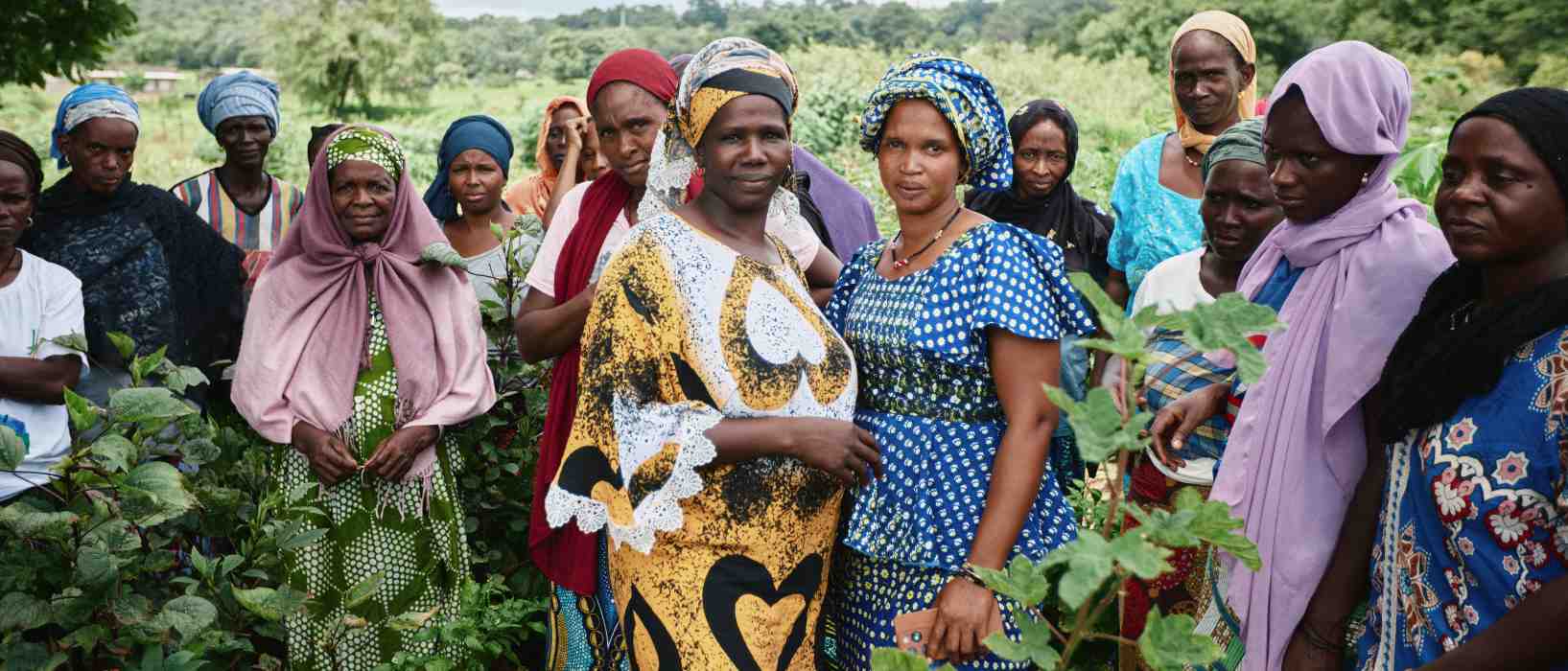
In Kédougou, Senegal, our work focuses on agroforestry.
For many farming families in the region, land degradation and monocropping have made it harder to maintain reliable harvests. Agroforestry offers a different approach by integrating fruit trees into farmland.
Planting species such as mango, cashew and guava improves soil health, restores biodiversity and diversifies food production.
Over time, these trees provide both nutrition and income for farmers while helping stabilise the surrounding landscape.
Healthier soils support insects and wildlife, strengthening the resilience of the ecosystem as a whole.
Get In TouchRegenerating Ocean Forests in Canada
Nature repair is not limited to land.
Off the coast of British Columbia in Canada, Play It Green supports sea kelp restoration projects designed to rebuild underwater forests.
Kelp ecosystems are vital marine habitats. They provide shelter and food for species such as Pacific herring, salmon, abalone and sea urchins, forming the foundation of complex ocean food webs.
Restoring kelp forests strengthens marine biodiversity while improving coastal resilience. These underwater canopies absorb carbon, support fisheries, and protect shorelines from storm impacts.
The project works closely with Indigenous communities and local partners, recognising the ecological and cultural importance of healthy ocean ecosystems.
Signs of Ecosystems Recovering
One of the most encouraging signs of successful restoration is the return of wildlife.
Monitoring from restoration areas has detected multiple bird species, including birds of prey and migratory species that depend on healthy ecosystems.
These signals matter because birds often return after insects and plant life begin to recover, making them a useful indicator that ecosystems are stabilising.
It is a reminder that nature repair works gradually but powerfully and when the right conditions are restored, ecosystems begin rebuilding themselves.

Our Collective Impact
Across all projects, Play It Green’s restoration work is helping rebuild ecosystems while supporting communities in Kenya, Senegal, Tanzania and Canada.
These projects have created thousands of paid workdays, providing stable income for people growing seedlings, planting mangroves, restoring kelp forests and caring for ecosystems long after planting.
That income helps reduce food scarcity, gives many workers access to banking for the first time, and supports health insurance and safer working conditions through project partners.
It also allows families to keep children in school and invest in education, creating opportunities that were previously out of reach.
Nature repair does not end when something is planted; that moment is where recovery begins. Insects return, birds follow, fish populations rebuild, and soils regain strength.
Then, the communities that depend on these ecosystems begin to see the benefits.
Each tree, mangrove and strand of kelp starts it, and when repeated thousands of times across the world, those small beginnings grow into stronger ecosystems and stronger communities.
If you enjoyed our nature repair report, why not become part of a community helping create the positive impact covered in this report?
You will also receive access to all our content in a weekly newsletter, and we’ll help you reduce your footprint, repair the planet, and regive to social causes that matter, all through simple, measurable actions that fit your business.

Modern employees, consumers, and investors want to see impact, not promises. With Play It Green, your sustainability journey becomes visible, credible, and rewarding.
Join us today and turn good intentions into lasting results.
Sign Up