
Nature Repair Report November 2026: Introduction
Welcome to the Nature Repair Report November 2026.
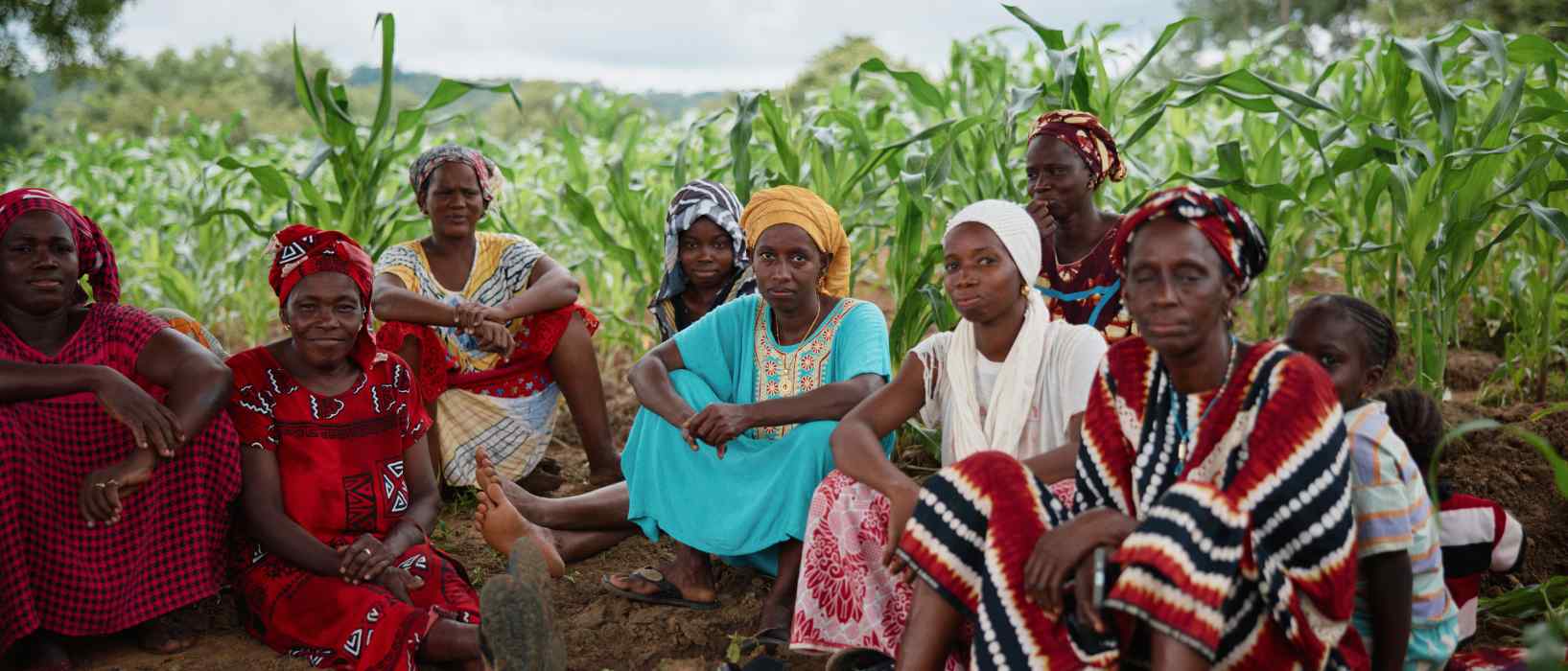
When we talk about nature repair, we often start with the number of trees planted, mangroves restored or kelp plants growing beneath the ocean. These figures help us understand the scale of restoration, but they reveal less about the people making it possible. Behind every project are nursery workers, planting teams and local communities whose knowledge and hard work help damaged ecosystems recover.
For November’s Nature Repair Report, we’re focusing on Victor Mwanga, founder and CEO of EarthLungs, who has spent four years helping deliver restoration across East Africa. His story explores the people behind nature repair, the employment opportunities created and why community involvement is important to the future of these landscapes.

Four Years of Restoration in East Africa
In a recent film, Victor reflects on four years of restoration work involving millions of trees planted and thousands of jobs created across the wider EarthLungs programme.
Those figures demonstrate the scale of the operation, although the work behind them is equally interesting. Nursery teams grow seedlings, planting crews prepare the land, and local workers help maintain restoration sites and monitor progress. Each stage requires different skills, from understanding seasonal conditions to identifying suitable planting locations.
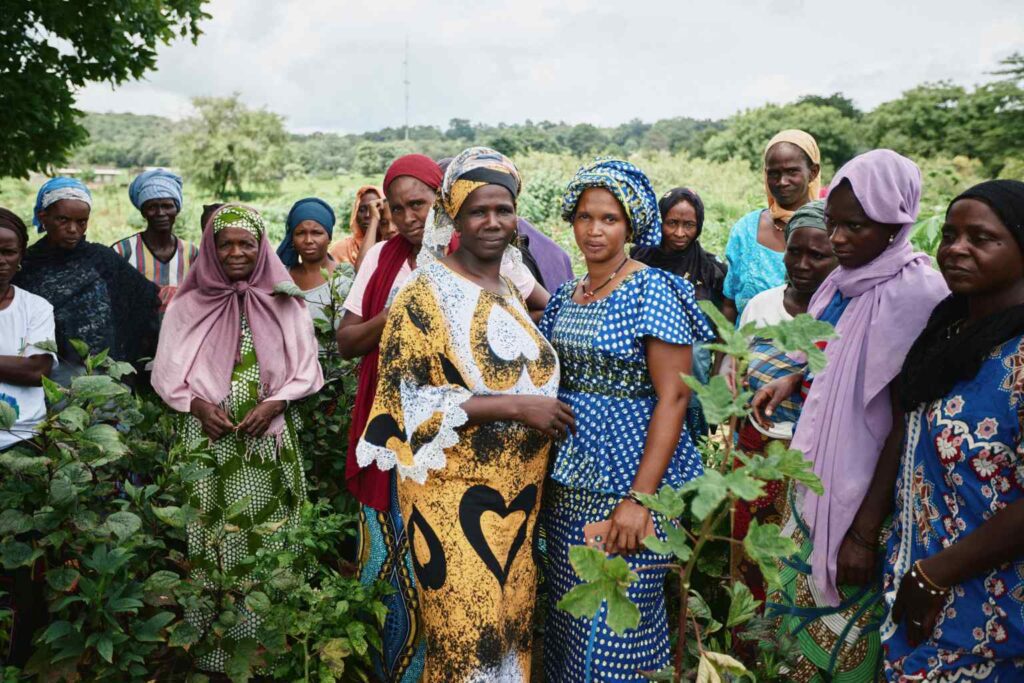
For communities where reliable employment can be difficult to find, restoration can provide income while helping people develop practical skills in nursery management, planting and environmental monitoring.
Victor’s experience also highlights the importance of continued involvement. Planting creates an immediate need for workers, while caring for recovering landscapes can require people to remain involved for years afterwards.
Watch Victor’s Story
Why Local Knowledge Makes a Difference
Successful restoration depends on understanding the environment being repaired, and people who live and work in these landscapes often hold valuable knowledge developed through years of experience.
Farmers understand local rainfall patterns, soil conditions and how land responds to changing seasons. Combining that experience with ecological research can help restoration teams make better decisions about species selection, planting locations and ongoing management.
A 2025 review of 91 studies found that greater community participation in restoration was associated with improved social outcomes, particularly where projects recognised local knowledge, land rights and economic opportunities.
However, the researchers did not establish that greater participation automatically produced better ecological outcomes. Appropriate species, suitable conditions and long-term monitoring remain essential.
For projects such as those led by Victor, bringing these elements together creates opportunities to support communities while helping damaged ecosystems recover.

Employment and Community Wellbeing
The employment created through restoration can have benefits extending beyond the people directly involved.
Income from nursery work, planting, maintenance and monitoring may help households afford food, education, healthcare and other essentials. Opportunities to develop skills can also support future employment, particularly where programmes operate over several years.
Women’s participation and access to leadership roles are important considerations too. Across Play It Green’s previously reported Kenyan restoration work, we’ve shared information about female employment, leadership opportunities and access to services, helping members understand the wider social contribution of the projects they support.
However, job numbers alone cannot demonstrate the quality or lasting impact of employment. Fair pay, working conditions and the duration of opportunities all influence the benefits experienced by local communities.
Victor’s story helps bring these considerations into focus, giving greater recognition to the people behind the environmental work.
What This Means for Play It Green Members
The nature repair report November 2026 shows that the people behind nature repair are central to the restoration our members help fund.
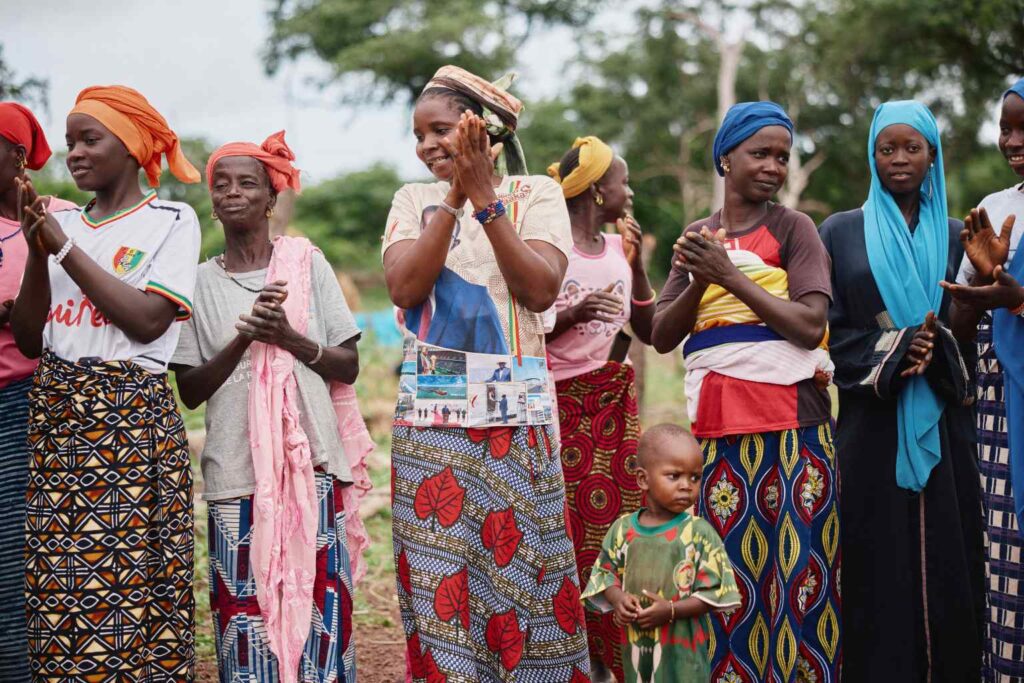
In Senegal, agroforestry combines trees with agricultural production, supporting opportunities for improved soil conditions, food production and local livelihoods. In Kenya and Tanzania, restoration work supports coastal and terrestrial ecosystems where community involvement and continued care are important. Whilst in Canada, kelp restoration provides work and community knowledge sharing for the Sechelt First Nations
As Play It Green approaches 1.3 million plants funded, we want to keep explaining the work behind those figures, including the people involved, the evidence available and the longer-term outcomes being monitored.
Nature Repair Report November 2026: Our Thoughts
As part of our nature repair report November 2026, Victor’s story highlights the dedication, knowledge and teamwork involved in restoring damaged ecosystems, alongside the opportunities nature repair can create for employment, skills development and community wellbeing.
For Play It Green, recognising these contributions is part of transparent impact reporting. We want our members to understand the restoration they help fund, the people involved and the importance of continued monitoring.
By supporting verified nature repair alongside efforts to reduce environmental footprints, our community is helping make long-term restoration possible while recognising the people whose skills and commitment sustain it.