
Nature Repair Report October 2026: Introduction
The Nature Repair Report October 2026 shows that the Play It Green community is now approaching 1.3 million plants funded through verified nature repair! The latest project activity shows how varied that restoration has become. Recent allocations include 9,939 agroforestry trees in Senegal and 45,717 verified kelp plants across six completed restoration orders in British Columbia.
Those projects look very different, although they demonstrate the same principle. Successful nature repair begins with understanding the ecosystem, then choosing species, methods and timing that suit the conditions on the ground or, in the case of kelp, beneath the water.
For our Nature Repair Report October 2026, we are looking at why the right species, in the right place, at the right time can influence what happens long after planting day.

Choosing Species That Suit the Landscape
Every ecosystem has developed around a particular combination of climate, soil, water, wildlife and plant life, which means species selection can influence the direction restoration takes.
Research into the use of native plant material shows why matching plants to local climatic and environmental conditions is an important part of restoration planning. Work from the US Geological Survey, for example, has examined how the suitability of native plant material can be assessed against regional climate conditions when planning restoration.
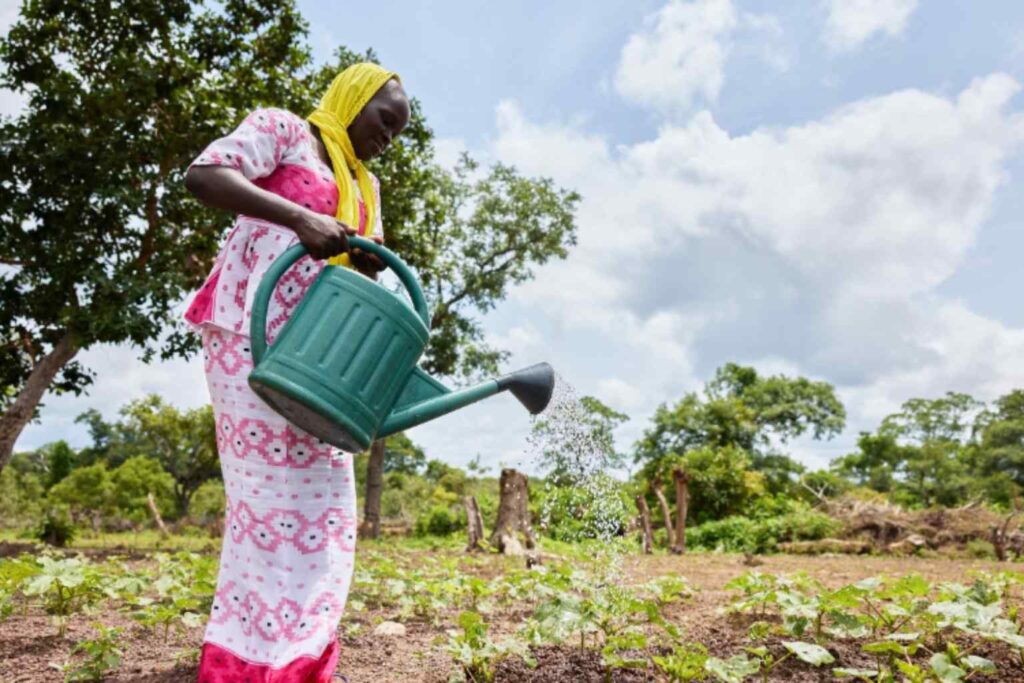
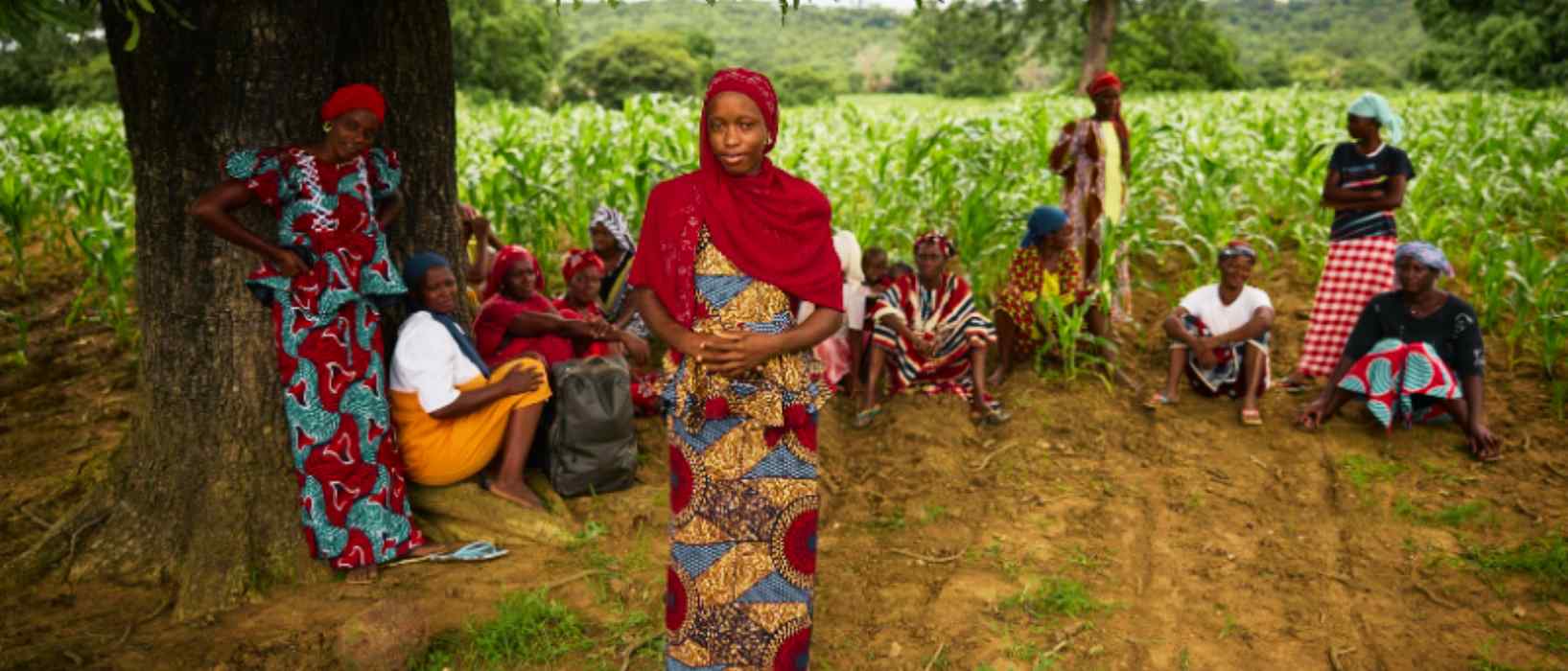
The principle can be seen clearly in Senegal, where agroforestry combines trees with food production rather than creating a single-species plantation. The trees have to work within an agricultural landscape while providing benefits that make continued participation worthwhile for farming communities.
Research involving 606 smallholder farmers in Senegal found that willingness to adopt agroforestry increased when systems were designed around benefits farmers valued, including economic returns and useful tree products.
That adds an important human dimension to species selection. A plant can be ecologically appropriate, but long-term restoration is stronger when the system also works for the people looking after the land.
The Right Place Changes the Outcome
Species alone do not determine success because conditions can vary considerably between restoration sites.
Soil, rainfall, previous land use, surrounding vegetation, water availability and the degree of degradation can all affect establishment. This means two projects planting the same number of trees could still produce very different results.
It is one reason restoration increasingly focuses on matching interventions to individual landscapes rather than applying the same planting model everywhere. In some places planting may be appropriate, while elsewhere natural regeneration, assisted recovery or a mixture of techniques can provide a better route forward.
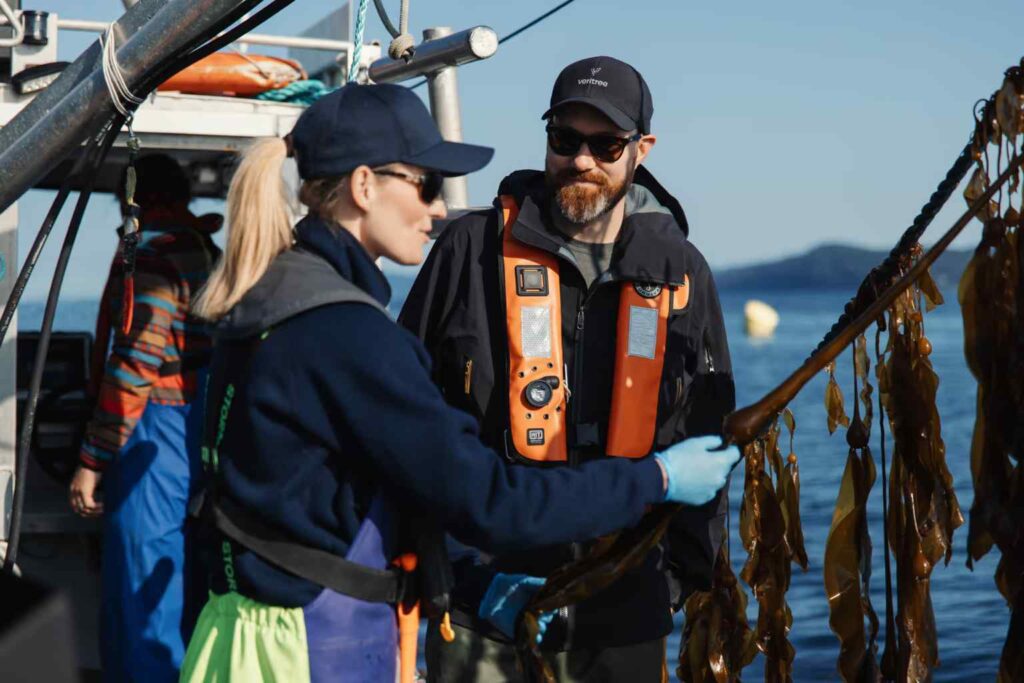
The differences become even clearer when we compare terrestrial restoration with the work being supported in British Columbia, where kelp grows in a marine environment shaped by water temperature, light, nutrients, currents and coastal conditions.

Timing Is Part of Restoration Too
An important part of The Nature Repair Report October 2026 shows that when planting takes place, it can also influence what follows.
A long-term study of 83 restored grassland sites found that rainfall and temperature during the first growing season influenced plant communities between two and nineteen years later. The researchers found particularly strong evidence that planting-year weather affected the balance between planted native species and species that arrived naturally.
That does not mean every ecosystem responds in the same way, although it demonstrates why restoration cannot always be scheduled simply around when funding becomes available. Natural planting windows, rainfall and seasonal conditions can influence the opportunity plants have to establish.
Kelp provides another useful example because nursery-grown material must be moved into marine environments when conditions support establishment and growth. Its restoration cycle is therefore governed by the ecology of the ocean rather than a conventional terrestrial planting season.
From Senegalese Farms to Canadian Waters
The latest Play It Green allocations in The Nature Repair Report October 2026 bring these differences together.
In Senegal, the recently verified 9,939 trees form part of an agroforestry approach combining restoration, food production and local livelihoods. In British Columbia, 45,717 recently verified kelp plants contribute to marine restoration where the methods, species and conditions are entirely different.
The social context is important as well. British Columbia’s wider kelp and coastal restoration work involves First Nations communities and includes employment, skills development, monitoring and stewardship opportunities for Indigenous people. The Province of British Columbia is currently supporting First Nations-led marine restoration and kelp monitoring across the coast, including specialist training designed to strengthen long-term stewardship.
That connection between ecological recovery and local opportunity is something we see repeatedly across nature repair. Restoration is more likely to endure when communities have knowledge, involvement and a reason to remain part of the process.
Nature Repair Report October 2026:
As the Play It Green community approaches 1.3 million plants funded, the total gives us an increasingly powerful measure of collective scale. However, the quality of the decisions behind those plants tells us something equally useful.
Senegalese agroforestry, Kenyan mangroves, terrestrial forests and Canadian kelp need different species, different expertise and different planting windows because they are repairing different ecosystems.
For Play It Green members, supporting verified nature repair means helping fund projects where those differences are recognised, while monitoring and verification provide evidence of what has actually been delivered.
The right plant, in the right place and established at the right time, gives restoration a stronger starting point. What follows depends on continued stewardship, monitoring and enough time for nature to respond.
We hope you enjoyed our Nature Repair Report October 2026. Keep an eye out for the next one, publishing the last week in November!