
Nature Repair Report for May 2025
Welcome your Nature Repair Report for May 2025 where this month we focus on sea kelp – an underwater powerhouse that’s critical to climate, biodiversity, and cultural resilience. With the continued support of our amazing community, we’re repairing the planet one ecosystem at a time.
As of publishing, we have planted 149,721 agroforestry trees in Senegal, 540,136 mangroves in Madagascar and Kenya, and 149,721 sea kelp sporophytes off the Sunshine Coast of Canada. This edition is all about kelp, an underwater powerhouse that’s critical to climate, biodiversity, and cultural resilience.

Kelp Forests: The Rainforests of the Sea
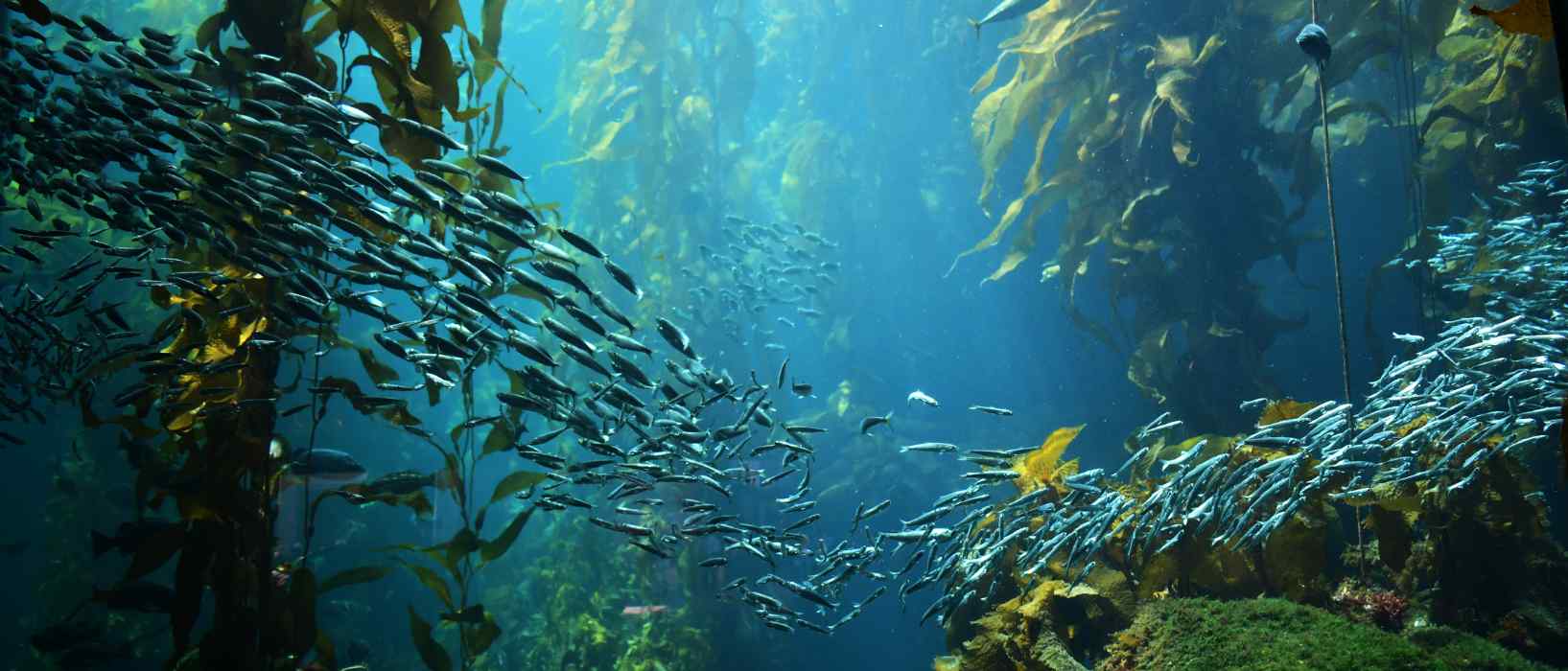
Sea Kelp forests are among the most productive ecosystems on Earth. Acting as foundation species, kelp forms vast, three-dimensional underwater forests that provide essential habitat for hundreds of marine species. From commercially important fish like salmon and herring to culturally significant species like abalone and rockfish, many animals rely on kelp for food, shelter, and nursery grounds.
These forests do more than support life – they hold everything together. Their thick fronds absorb wave energy, reducing its force by up to 60% and protecting coastlines from erosion and storm surges. That’s not just helpful in theory. With rising sea levels and increased storm frequency, it’s life-changing for coastal communities.
Globally, over 40% of sea kelp forests have disappeared due to climate change, pollution, and overharvesting. Without intervention, many more could be lost. But here’s the good news: with the right support, Sea kelp grows incredibly fast – up to half a metre a day – and can be restored at scale.
Ask A QuestionClimate Champions Beneath the Waves
While sea kelp doesn’t photosynthesise like land trees, it still absorbs enormous amounts of carbon dioxide – often faster than forests on land. This makes it one of the most effective forms of “blue carbon” capture.
Once matured, kelp absorbs CO₂ through its blades and transfers much of that carbon to its tissues. When it dies, some of that biomass sinks to the ocean floor, locking away carbon for decades, if not centuries. It’s estimated that kelp forests sequester millions of tonnes of carbon globally every year – a silent, powerful ally in climate mitigation.
But the climate impact doesn’t stop there. Kelp also plays a key role in tackling ocean acidification. As it removes CO₂ from seawater, it helps raise the pH of surrounding areas, making life easier for shell-building creatures like clams, mussels, and corals. In some pilot sites, kelp restoration has improved shellfish hatchery survival rates by over 20%.
Restoring Kelp with Indigenous Partners on the Sunshine Coast
On the Sunshine Coast of British Columbia, our kelp restoration work continues to grow in impact. In partnership with veritree, Coastal Kelp, and the shíshálh and Tla’amin Nations, we’re bringing kelp forests back to areas that have suffered dramatic losses from warming seas, pollution, and overharvesting.
We use two main methods: longline cultivation, where kelp sporophytes grow along seeded ropes in the water column, and green gravel, where seeded gravel is dispersed onto rocky seabeds to take root naturally. These techniques help kelp establish quickly and adapt to different conditions, restoring habitat in degraded marine areas.
Kelp has long been a part of coastal Indigenous lifeways. It’s been used for cooking, lining steam pits, harvesting herring roe, making ropes, nets, storage containers, and even children’s toys. Its decline hasn’t just harmed ecosystems – it has disrupted food systems, ceremonies, and traditional knowledge passed through generations.
The restoration work is creating new employment and educational opportunities for young people in local communities, while supporting Indigenous stewardship models that prioritise balance with nature. As the kelp grows back, so does biodiversity, resilience, and cultural confidence.

Measurable Impact and Transparent Growth
Everything we do is backed by science and transparency. Working with veritree, we track each sporophyte planted using advanced ocean monitoring and data systems. From satellite tracking to on-the-ground (or underwater!) observation, we ensure that your impact is real, verified, and permanent.
Our long-term goals for the Sunshine Coast include:
- Strengthening local biodiversity and fish stocks.
- Rebuilding sustainable seaweed economies.
- Supporting Indigenous stewardship frameworks.
- Creating new educational opportunities for young people in restoration science.
And as kelp grows, so does its impact.

Nature Repair Report for May 2025: Wrap-Up
Sea kelp is more than just a plant. It’s habitat, climate action, food, medicine, protection, and tradition – all wrapped in long green blades beneath the waves.
By supporting Play It Green, you’re helping replant one of the most vital ecosystems on the planet. You’re standing with Indigenous communities, protecting marine biodiversity, and accelerating the fight against climate change.
Thank you for being part of this story. Together, we’re restoring forests and we’re bringing whole ecosystems back to life, above and below the surface.
Repair the Planet with Play It Green
By partnering with Play It Green, you can integrate sustainable action, education, tree planting, mangrove restoration, seaforestation and social impact into your life and business operations. Whether it’s adding nature repair to your sales process, engaging employees, or strengthening your environmental credentials, the tools and support are there to make it simple.
Sign Up