

Sustainability News for 14th July: Introduction
Welcome to your Sustainability News for 14th July, proof that progress never sleeps. While headlines often lean into crisis, we bring you the breakthroughs that spark optimism. From game-changing hydrogen engines to nuclear mini marvels and microbial alchemy, this week shows what happens when science gets serious about sustainability.
At Play It Green, we believe innovation thrives in community, and that’s exactly what you’re part of. Let’s jump into three stories guaranteed to leave you hopeful, curious, and maybe even a bit more empowered to make positive changes of your own!

Toyota’s Hydrogen Engine Could Change the Rules
Toyota has unveiled a working hydrogen-powered combustion engine that delivers 400 horsepower and emits nothing but water vapour. Not steam, not smog, just water. This changes the conversation on internal combustion.
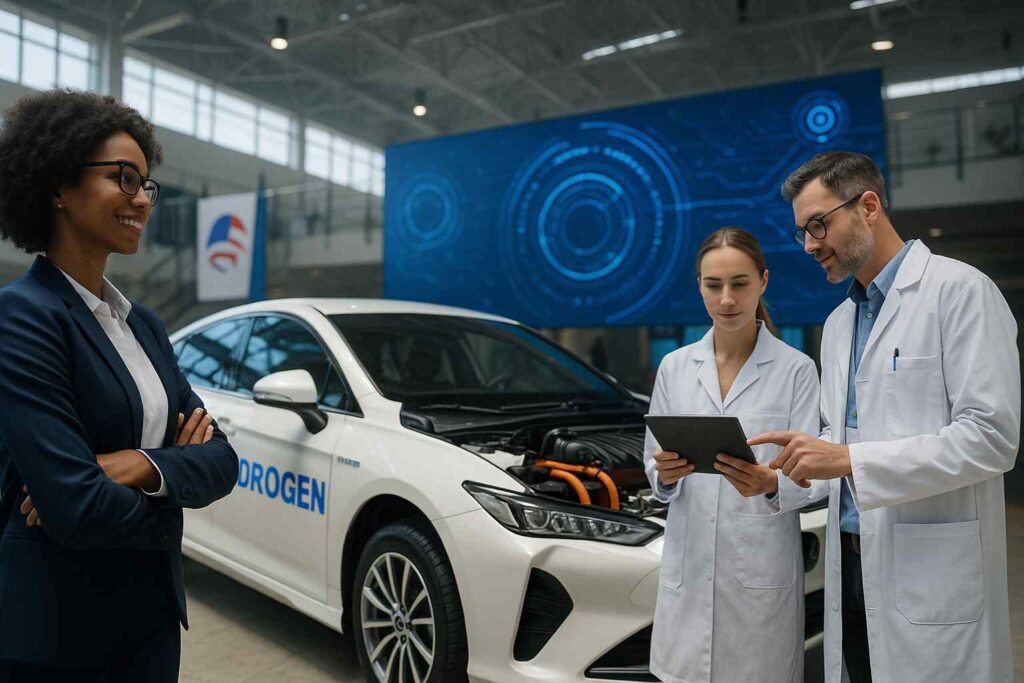
It runs on hydrogen rather than petrol, avoiding greenhouse gases entirely. And at around 45% thermal efficiency, it’s matching, or beating, diesel engines in both power and economy. With no batteries, it removes the need for rare earth metals and lengthy charging.
Toyota says this technology can be used in everything from passenger cars to light trucks. If that happens, it could reshape the race between combustion and electric, especially in regions where EV infrastructure is patchy.
For drivers who still want the familiar feel of an engine but want to help clean the air, this offers a new option. It’s not just about replacing one fuel with another, it’s about proving old systems can evolve.
UK’s New Biotech Hub Tackles Landfill with Microbes
A £14 million innovation hub is coming to Scotland and it could change the way we deal with waste. The Carbon-Loop Sustainable Biomanufacturing Hub (C-Loop) will use microbes to break down carbon-heavy landfill materials and convert them into ingredients for pharmaceuticals and cosmetics.
Rather than burning or burying waste, this approach extracts value and prevents further pollution. With just 7.2% of global resources currently reused, this kind of step is long overdue.
The hub is backed by the EPSRC and led by Professor Stephen Wallace at the University of Edinburgh, in collaboration with five other UK universities. It will also house the UK’s first “BioFactory”, a facility dedicated to analysing waste and supporting cleaner manufacturing.
Dr Jen Vanderhoven of the BBIA said it best: “There’s no time to waste in getting to no waste.” Beyond the science, this means jobs, local supply chains, and fewer toxins in our environment.
Biology helped get us here, and now, it’s offering a smarter way forward.
Get In TouchChina’s Small Nuclear Reactor Lights Up Half a Million Homes
China has launched the world’s first commercial compact nuclear reactor, and it’s already being installed in Hainan. It’s called Linglong-1, and it’s built to deliver clean energy to over 500,000 homes.
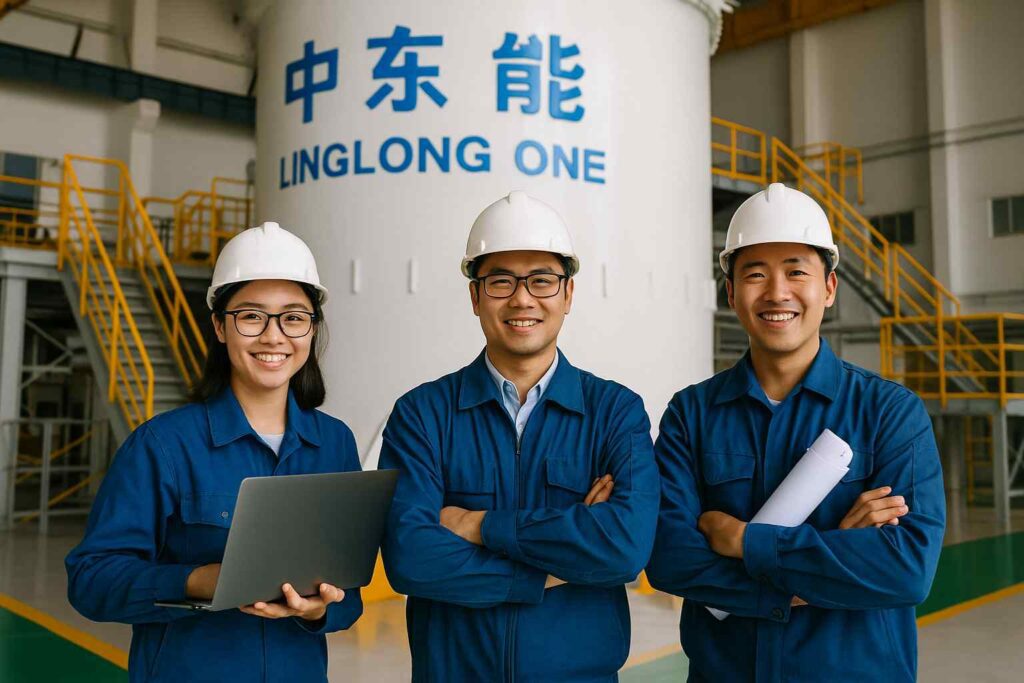
This Small Modular Reactor (SMR) produces 125,000 kilowatts a year and is designed with passive safety features that allow it to shut down without human input or external power. No sprawling infrastructure, no long delays – just efficient, low-carbon electricity.
It’s expected to prevent 880,000 tonnes of CO₂ emissions annually. The equivalent of planting 7.5 million trees. While debate continues over nuclear’s long-term role, this project proves that smaller, more flexible reactors can solve real-world energy problems today.
With international safety approval and plans to export the design, China is positioning SMRs as a global solution for countries needing clean power but lacking legacy grids.
The technology is already here. The question now is whether the world will adopt it fast enough.

Wrap-Up
This Sustainability News for 14th July is a reminder that the future is being built in real time, by scientists, engineers, and communities who refuse to wait. Whether it’s reinventing engines, rethinking waste, or redesigning energy systems, progress is coming from every direction.
And through it all, the Play It Green community continues to take action. Reducing footprints, repairing nature, and regiving to good causes. Let’s keep learning from these breakthroughs and turning inspiration into impact.
Make Positive Sustainability News of Your Own!
If you like the Sustainability News for 14th July, why not make positive news of your own, by partnering with Play It Green?
You can integrate sustainable action, education, tree planting, mangrove restoration, seaforestation and social impact into your life and business operations.
Whether it’s adding nature repair to your sales process, engaging and educating employees, or strengthening your environmental credentials, the tools and support are there to make it simple and effective.
Because, why make it hard!
Sign Up