

Sustainability News for February 17th: Introduction
Welcome to this week’s Sustainability News for February 17th! While challenges often take centre stage, these stories highlight positive change, reminding us that progress is always possible. From Gen Z’s unwavering commitment to ethical workplaces to a long-awaited Deposit Return Scheme and a remarkable nature restoration project in Kenya, this week’s news is full of inspiration.
At Play It Green, our community is proof that even small actions create meaningful ripples. Let’s celebrate these achievements and fuel our collective mission to reduce footprints, repair the planet, and support global communities!

Gen Z Workers Demand Ethical Employers
Gen Z workers are refusing to compromise on ethics. A survey by Co-operatives UK revealed that 42% of workers aged 18–27 have rejected job offers because they deemed potential employers unethical. Nearly two-thirds prioritise green credentials, honesty, and social responsibility on par with salary when evaluating roles. This generation craves meaningful work, with 90% describing themselves as “cogs in the wheel” in faceless organisations, while 42% have considered quitting jobs due to a lack of social purpose.

Rose Marley, CEO of Co-operatives UK, remarked, “Gen Z wants businesses to prioritise people, planet, and purpose over profit.” These findings highlight a profound generational shift, presenting both challenges and opportunities for employers. As National Insurance costs rise and unemployment among young workers reaches 13%, companies need to rethink their values. By embracing ethical leadership and sustainability, organisations can attract and retain top talent while driving positive social impact.
This demand for workplace ethics signals a broader cultural transformation, showing how younger generations are holding businesses accountable. Companies have a unique chance to align with these values, ensuring not only a competitive edge in recruitment but also a meaningful contribution to the planet and society.
Get In TouchDeposit Return Scheme to Launch in 2027
After years of delays, the UK Government has confirmed the Deposit Return Scheme (DRS) will officially launch in October 2027. Designed to encourage recycling, the DRS will allow consumers to return plastic and metal drink containers in exchange for a small refund. However, criticism has emerged due to the exclusion of glass, which many environmental groups believe would improve the programme’s effectiveness.
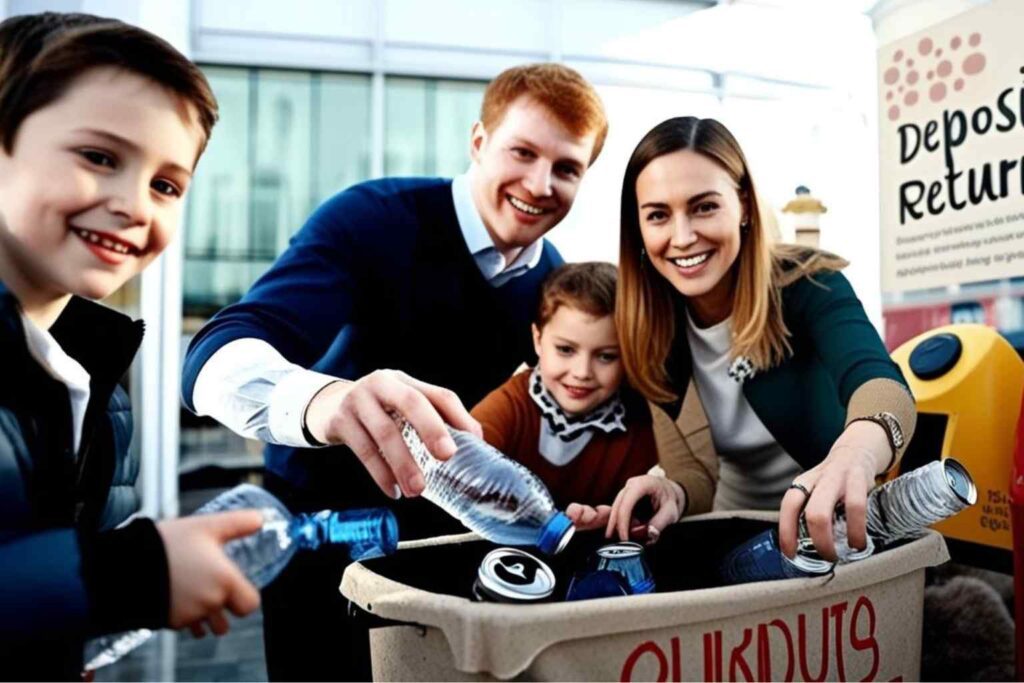
Circular Economy Minister Mary Creagh stated, “This is a vital step to end the throwaway culture and protect wildlife.” The DRS follows successful programmes in over 50 countries, including Germany, which boasts a 98% return rate. It’s expected to create 21,000 jobs and attract £10bn in investment over the next decade.
The scheme represents a significant push towards a circular economy, targeting the 5 billion single-use containers that go to waste annually in England alone. A not-for-profit Deposit Management Organisation will oversee implementation, ensuring transparency and efficiency.
While some see this as overdue, it’s a clear step toward reducing litter and improving recycling infrastructure. With collaboration between industry, government, and communities, the DRS could mark the start of a new era in waste management, paving the way for further sustainability measures.

Nature Restoration in Kenya
In Kenya’s coastal Lamu county, WWF-UK and the British Red Cross are teaming up to restore mangroves, tackling climate challenges like flooding, erosion, and drought. Mangrove forests are invaluable; they act as carbon powerhouses, storing up to ten times more carbon than trees on land. They also shield vulnerable communities from coastal storms and protect freshwater supplies.

With £1m in funding from the People’s Postcode Lottery, the project is empowering local farmers by providing trees to reduce soil erosion and protect agricultural lands. Additionally, the partnership will support the restoration of the Southern Swamp mangrove forest, helping Kenya build resilience against extreme weather and climate shocks.
Beatrice Butsana-Sita, British Red Cross CEO, emphasised, “Working with nature is one of the most effective ways to help communities adapt to climate change.” Beyond the environmental impact, this initiative strengthens food security and offers sustainable livelihoods. It is part of a larger global effort involving similar projects in Ethiopia, Mozambique, and the Philippines.
This partnership showcases the power of collaboration, blending nature-based solutions with community empowerment to address global climate challenges. It’s a reminder that protecting ecosystems benefits people and the planet in equal measure.

Sustainability News for February 17th: Wrap-Up
This week’s stories are a testament to the power of collective action. From Gen Z reshaping workplace values to the UK tackling waste with a Deposit Return Scheme and mangrove restoration in Kenya, these examples show how innovation and determination drive progress.
At Play It Green, we’re inspired not only by these achievements but also by the efforts of our subscribers, who are already supporting coastal mangrove restoration in Kenya, just like WWF-UK and the British Red Cross. On top of that, they’re backing agroforestry reforestation in Senegal and kelp seaforestation off the coast of Canada.
Together, these initiatives are repairing nature, empowering communities, and building a sustainable future worth celebrating. Let’s keep the momentum going!
Not a member yet?
Sign UpJoin our community and learn how to be more sustainable. We’ll also plant a mix of 10 trees, mangroves and sea kelp monthly for you. All for £5 per person per month! Plus we give 10% back to a charity of your choice. So what are you waiting for? Time to act and be the change!
Want more info before deciding? Click here.