
Sustainability News for November 16: Introduction
The sustainability News for November 16 begins in a place that looked very different just two years ago, where the speed of change has surprised even the people working to bring nature back.
This week’s stories take us from the British countryside to an American university and a major industrial development in Germany. Although the challenges are very different, each offers an interesting glimpse of what becomes possible when we rethink how we use land, waste and valuable resources.
There are encouraging results, some promising experiments and important questions still to answer. However, what connects these stories is the determination to find practical solutions, backed by people willing to invest their time, expertise and resources in making them work.
And as you’ll discover, the benefits could reach far beyond the places where these projects began.
Thousands of Butterflies Return to Restored Sussex Farmland
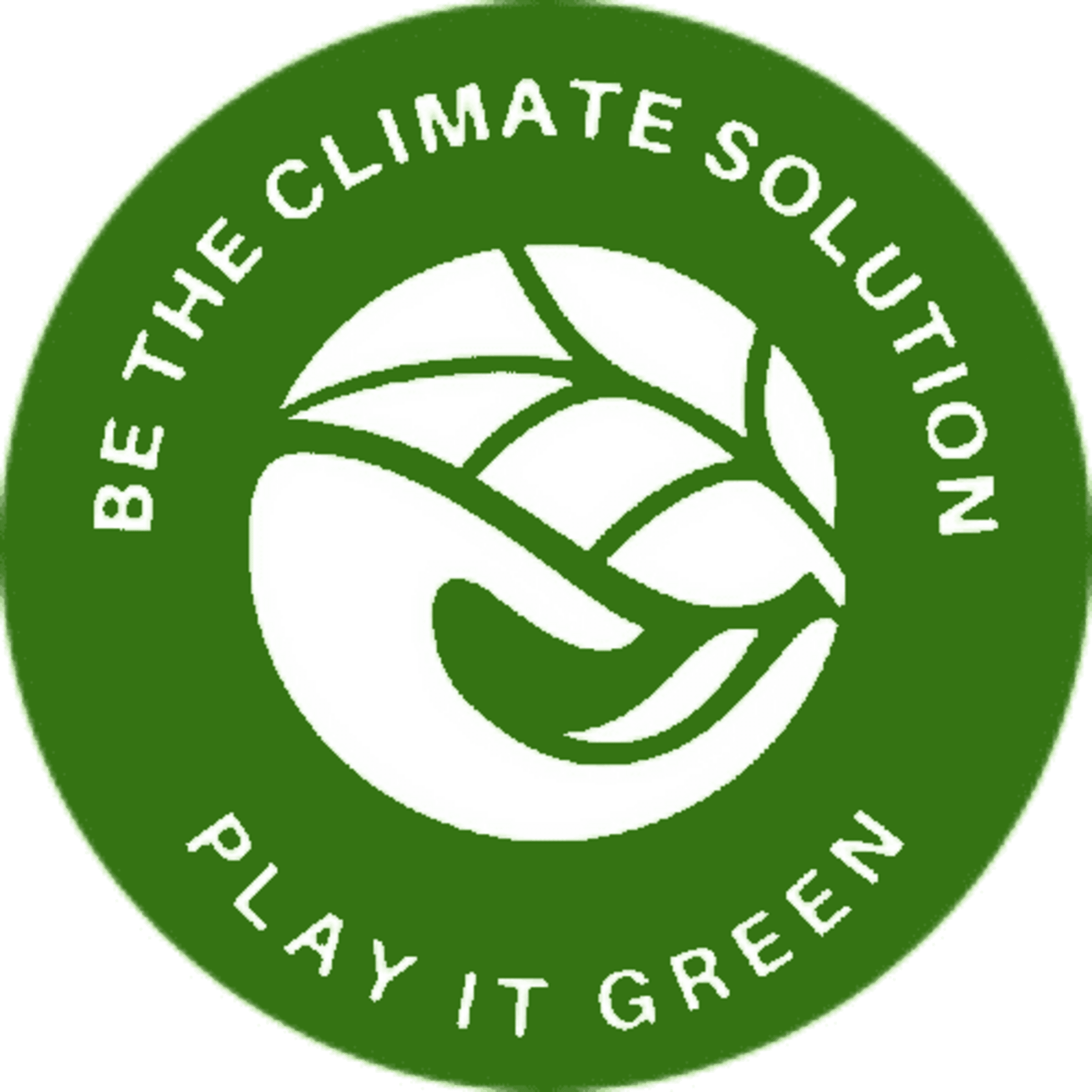
Just two years after its final wheat harvest, former intensive farmland near Chichester is attracting an extraordinary variety of butterflies, including two nationally important species newly recorded at the site.
According to Halnaker Hill Farm’s 2026 ecological survey, 5,290 butterflies from 28 species were recorded, including 85 small blues, seven dingy skippers and 547 small heaths. Their presence is an encouraging sign that newly created habitats are providing food and shelter for wildlife.
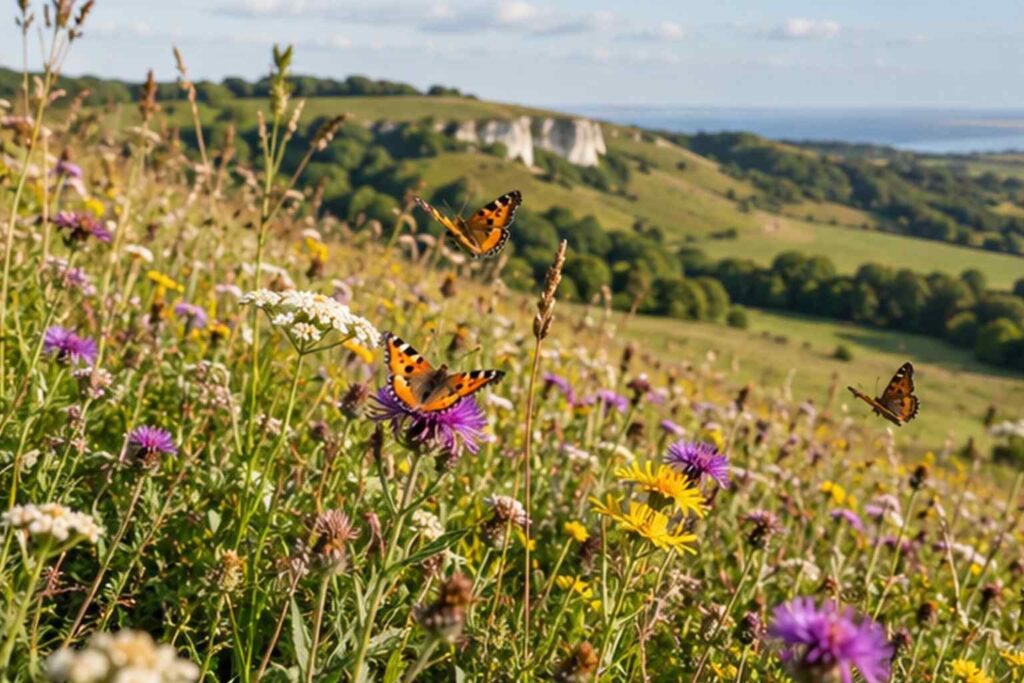
The project covers around 133 hectares, with wildflower meadows, ponds, seven kilometres of hedgerows and approximately seven hectares of woodland helping reconnect the landscape. The speed of the response is striking, although ongoing surveys will be needed to establish how well biodiversity continues to recover.
There is an interesting commercial dimension, too. Restoration is being funded through England’s Biodiversity Net Gain market, which enables developers to purchase biodiversity units to meet planning requirements. That creates an income stream for long-term habitat management.
In summary, the sustainability news for November 16th shows that we have businesses considering how nature repair can work alongside commercial activity. Halnaker offers an early example worth following, supported by recorded wildlife observations rather than promises alone.
UCLA Tests Turning Campus Waste into Hydrogen
Universities generate substantial amounts of organic waste, from food scraps to leaves and branches collected during grounds maintenance. At UCLA, engineers are investigating whether some of that material could help power the campus.
Working with Los Angeles climate technology company Mote, the UCLA Samueli School of Engineering is testing a pilot-scale biomass gasification system designed to produce hydrogen while capturing carbon dioxide released during processing.
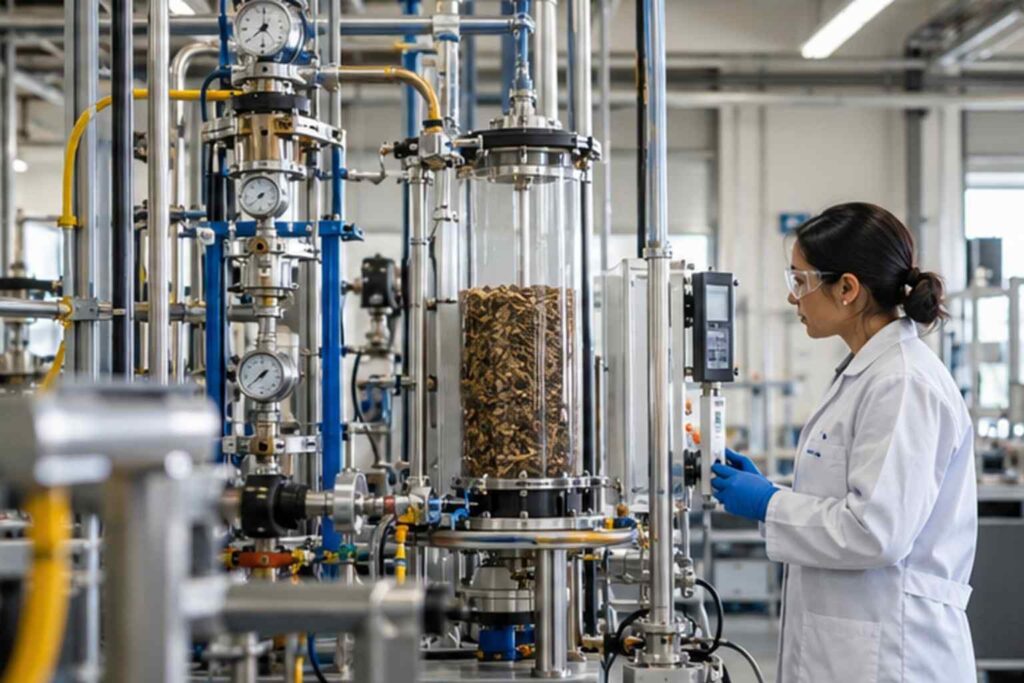
The university estimates that it generates around seven tons of biomass waste daily. Researchers believe a successful system could eventually supply electricity equivalent to approximately 2% of campus demand, or fuel around 100 hydrogen vehicles. These are projections, however, and the pilot has yet to demonstrate those results.
Testing will continue until September 2027, with engineers assessing different feedstocks, efficiency, reliability and the practicalities of carbon capture. Cost and energy consumption will be equally important in determining commercial viability.
In the sustainability news for November 16th, we particularly like the idea of a university using its own operations as a working laboratory. If the technology proves effective, other organisations handling suitable organic waste could learn from both the successes and the limitations.

German Battery Recycler Receives EU Strategic Recognition
Electric vehicles reduce tailpipe emissions, but their batteries contain valuable materials that need to be recovered when they reach the end of their useful lives. Building the infrastructure to do that is becoming a serious industrial priority.
German company Cylib has been designated a Strategic Project under the EU Critical Raw Materials Act; this means it receives support for its planned battery recycling facility in Dormagen.
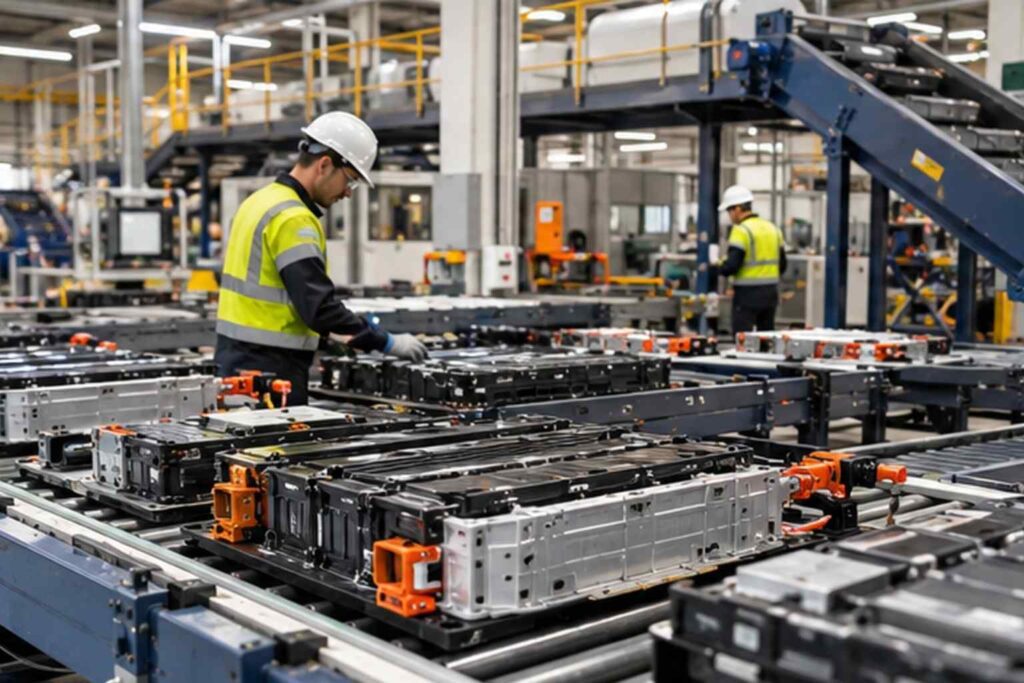
The company aims to recover lithium, nickel, cobalt, manganese and graphite from old batteries and manufacturing scrap, helping return these resources to European supply chains.
The strategic designation recognises the project’s potential contribution to raw-material security, although collection, recovery performance and operating costs will determine its commercial impact.
As the final story of sustainability news for November 16th, we think that for manufacturers and businesses moving towards electric transport, this is encouraging evidence. It shows that battery recycling is developing into substantial infrastructure, with opportunities to reduce waste and dependence on newly extracted materials.
Sustainability News for November 16 2026: Our Thoughts
The three stories in the Sustainability News for November 16 2026 offer an interesting reminder of how much value we can overlook when we’re accustomed to doing things a particular way.
Land once used for intensive agriculture is now supporting an impressive diversity of wildlife, organic waste could become a source of useful energy, and materials locked inside old batteries may find their way back into new products.
Each example is at a different stage, and none guarantees success without continued investment, good management and reliable evidence. Yet they also demonstrate how environmental progress can create commercial opportunities, support employment and help build more resilient systems.
At Play It Green, we believe businesses have an important role in making that progress possible, whether through supporting nature repair, engaging their people or making more responsible decisions about the resources they use.
And perhaps the most encouraging aspect of these stories is the reminder that many of the solutions we need begin with something surprisingly simple: looking at what we already have and asking whether we could use it better.