
Sustainability News for November 23rd: Introduction
The Sustainability News for November 23rd brings us three encouraging developments, from seabirds returning after a devastating disease outbreak to an unusual packaging experiment and hundreds of new jobs in solar manufacturing.
Behind these stories are conservationists, innovators and businesses finding practical ways to protect nature, rethink familiar products and create economic opportunities. This week, we explore what they’ve achieved and what we can learn.
Seabirds Make a Remarkable Comeback in Sussex
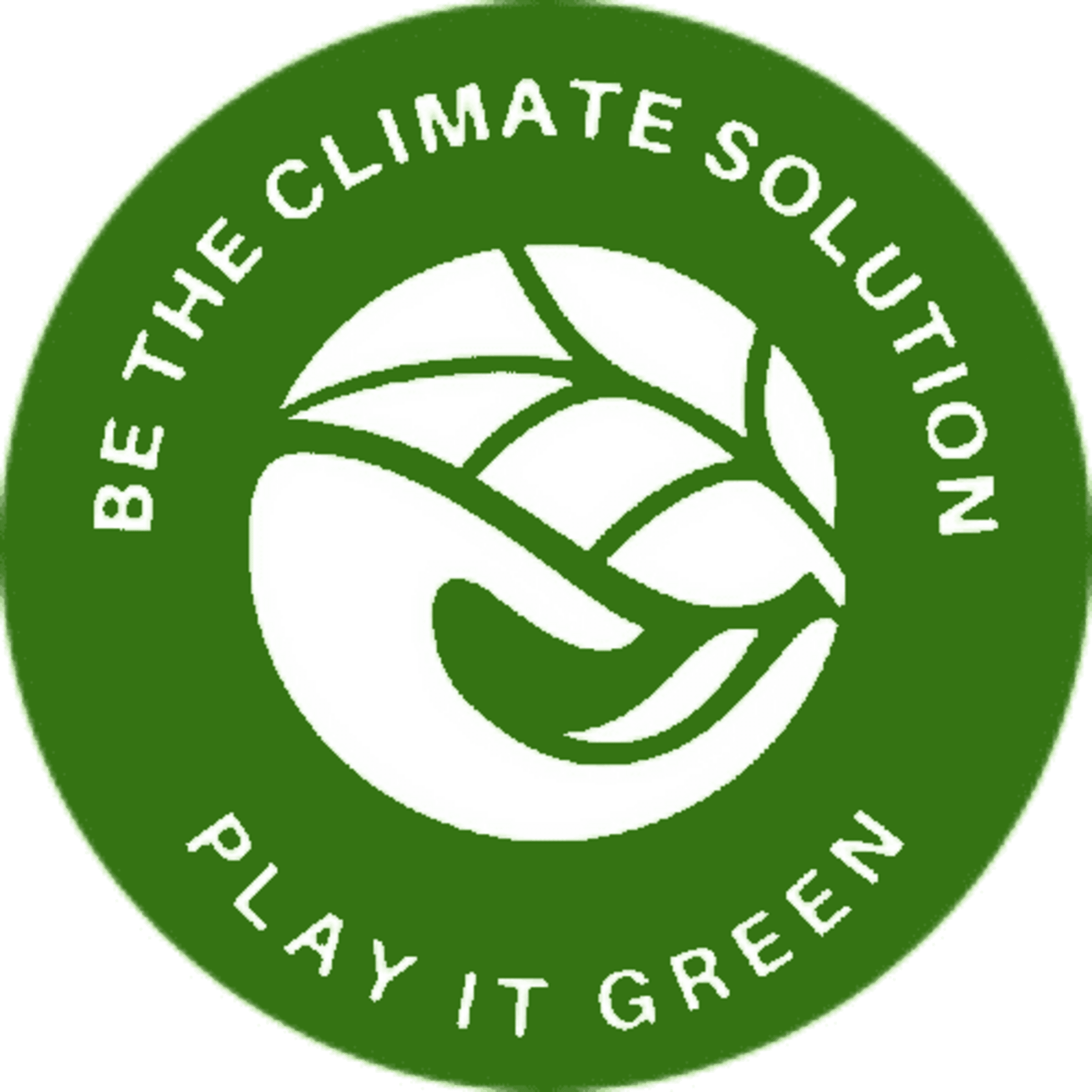
Four years after bird flu devastated a Sandwich tern colony at Pagham Harbour in West Sussex, conservationists have recorded an encouraging recovery. During the 2026 breeding season, at least 756 pairs returned to breed, producing 570 fledglings and offering hope for a population severely affected by the outbreak.
The RSPB’s October report revealed further encouraging results, with black-headed gulls producing 504 fledglings compared with just 51 in 2025. Newly created wetland islands also supported 18 breeding pairs of avocets, which produced 24 fledglings.
These improvements follow years of habitat management, predator protection and careful monitoring by conservation staff and volunteers. Their work demonstrates how creating suitable breeding conditions and maintaining them over time can help vulnerable wildlife populations recover.
As we read the Sustainability News for November 23rd, these results offer businesses supporting biodiversity and nature repair a useful example of why long-term commitment and measurable outcomes are so important. Although one successful breeding season cannot guarantee lasting recovery, Pagham Harbour shows what dedicated conservation work can achieve when people give nature the opportunity to thrive.
Could Your Next Ginger Shot Come Without a Bottle?
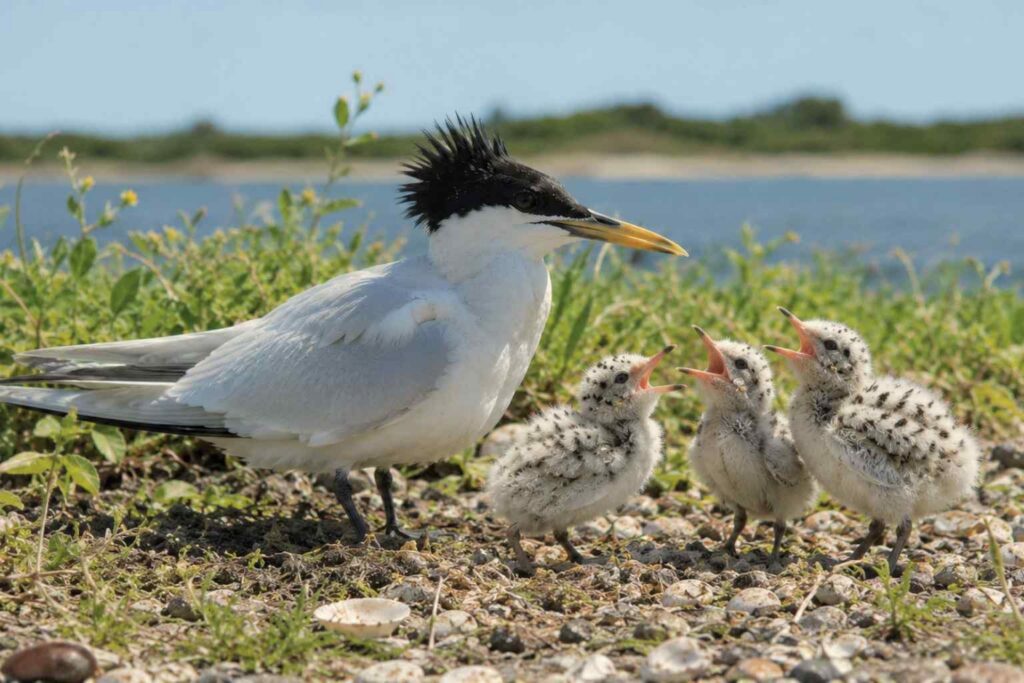
Imagine drinking your morning ginger shot and eating the packaging afterwards. British materials company Notpla and drinks brand innocent have been exploring that possibility through a trial using edible seaweed-based pods instead of conventional disposable drink containers.
The collaboration uses Notpla’s Ooho technology, which surrounds small portions of liquid with a membrane made from seaweed and other plant-based ingredients. On October 27th, residents of Nobottle in Northamptonshire sampled 12 ml portions of Innocent’s Fiery Ginger shot, while a separate pilot at Coventry University gathered further feedback.
According to Notpla’s announcement, this was an experiment rather than a planned retail launch. The pods currently have a short shelf life and are better suited to settings where drinks are consumed immediately.
For businesses reading the Sustainability News for November 23rd, the experiment offers an interesting example of how challenging familiar practices can lead to creative alternatives. Although questions around storage, distribution and commercial viability remain, edible packaging could eventually offer opportunities for hospitality operators and event organisers looking to reduce disposable materials.

New Solar Factory Creates Hundreds of Jobs
A new solar manufacturing facility in South Carolina, USA, is demonstrating how investment in cleaner technology can also support skilled employment, regional development and new opportunities for businesses working within the renewable energy supply chain.
First Solar opened the first phase of its Gaffney facility in October, establishing an initial annual manufacturing capacity of 1.7 gigawatts (enough to power about 1.2 million homes). The company plans to double that capacity to 3.4 gigawatts by mid-2027.
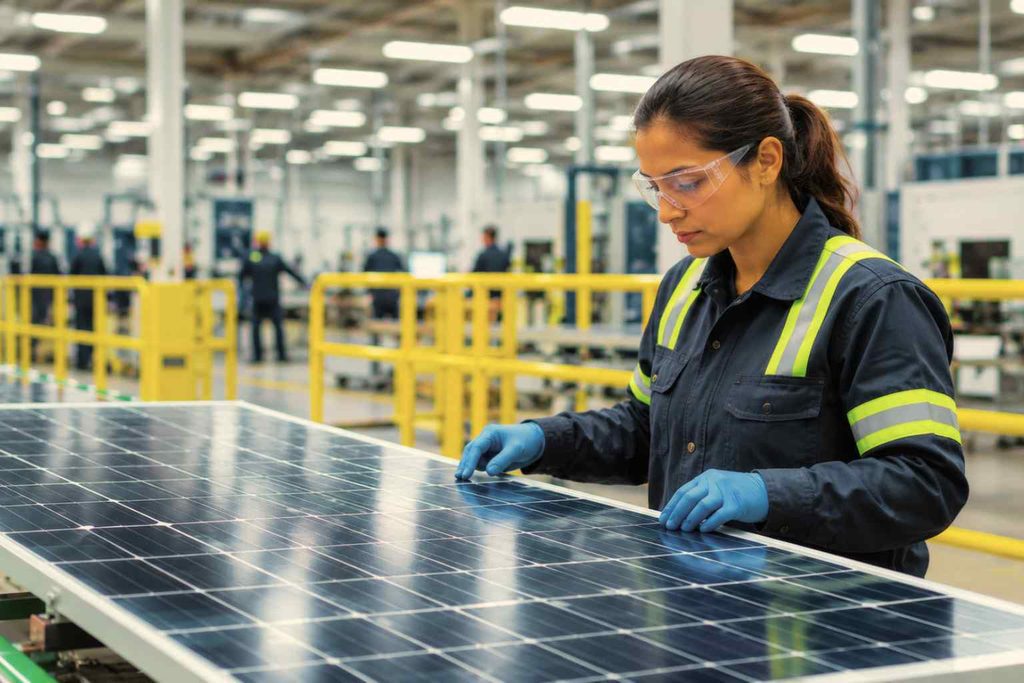
According to First Solar’s announcement, around 500 positions had already been filled when the facility opened, with nearly 700 jobs expected once the site is completed. The factory forms part of a wider manufacturing network, demonstrating how clean technology production can involve multiple locations and specialist operations.
The Sustainability News for November 23rd shows how developments like Gaffney can create opportunities extending beyond renewable electricity generation. These can include engineering, manufacturing, logistics and workforce development. As investment in cleaner technologies continues globally, these projects demonstrate how environmental progress can also create both economic value and support local communities.
Sustainability News for November 23rd: Our Thoughts
What we particularly enjoy about this week’s stories is how they demonstrate the wider benefits of sustainability. From recovering seabird populations to innovative packaging and new manufacturing jobs, each development shows how environmental action can create opportunities for people, businesses and nature.
The Sustainability News for November 23rd also highlights the importance of patience, investment and practical innovation, particularly when meaningful progress depends on changing established practices or restoring damaged ecosystems.
At Play It Green, we believe businesses can contribute to this progress by reducing their footprint, supporting verified nature repair and helping good causes through our commitment to regive 10% of revenue.
We hope these stories inspire you to explore the opportunities within your own organisation and discover how positive impact can become part of everyday business.
And perhaps the most encouraging aspect of these stories is the reminder that many of the solutions we need begin with something surprisingly simple: looking at what we already have and asking whether we could use it better.