
Sustainability News for November 9th: Introduction
The Sustainability News for November 9th looks at three very different examples of progress, although they all start in the same place: somebody has moved beyond a broad ambition and put something more concrete behind it.
Suntory Beverage & Food Europe has published its first Climate Transition Plan, setting out how it intends to reduce emissions across its operations and value chain. In a Stanford laboratory, researchers have found that badly bleached coral can recover far more quickly after brief contact with a healthy clone, while a Scottish company is turning discarded bottles into material that helps filter water.
None of these stories says the work is finished, but they are useful because each one shows a practical next step. Whether that means a business publishing a plan people can examine, scientists testing a possible restoration tool, or waste glass finding a more valuable second life.
Suntory Sets Out Its First Climate Transition Plan
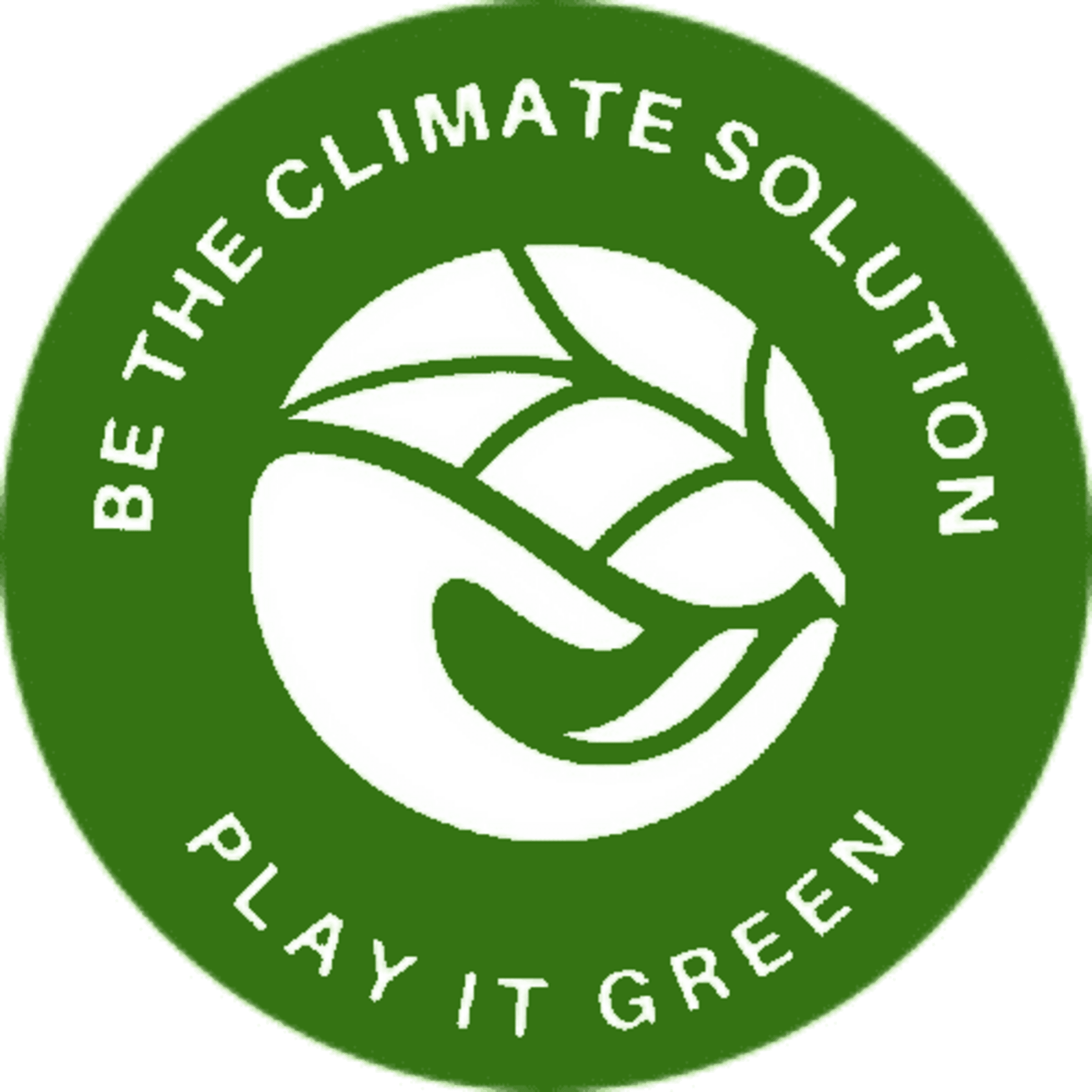
Suntory Beverage & Food Europe has published its first Climate Transition Plan, covering the route it intends to take towards net zero by 2050 or sooner. The plan is important because it moves the conversation beyond a distant target and into the work that has to happen across manufacturing, packaging, ingredients, transport and the wider supply chain.
Suntory is already working towards 2030 targets across direct operations and its value chain, while the new plan explains how it intends to keep reducing emissions as the business changes. That distinction is important, as a target can be useful, whilst a transition plan gives employees, suppliers, customers and investors something more meaningful to examine: the actions, responsibilities and assumptions behind it.
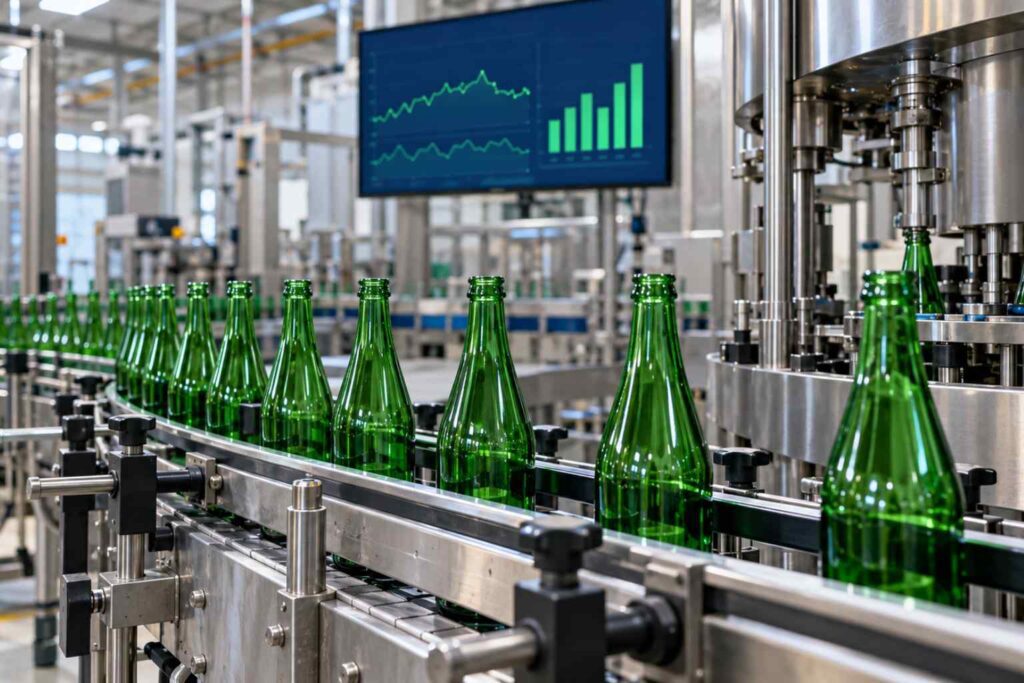
For the sustainability news for November 9th and for food and drink businesses, the difficult part often sits outside the factory gate. Packaging, farming, refrigeration, freight and retail can account for most of the footprint, which is why Suntory’s focus on the value chain feels more honest than a plan limited to their office lights and company vehicles.
There is a useful lesson for smaller organisations too: You do not need to publish a document of this scale, although you do need to be able to explain what you have measured, what you are changing, who owns the work and how you will know whether it is working. That is how sustainability becomes part of business management rather than a document on a website.
A Faster Route Back for Bleached Coral
Researchers at Stanford University have reported a promising laboratory result for coral restoration. In a study published in Science Advances, severely bleached coral fragments recovered fully within seven weeks after making brief contact with healthy coral from the same clone. The contact allowed the healthy coral to transfer the tiny algae that corals need for energy.
The research team’s finding deserves excitement, although it also needs its limits stated clearly. The work happened in controlled laboratory conditions and depends on genetically identical healthy and bleached coral being available. It cannot stop ocean warming, and it is not yet a solution that can simply be rolled out across damaged reefs.
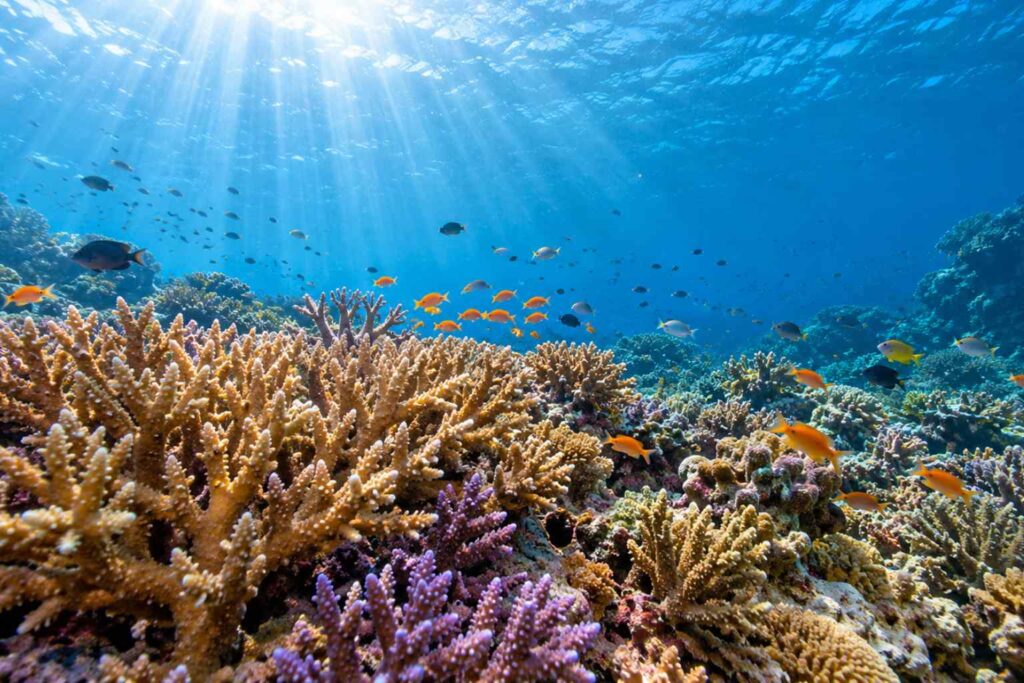
Even so, it gives restoration teams a possible new tool. Coral bleaching has often been treated as a one-way decline towards death, whereas this study suggests that some colonies may retain a much greater capacity to recover than people assumed. That could help researchers decide which coral to prioritise after a bleaching event and how to support recovery more quickly.
For the sustainability news for November 9th and anyone who cares about the coast and ocean life, the wider point remains the same. Restoration can support nature, but it cannot replace the work of reducing the pressure that caused the damage in the first place. Progress works best when protection, reduction and repair sit alongside each other.

Scottish Recycled Glass Helps Clean Water
In Edinburgh, Dryden Aqua is using green and brown glass bottles that would otherwise be treated as waste to make activated filter media for water treatment. The material, known as AFM, can be used in drinking-water systems, swimming pools, aquaculture and industrial or municipal treatment.
The recently published Scottish recycling story is a good example of circular economy thinking at its most useful. Rather than simply processing glass into lower-value aggregate, the company uses careful sorting and treatment to create a specialist material with a clear job to do.
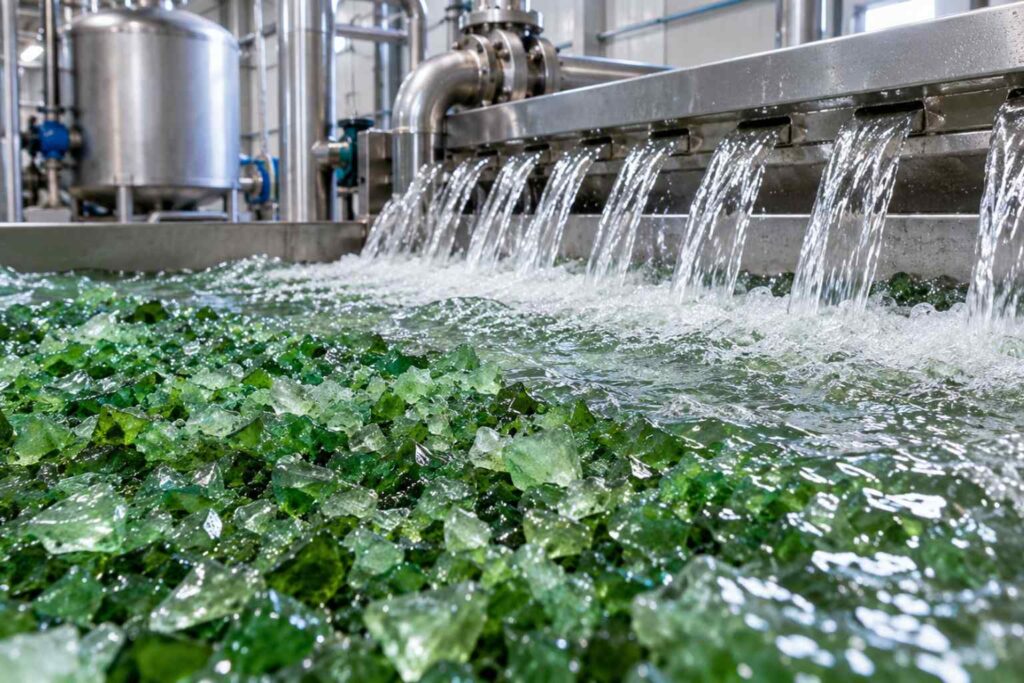
Glass is often described as endlessly recyclable, but the reality depends on colour, contamination, collection and the local market for the material. This project shows why sorting still matters. Green and brown glass have the properties Dryden Aqua needs, while precision sorting helps keep the feedstock consistent enough for a technical product.
For the sustainability news for November 9th, the story is also a reminder that circularity is not only about asking households to recycle more carefully. Better outcomes need businesses willing to design products around recovered materials, invest in the equipment and create a reliable demand for what the waste stream becomes.
Sustainability News for November 9th: Wrap-Up
What we see in the sustainability news for November 9th is that there is no single route through sustainability. Suntory is making its climate work more accountable through a published plan, scientists are testing how nature might recover after damage, and a Scottish manufacturer is finding a more useful role for bottles that have already done their first job.
The encouraging part is the practicality, as each example creates something others can learn from, challenge and improve. If we want change to last, that is far more useful than another broad promise or another downloadable document!