

Sustainability News for October 12th: Introduction
The Sustainability News for October 12th looks at what happens when long-running sustainability challenges start gaining the structures needed to move forward.
One of this week’s developments concerns an area covering almost two-thirds of the ocean, yet historically beyond any single country’s control. Elsewhere, governments and businesses are building the infrastructure needed to change how energy and materials move through the economy.
Read on for three encouraging examples of cooperation becoming practical progress.
Australia Ratifies the High Seas Treaty
Australia has formally ratified the High Seas Biodiversity Treaty, joining more than 90 countries in a global agreement designed to protect and sustainably manage marine life in areas beyond national jurisdiction. The treaty entered into force globally in January 2026 and will take effect for Australia on 23 October.
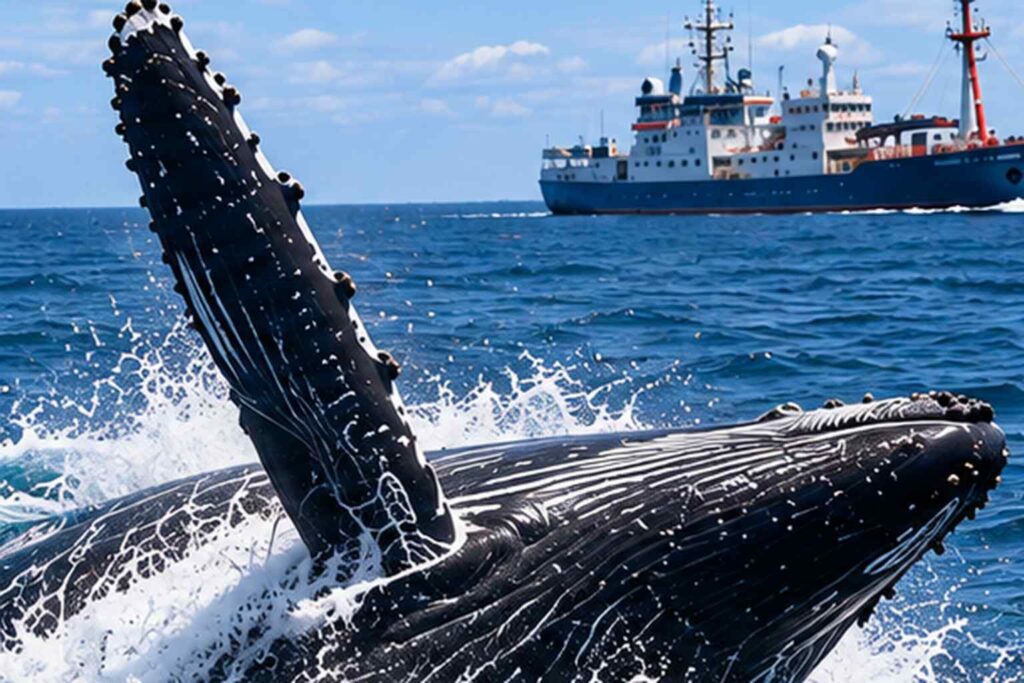
The agreement creates a framework for countries to establish marine protected areas on the high seas, assess the environmental impact of proposed activities and cooperate over shared marine resources. That is significant because the high seas cover more than half of the planet, while only around one per cent is currently protected.
Australia already protects more than half of its own maritime jurisdiction through marine parks, including 2.2 million square kilometres in highly protected areas. Ratification now gives the country a direct role in shaping protections beyond national borders, supporting the global goal of conserving 30 per cent of coastal and marine areas by 2030.
For the Sustainability News for October 12th, the wider lesson is about shared responsibility. Oceans support food, livelihoods, biodiversity and major industries, but no business or government can protect international waters alone, so common rules and practical cooperation are essential if protection is going to match the scale of the resource.
Get In TouchGermany Maps a Route Away from Fossil Fuels by 2045
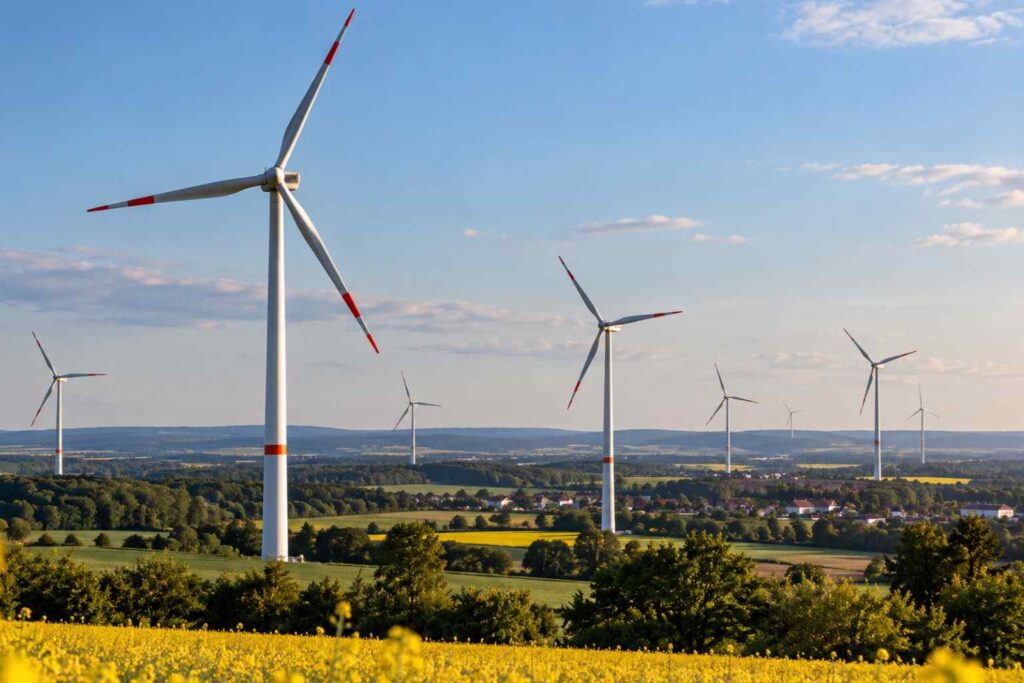
Germany has published a national roadmap for a climate-neutral energy system by 2045, setting out how Europe’s largest economy plans to connect climate policy with energy security, industrial modernisation and lower exposure to volatile imported fuels.
The starting point shows the scale of the challenge. Fossil fuels still accounted for 65 per cent of Germany’s energy consumption in 2024, while the country imported 98 per cent of its petroleum and 95 per cent of its natural gas. Those imports cost around €76 billion that year, making the transition an economic and security issue as well as an environmental one.
The roadmap centres on expanding renewable electricity and electrifying transport, heating and industry. Renewables already provide around 55 per cent of gross electricity consumption and are targeted to reach at least 80 per cent by 2030, while coal-fired power generation is due to end by 2038 at the latest.
The plan does not remove the delivery challenge, and Germany’s Expert Council on Climate Issues has previously warned that current progress is insufficient for the 2045 climate-neutrality target. For the Sustainability News for October 12th, that tension is useful because credible transition planning needs both a destination and an honest view of the investment, infrastructure and policy still required to reach it.
Retailers Join Forces to Build a Circular Textile System
New Look, M&S, Sainsbury’s, Oxfam and Circle-8 have launched The Circuit, a collaborative model designed to turn UK clothing that can no longer be reused into raw materials for future textile manufacturing. The first phase will begin at Oxfam’s Batley site in Yorkshire in January 2027.
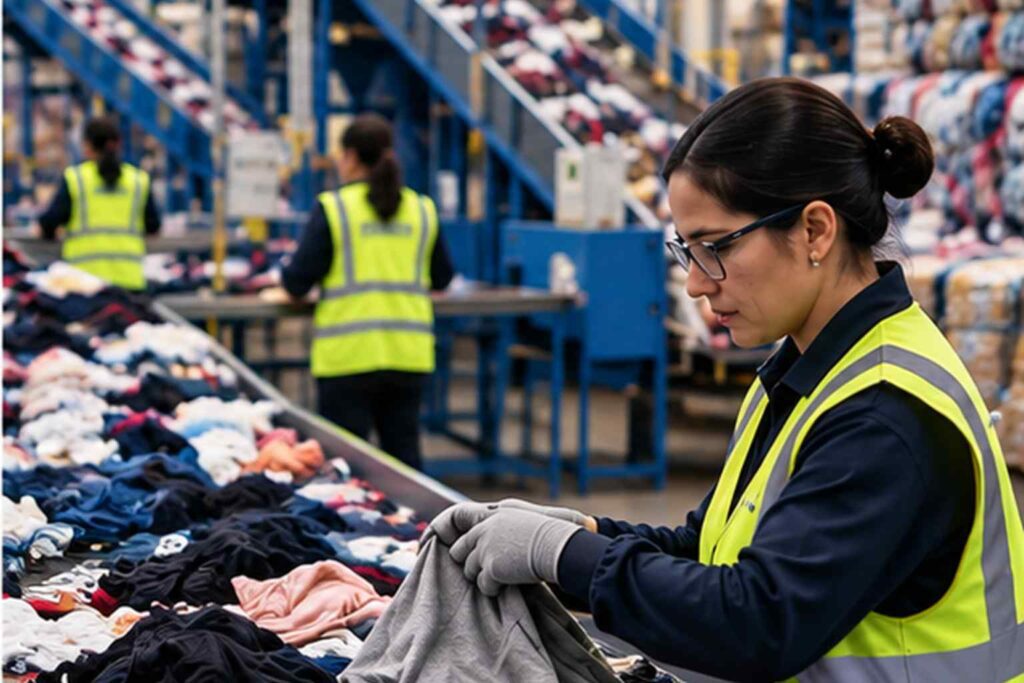
The scale of the waste stream explains why new infrastructure is needed. Around 1.4 million tonnes of post-consumer textiles were generated in the UK during 2024, with nearly half estimated to be non-reusable. The Circuit will test automated sorting, traceability and pre-processing while connecting recovered material with mechanical and chemical recycling routes.
Oxfam will bring decades of experience in reuse and textile recovery, while retailers, recyclers, manufacturers and technology partners will help develop the commercial frameworks needed to make fibre-to-fibre recycling more consistent and viable at industrial scale. The initial phase is deliberately focused on testing and learning rather than claiming the system is already solved.
For the Sustainability News for October 12th, the strongest business signal is collaboration across the value chain. Circularity becomes far more useful when organisations work on the missing infrastructure together, because reliable recovered materials can reduce waste, support new manufacturing and make supply chains less dependent on virgin resources over time.

Sustainability News for October 12th: Wrap-Up
The Sustainability News for October 12th shows why cooperation is often the difference between an ambition and a system that can last.
Shared rules can protect common resources, coordinated infrastructure can support cleaner energy, and connected supply chains can keep valuable materials in use for longer.
For businesses, the lesson is practical: working beyond organisational boundaries can reduce risk, strengthen resilience and create opportunities that no single company could build as effectively on its own.
Create Commercial Value with Play It Green
Play It Green helps businesses make sustainability practical, measurable and commercially sensible.
Our members learn through simple weekly education like this article on the Sustainability News for October 12th, reduce the business footprint with support and expert signposting, repair nature across land, coast and sea, and create social impact through our 10% revenue giveback to good causes.

That gives your business credible action you can share with employees, customers and other stakeholders, backed by transparent reporting and measurable impact.
If you want to cut costs, reduce risk, attract great people and build stronger customer loyalty through sustainability, including measurement and reduction, nature repair and social impact, speak to Play It Green.