

Sustainability Terms H Edition: Introduction
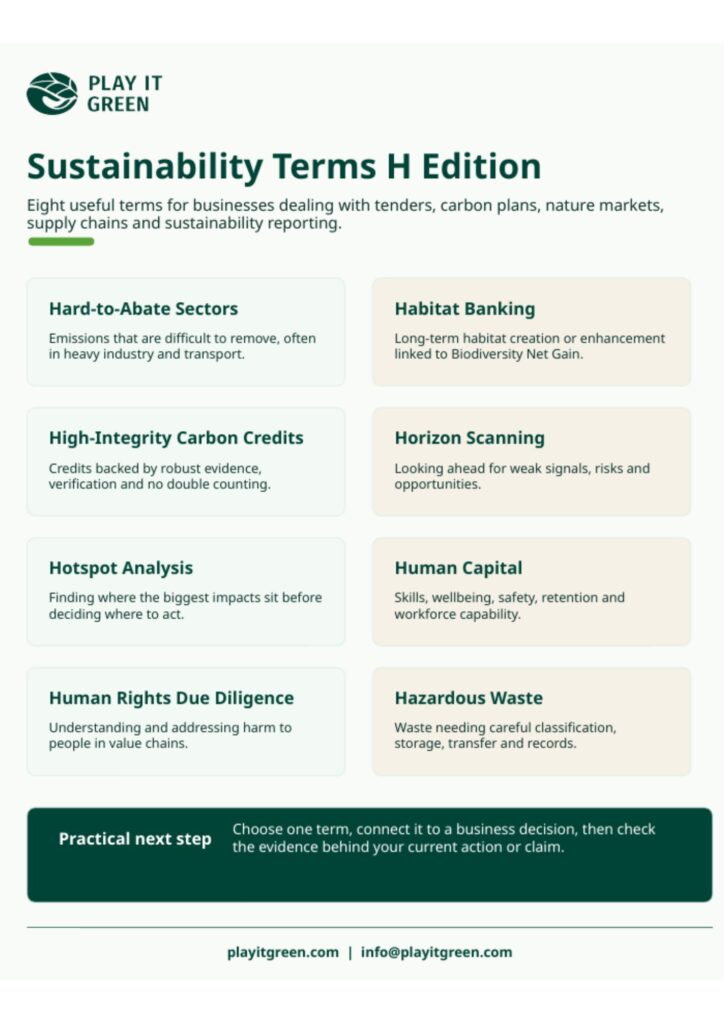
Sustainability Terms H Edition continues our monthly A-Z guide with eight terms that help businesses understand the language appearing in carbon plans, tenders, nature markets, supply-chain questions and sustainability reports.
This edition is deliberately practical, meaning it avoids obvious words and focuses on terms that can affect decisions around risk, procurement, finance, people, compliance and credibility. Some are already common in larger-company reporting, while others are becoming more visible as SMEs supply bigger organisations or respond to changing customer expectations.
For the Play It Green community, the purpose is straightforward: clearer language should support better decisions. When teams understand the words being used around climate, nature, people and waste, they can ask better questions, spot weak claims and turn sustainability into something useful for the business.

Hard-to-Abate Sectors

Our first of the Sustainability Terms, H Edition, is Hard-to-abate sectors, which are industries where emissions are difficult to eliminate because of high heat, chemical processes, heavy transport needs or limited low-carbon alternatives. Common examples include steel, cement, aviation, shipping, trucking, aluminium, chemicals and oil and gas.
The World Economic Forum reported in December 2025 that eight heavy industrial and transport sectors together account for nearly forty per cent of global greenhouse gas emissions. For SMEs, the term is still relevant because hard-to-abate materials and services often sit inside supply chains, even when the business itself is not heavy industry. A company buying steel, concrete, freight or chemical inputs may need to understand where supplier emissions are hardest to reduce and where credible transition plans are needed.
Habitat Banking
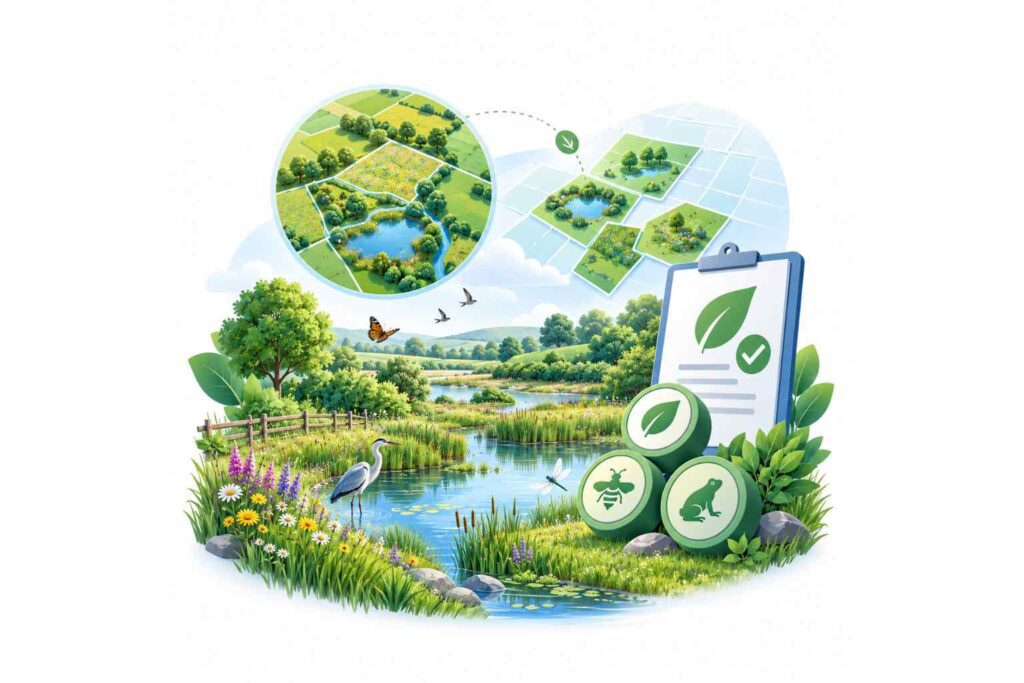
Habitat banking is the creation or enhancement of habitat in advance, or separately from a specific development, so biodiversity units can later be sold to developers who need off-site Biodiversity Net Gain. In England, mandatory BNG generally requires developers to deliver at least ten per cent biodiversity gain, using on-site measures, off-site units or statutory credits as a last resort.
For landowners, estates, farmers and local authorities, habitat banking can create a route to fund long-term nature improvement. For developers and property-linked businesses, it helps explain how off-site nature recovery is secured, allocated and recorded. The practical point is that biodiversity gains must be legally secured and maintained for at least thirty years, so this is a long-term nature and land-management decision, not a quick marketing claim.
High-Integrity Carbon Credits
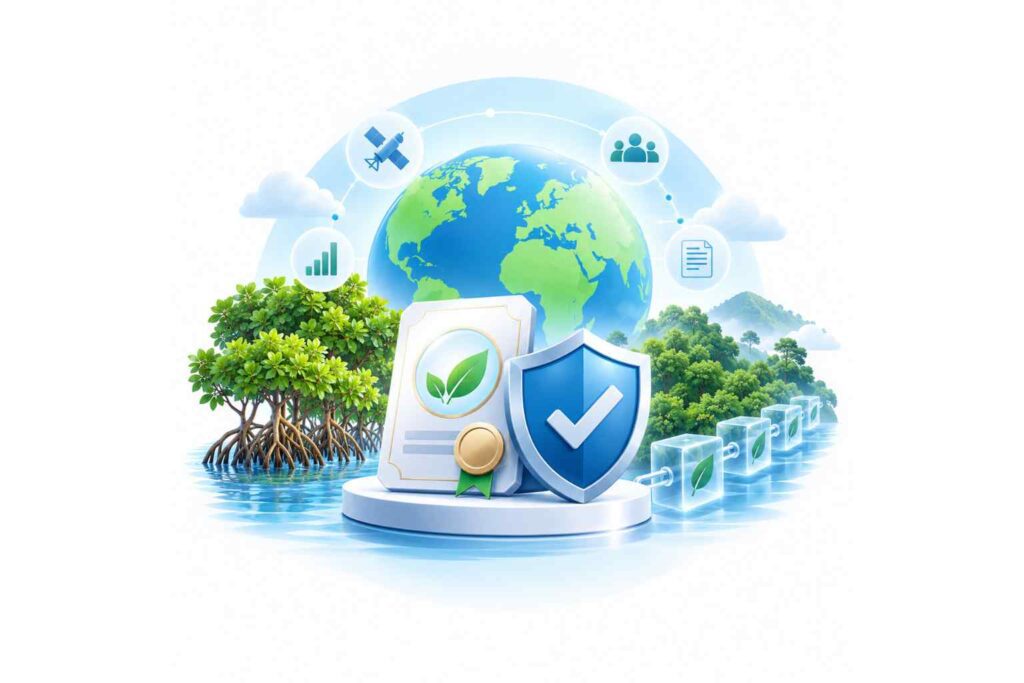
Our third Sustainability Terms, H Edition, is high-integrity carbon credits, which are credits designed to represent real, additional, verified and properly tracked emissions reductions or removals. The phrase matters because carbon markets vary in quality, and businesses are being asked to show more evidence behind any climate-related claims they make.
The Integrity Council for the Voluntary Carbon Market sets out Core Carbon Principles covering governance, tracking, transparency, independent validation and verification, additionality, permanence, robust quantification, no double counting, sustainable development benefits and contribution towards the net zero transition. For businesses, the lesson is to ask what a credit represents, how it is measured, who has verified it and whether the same outcome could be claimed by more than one party.
Horizon Scanning

Horizon scanning means systematically looking for emerging trends, weak signals, risks and opportunities that could affect an organisation in the future. It is useful because sustainability can change through regulation, technology, customer expectations, resource prices, climate impacts and investor pressure.
Government guidance published in September 2026 describes horizon scanning as the systematic collection of insights on emerging trends and weak signals of change to identify potential threats, risks and opportunities. For SMEs, this does not need to become a huge exercise. A simple quarterly review of regulation, customer demands, competitor action, supply-chain risks and relevant technology can help leaders avoid being surprised by changes they could have seen coming.
Hotspot Analysis
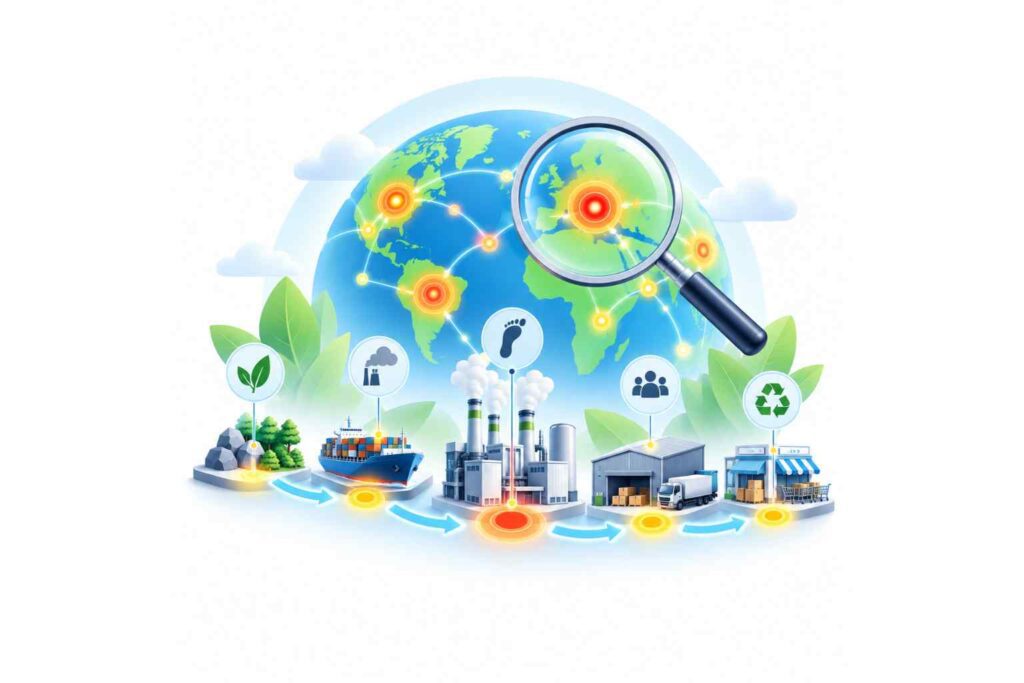
Hotspot analysis identifies where the largest environmental or social impacts sit across a product, service, operation or value chain. It helps businesses focus effort where action is likely to have the greatest effect, rather than spreading time and budget thinly across low-impact areas.
This is closely linked to life-cycle thinking. ISO 14044 remains the current international standard setting requirements and guidance for life cycle assessment, including goal and scope definition, inventory analysis, impact assessment, interpretation, reporting and review. A practical hotspot analysis might show that packaging, energy use, transport, mater
Human Capital

Human capital describes the value, capability and wellbeing of the people connected to a business, including skills, experience, engagement, safety, retention, development and working conditions. It brings the people side of sustainability into view, which matters because a business cannot build resilience without the workforce that delivers it.
The International Sustainability Standards Board is researching disclosure around human capital, including workforce size, composition, compensation, engagement, turnover, training and development, working conditions, health, safety and wellbeing. SMEs do not need to overcomplicate this, but tracking staff retention, development, wellbeing and engagement can strengthen culture, recruitment and customer confidence.
Businesses that connect marketing with real data protect trust, reduce regulatory exposure and give sales teams stronger proof to use with customers.
Human Rights Due Diligence
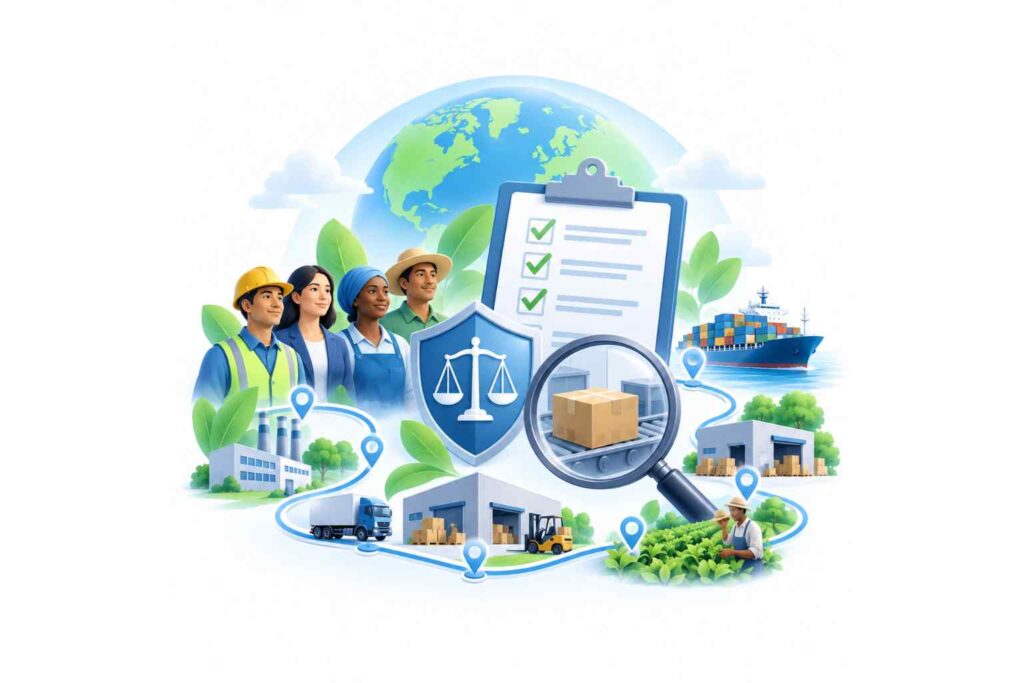
Human rights due diligence is the process of identifying, preventing, addressing and monitoring actual or potential harm to people across a company’s operations and value chain. It can cover issues such as forced labour, unsafe working conditions, discrimination, low pay, land rights and harm to communities.
The EU Corporate Sustainability Due Diligence Directive focuses on in-scope companies addressing adverse human rights and environmental impacts in their own operations, subsidiaries and chains of activities. Most SMEs will not be directly in scope, especially after simplification of the rules, but they may still feel the effect through supplier questionnaires, procurement checks and larger customers asking for clearer policies, evidence and standards.
Hazardous Waste
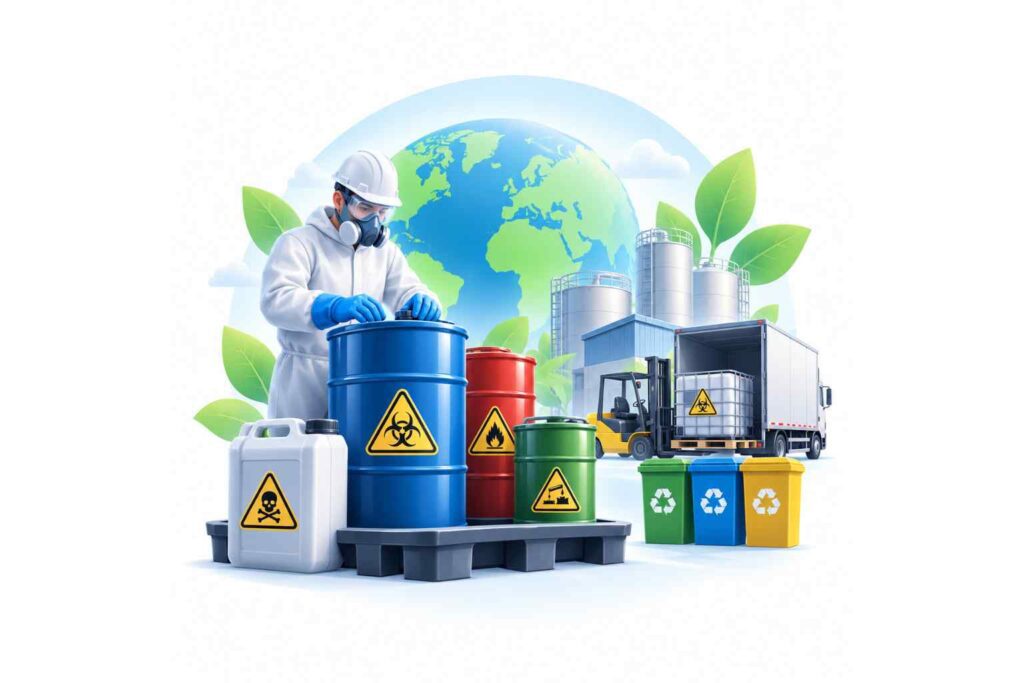
Our final Sustainability Terms, H Edition, is hazardous waste, which is waste that can harm people or the environment, including items such as asbestos, chemicals, batteries, solvents, pesticides, oils and equipment containing ozone-depleting substances. It is one of the most practical H terms because it affects everyday operations in sectors far beyond heavy industry.
In England, businesses that produce, store or have hazardous waste removed must classify it, separate and store it safely, use authorised carriers and permitted sites, complete consignment notes and keep records. Good hazardous waste management reduces legal risk, protects staff and prevents avoidable environmental harm.

Sustainability Terms H Edition: Wrap-Up
Sustainability Terms H Edition shows how wide the sustainability conversation has become. The same alphabet can take a business from heavy industry and carbon markets to biodiversity, future planning, people, supply chains and waste management.
The useful action is to connect each term to a decision. Ask whether hard-to-abate emissions sit in your supply chain, whether nature claims are properly evidenced, whether carbon credits are high integrity, whether emerging risks are being scanned, where your operational hotspots sit, how your people data supports resilience, whether human rights risks are understood, and whether hazardous waste is being managed properly.
For Play It Green customers, these terms are part of a practical route forward. Learn the language, reduce where action is available, strengthen the evidence behind claims, support verified nature repair and social impact, and communicate progress in a way that customers, suppliers and colleagues can trust.
Create Commercial Value with Play It Green
Play It Green helps businesses make sustainability practical, measurable and commercially sensible.
Our members learn through simple weekly education like this article, Sustainability Terms H Edition, reduce their footprint with support and expert signposting, repair nature across land, coast and sea, and create social impact through our 10% revenue giveback to good causes.

That gives your business credible action you can share with employees, customers and other stakeholders, backed by transparent reporting and measurable impact.
If you want to cut costs, reduce risk, attract great people and build stronger customer loyalty through sustainability, including measurement and reduction, nature repair and social impact, speak to Play It Green.
Find Out More