

Sustainable Activewear: Introduction
Sustainable Activewear has become a hot topic every January, usually right after people realise their new gym kit came wrapped in plastic and guilt. We all want clothes that move, stretch, breathe, and survive more than three washes. The problem is that most activewear is built for performance first, and the planet never gets a look in.
From oil-based fabrics to fast fashion cycles, what we wear to feel healthy often carries a heavy footprint. The good news is that better options exist, and they no longer look like hemp sacks from 2003.
This week’s tip looks at where gym wear came from, why it matters, and how to make smarter choices that last longer than a New Year’s resolution.

A Brief History of Gym Wear
Gym wear has not always meant shiny leggings and compression tops. Early fitness clothing was simple and functional, usually made from cotton or wool. Think school PE kits, tracksuits, and basic shorts that did one job and did it badly. Comfort came second to practicality, and performance fabrics were still decades away.
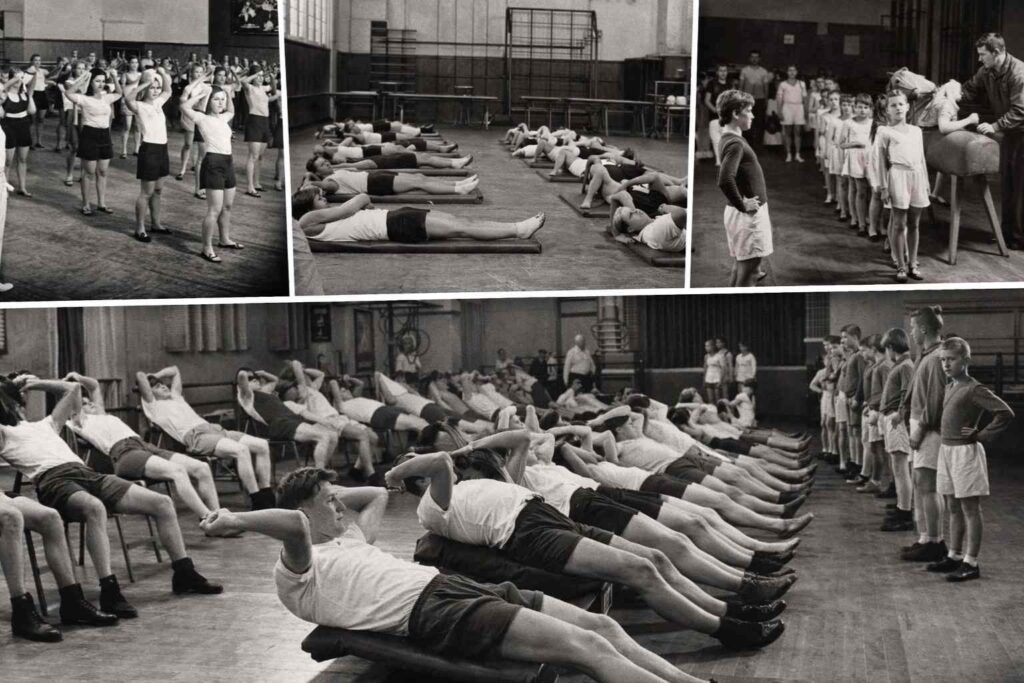
The real shift arrived in the late twentieth century with the rise of synthetic fibres like polyester, nylon, and elastane. These materials were lightweight, stretchy, and quick-drying, which made them perfect for sports. Brands quickly leaned into science-led marketing, promising better results through better fabrics. Gym wear also stopped being something you trained in and became something you lived in.
Athleisure pushed this even further. Leggings became everyday clothing. Hoodies replaced jumpers. Gym wear turned disposable as trends changed faster than the clothes wore out. That convenience came at a cost, and it is one we are only just starting to face.
Get In TouchThe Environmental Impact of Non Sustainable Activewear
Most non sustainable activewear is made from plastic. Polyester alone accounts for more than half of global textile production, and it is derived directly from fossil fuels. Worse still, each wash releases microfibres that pass through water treatment systems and end up in rivers and oceans. One load of synthetic laundry can shed hundreds of thousands of fibres.
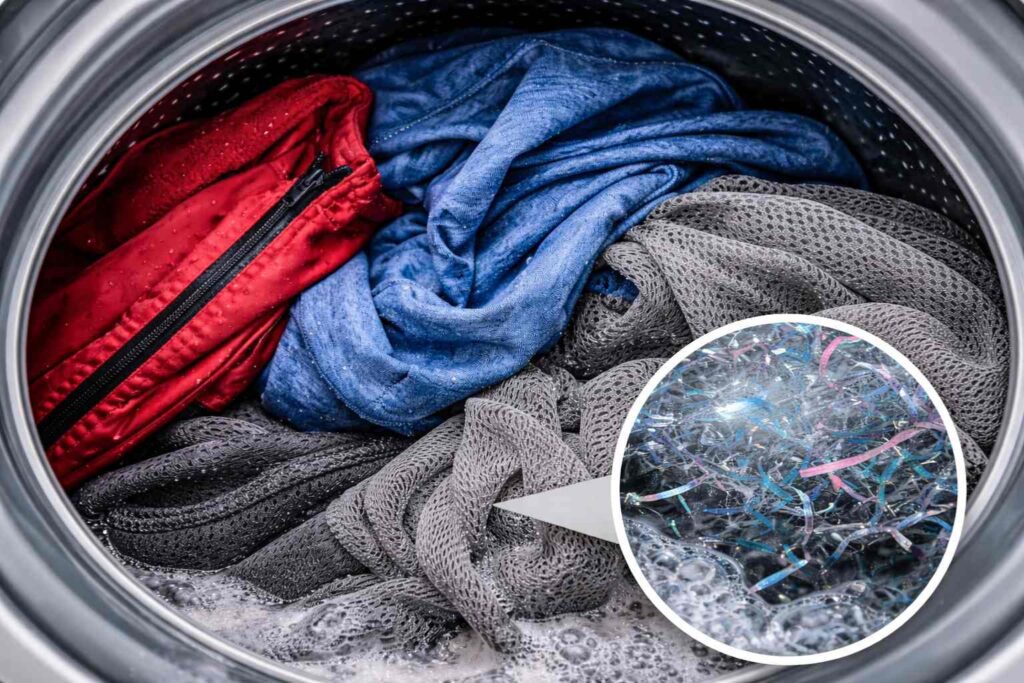
The impact does not stop there. Dyeing and finishing activewear uses large volumes of water and chemicals, often in countries with weak environmental protections. Add short product lifespans, trend-driven purchases, and low recycling rates, and gym wear becomes a quiet contributor to waste and emissions.
Clothing production now generates more emissions than international flights and shipping combined. Activewear plays a significant role in that figure, largely because it is designed to be replaced rather than repaired. Choosing Sustainable Activewear is not about perfection. It is about slowing the cycle and buying with intent.
What to Look For in Sustainable Activewear
Good Sustainable Activewear starts with materials. Recycled polyester reduces reliance on virgin oil, though it still sheds fibres. Natural options like organic cotton, bamboo, and TENCEL™ offer breathability with a lower environmental cost. The best brands are honest about trade-offs rather than claiming miracles.

Durability matters just as much as fabric choice. A well-made item worn for years beats a greener option replaced every season. Stitching, fabric weight, and fit all affect lifespan. Repair services and take-back schemes show that a brand is thinking beyond the sale.
Certifications help cut through green claims. Look for transparency around supply chains, labour conditions, and production volumes. Fewer drops and timeless designs usually signal restraint rather than hype. Sustainable Activewear should support movement without fuelling constant replacement.

Three Activewear Brands Worth Knowing
Rapanui
Rapanui focuses on circular design and durability, creating clothing that’s made to last and designed to be returned and recycled at the end of its life. Their pieces prioritise comfort and function over trends, using responsible materials and thoughtful construction. Much of Rapanui’s activewear collection is currently in a winter sale, where you can save up to 30% as they make room for new season arrivals, plus you can sign up to their newsletter for 10% off your first order.
Check out their collection on the Rapanui website!
TALA
TALA has helped bring sustainability into the mainstream fitness conversation. Their collections use recycled fibres and transparent production practices without sacrificing style or performance. It is a gateway brand for people making their first switch to more responsible gym wear. Take advantage of 10% off your order with the voucher code EMAIL10FIRST (not available on sale items).
Check out the Tala website.
BAM
BAM specialises in bamboo-based fabrics that are soft, breathable, and hard-wearing. Their men’s activewear focuses on comfort and everyday wearability rather than loud branding. It suits people who want kit that works just as well outside the gym as inside it. For 15% off your first order, use voucher code PLAYITGREEN15 (not available on sale items).
Go to the BAM website.
Sustainable Activewear: Wrap Up
Sustainable Activewear shows that training well and living responsibly do not need to clash. By choosing better materials, valuing durability, and supporting brands that slow the cycle, everyday fitness habits can become part of a wider solution.
At Play It Green, we believe change happens through normal decisions repeated daily, not grand gestures. What you wear to move your body is one of those decisions. Small shifts, multiplied across a community, start to add up.
If this tip made you pause before your next purchase, it has done its job.

If you enjoyed this tip on sustainable activewear, why not become part of a community creating positive change by partnering with Play It Green?
We help you reduce your footprint, repair the planet, and regive to social causes that matter, all through simple, measurable actions that fit your business.
Modern employees, consumers, and investors want to see impact, not promises. With Play It Green, your sustainability journey becomes visible, credible, and rewarding.
Join us today and turn good intentions into lasting results.