

Sustainable Blankets: Introduction
Sustainable blankets are the secret to staying warm without heating up the planet. As the cold sets in and we reach for comfort, few of us realise that our cosy throws can carry a heavy environmental cost. Traditional blankets often use synthetic fibres made from fossil fuels, wrapped in plastic packaging and produced with little thought for sustainability.
This week, we’ll uncover the story of blankets, explore their environmental impact, and share how choosing sustainable options can keep both you and the Earth a little warmer this winter.

A Brief History of Blankets
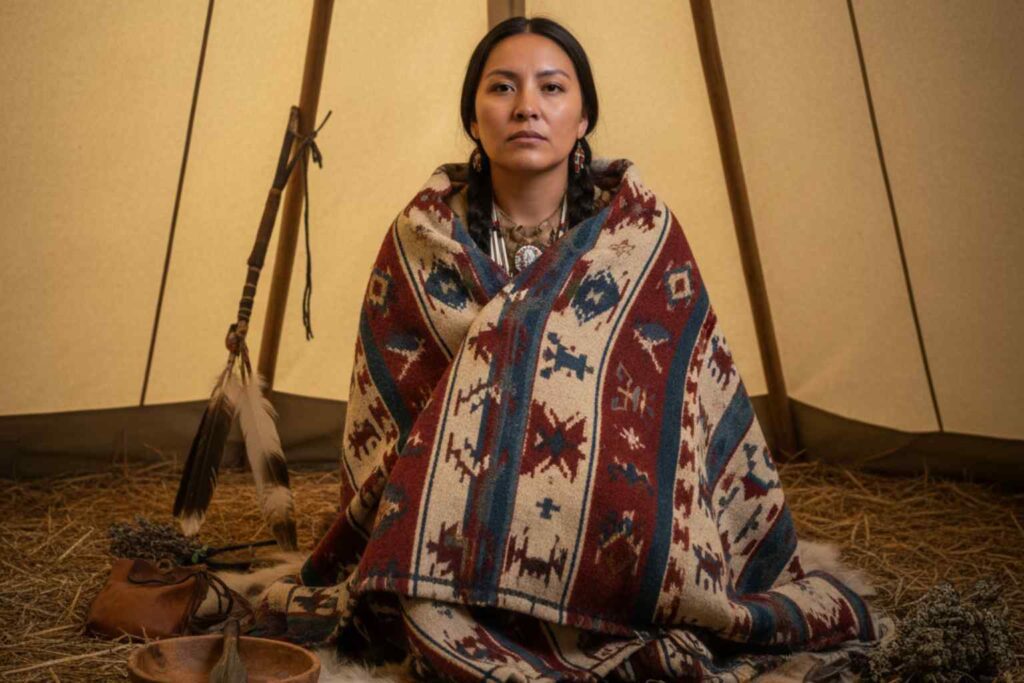
Blankets have been part of human comfort for thousands of years. The ancient Romans used woollen coverings called Caracalla(named after the emperor). While in North America, Indigenous tribes created woven designs that reflected both artistry and identity. In medieval Europe, wool blankets were prized luxury items, often reserved for the wealthy.
In the eighteenth century, Englishman Thomas Whitty founded the Witney Blanket Company, producing the first widely available blankets and making warmth accessible to more households. By the twentieth century, industrial production and synthetic fibres such as acrylic and polyester made blankets cheaper and easier to wash, changing the way we slept and lived.
Over time, blankets became a universal comfort, woven into daily life across every culture and climate. Whether made from wool, cotton, or later synthetic blends, they have always been symbols of warmth, care, and protection, something we all reach for when the temperature drops.
Get In TouchEnvironmental Impact of Traditional Blankets
It is easy to forget that comfort has a carbon cost. Conventional blankets made from polyester and acrylic are derived from petroleum, releasing at least 5.5 kilograms of CO₂ for every kilogram produced. These synthetic fibres also shed microplastics with every wash, contributing to an estimated 500,000 tonnes of microfibre pollution entering oceans each year.
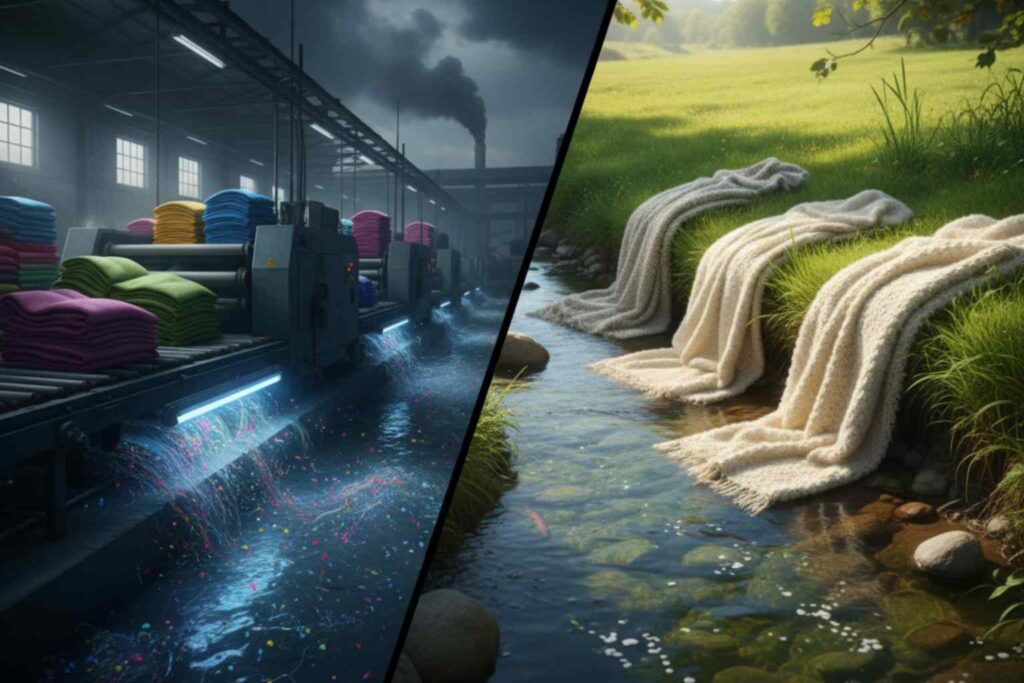
Natural materials are not always guilt free either. Traditional wool production can create methane emissions, degrade soil, and use chemical dyes that pollute waterways. Combine that with plastic packaging and long-distance transport, and it becomes clear that warmth can come at a high environmental cost.
Sustainable alternatives are helping change that story. From recycled fibres and organic cotton to ethically sourced wool and bamboo blends, modern makers are lowering emissions and reducing waste. Some brands now repurpose post-consumer textiles, creating circular products that conserve resources and give old fabrics a second life.
What to Look For in Sustainable Blankets
A great sustainable blanket offers comfort, durability, and transparency. Start by checking the materials. Organic cotton, hemp, bamboo, and recycled fibres all have far smaller footprints than polyester. If you prefer wool, look for products certified by the Responsible Wool Standard (RWS), which guarantees animal welfare and sustainable farming.
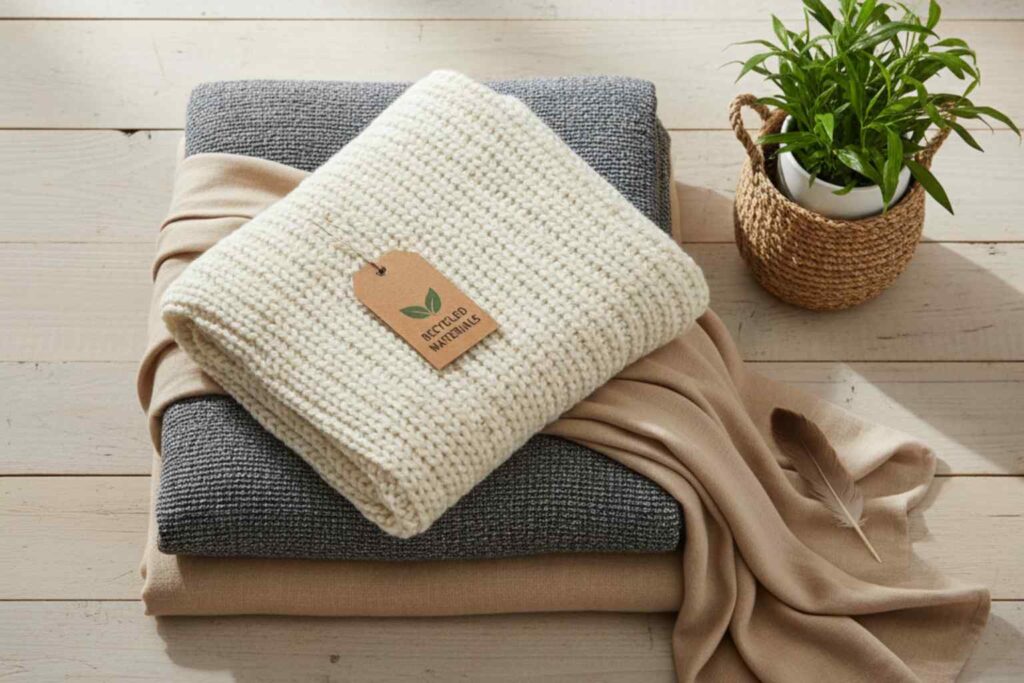
Certifications are key to identifying trustworthy brands. The Global Organic Textile Standard (GOTS) confirms organic production, OEKO-TEX® Standard 100 ensures fabrics are free from harmful substances, and B Corp certification highlights strong social and environmental values.
Pay attention to packaging too. Recycled, compostable, or minimal packaging helps cut waste. Locally produced blankets reduce transport emissions, while choosing timeless designs made to last prevents unnecessary replacements. A blanket that lasts for years is one of the most sustainable choices of all.

Three of Our Favourite Sustainable Blankets Brands
Ethical Bedding
Ethical Bedding creates luxury blankets and bedding made from sustainable eucalyptus fibres. Naturally hypoallergenic and breathable, their products use 30 per cent less energy and 95 per cent less water than cotton. As a certified B Corp, they ensure ethical production, zero plastic packaging, and a carbon neutral supply chain!
Use voucher code PLAYITGREEN15 for 15% off your order (minimum full price purchase of £75 and can’t be used with other offers).
Weaver Green
Weaver Green has transformed over 200 million recycled plastic bottles into beautiful, soft textiles that look and feel like wool. Their blankets and throws are stain resistant, machine washable, and fully recyclable at the end of life. Each design combines style with sustainability, proving that comfort and circularity can go hand in hand.
Second Nature
Second Nature focuses on natural fibres and timeless craftsmanship. Their blankets are made from organic cotton, recycled wool, and responsibly sourced materials. Each piece is created with longevity in mind, encouraging conscious consumption and less waste. Sustainability here is not a trend but a commitment to doing things the right way.
Sustainable Blankets: Wrap-Up
Sustainable blankets prove that warmth and ethics can coexist beautifully. By choosing recycled or responsibly sourced materials, supporting transparent brands, and investing in quality over quantity, you are helping reduce waste and emissions while supporting ethical production.
At Play It Green, we believe comfort should never come at the cost of the planet. Every mindful purchase, from what is on your bed to what is in your wardrobe, brings us closer to a more sustainable future. Join our community, take small steps, and together we can keep both our homes and the Earth a little warmer.
Join The Community Making Change
Get more tips like this one on sustainable blankets and integrate net zero action, education, nature repair and social impact into your personal life and business operations. We make it simple and effective, because making positive change shouldn’t be hard, it should be impactful!
Join Play It Green now for £5 per person per month!
Sign Up