
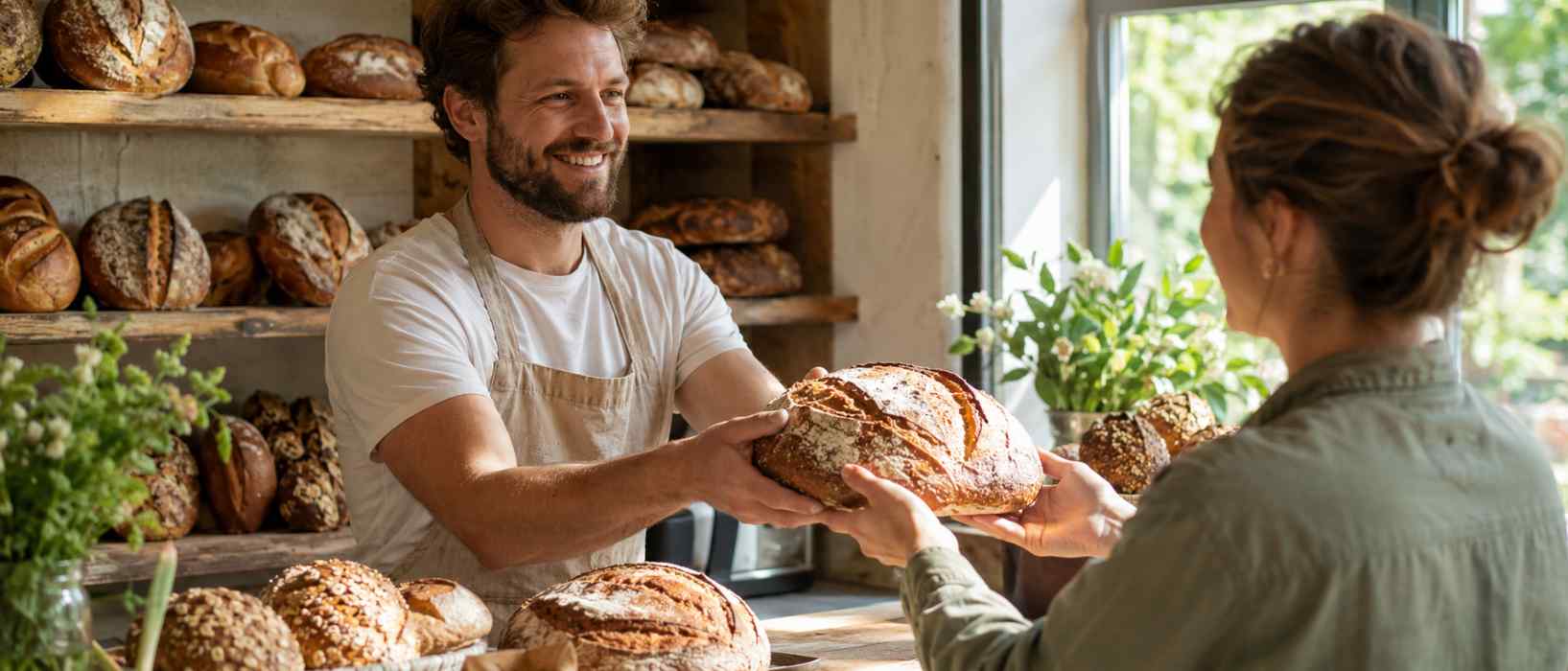
Sustainable Bread: Introduction
Sustainable Bread is a timely subject for September, with Sourdough September running throughout the month. Bread has fed people for thousands of years, yet supermarket loaves rarely tell you much about their grain or baker. Farming methods, flour, fermentation, energy, packaging and waste all change the footprint of something we buy almost automatically.
There is plenty to examine without turning lunch into homework. We traced bread from early origins through industrial production, then picked out practical ways to choose and waste less. The differences are easy to miss, particularly when two loaves can look nearly identical on the shelf.

A Brief History of Bread
Long before bakeries, supermarkets or established farming, people were already making bread. Archaeological evidence from north-eastern Jordan includes charred bread-like remains dating to around 14,400 years ago. That is roughly 4,000 years before agriculture became established. Those early breads were probably flat, coarse and made from wild cereals gathered by hunter-gatherers.
As farming spread, bread became central to diets across Egypt, Greece, Rome and much of Europe. Milling improved, ovens became more effective and regional recipes developed around grains suited to local soils and weather. Bakers became familiar figures in towns and villages, and bread carried social importance alongside its obvious role as food.
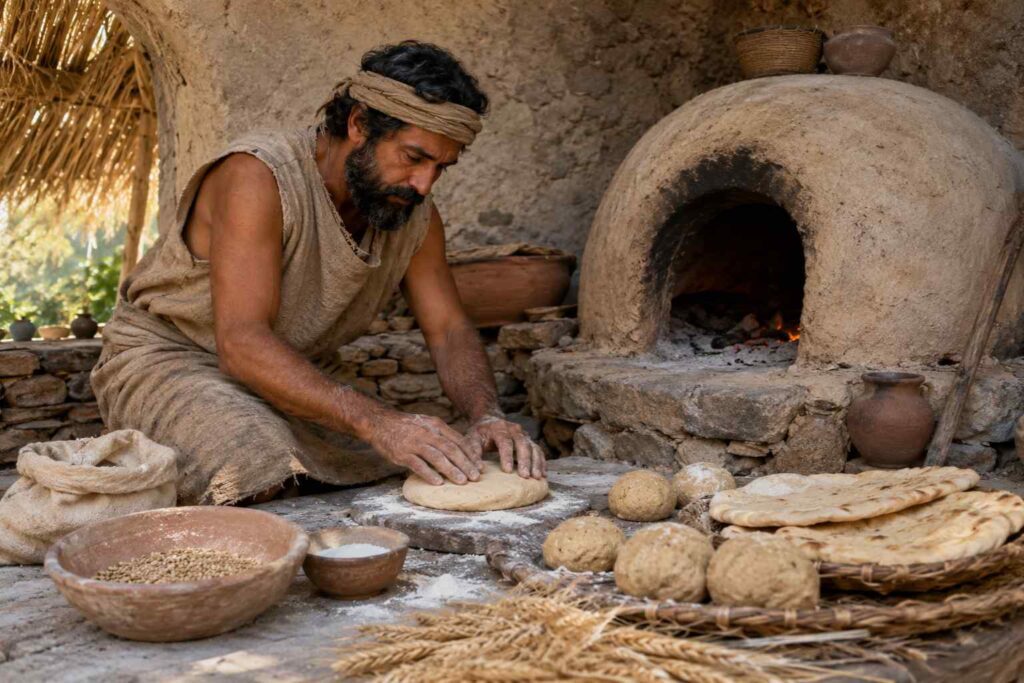
Medieval communities often relied on local mills, and baking developed into a recognised skilled trade. Rye, barley and wheat produced very different loaves, and regions developed traditions long before branded sliced bread reached shop shelves.
Industrialisation changed that relationship through roller milling, which produced finer white flour at scale. Mechanised bakeries increased consistency, and Britain introduced the Chorleywood Bread Process in 1961. Intensive mixing cut production time dramatically and helped factories produce soft, uniform loaves at speed. That newer supply chain had a very different environmental footprint from the local mills and slower baking methods that came before it.
Find Out MoreThe Environmental Impact of Non-Sustainable Bread
The environmental footprint of Sustainable Bread is heavily influenced by how wheat is grown. University of Sheffield research found ammonium nitrate fertiliser accounted for 43% of emissions in the bread supply chain. Producing fertiliser needs substantial energy, and treated soils can release nitrous oxide after nitrogen is applied, which itself is bad for climate change.
Milling and baking then use electricity and heat, whilst transport adds fuel, and plastic bread bags create another waste stream. Across billions of loaves, those impacts build quickly before household waste is even counted. Farming methods, bakery efficiency and the distance ingredients travel can all change the total. Plus, edible bread that gets binned wastes every bit of resource already used to produce it.
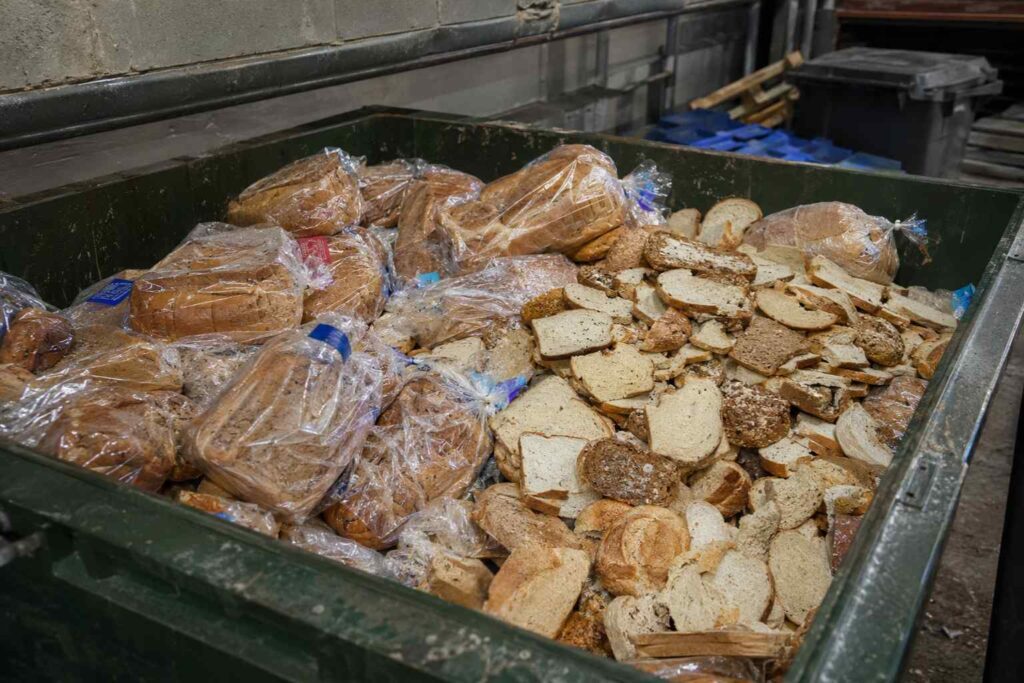
WRAP estimates UK homes throw away around 960 tonnes of bread every day. That equals roughly 24 million slices, or 1.2 million loaves for which the farming, milling, baking, packaging and transport have already been paid for.
Bread waste hits household budgets too, particularly when food prices are under pressure. Buy the amount you will eat, freeze spare slices and use older bread for toast, croutons or breadcrumbs. Those habits can cut waste without changing anyone’s diet.
What to Look For in Sustainable Bread
When it comes to sustainable bread, the flour tells you plenty, so it’s a good idea to check whether the grain is organic, regenerative, locally milled or clearly traceable. Organic certification gives shoppers a recognised standard, with certified grain grown without synthetic pesticides or artificial fertilisers. Regenerative claims also deserve closer scrutiny, so look for bakeries that name their farms, mills or farming methods in plain language. If there are details about growers and mills, this makes comparisons easier than broad sustainability claims.
Ingredient lists can also reveal plenty, and genuine sourdough usually uses flour, water, salt and a live starter. Extra ingredients are not automatically a problem, but clear labelling helps you see what you are buying.
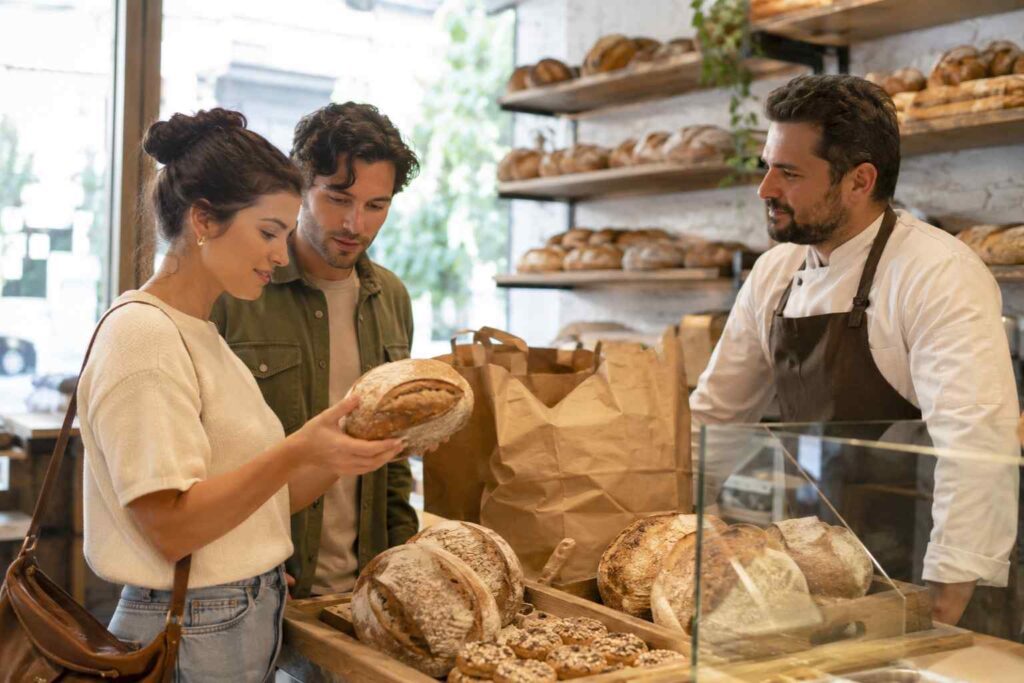
Buying local can support regional jobs, improve traceability where bakeries work directly with nearby farms and mills and it reduces distribution mileage. It is also equally useful to check how a bakery handles energy, packaging and edible surplus. A high price does not guarantee better bread, so provenance and clear sourcing are more useful than premium-looking packaging. You will find bakery staff can often answer useful questions about flour, fermentation and sourcing.
At home, choose a loaf size you can finish, freeze slices before they dry out and use older bread creatively. A good loaf should taste great and last well, with enough information to identify its grain, farmer and baker.

Three of Our Favourite Sustainable Bread Brands
Hobbs House Bakery
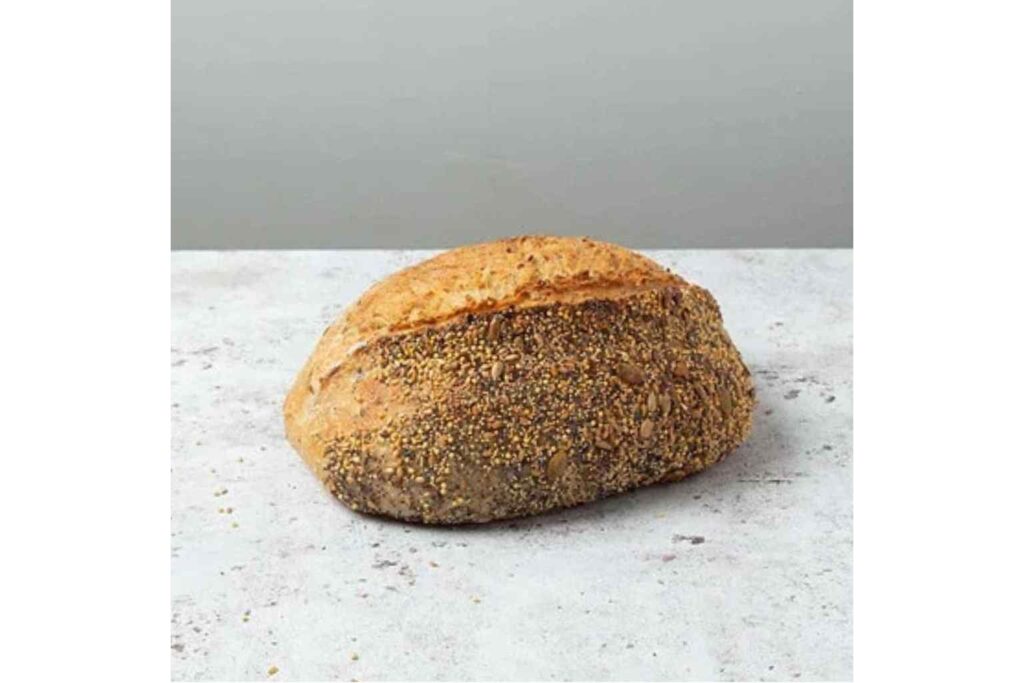
Hobbs House Bakery is a fifth-generation family bakery and certified B Corp. It aims to source all its flour from healthier soils by 2032, working with organic and regenerative farmers. Its Organic Wild White sourdough uses locally grown flour across a 47-mile farm-to-mill-to-bakery route. Surplus bread is shared through community initiatives, adding practical food-waste action to its soil health work. The bakery works closely with growers and millers, keeping more flour connected to nearby farms and reducing distribution mileage.
Website: https://www.hobbshousebakery.co.uk/
Use voucher code PLAYITGREEN15 for 15% off your first order (offer ends six weeks from publication).
Lovingly Artisan
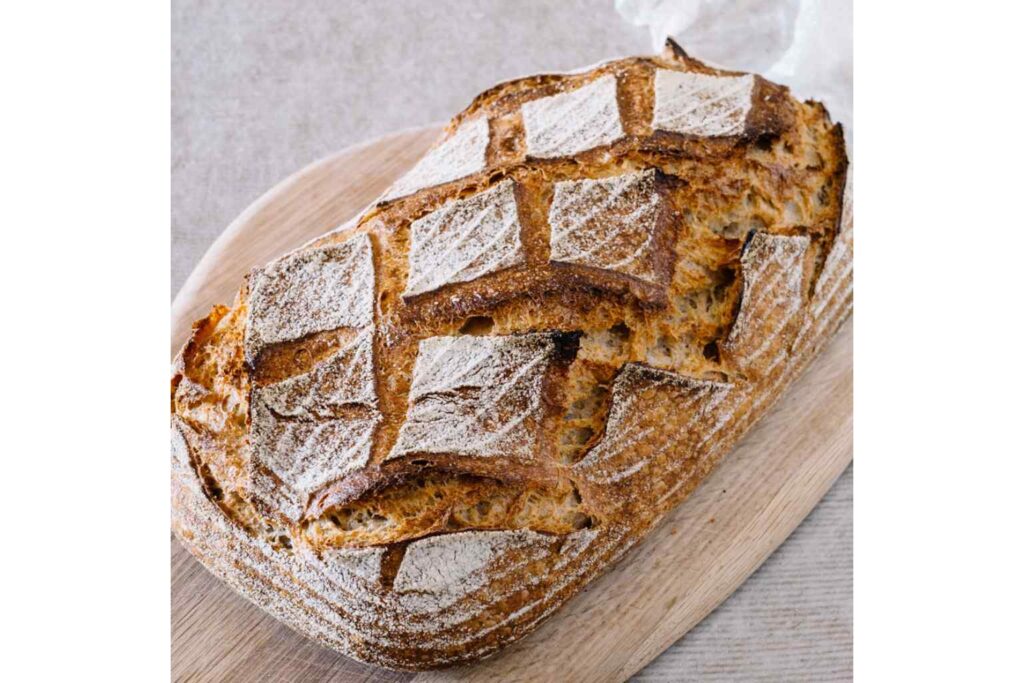
Lovingly Artisan makes slow-fermented sourdough in the Lake District, using organic ingredients where possible. The bakery has its own flour mill near Kendal and works directly with farmers on a local heritage-grain supply chain. Its newer grain project uses regenerative methods without pesticides or fertilisers. Customers can trace a much clearer line from soil and grain through to the finished loaf. Its own mill gives the team direct control over flour production alongside closer relationships with growers, reducing environmental impact and increasing local social impact.
Website: https://lovinglyartisan.com/
Use voucher code WELCOME10 for 10% off your first order (offer ends six weeks from publication date).
Hambleton Bakery
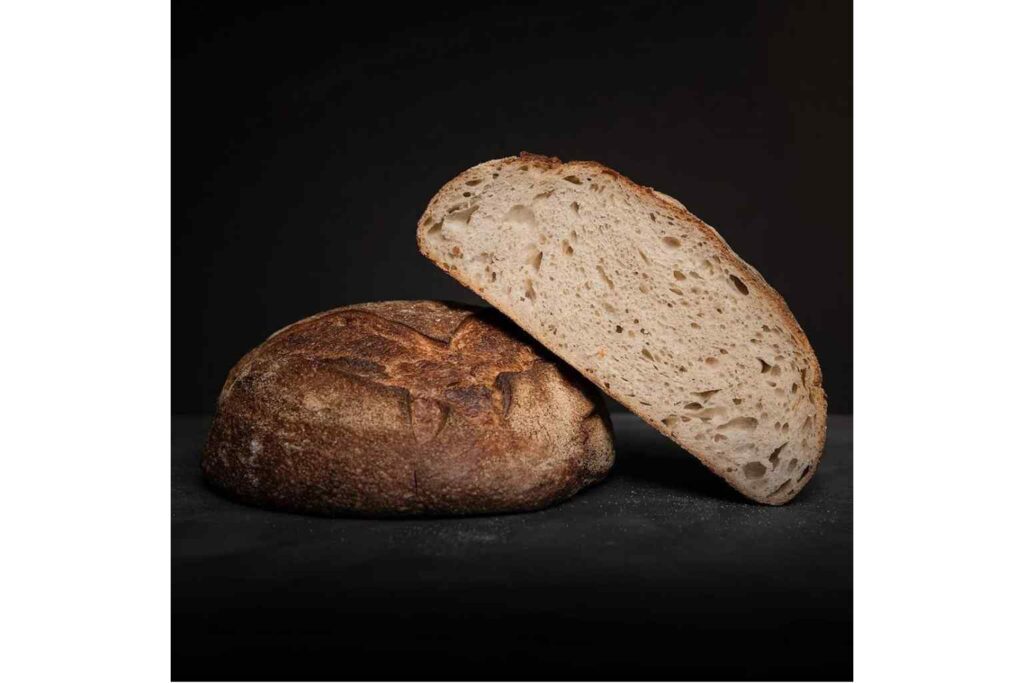
Hambleton Bakery holds B Corp certification & produces sustainable bread without additives or preservatives. Around 60% of its ingredients come from suppliers within 50 miles, keeping much of its sourcing regional. Its environmental policy covers solar, heat, recyclable or compostable packaging & bread redistribution. Some sourdough recipes use regeneratively grown grain from farmers working to improve soil health. Its purpose-built bakery uses natural cooling, solar generation and heat recovery to reduce energy demand.
Website: https://www.hambletonbakery.co.uk/
Sustainable Bread: Wrap-Up
Sustainable Bread can fit into everyday life without turning the weekly shop upside down, that’s because better grain, clear sourcing, genuine sourdough, and careful use of surplus can improve the loaf we already buy.
Sourdough September is a good excuse to visit a local bakery, try different flours, and check labels more closely and don’t forget, slicing and freezing half a loaf before it goes stale can make just as much sense.
If we work as a community, we will see that more and more people buying this way gives responsible farmers, mills and bakeries a stronger market and our financial support.
Join the Play It Green community for practical sustainability ideas you can use at home and at work.
Create Commercial Value with Play It Green
Play It Green helps businesses make sustainability practical, measurable and commercially sensible.
Our members learn through simple weekly education like this article on Sustainable Bread, reduce the business footprint with support and expert signposting, repair nature across land, coast and sea, and create social impact through our 10% revenue giveback to good causes.

That gives your business credible action you can share with employees, customers and other stakeholders, backed by transparent reporting and measurable impact.
If you want to cut costs, reduce risk, attract great people and build stronger customer loyalty through sustainability, including measurement and reduction, nature repair and social impact, speak to Play It Green.
Find Out More