
Sustainable Draught Excluders: Introduction
This week we take a look at sustainable draught excluders. Why? Read on to find out!
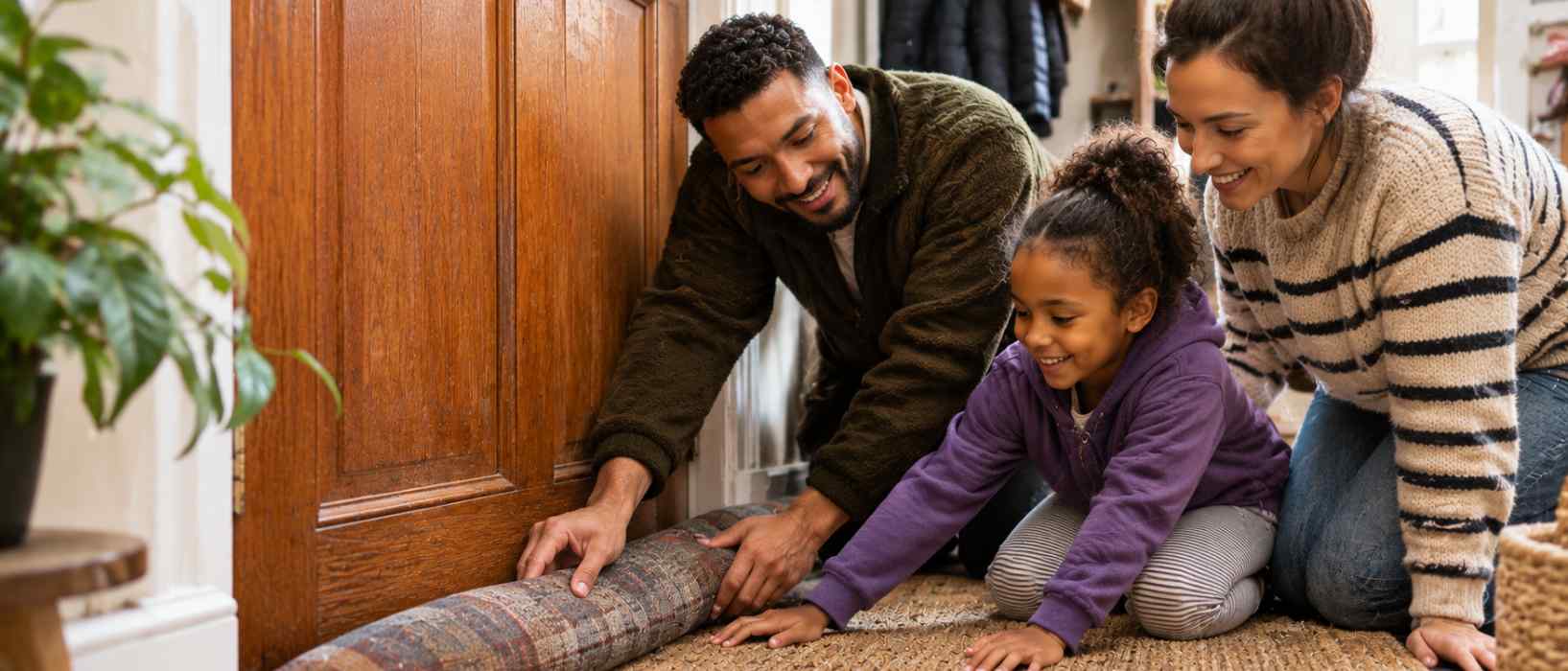
If the heating is on but your feet are still cold, check the front door before touching the thermostat. Even a narrow gap beneath an external door can let in a stream of chilly air when the wind picks up.
A quick test costs nothing: Place a rolled-up towel against the gap and see whether the room feels less draughty. If it helps, you can decide whether a fabric excluder is enough or a fitted brush or rubber seal would work better.
This week’s tip explores how these household helpers developed, what makes them worth keeping and three British makers using more sustainable materials to make our featured draught excluders!

A Brief History of Draught Excluders
Before central heating became common, keeping a British home warm required a little ingenuity. Open fires heated individual rooms, while gaps beneath doors, around windows and between floorboards allowed cold air to circulate. With fuel expensive and heat difficult to retain, households relied on simple ways to keep draughts at bay.
Heavy curtains, rugs and wooden shutters helped, but one of the easiest solutions was to roll up an old blanket or piece of clothing and place it along the bottom of a door. Over time, these makeshift barriers developed into the familiar fabric draught excluder, sometimes called a ‘door sausage‘.
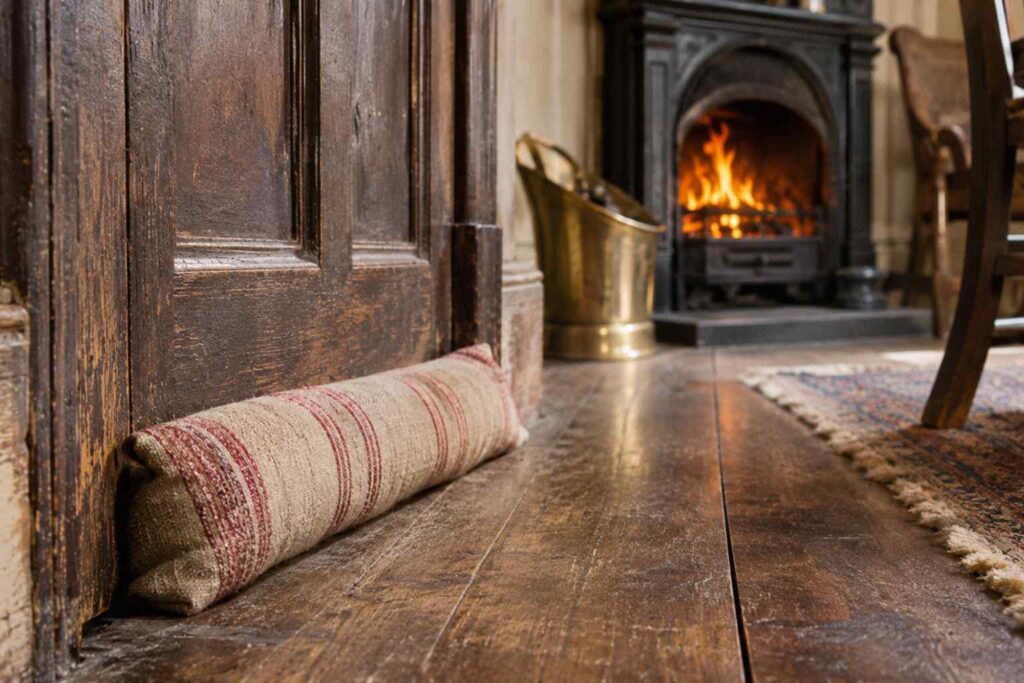
Many were homemade using leftover fabric stuffed with wool, rags or other available materials. They were inexpensive, repairable and could be recovered when worn, making good use of resources already in the home.
During the twentieth century, rubber seals, brush strips and other purpose-made draught-proofing products became increasingly common. However, traditional fabric excluders remained popular for their simplicity and affordability.
Today, versions made from recycled textiles, natural wool and reclaimed fabrics continue that tradition, showing how an old household solution can still help reduce unnecessary heating demand.
The Environmental Impact of No Sustainable Draught Excluders
Not having a sustainable draught excluder means cold air entering through gaps can make a room uncomfortable and increase heating demand. The Energy Saving Trust estimates that draught-proofing windows, floors and doors together could save around £55 a year in Great Britain. It’s amazing what you can do by taking simple steps to seal your home from the elements!
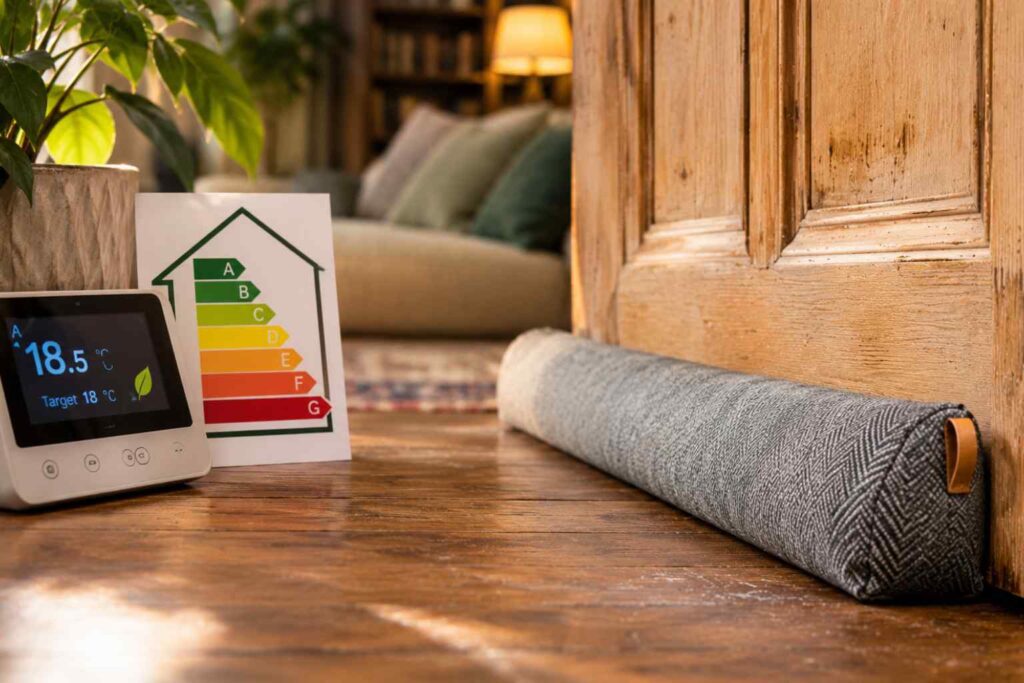
The materials deserve attention too as reusing a towel avoids another purchase, while reclaimed textiles can keep useful fabric in circulation. Wool and cotton may provide durable alternatives, although natural materials still have production impacts. But at the end of the day, what counts is whether an excluder is well made, easy to maintain and likely to be used for years.
Unwanted draughts are different from essential ventilation, and you must never block air vents, flues or airflow needed by fuel-burning appliances. The Energy Saving Trust also advises against sealing gaps beneath internal doors, which allow air to move through the home. If you’re unsure whether a gap is needed for ventilation, seek professional advice.
What to Look For in Sustainable Draught Excluders
Start by finding the draught and, on a windy day, check for daylight or moving air beneath the external door, around its frame and near the letterbox. A fabric roll may work at a straightforward threshold gap, but a fitted brush, flap or weather seal is more suitable where air enters around the edges.
Measure the doorway and think about how often it’s used. A weighted excluder should sit neatly against the door without getting in the way or creating a trip hazard. We recommend you look for sturdy stitching, secure filling and a cover that’s easy to clean, especially beside a busy entrance.
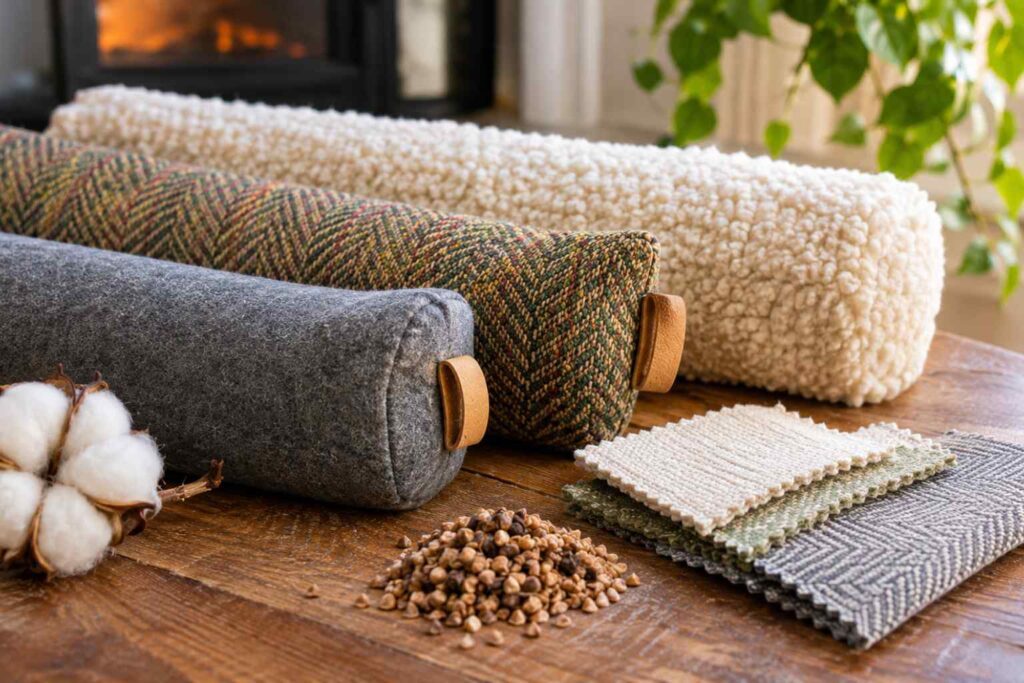
Before buying, check the linen cupboard, as an old towel makes a useful temporary fix, while a spare cushion cover or sturdy fabric can be sewn into a longer-lasting version filled with clean, dry textile offcuts. Keep the stuffing enclosed and dry the excluder properly if it becomes damp.
If a new product makes sense, ask where its materials came from and how it can be cared for. A good fit and a long working life tell you more than a broad ‘eco-friendly’ label.

Three Sustainable Draught Excluders Worth Exploring
Izabela Peters
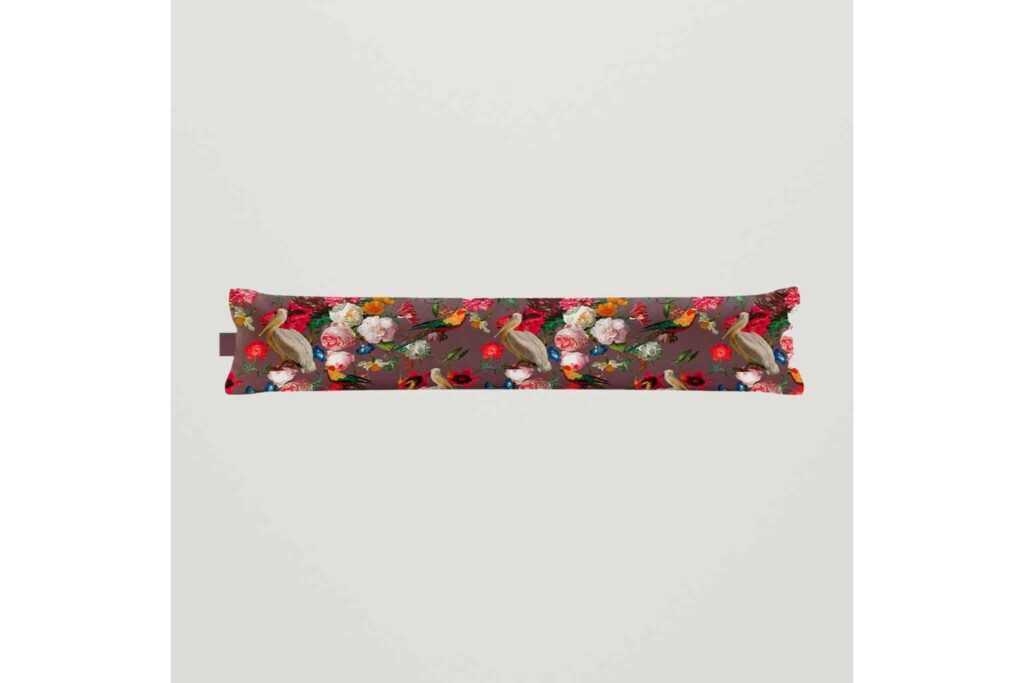
British homeware brand Izabela Peters offers decorative sustainable draught excluders designed, printed and made in its UK studio.
Both the velvet cover and inner filling use recycled fibres, reducing reliance on virgin materials.
The removable, machine-washable cover also makes the product easier to maintain, helping extend its useful life.
Website: Izabela Peters
Free UK shipping over £50.
Chimney Sheep
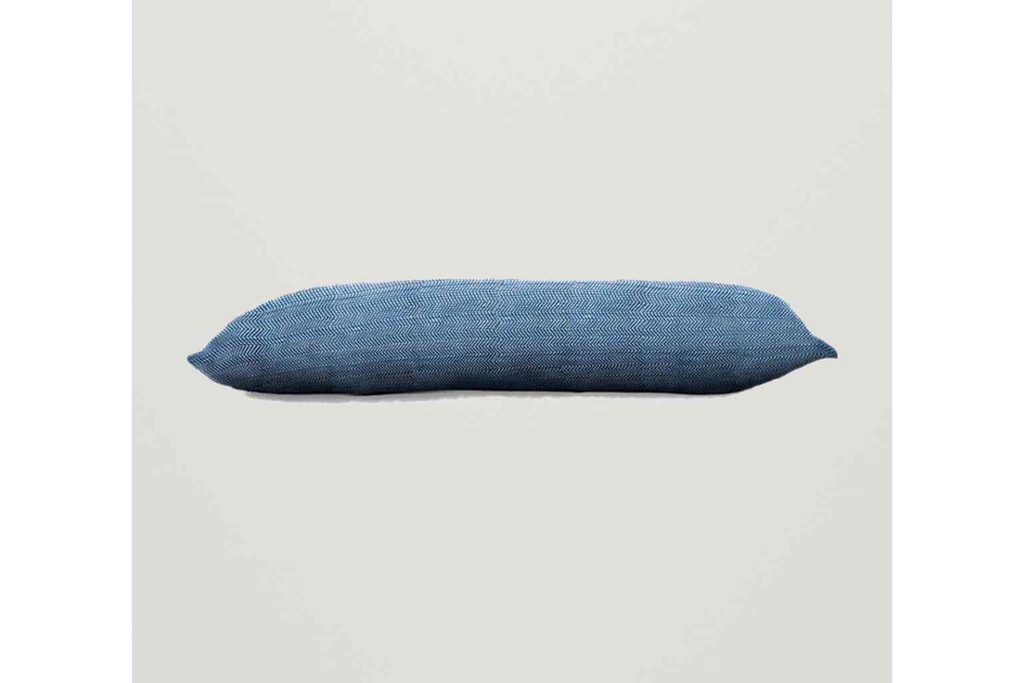
Cumbria-based Chimney Sheep makes sustainable draught excluders with organic cotton covers and Herdwick wool collected from local farms.
The wool is also used in its chimney products, allowing the business to put surplus filling to use.
Several sizes are available, which is helpful when matching an excluder to a particular doorway.
Website: Chimney Sheep
Play It Green reader offer to win a draught excluder – find out how in this week’s newsletter!
Ian Mankin
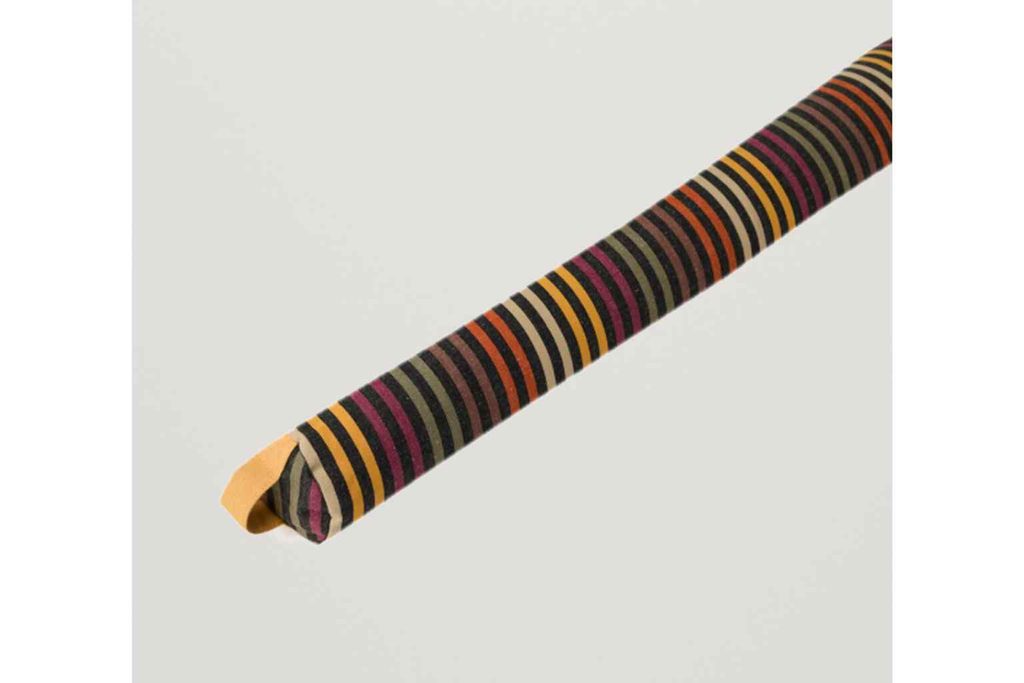
Lancashire textile maker Ian Mankin’s Palette Stripe draught excluder has a 100% cotton outer and buckwheat filling.
Its fabric is woven at the company’s Burnley mill, building on more than 150 years of local textile-making experience.
At roughly 90cm long, it’s worth measuring your door before choosing one.
Website: Ian Mankin
Play It Green readers, use voucher code PLAYITGREEN15 for 15% off your first order and be in with a chance to win a draught excluder – find out how in this week’s newsletter!
Reader Giveaway: To find out how to be in with a chance to win one of the sustainable draught excluders from one of our featured brands, make sure you are signed up to our newsletter.
Sustainable Draught Excluders: Our Thoughts
It’s easy to turn the heating up when a room feels cold, even when the problem is air coming through a gap. Finding its source and choosing the right fix can make the room more comfortable without an expensive solution.
Have a look at your external doors this weekend and try what you already own before buying anything. At Play It Green, we want weekly advice to be useful in real life, and keeping a home warmer with less wasted energy is a good place to start.
Related Play It Green reading: weekly insights and our approach.