
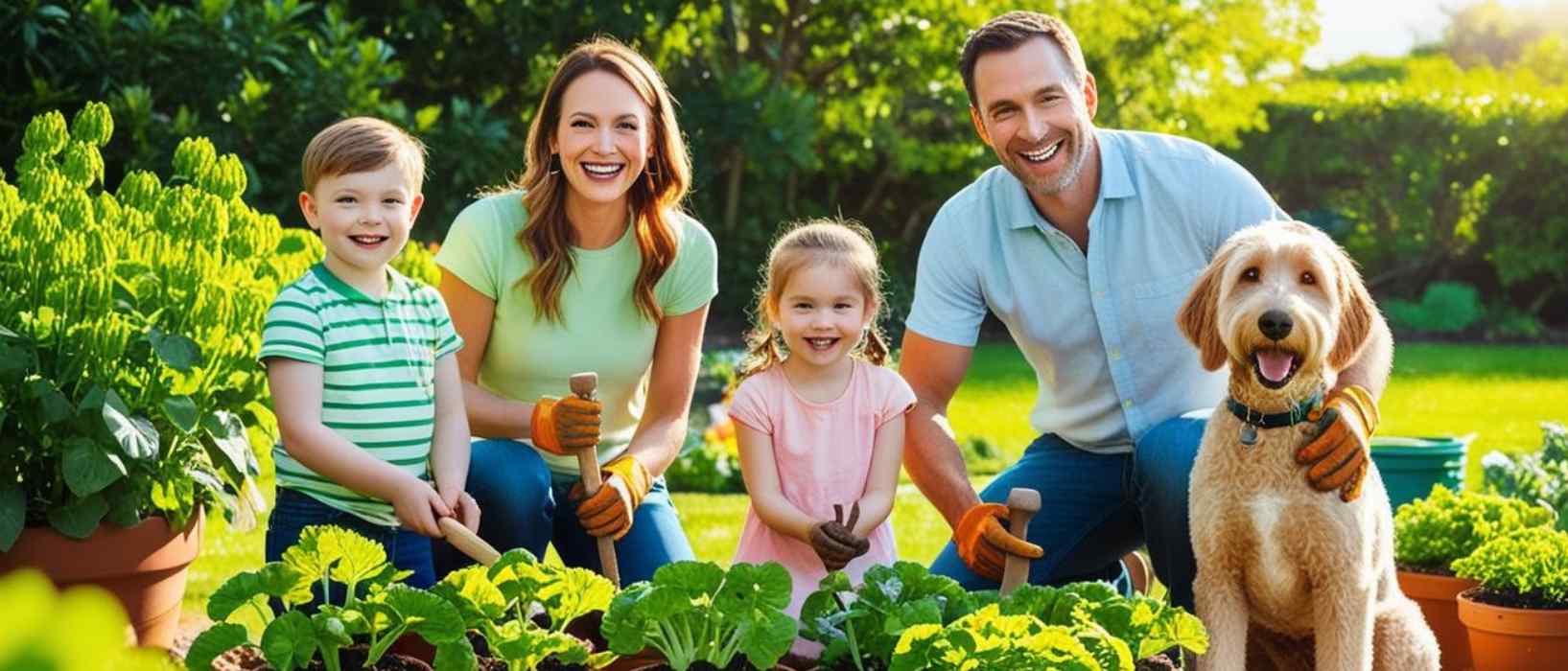
Sustainable Gardening: Introduction
Spring is nearly here, and with it comes the perfect time to embrace sustainable gardening. With March 7th marking the unofficial start of the growing season, now’s the moment to rethink how we cultivate our green spaces. Traditional gardening might seem harmless, but hidden beneath the surface lies a world of plastic waste, chemical-laden soil, and resource-heavy practices.
However, there is good news! Making small changes, like using peat-free compost, switching to biodegradable pots, and choosing water-efficient techniques, can make your garden a force for good. Whether you’re a seasoned grower or someone whose plants live in fear, it’s time to plant a better future.

A Brief History of Gardening
Gardening has evolved from a necessity to an art form over thousands of years. The earliest gardens were practical, growing fruits and nuts for survival. By 2000 BC, the Egyptians were cultivating ornamental gardens with lotus ponds and symmetrical rows of acacias, marking the shift from function to beauty. The Persians followed, creating intricate paradise gardens with flowing water and geometric designs that influenced global landscaping traditions.

The Romans took inspiration from conquered lands, filling walled courtyards with flowering plants, ponds, and mosaics. In the Middle Ages, gardening thrived in monasteries, where monks divided plots for herbs, vegetables, and orchards, while castles had enclosed pleasure gardens. The Renaissance saw Italian gardens expand into grand landscapes, later shaping the formal gardens of Baroque France and the naturalistic English landscape gardens of the 18th century.
Today, gardening continues to evolve, though not always for the better. While modern innovations have made gardening more accessible, they also come with hidden consequences that demand a shift towards sustainability.
Ask A QuestionThe Environmental Impact of Traditional Gardening
Modern gardening has a hidden dark side. Every year, 500 million plastic plant pots are discarded, most of which end up in landfills or waterways. Meanwhile, peat-based compost, still used widely, destroys peat bogs, which store twice as much carbon as forests and play a crucial role in climate regulation.
Chemical fertilisers also pose a major problem. Excess nitrates leach into rivers, causing algal blooms that suffocate marine life, with nitrate pollution costing the UK £1.4 billion annually. Meanwhile, pesticides have devastated pollinator populations, bee numbers have plummeted by 35% in the last two decades, putting food security and biodiversity at risk.

Artificial grass, another growing issue, prevents soil regeneration, blocks natural drainage, and releases microplastics as it degrades. Cities filled with synthetic lawns experience the urban heat island effect, where artificial surfaces absorb and radiate heat, making already warming areas even hotter.
Plastic gardening products further contribute to waste. The Royal Horticultural Society estimates 83% of gardeners still use plastic pots, many of which are non-recyclable. Choosing biodegradable alternatives or reusing materials can significantly cut down on this growing environmental burden.

What to Look For in Sustainable Gardening
Sustainable gardening starts with healthy soil. Peat-free compost is essential, preserving carbon-rich peatlands that help fight climate change. Using organic fertilisers, like seaweed-based plant food or homemade compost, enriches soil without synthetic chemicals.
Reducing plastic waste is another priority. Coconut coir, bamboo, and rice husks make excellent biodegradable alternatives to plastic pots, while wooden seed trays and fabric grow bags offer reusable options. 83% of gardeners still use plastic pots, many of which are non-recyclable. Swapping to sustainable materials is a simple but impactful change.

Water conservation is crucial. Garden irrigation increases household water use by 30% in summer. Installing rain barrels, using drip irrigation, and applying mulch to retain moisture significantly reduces waste.
Encouraging biodiversity is also key. Companion planting deters pests naturally, marigolds protect tomatoes from nematodes, and lavender attracts pollinators. Native plants require less maintenance, support wildlife, and adapt better to changing weather.
By integrating these methods, sustainable gardening becomes second nature, creating green spaces that benefit both your plants and the planet.

Three Brands Leading the Way in Sustainable Gardening
Haxnicks
Haxnicks is revolutionising garden sustainability with biodegradable seed trays, plastic-free grow bags, and breathable plant covers that protect crops without harming ecosystems. Their innovative products make it easier for home gardeners to reduce waste while improving plant health, because a greener thumb should never mean more landfill waste. Best of all you can take advantage of a 5% discount off your first purchase using code HAXCOTS. (Haxnicks Sustainable Gardening)
Franktons
Franktons is dedicated to providing organic gardening essentials, from nutrient-rich peat-free compost to all-natural fertilisers that boost soil health without polluting water sources. Their carefully curated range supports biodiversity, proving that a beautiful garden and a thriving planet go hand in hand. Use code GSCB10 for £10 off your first order when you spend £125. (Franktons Sustainable Gardening)
Chimney Sheep
Best known for their chimney insulation products, Chimney Sheep has expanded into sustainable gardening with wool-based mulch mats that suppress weeds and retain soil moisture naturally and many other great products. Their commitment to plastic-free, regenerative gardening solutions makes them a fantastic choice for those looking to garden smarter. Receive 15% off your first gardening equipment order using code PLAYITGREEN15 at checkout! (Chimney Sheep Sustainable Gardening)
Sustainable Gardening: Wrap-Up
Sustainable gardening isn’t about doing everything perfectly, it’s about making better choices, one step at a time. By switching to peat-free compost, embracing water-saving methods, and ditching plastic-heavy products, you can transform your garden into a haven for biodiversity.
The Play It Green community knows that small actions create big ripples, and together, we can ensure our gardens aren’t just beautiful, we can make them part of the solution. Ready to plant the seeds of change? Start today, and let’s make sustainable gardening the norm.
Not a member yet?
Sign UpJoin our community and learn how to be more sustainable. We’ll also plant a mix of 10 trees, mangroves and sea kelp monthly for you. All for £5 per person per month! Plus give 10% back to a charity of your choice. So what are you waiting for? Time to act and be the change!
Want more info before deciding? Click here.