
Sustainable Laundry: Introduction
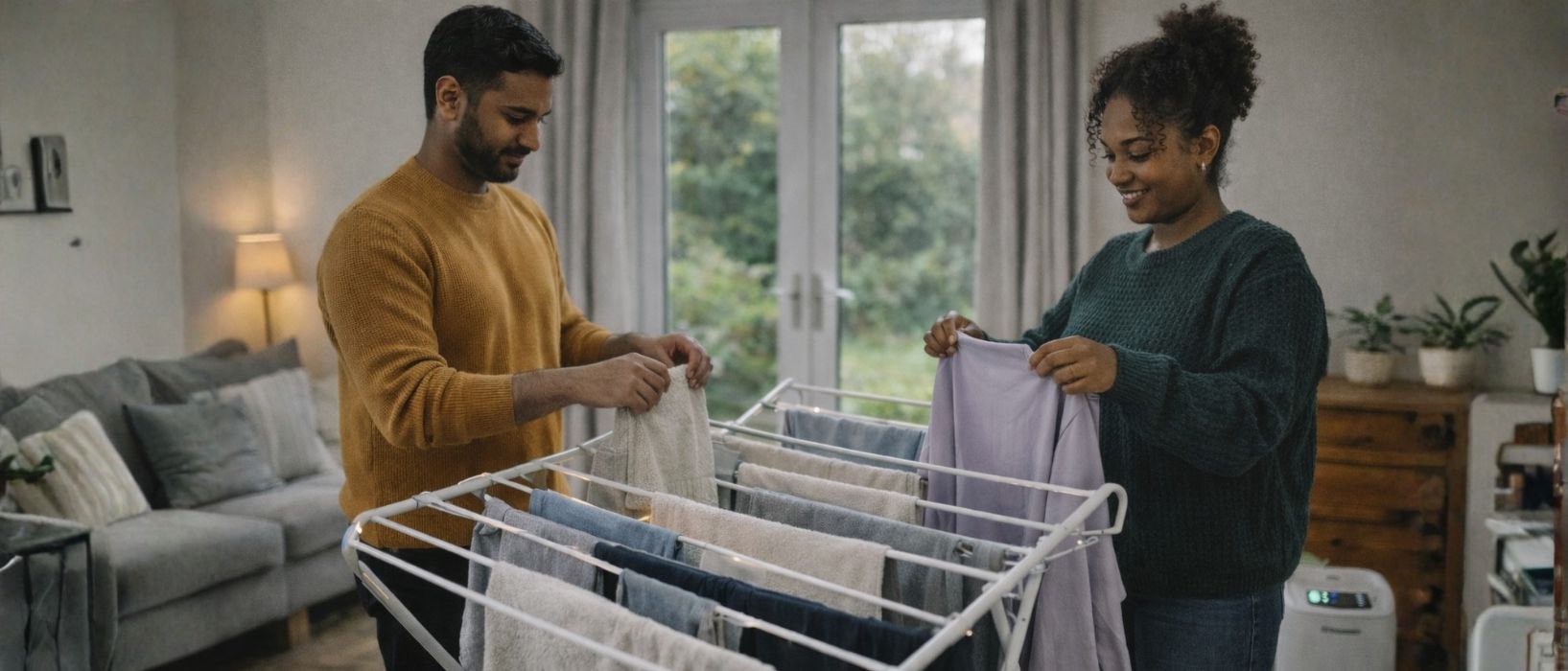
Sustainable Laundry is rarely framed as a system, yet it quietly shapes energy use, indoor air quality, and household costs, especially in winter. In February, outdoor drying is limited for many UK homes, so laundry decisions sit indoors. That shift matters more than people realise.
This Weekly Tip focuses on how laundry actually works in colder months. Not idealised habits. Not perfect solutions. Just realistic choices that reduce unnecessary energy use without adding friction to everyday life.
Laundry does not need reinvention. It needs better defaults.

A brief history of laundry
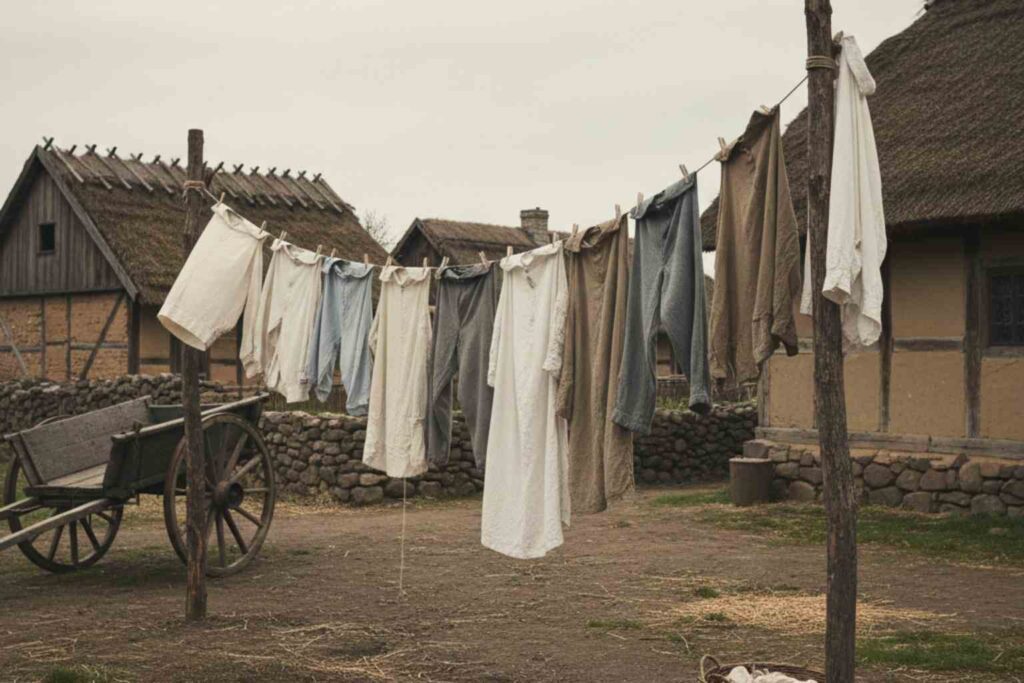
For most of history, laundry was slow and infrequent. In medieval Britain, clothes were washed by hand using lye soap made from ash and fats, then aired outdoors. Because washing required significant labour, garments were worn many times between washes and refreshed through brushing and airing.
Public washhouses expanded in the 18th and 19th centuries as urban populations grew. Soap production scaled, making washing more accessible, though it remained physically demanding and weather-dependent.
Domestic washing machines began appearing in the late 19th century, but widespread adoption in UK homes did not occur until the 1950s and 1960s, following post-war electrification. This reduced effort and time, increasing washing frequency.
Tumble dryers arrived later. Domestic models were found in the 1950s but became common from the 1970s onwards. For the first time, drying clothes no longer depended on outdoor space or weather. Laundry became detached from season and climate.
The physics never changed. The constraints did. Faster machines and indoor drying shifted laundry from a periodic task into a constant background activity.
Get In TouchThe environmental impact of non-sustainable laundry
Laundry energy use is dominated by two things: heating water and drying clothes. Washing at 40°C uses around 40% more energy than washing at 30°C, with minimal difference in cleaning for lightly soiled loads.
Drying is the larger issue. A typical tumble dryer cycle can use between 2–4 kWh of electricity, often more than the wash itself. Over winter, repeated use adds up quickly. By contrast, heated clothes airers typically use around 0.2–0.6 kWh per hour, depending on size.
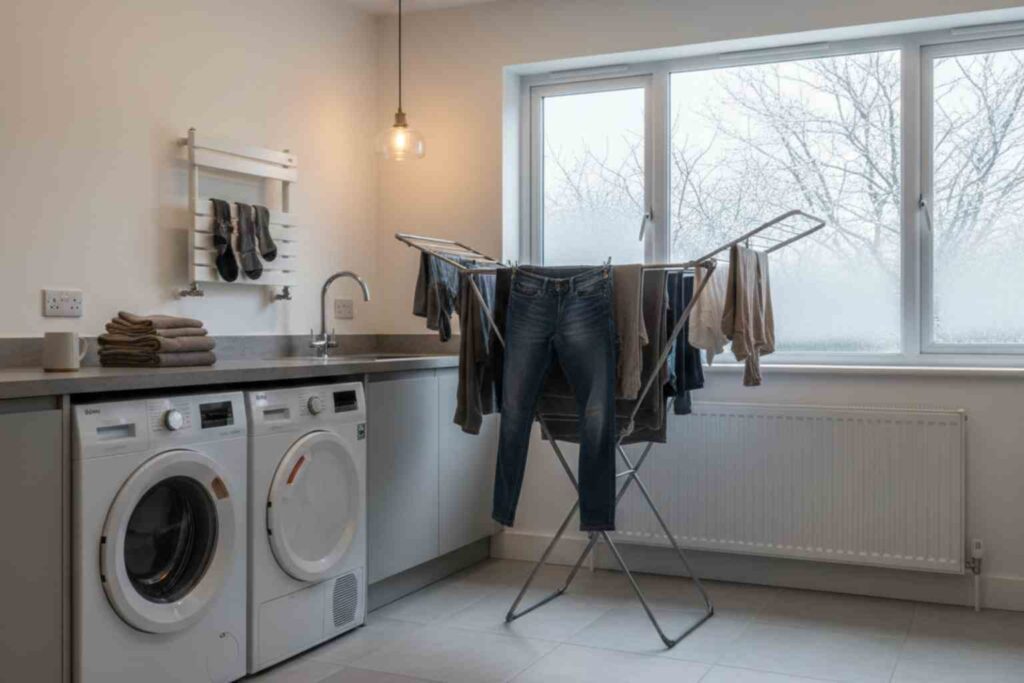
Indoor drying affects more than energy. Drying clothes on radiators releases moisture into the air, increasing indoor humidity. High humidity makes homes harder to heat and raises condensation and mould risk, which in turn impacts health and building fabric.
Microfibres add another layer. Synthetic clothing sheds plastic fibres during washing. Lower temperatures, fewer washes, and fuller loads reduce this release over time.
Sustainable Laundry is less about doing everything “right” and more about avoiding the most energy-intensive defaults.
What to look for with Sustainable Laundry
Winter laundry needs to work indoors. The question is how to dry clothes using the least energy while keeping homes healthy.
Lower wash temperatures matter. Modern detergents clean effectively at 30°C when machines are loaded properly. Washing less often also reduces energy and microfibre release, particularly for items worn briefly or layered and when we do wash, use a sustainable detergent!
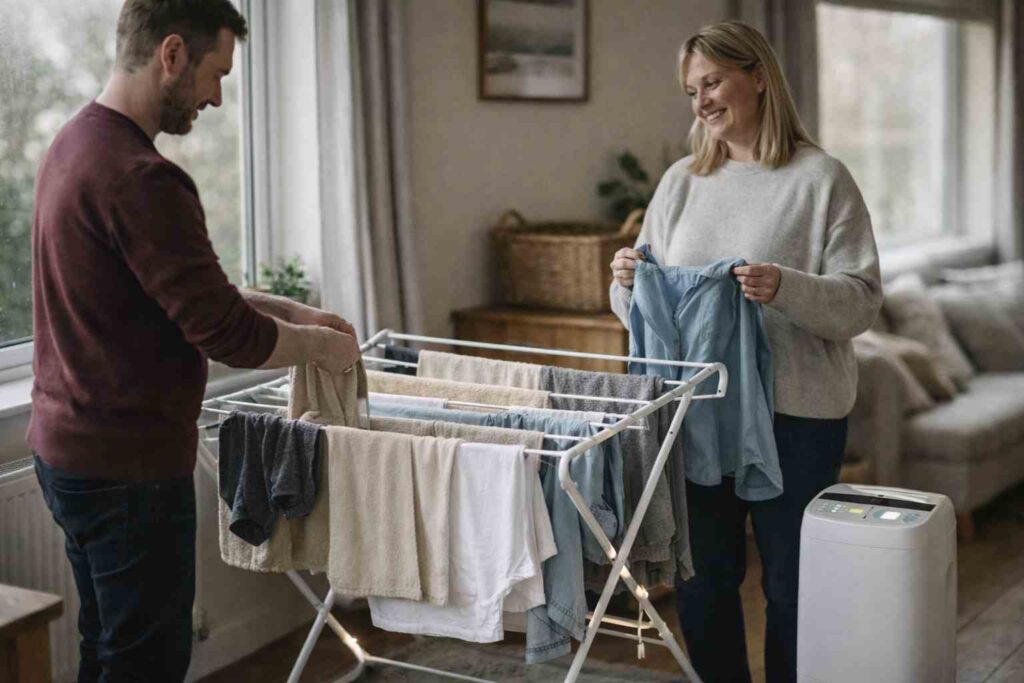
Drying choices have the biggest impact. Tumble dryers are convenient but energy-heavy. Radiators dry slowly and raise indoor humidity. Heated clothes airers provide steady, low-energy heat directly to clothes, making them far more efficient for indoor winter drying.
Moisture control helps. Dehumidifiers remove water from the air, allowing clothes to dry faster at lower temperatures while reducing condensation and mould risk. Used alongside indoor air drying, they improve comfort without increasing heating demand.
Sustainable Laundry works best when washing, drying, and indoor air are treated as one system rather than isolated decisions.

Three brands supporting Sustainable Laundry
Bio-D
Bio-D produces UK-made laundry detergents designed to perform effectively at lower temperatures. Their refill options reduce packaging waste, and their formulations support energy reduction and the environment without requiring changes to washing routines. It is a straightforward switch that lowers impact quietly and with little effort!
Use code PLAYITGREEN15 for 15% off.
T&Cs apply*
Lakeland
Lakeland’s heated clothes airers offer a lower-energy alternative to tumble dryers during colder months. Designed for repeated, long-term use, they suit indoor winter drying when outdoor space or weather is limited. Used regularly, they help reduce reliance on the most energy-intensive drying option.
Lakeland currently have up to £30 off on laundry drying products, and you can sign up for the myLakeland club for 10% off your next order (min. £30 spend).
Meaco
Meaco designs energy-efficient dehumidifiers that support indoor air drying by removing excess moisture from the air. This allows clothes to dry faster at lower temperatures while reducing condensation and mould risk, improving comfort and indoor air quality.
Use code MEACO5 for 5% off selected models.
Sustainable Laundry: Wrap-up
Sustainable Laundry does not demand perfection. In February, most homes will dry clothes indoors, but the impact comes from how that is done.
Lower wash temperatures, fewer unnecessary washes, and smarter indoor drying reduce energy use while improving comfort and air quality. Heated airers and moisture control shift laundry away from the most wasteful defaults without complicating daily life.
At Play It Green, we focus on changes people actually stick with. Sustainable Laundry is one of those quiet system upgrades where small decisions, repeated often, add up fast.
If you want sustainability that fits real homes and real routines, you are in the right place.
If you enjoyed this tip on sustainable laundry, why not become part of a community creating positive change every day by joining Play It Green?
We help you reduce your footprint, repair the planet, and regive to social causes that matter, all through simple, measurable actions that fit your business.

Everyone wants to see impact, not promises. With Play It Green, your sustainability journey becomes visible, credible, and rewarding.
Join us today and turn good intentions into lasting results.
Sign Up*15% off* valid from 27/2/26 – 27/3/26, until 11:59pm on our consumer size laundry range (excludes Bundles, 12.5kg Washing Powder, 20L and sales items). Only one coupon per user. Not to be used in conjunction with any other offer. Limited availability, while stocks last. Free shipping available for qualifying orders.