
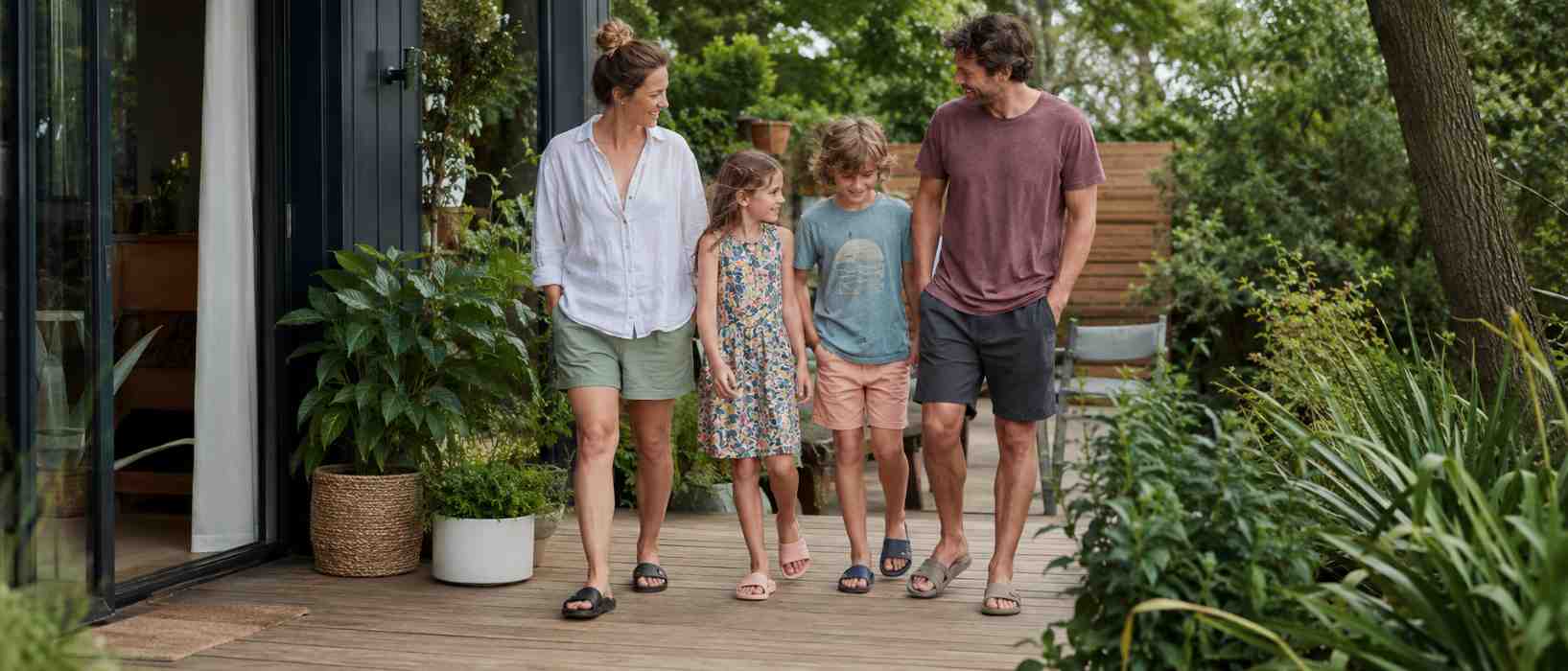
Sustainable Sliders: Introduction
Sustainable Sliders are a smarter next step for anyone who loves the ease of summer slip-ons but wants fewer fossil fuel-based materials underfoot.
Standard sliders sit by back doors, vanish into beach bags, survive questionable campsite showers, and somehow end up in the supermarket on a Tuesday evening. They are simple, useful and wonderfully low-effort, which is why the materials behind them matter.
Many cheap pairs use foams, synthetic rubber and plastic blends that are hard to recycle once the strap splits or the sole cracks. This week, we look at how sliders became so popular, what their hidden footprint looks like, and how Sustainable Sliders can keep summer comfort moving in a better direction.

A Brief History of Sliders
Open footwear has been around for thousands of years, long before sliders became linked with pools, gyms and holiday packing. Early sandals used local materials such as plant fibres, reeds, bark, leather and woven grasses, giving people in warmer climates a cooler and lighter option than closed shoes.
Ancient Egyptians wore sandals made from papyrus and palm leaves, and Roman sandals became sturdier, supporting soldiers, traders and travellers across long distances. In many cultures, open footwear was a practical design shaped by climate, movement and available materials rather than casual fashion.
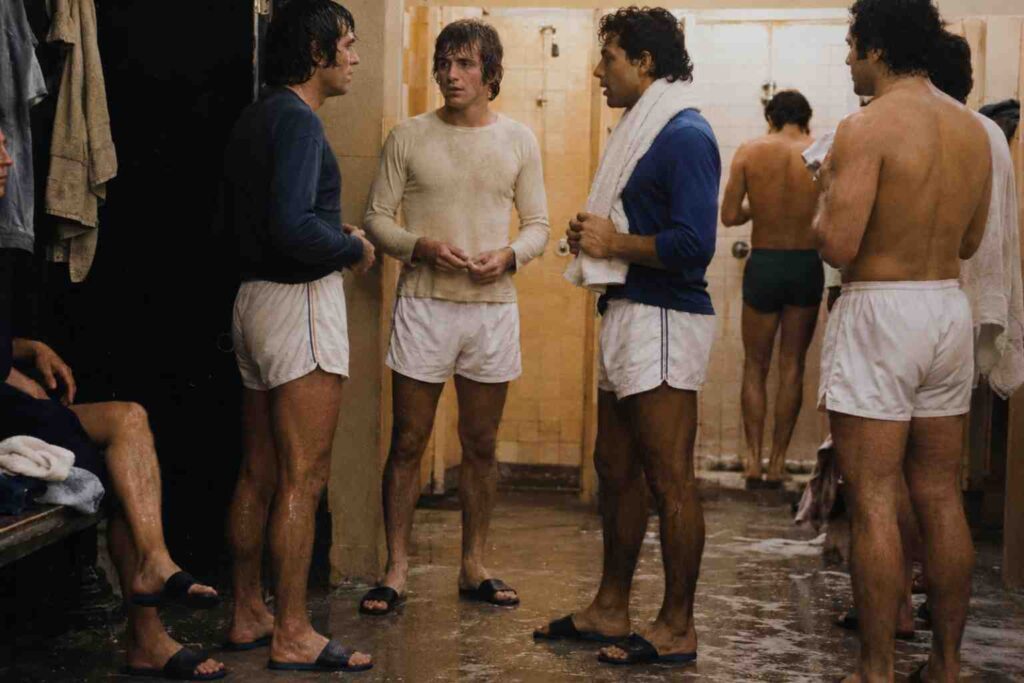
The modern slider story is tied closely to the Adidas Adilette. According to the Adi & Käthe Dassler Memorial Foundation, Adi Dassler explored the idea in 1963 after concerns were raised about footballers walking barefoot into communal showers. The Adilette reached the market in 1972, with suction pads on the sole to reduce slipping under wet feet.
From there, sliders moved into holiday bags, gardens, gyms and streetwear, with mass production shifting many pairs from repairable natural materials to synthetic, mixed and short-lived ones.
Get In TouchThe Environmental Impact of Non-Sustainable Sliders
Conventional sliders can look harmless, as they are small, cheap and often bought with the same thought as beach snacks. Their footprint begins in the materials used for many soles and straps: EVA foam, PVC, polyurethane, synthetic rubber and plastic-based textiles.
EVA is popular since it is light, soft, water-resistant and cheap to mould. PVC appears in some waterproof footwear, straps and jelly-style sandals. These materials make sliders useful around pools and beaches, yet they are usually fossil fuel-derived and difficult to separate once moulded, glued or bonded together.
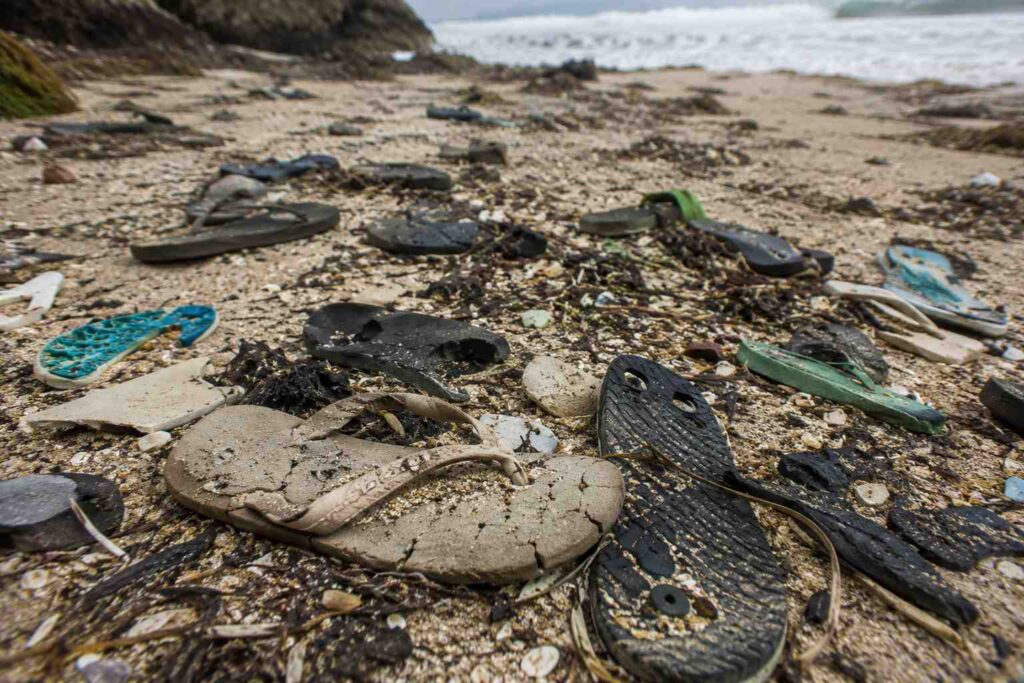
The scale gives the issue weight. Fashion for Good states that around 23.9 billion pairs of shoes are produced globally each year, with some footwear using more than 60 components. A broken slider strap can still make the whole product unusable.
The carbon cost is easy to miss. A European Commission LIFE project puts the average shoe footprint at 10.6kg CO₂ and identifies petroleum-based sole materials, including EVA, PVC, PU, TPU and synthetic rubber, as major impact sources. It is estimated that around 95% of used footwear goes to landfill or incineration, making longer-lasting Sustainable Sliders a better choice than another throwaway pair.
What to Look For in Sustainable Sliders
Choosing Sustainable Sliders starts with materials, then continues with comfort, quality and honest information from the brand. Recycled rubber, recycled EVA, natural rubber, recycled textiles and algae-blended foams can all reduce reliance on virgin fossil fuel-based inputs, especially when brands explain clearly how those materials are used.
Durability should sit near the top of the list, since a pair worn for several summers usually beats a greener-sounding pair that collapses after one holiday. Strong soles, secure straps, washable finishes and clear care advice are all signs that the product has been made for real use rather than a quick seasonal sale.
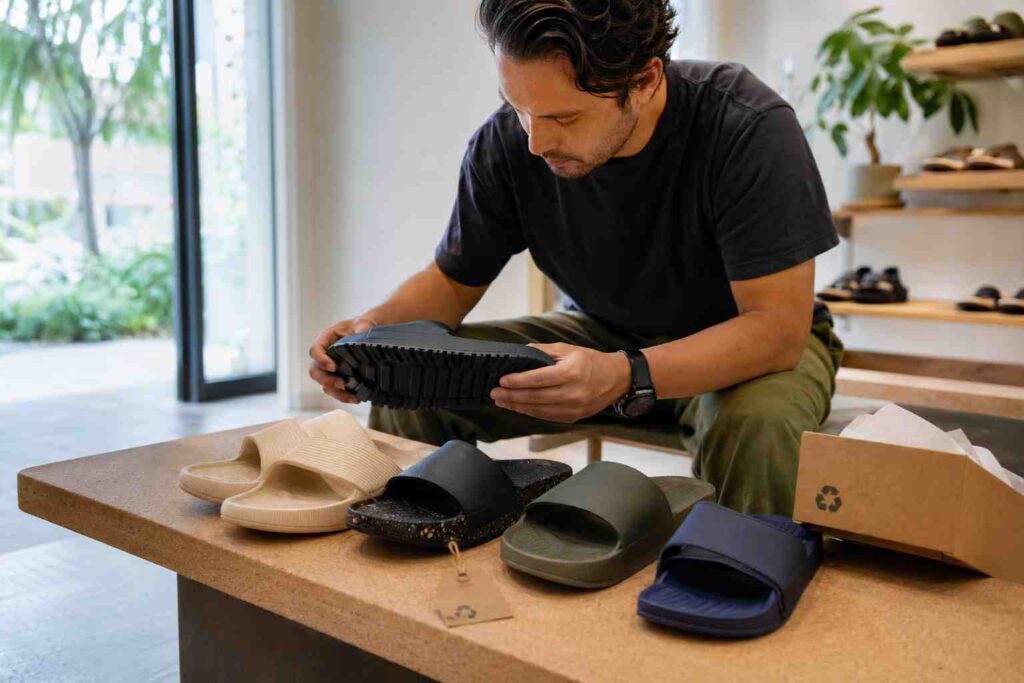
Comfort still matters, as a sustainable product that rubs, slips or feels awkward will soon be abandoned. Fit, grip, and support help a pair stay in use, which is where much of the impact reduction comes from.
Packaging gives another useful clue. Sliders are already a straightforward product, so they do not need layers of plastic, oversized boxes or decorative extras. Minimal, recycled or recyclable packaging suggests the brand has thought beyond the checkout, which is exactly the mindset Sustainable Sliders need.

Three Sustainable Sliders Brands Worth Knowing
Gumbies
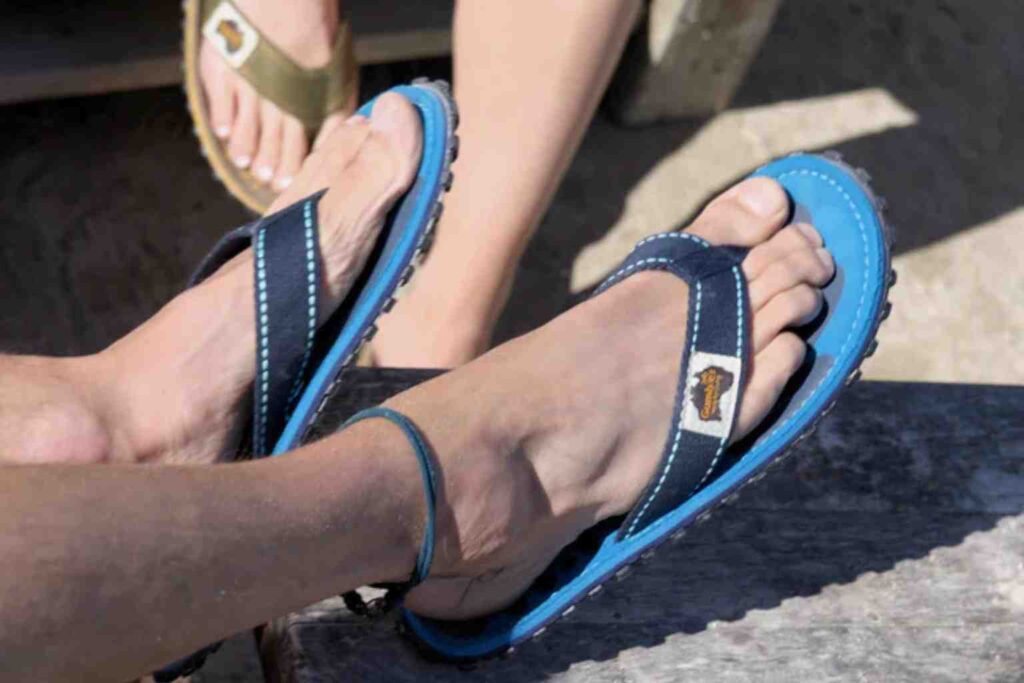
Gumbies are a strong choice for Sustainable Sliders, with slider ranges that include recycled rubber outsoles and recycled textile elements. Some products use BLOOM material made with algae, and the brand links orders to environmental action, including mangrove planting and plastic recovery. The products feel practical, casual and easy to wear, which makes them a good fit for readers who want better summer footwear without overthinking every step.
Use code WLCM10 at checkout for 10% off.
Website: https://www.gumbies.co.uk/
Randy Cow
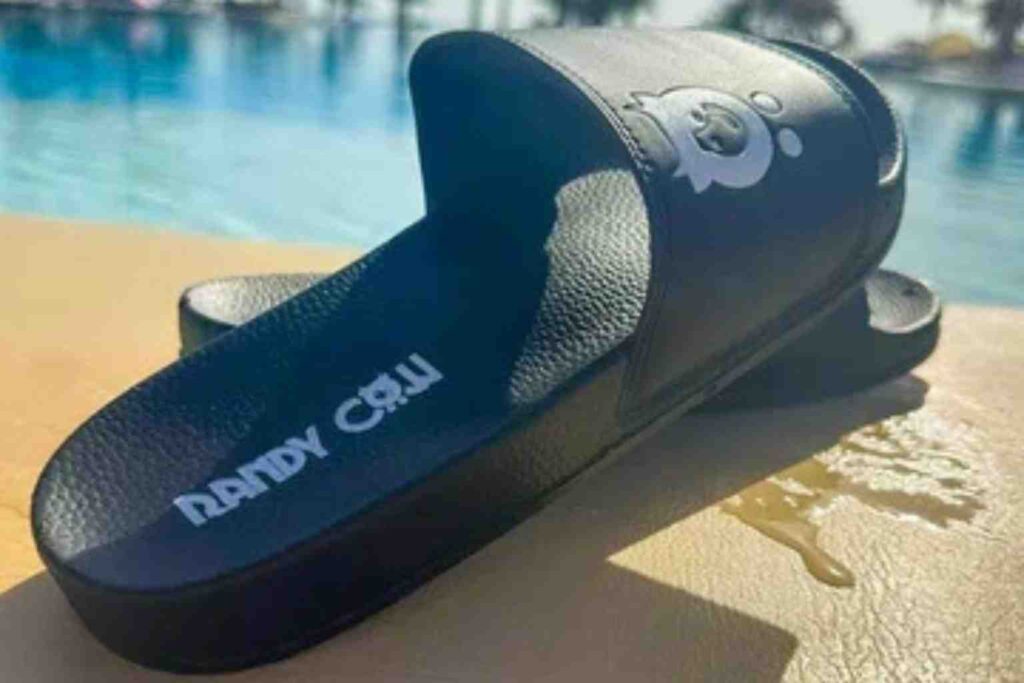
Randy Cow offer pool sliders for adults and children, with simple colours and vegan-friendly materials. Their sustainability story is lighter than some brands’, so the wording should stay honest rather than overstated. The fit here is relevant, as they sell proper sliders, are available in the UK, and offer a practical option for families looking for easy summer footwear without leather-based materials.
Sign up for their mailing list for 10% off your first order!
MOO CHUU UK
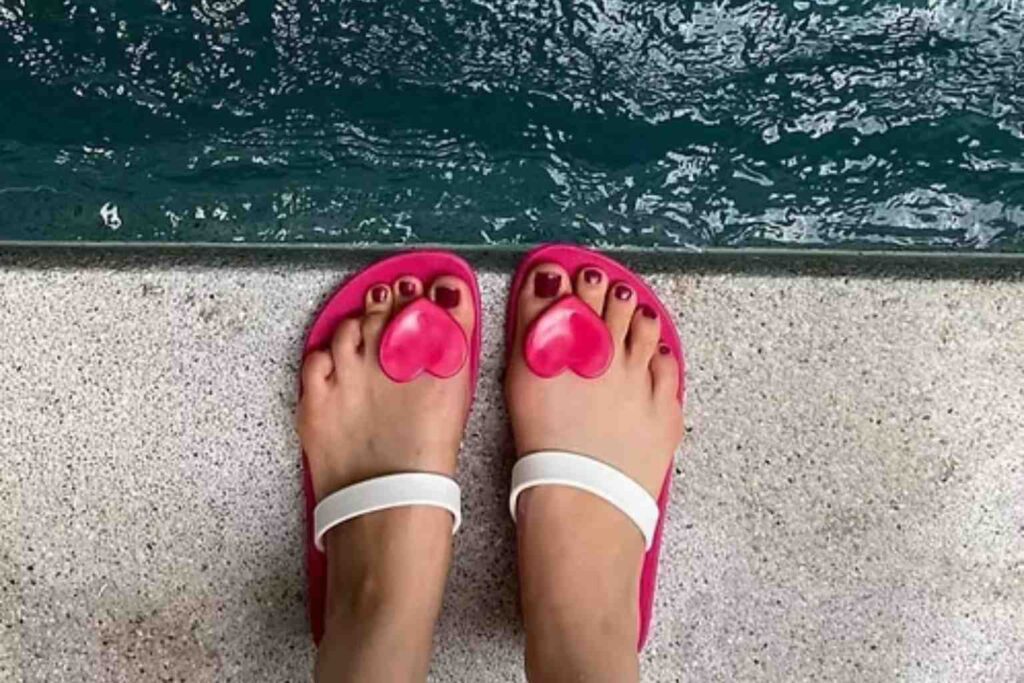
MOO CHUU UK bring a more independent feel to Sustainable Sliders. Their footwear uses recycled premium materials, is hand assembled in Dorset, and can be customised by sole and strap colour. Their adult range includes slider options, including the Fluffy Slider, and the local assembly angle gives the brand a more personal feel than a mass-produced pool shoe.
Use code Plutoniumsox10 at checkout for 10% off.
Website: https://www.moochuu-uk.com/
Sustainable Sliders: Wrap-Up
Sustainable Sliders show that better choices can still be relaxed, comfortable and ready for sunshine, without turning summer footwear into a moral obstacle course. The aim is to help more people choose pairs made with stronger materials, clearer sourcing and a longer useful life.
At Play It Green, we believe practical swaps work best when they fit real life. A better pair of sliders will not change the world on its own, but repeated choices across a community can shift demand and reduce the churn of cheap, short-lived products.
So, next time your old pair gives up, put your best footprint forward and choose Sustainable Sliders that tread a little lighter.
If you enjoyed this tip on the Sustainable Sliders, why not become part of a community creating positive change every day by joining Play It Green?
We help you reduce your footprint, repair the planet, and regive to social causes that matter, all through simple, measurable actions that fit your business.

Everyone wants to see impact, not promises. With Play It Green, your sustainability journey becomes visible, credible, and rewarding.
Join us today and turn good intentions into lasting results.
Sign Up