

Sustainable Spices: Introduction
Sustainable Spices are adding a pinch of planet-friendly flavour to kitchens everywhere. From cumin and cinnamon to pepper and paprika, these small ingredients have big global footprints. The good news? You can spice up your meals without heating up the planet.
This week, we’re exploring how centuries of trade, taste, and tradition have shaped our spice racks and how sustainable sourcing can protect both people and the planet. Grab your apron and get ready to rethink what’s in your grinder.

A Brief History of Spices
Spices have shaped civilisation for thousands of years. Ancient Egyptians used cinnamon and cassia in embalming rituals as early as 2000 B.C., while the Romans paid vast sums for pepper imported from India. In the Middle Ages, spices were symbols of wealth, often worth more than gold. Nutmeg even sparked wars. In the 1600s, European powers fought over control of Indonesia’s Banda Islands, where the spice was grown.

By the 16th century, Portuguese explorers had opened direct sea routes to Asia, tightening their grip on the spice trade and shifting global power. A century later, the Dutch East India Company built a near monopoly, controlling prices and supply for cloves, nutmeg, and pepper.
The global spice trade connected continents long before the internet ever could, giving rise to ports like Calicut and Zanzibar. But this wealth came at a cost. Colonial exploitation, deforestation, and unfair labour practices took root alongside the trade itself.
Today, the spice industry employs millions across Asia, Africa, and Latin America, but faces challenges from overharvesting and poor pay. Sustainable Spices represent a return to respect for the earth and for those who grow our favourite flavours.
Get In TouchThe Environmental Impact of Traditional Spice Production
Behind the warm aroma of curry, cinnamon buns, and chai lies a darker story. Traditional spice production causes more damage than most people realise.
Many popular spices come from tropical regions already under strain. In places like Kerala and Zanzibar, forests have been cleared for pepper, cardamom, and clove plantations, eroding soil and destroying wildlife habitats. The WWF estimates that deforestation for crops and agriculture contributes around 20 percent of global carbon emissions, and spices are part of that picture.
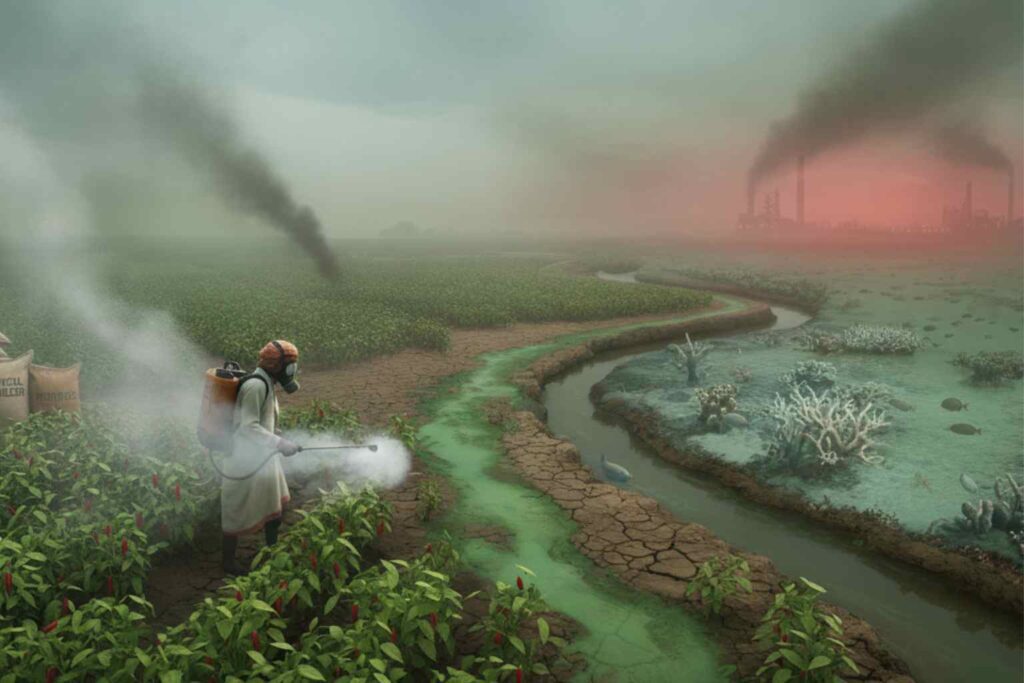
Chemical pesticides and fertilisers add further harm. Conventional turmeric and chilli farming can release up to four tonnes of CO₂ equivalent per hectare each year, mostly from fertiliser use. These chemicals also pollute rivers and coral reefs.
Water use is another issue. Producing one kilogram of dried turmeric can take 2,000 litres of water, and over-irrigation in India and Sri Lanka has caused soil salinity and declining groundwater.
Add the miles travelled and the plastic packaging that rarely breaks down, and a jar of spice can leave a much larger footprint than it seems. The result is an industry that delights our senses yet damages the planet.
What to Look For When Buying Sustainable Spices
Choosing Sustainable Spices is about more than checking a label. Start with transparency. Brands that trace their supply chains can tell you exactly where and how their spices were grown. Organic certification is another strong sign, as it avoids synthetic pesticides and fertilisers that harm soil and biodiversity.
Fairtrade and Rainforest Alliance certifications show that farmers receive fair pay and safer working conditions. Packaging also matters. Look for glass jars, metal tins, or compostable refills instead of plastic. Some companies even offer refill stations or bulk buying options to cut waste.
Small-batch and local blenders often work directly with farmer cooperatives, cutting transport emissions and ensuring fairer prices. The best brands also reinvest profits into community development or soil restoration projects.
By choosing ethical and transparent producers, you can season your meals without leaving a bad taste for the planet. Every sprinkle and spoonful helps support a greener food system.

Three of Our Favourite Sustainable Spice Brands
Camelēr Spice Co.
Camelēr Spice Co. is a B Corp-certified UK brand crafting spice blends inspired by ancient trade routes. Founded by a British-Saudi chef and an Irish food enthusiast, it sources from regenerative farms and uses brown glass jars for packaging. The company supports reforestation through Tree Aid and celebrates natural, additive-free blends that connect people to culture, sustainability, and flavour. Use voucher code PLAYITGREEN10 at checkout for 10% off your first order (one use per customer offer ends Jan 2026).
Steenbergs
Steenbergs is a UK-based, family-run B Corp certified business offering organic and Fairtrade spices with a strong ethical focus. Its carbon-neutral operations, compostable and recyclable packaging, and transparent sourcing make it a leader in sustainable spice production. Steenbergs champions environmental responsibility, fair labour, and full traceability, earning loyalty from conscious consumers who care about taste, ethics, and accountability in every jar. Use voucher code PLAYITGREEN15 at checkout for 15% off your first order (shipping currently only available to the UK).
Spice Kitchen
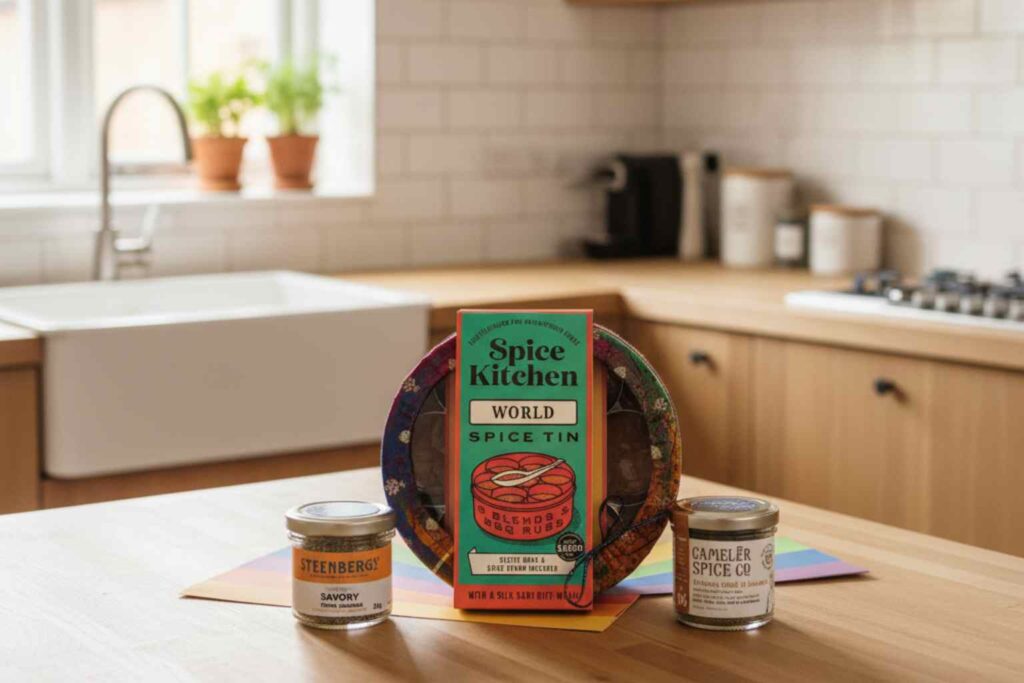
Spice Kitchen is a UK social enterprise blending premium sustainable spices while supporting charitable causes and community projects. Family-run and heritage-driven, it uses plastic-free, compostable packaging and reinvests profits into social impact partnerships. Known for culturally rooted flavours and a strong ethical ethos, Spice Kitchen proves that great taste and social good can exist side by side. Use voucher code PLAYITGREEN20 at checkout for 20% off your first order.
Sustainable Spices: Wrap Up
Sustainable Spices prove that conscious choices do not have to compromise on taste. By supporting brands that prioritise people, planet, and purity, we can transform something as ordinary as seasoning into an act of positive change.
At Play It Green, we believe that small, consistent steps like switching to ethical spices help create lasting global impact. Join our community to reduce footprints, repair the planet, and regive to good causes. Together, we can make every meal a little more meaningful.
Join the Community Making Change
Want more weekly tips like this one on Sustainable Spices? Join a community that turns inspiration into measurable impact.
At Play It Green, we help people and businesses take real climate and social action through simple, effective steps. From Net Zero education to nature repair and social impact, we make sustainability part of everyday life, without the overwhelm.
Join Play It Green today for just £5 per person per month and start making positive change that lasts.
Sign Up