
Sustainable Thermals: Introduction
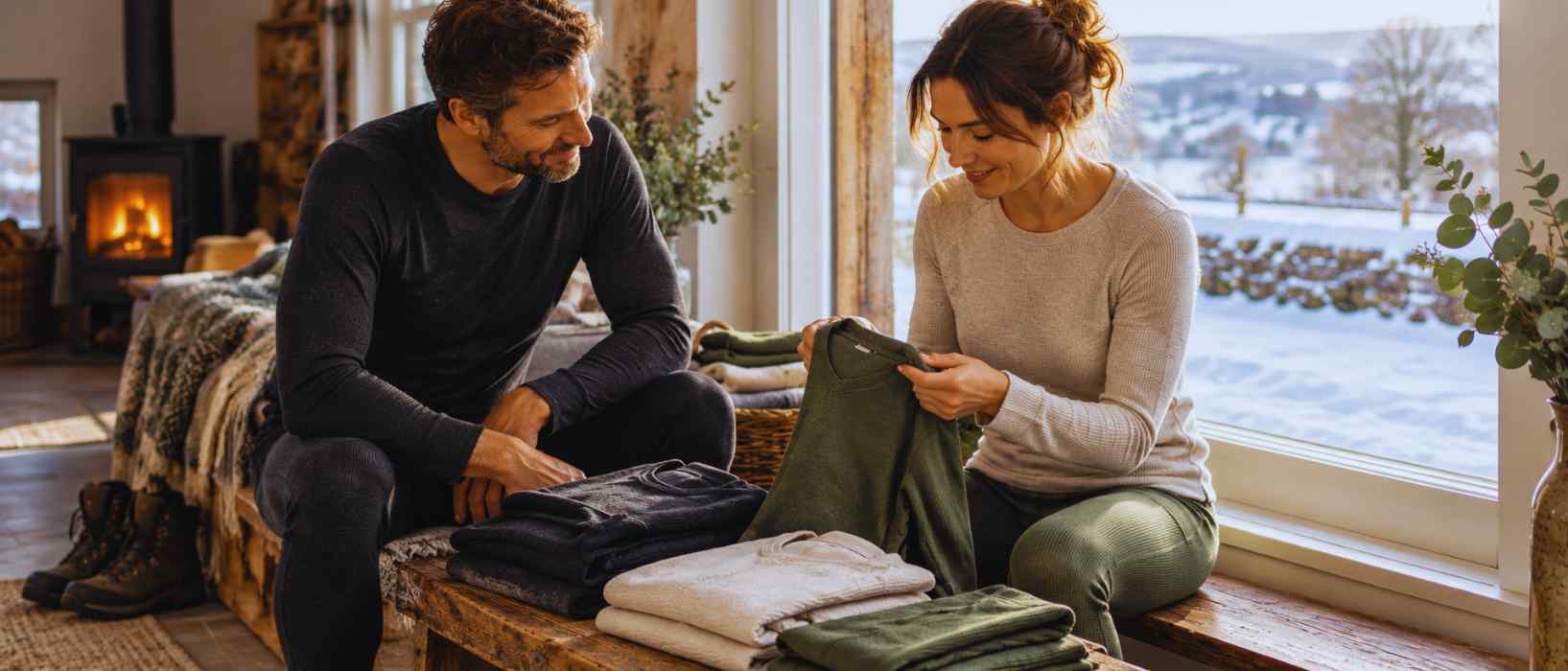
Sustainable thermals deserve a little attention as the colder mornings properly arrive. Whether you’re walking the dog, cycling to work or spending time in a draughty office, the layer closest to your skin can make a remarkable difference to how comfortable you feel.
The choice has moved well beyond the traditional woollen vest, with everything from merino to recycled technical fabrics now competing for a place in our wardrobes. However, different fibres suit different activities, and a product advertised as sustainable doesn’t automatically tell you much about how it was made or how long it will last.
And as always, before buying another set, check what you already own, because a comfortable base layer that still does its job deserves another winter. This week’s tip looks at how thermal clothing developed, its environmental trade-offs, and how to choose something that’s good for the planet and that you’ll genuinely keep wearing.
A Brief History of Thermal Underwear
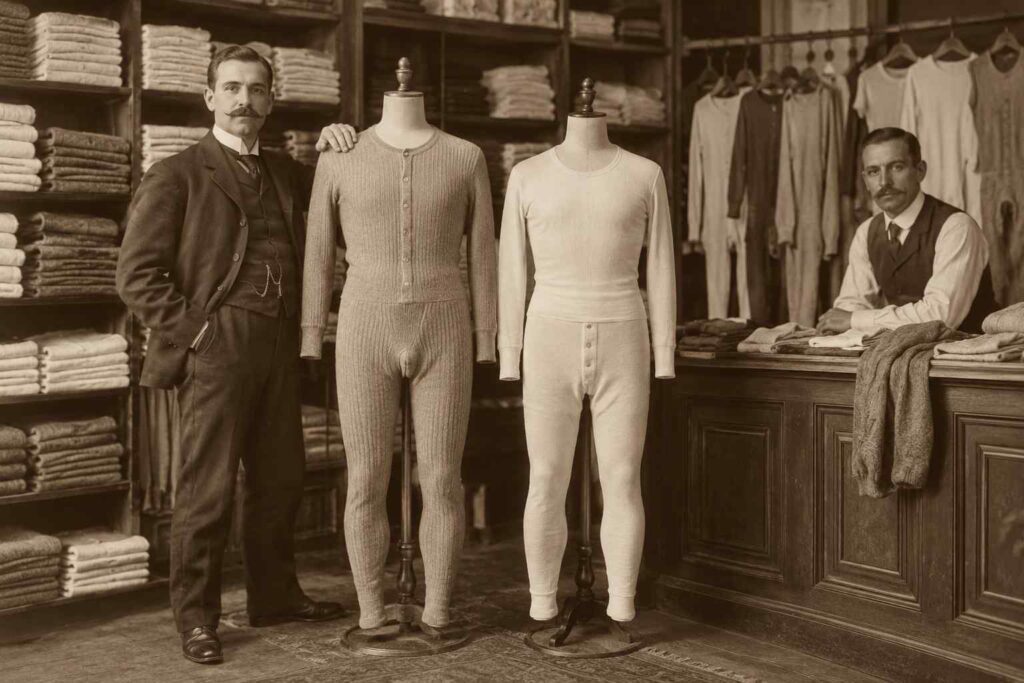
People have been using layers to stay warm for centuries, although clothing worn beneath everyday outfits was originally as much about protecting outer garments as managing the cold. Wool and linen undergarments gradually became familiar winter essentials, particularly for people working outdoors.
During the nineteenth century, woollen vests and long drawers became increasingly common in Britain. German physician Gustav Jaeger helped popularise wool next to the skin, and the Victoria and Albert Museum’s history of underwear explains how his ideas influenced the clothing of the time. Knitted combinations, which joined the vest and drawers into one garment, offered another way to keep out the chill.
The arrival of synthetic fibres in the twentieth century changed what thermal underwear could do, especially for people exercising outdoors. Lighter fabrics could stretch, dry quickly and move moisture away from the skin, while different fabric weights allowed people to dress for changing conditions.
The technology has improved, but the underlying idea is familiar: comfortable layers help manage warmth without relying on one heavy garment. What we can now examine more closely is the environmental cost of producing those layers.
The Environmental Impact of Thermal Clothing
Merino wool provides insulation and resists odours, so some garments can be aired rather than washed after every wear. However, sheep farming also uses land and produces greenhouse gas emissions, while animal welfare depends on how the sheep are kept and managed. If you prefer wool, look for clear sourcing information and a credible policy on mulesing.
Synthetic base layers such as polyester and polypropylene can be particularly useful for exercise because they often dry quickly. Recycled polyester may reduce demand for virgin fossil-based raw materials, although it remains plastic and can release fibres during wear and washing. A recent report explains how suitable washing practices can reduce shedding.
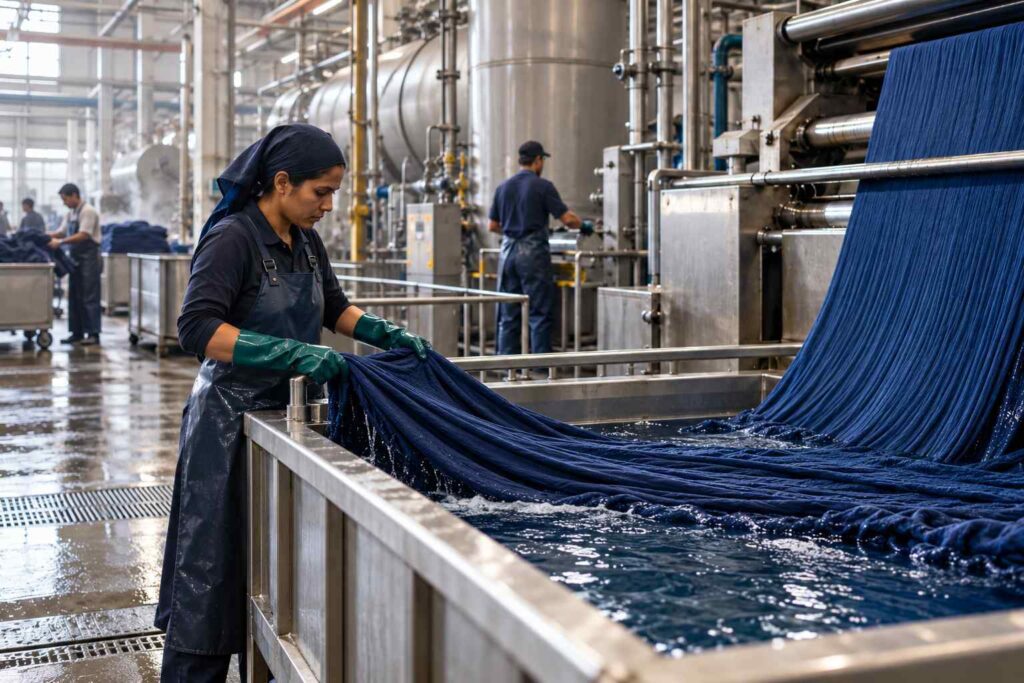
Products described as bamboo deserve a closer look as well. Many are made from viscose, where the bamboo is chemically processed into fibre, so the plant-based starting material tells us very little about the environmental impact of the finished fabric.
Ultimately, the number of times a garment is worn deserves just as much attention as its fibre label. A pair of thermals that fits properly and lasts through a decade of winters is more useful than repeatedly buying new sustainable thermals.
What to Look For When Choosing Sustainable Thermals
Firstly, think about where you’ll wear your sustainable thermals, as a soft layer may suit commuting or a cool office, but hiking, running and cycling call for better moisture management. Did you know that cotton can hold moisture, leaving you cold when you stop moving?
Next, check the fit before getting distracted by technical claims. Your base layer should sit close to the skin without restricting movement, with comfortable seams and enough length to stay tucked in. For wool, ask about animal welfare and for recycled synthetics, check the fibre percentage and durability. The UK Green Claims Code advises that environmental claims be specific and evidenced, so if the claims are vague, it is probably best to avoid.
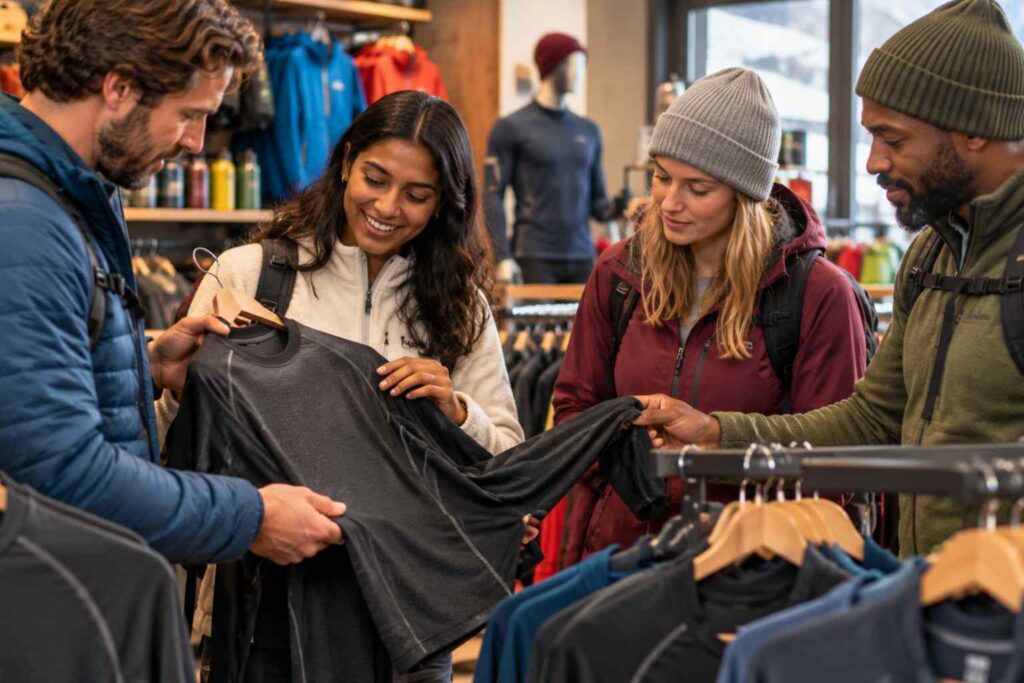
It is worth thinking about the care instructions too, because there’s little point buying a delicate garment you’ll struggle to look after. Air wool between wears where appropriate, wash as the label directs and avoid unnecessary tumble-drying, while repairing a small seam can often keep a favourite layer in use.
Finally, think about how often you’ll reach for it, because comfortable, well-made sustainable thermals used throughout winter may offer better value than a highly specialised version that spends most of its time in the drawer.

Sustainable Thermals Worth Exploring
We’ve chosen sustainable thermals with different approaches to base layers: natural-fibre sourcing, technical performance and support for making clothing last. Their individual garments still deserve the same scrutiny as anything else you might buy.
DILLING
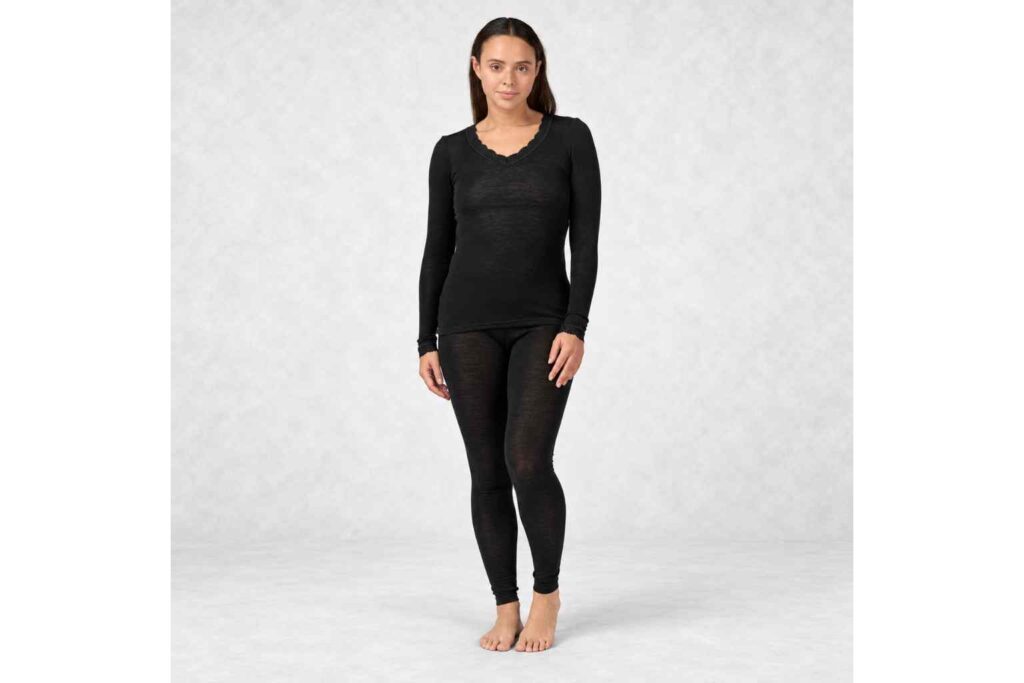
Danish family business DILLING has been making wool underwear since 1916 and specialises in clothing made from natural fibres, including organic merino wool.
Its thermal tops and leggings offer comfortable warmth for everyday wear, winter walks and colder working days, while merino’s natural temperature-regulating properties make it particularly useful for layering.
DILLING also provides information about its wool sourcing and animal welfare standards, including its commitment to using wool from non-mulesed sheep, giving customers greater confidence in where their clothing comes from.
Sign up to the mailing list for 10% off your first order.
Patagonia
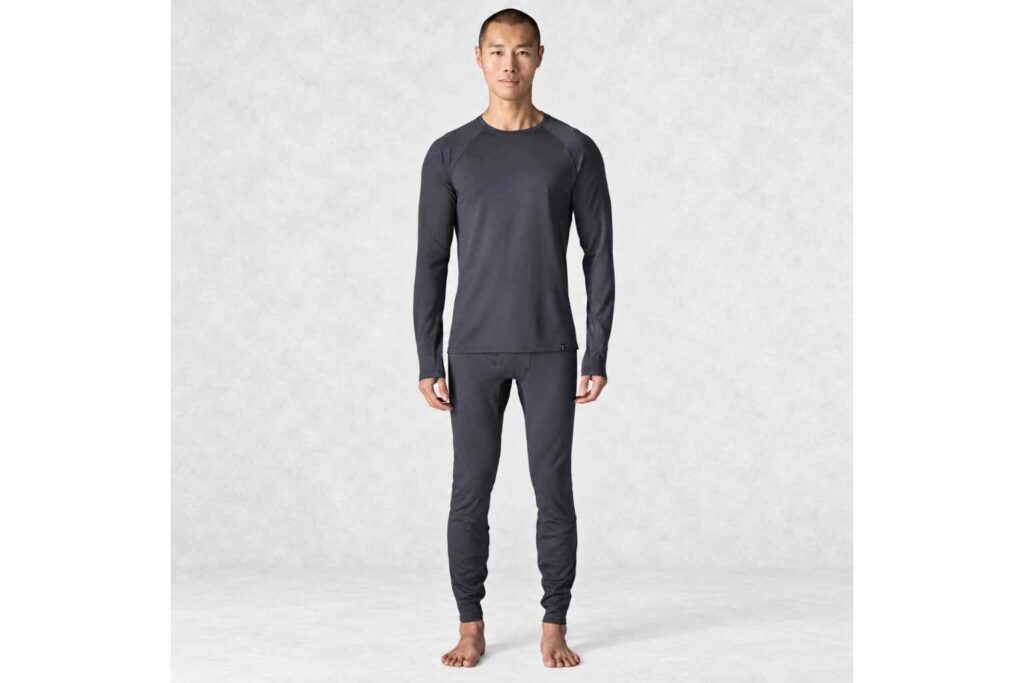
Patagonia’s Capilene Midweight Crewneck is designed for people who want warmth without unnecessary bulk, particularly when walking, cycling or enjoying outdoor activities.
Made from 100% recycled polyester, it helps move moisture away from the skin and dries quickly, making it practical when temperatures and activity levels change.
The garment is also made in a Fair Trade Certified factory, although recycled polyester remains a synthetic material that can shed microfibres, so choosing something you will wear regularly and care for properly remains important.
Use voucher code SAVE10 at checkout for 10% off your order.
Finisterre
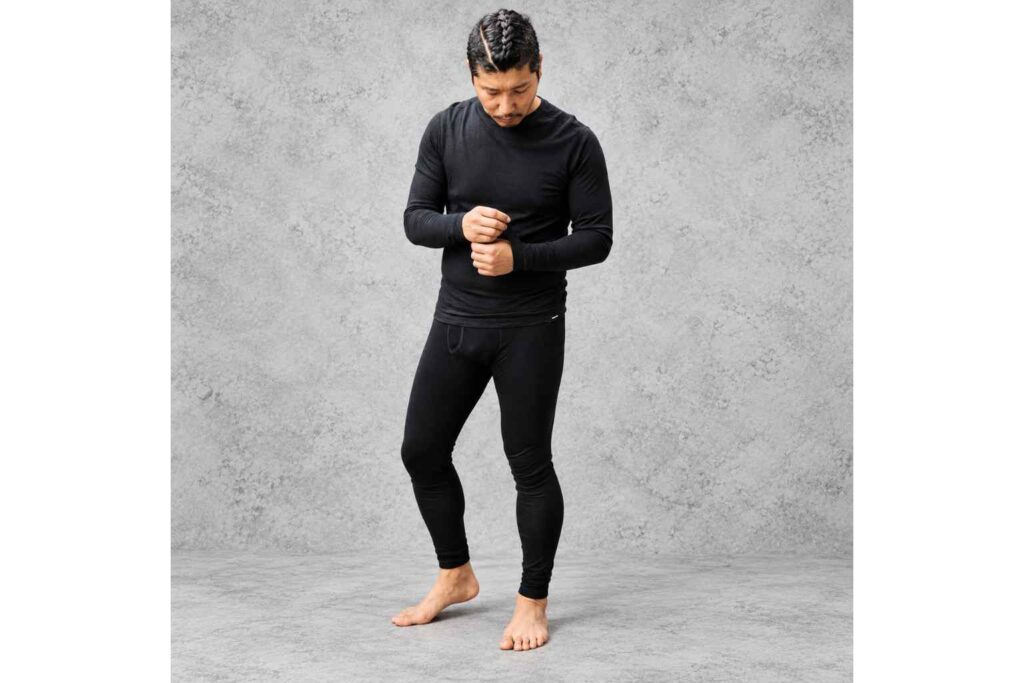
Cornish B Corp Finisterre offers merino wool base layers, including long-sleeved tops and thermal leggings designed to provide warmth and comfort during outdoor activities.
Its Seeker and Eddy ranges make use of merino’s temperature-regulating properties, while the company’s Lived & Loved programme encourages people to repair, care for and extend the life of their clothing.
This gives Finisterre an appealing approach to durability, although it is worth checking which repair services apply to individual garments before making a purchase.
Use voucher code SAVE10 at checkout for 10% off your order.
Sustainable Thermals: Our Thoughts
Decent sustainable thermals can change the way a cold morning feels, particularly when you spend time outdoors or in a house that takes a while to warm up. Choosing the right weight and fabric helps, but comfort and longevity are what determine whether you keep reaching for it.
Have a look through your wardrobe before you spend anything, then decide what you actually need for the way you live. If a new pair makes sense, choose one that fits well, has clear sourcing information and is easy to care for.
At Play It Green, we want useful sustainability advice to lead to decisions people can stick with, and winter clothing is a good place to put that into practice.