
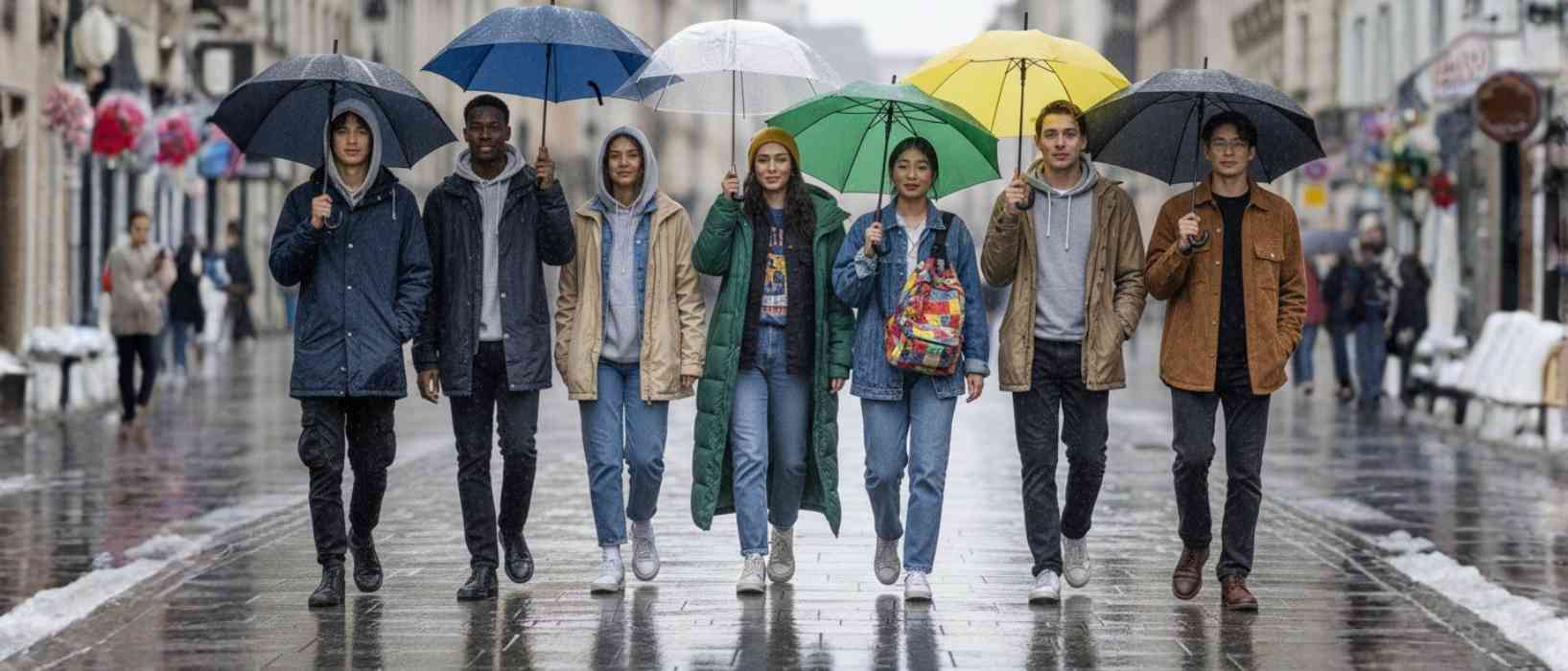
Sustainable Umbrellas: Introduction
Sustainable Umbrellas sound like a niche concern until you notice how many broken ones line the streets after a windy day. Few products fail so quickly, so predictably, or with so little surprise. A sudden gust, a snapped rib, an inside-out canopy, and the decision is made for you. Another umbrella is done.
This is not bad luck, it is design doing exactly what it was told to do. Most umbrellas are built to be cheap, light, and difficult to fix. Failure is expected, even planned. At Play It Green, we help our community look at everyday products like this to understand where waste is quietly engineered into normal life, long before anyone talks about responsibility or recycling.

A brief history of non-sustainable umbrellas
Umbrellas did not start life as disposable items, far from it.
The earliest umbrellas appeared more than 4,000 years ago in ancient China and Egypt. They were made from silk, leather, or oiled paper stretched over wood or bamboo frames. These were valuable objects, owned by the wealthy, repaired when damaged, and kept for years. Losing one would have been unthinkable.
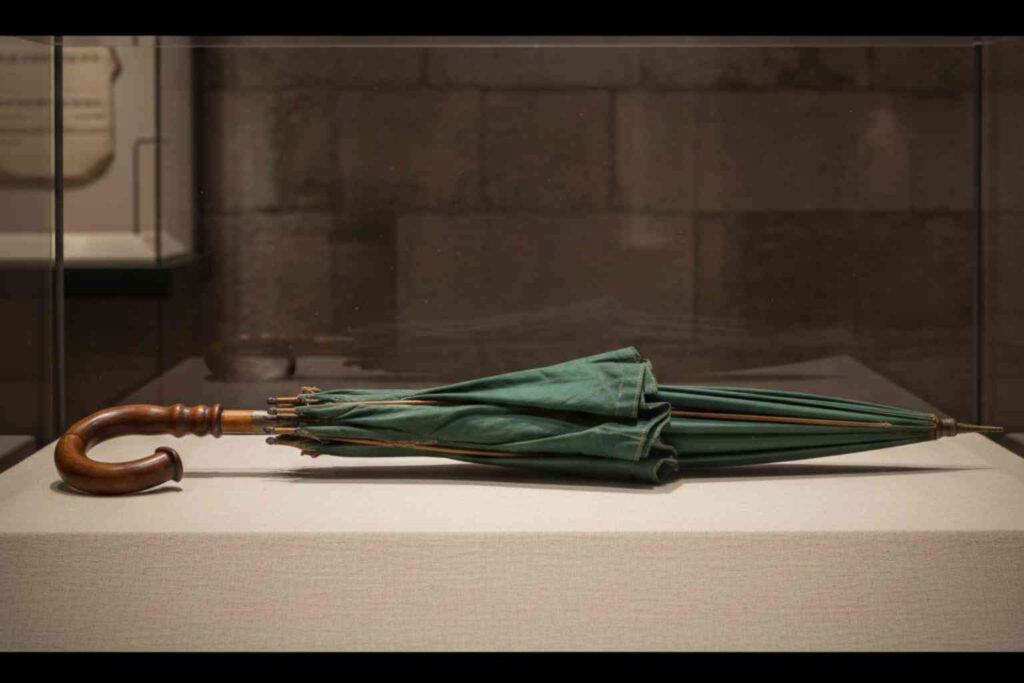
By the 17th century, umbrellas had returned to Europe, having been largely absent since the fall of the Roman Empire, initially appearing as, and remaining for some time, a rare, expensive status symbol rather than a practical tool. Early British umbrellas were heavy, awkward things, yet they were built to survive. Handles were solid wood. Frames were reinforced metal. If something broke, it was fixed.
The real shift came with mass production in the 20th century. Lightweight alloys, plastics, and synthetic fabrics made umbrellas cheaper and easier to sell. They also made them easier to break. Durability quietly dropped out of the brief. By the time umbrellas became impulse purchases, sold on street corners and in supermarkets, disposability had been fully normalised.
We did not stop caring about quality, we were simply trained not to expect it.
Get In TouchThe environmental impact of non-sustainable umbrellas
Umbrella waste is far larger than most people realise. In the UK alone, around 18 million umbrellas are lost or discarded every year. More than 4 million still-working umbrellas end up in landfill or ocean waste annually, often abandoned rather than broken. At the same time, roughly 1.45 million new umbrellas are sold each year, reinforcing a cycle built on replacement rather than repair.
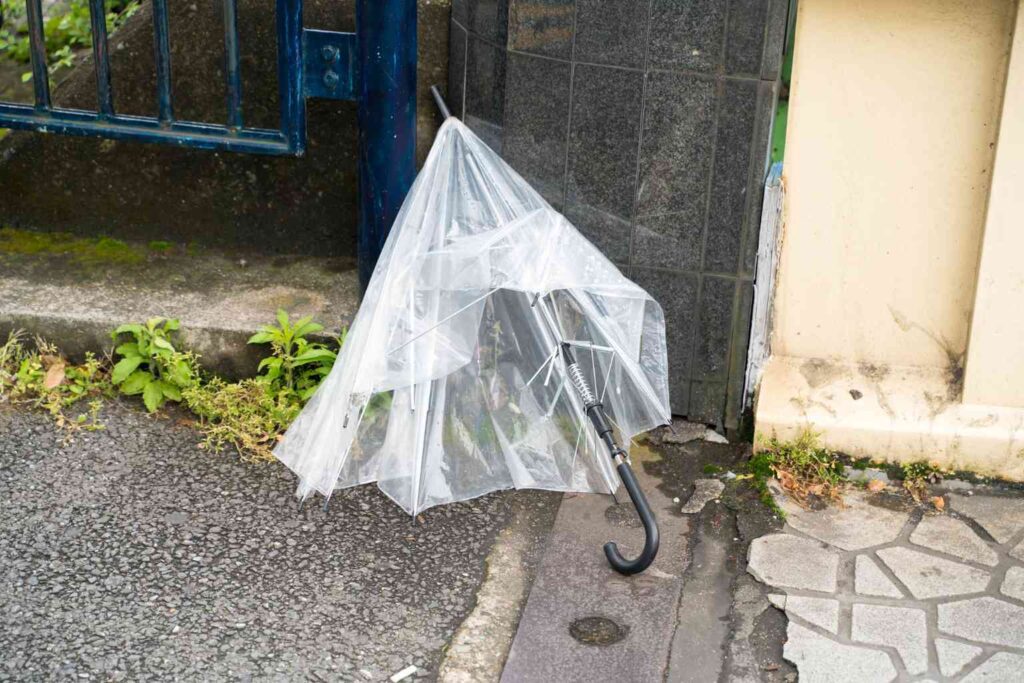
Globally, the scale is even starker. Over one billion umbrellas are discarded worldwide every year. Many low-cost umbrellas are designed to last six months or less, sometimes failing after a single windy use. Studies suggest the average person loses between 6 and 11 umbrellas over their lifetime, a small number individually, but enormous when multiplied.
Umbrellas are difficult to recycle. They combine metal frames, fibreglass ribs, plastic handles, and nylon or polyester canopies, materials that are hard to separate. Once landfilled, synthetic components can take centuries to break down, shedding microplastics along the way.
This is not accidental waste. It is disposability designed in, normalised, and repeated.
What to look for in Sustainable Umbrellas
A genuinely sustainable umbrella starts with engineering, not materials claims. Wind resistance is the single biggest factor in lifespan. Umbrellas that use reinforced frames, flexible ribs, or aerodynamic canopy shapes are far less likely to invert or snap under pressure. This matters more than weight or compactness. Ultra-light designs usually sacrifice strength, which shortens usable life.
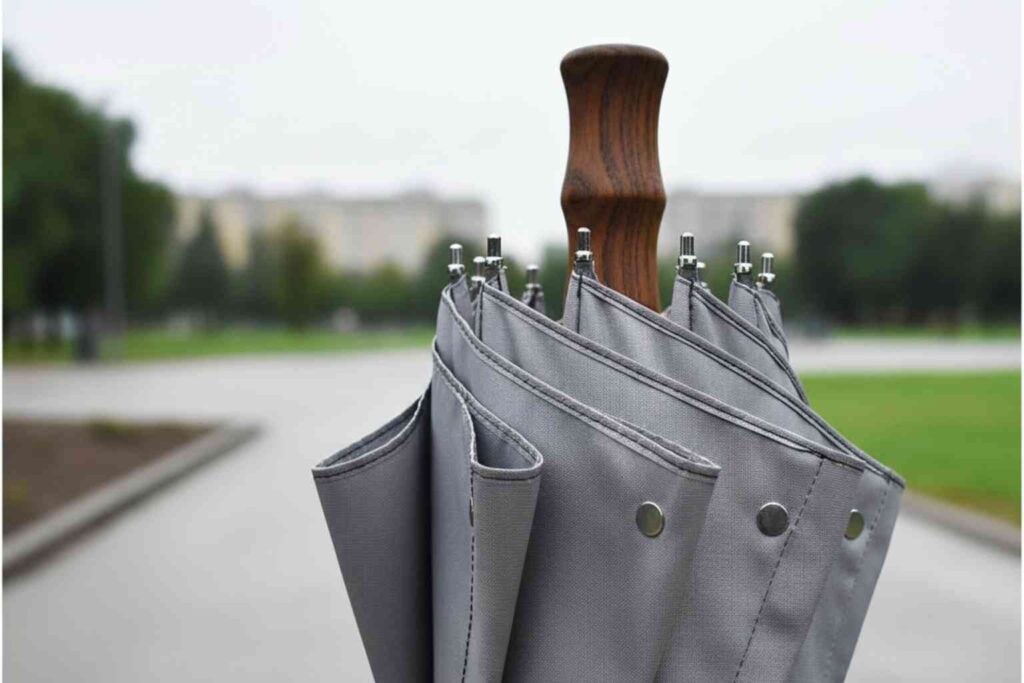
Material choice still counts, but with nuance. Recycled polyester canopies reduce reliance on virgin plastic, yet only deliver benefit if the umbrella lasts for years rather than months. Stitching quality, canopy tension, and frame joints often determine durability more reliably than fabric labels alone.
Repairability is a strong indicator of intent. Umbrellas designed with replaceable canopies, ribs, or tips, or backed by long warranties, are typically built with longer use in mind. Brands that expect failure rarely offer repair options.
Handle design also plays a role. Solid, well-attached handles reduce stress on frames during gusts and everyday use. Sustainable Umbrellas are not about perfection. They are about resisting disposability by choosing products designed to survive real weather, not just light rain.

Three Sustainable Umbrella brands worth knowing
Original Duckhead
Original Duckhead focuses on durability through design that people actually want to keep. Their sustainable umbrellas use recycled fabric canopies and are built around strong frames designed to cope with everyday wind, not just light rain. The bold patterns are not a gimmick as research shows that products that feel distinctive tend to stay in use longer, which quietly reduces waste. By moving umbrellas away from emergency purchases and into considered ownership, Original Duckhead tackles disposability at the root.
Head to their website to explore the range:
🔗 https://originalduckhead.com
Sign up to their mailing list and receive a free tote bag with your first order.
ROKA London
ROKA London brings a modern materials approach to everyday accessories. Their sustainable umbrellas are made using recycled materials and are designed for regular use rather than occasional showers. The emphasis is on resilience and consistency, products that hold up over time instead of needing frequent replacement. This approach recognises that material choice only matters if the product lasts long enough to offset its footprint.
Head to their website to explore the range:
Get 10% off your first order by signing up for their mailing list.
Fulton – Eco range
Fulton’s Eco range shows how incremental improvement at scale matters. As a long-established British brand, Fulton reaches a wide audience. Their Eco umbrellas incorporate recycled materials alongside improved build quality, without requiring shoppers to change habits. This kind of mainstream shift plays an important role in reducing waste across high-volume products, even if it is not perfect.
Head to their website to explore the Eco range:
🔗 https://www.fultonumbrellas.com
Fulton’s Eco range have 50% off at the time of writing.
Sustainable Umbrellas: Wrap-up
Sustainable Umbrellas show how waste is often designed into everyday life long before a product breaks. When failure is treated as normal, disposal becomes inevitable. Better outcomes usually come from better assumptions that things should last, be repairable, and cope with real conditions rather than ideal ones.
At Play It Green, we help our community focus on these ordinary products because they reveal how systems shape behaviour. Choosing durability over disposability reduces waste without demanding lifestyle change or perfection.
Small, practical decisions like this add up. When enough people stop accepting products built to fail, better design becomes the default rather than the exception.
If you enjoyed this tip on the sustainable umbrellas, why not become part of a community creating positive change every day by joining Play It Green?
We help you reduce your footprint, repair the planet, and regive to social causes that matter, all through simple, measurable actions that fit your business.

Everyone wants to see impact, not promises. With Play It Green, your sustainability journey becomes visible, credible, and rewarding.
Join us today and turn good intentions into lasting results.
Sign Up