

Sustainable Winter Hats: Introduction
Sustainable winter hats can keep you warm without turning a small seasonal purchase into another disposable fashion habit. Whether you call yours a beanie, bobble hat or woolly hat, the biggest difference often sits on the label, where acrylic, polyester, wool and recycled fibres can look remarkably similar while carrying very different stories.
Before buying another one, check the drawers, coat pockets and cupboards because a good hat can easily last for years when it fits well, keeps its shape and is looked after properly. If yours has genuinely reached the end of its useful life, choosing sustainable winter hats becomes less about chasing a perfect material and more about finding something well made, responsibly sourced and likely to stay on your head for many winters to come.
A Brief History of Winter Hats
Winter hats have been practical clothing for centuries, long before beanies and bobble hats became fashion accessories. Knitted caps became increasingly common in Europe during the later Middle Ages and, by the sixteenth century, cap-making had developed into an important English trade.

It became important enough for Parliament to intervene because the Cappers Act of 1571 required most people over the age of six to wear an English-made woollen cap on Sundays and holidays. The aim was to support domestic cap makers and the wool trade, while people covered by the law who ignored it could face a fine.
Over the following centuries, knitted caps became closely associated with sailors, fishermen, soldiers and outdoor workers because wool provided useful warmth without creating a bulky piece of clothing. Styles and names changed as the years passed, eventually giving us familiar watch caps, beanies and bobble hats, although the basic purpose remained reassuringly simple: keep your head warm when the weather turns cold.
The Environmental Impact of Winter Hats
Modern winter hats can look almost identical while being made from very different fibres, which is why checking the label can reveal more than the design on the outside. Acrylic, polyester and nylon are synthetic materials made from fossil fuels take hundreds of years to break down and leach microplastics, while wool has its own considerations around how sheep are raised, how land is managed, animal welfare and processing.
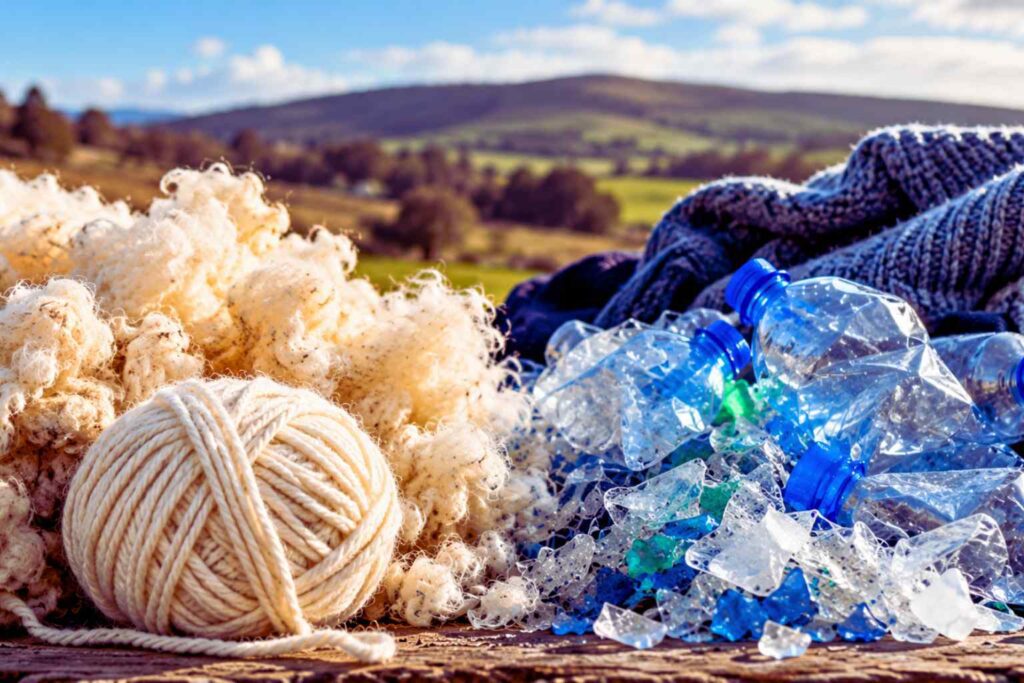
The wider shift towards synthetics is substantial, with Textile Exchange reporting that polyester represented 59% of global fibre production in 2024 and that 88% of polyester was still fossil-based. Recycled fibres can reduce demand for virgin raw materials, although recycled synthetics can still shed microfibres and recycling itself uses resources.
Natural fibres are not automatically impact-free either, so sourcing, certification and traceability deserve attention alongside the material itself. For sustainable winter hats, durability is particularly useful because a well-made hat can potentially stay in use for many years, spreading the resources used to make it across far more cold mornings.
What to Look For in Sustainable Winter Hats
When choosing sustainable winter hats, begin with what you already own because hats have an impressive habit of disappearing into drawers, bags and coat pockets. If yours still fits, keeps you warm and is in decent condition, bringing it back into use is the simplest choice.

If you genuinely need another, look at the fibre label and consider traceable or responsibly sourced wool, recycled wool and recycled fibres where they suit your needs. Certifications such as the Responsible Wool Standard can provide useful evidence around animal welfare, land management and chain of custody, rather than leaving you to rely on a vague claim.
Next, look at construction, where a dense, well-finished knit should hold its shape over time. Not only that, but good finishing and a comfortable fit will make you more likely to keep reaching for the same hat each winter, while choosing a style you genuinely like can reduce the temptation to replace it when fashions change. Finally, follow the care label because good care helps sustainable winter hats stay useful for longer.

Three Sustainable Winter Hat Brands Worth Knowing
FLOC

FLOC makes beanies and bobble hats in the UK using 100% traceable British wool, with Wooltrace yarn that lets customers trace the wool back to participating farms. The combination of British wool, UK production and unusually clear traceability gives its hats a distinctive story.
Play It Green reader offer: 15% off with code PLAYITGREEN15.
Terms: Valid: 23/10/26 – 4/12/26. 15% off full price only. Can not be used in conjunction with other offers.
BAM Clothing
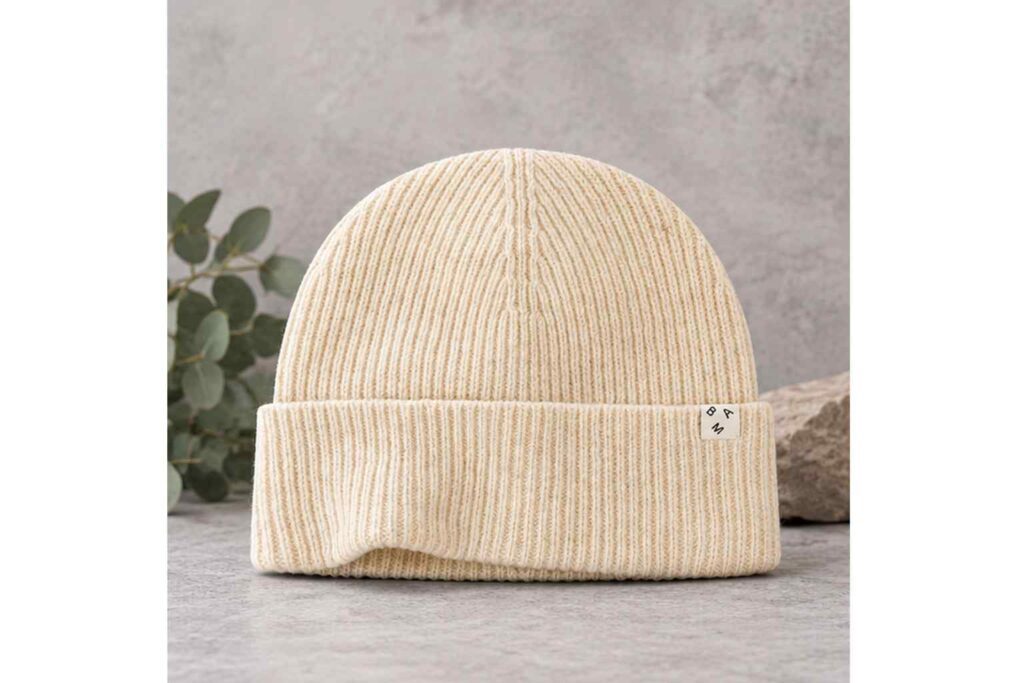
B Corp BAM Clothing offers a 100% wool beanie made with Responsible Wool Standard certified wool. The hat is also certified recyclable by the Circular Textiles Foundation and sits within BAM’s 73 Zero range, which has a free take-back route when the product eventually reaches the end of its useful life.
Play It Green reader offer: 15% off with code PLAYITGREEN15
Terms: Valid: 23/10/26 – 4/12/26. 15% off full price only. Can not be used in conjunction with other offers.
Arctic Fox & Co.
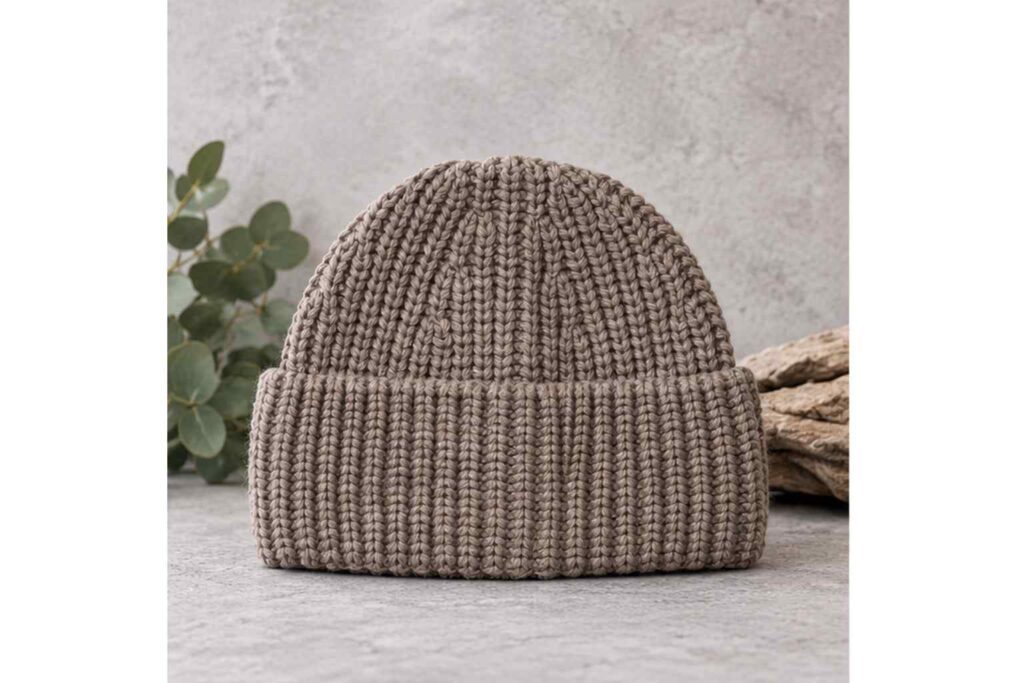
Manchester-based Arctic Fox & Co. offers merino wool beanies made with Responsible Wool Standard certified wool. Across its wider range, it also uses recycled materials and industry offcuts, while its packaging is plastic-free and made from recycled material, giving the brand a broader approach beyond the hat itself.
Sustainable Winter Hats: Wrap-Up
The best winter hat may well be the slightly battered one already sitting in your cupboard because keeping something useful in circulation is usually better than replacing it simply because another winter has arrived.
When you genuinely need a new one, however, sustainable winter hats give you plenty of ways to make a more considered choice by looking beyond colour and price to the fibre, construction, sourcing and evidence behind the claims. Then comes the easiest part: wear it, look after it and let a good hat do the job it was designed to do for as many cold mornings as possible.
At Play It Green, we believe practical changes work best when they are easy to understand and repeat, which is why buying fewer, better-made things and keeping them for longer remains such a useful habit.