
Stagecoach: Introduction
Stagecoach is often recognised for the scale of its bus network, and its electrification journey shows that the real story behind the change is much bigger than replacing diesel buses with electric ones.
Following Stagecoach’s recognition by global environmental disclosure organisation CDP for its climate transparency, Play It Green founder Richard Dickson spoke to Tony Cockcroft, Asset Management Director at Stagecoach. They explored what sits behind that progress and what other organisations can learn from the company’s journey.
Although electric buses and lower tailpipe emissions are clearly central to the story, what stood out most was the wider transformation taking place across Stagecoach’s depots, teams, passengers and local communities.
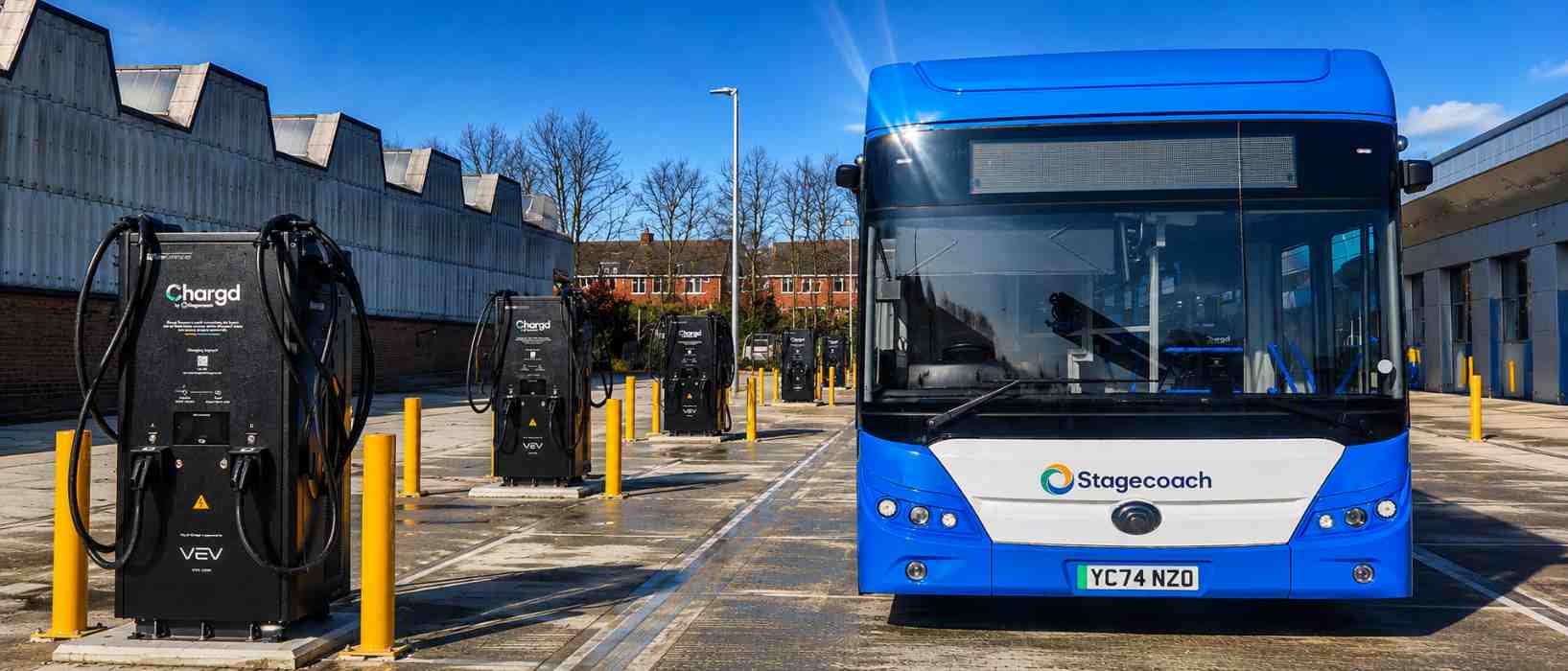
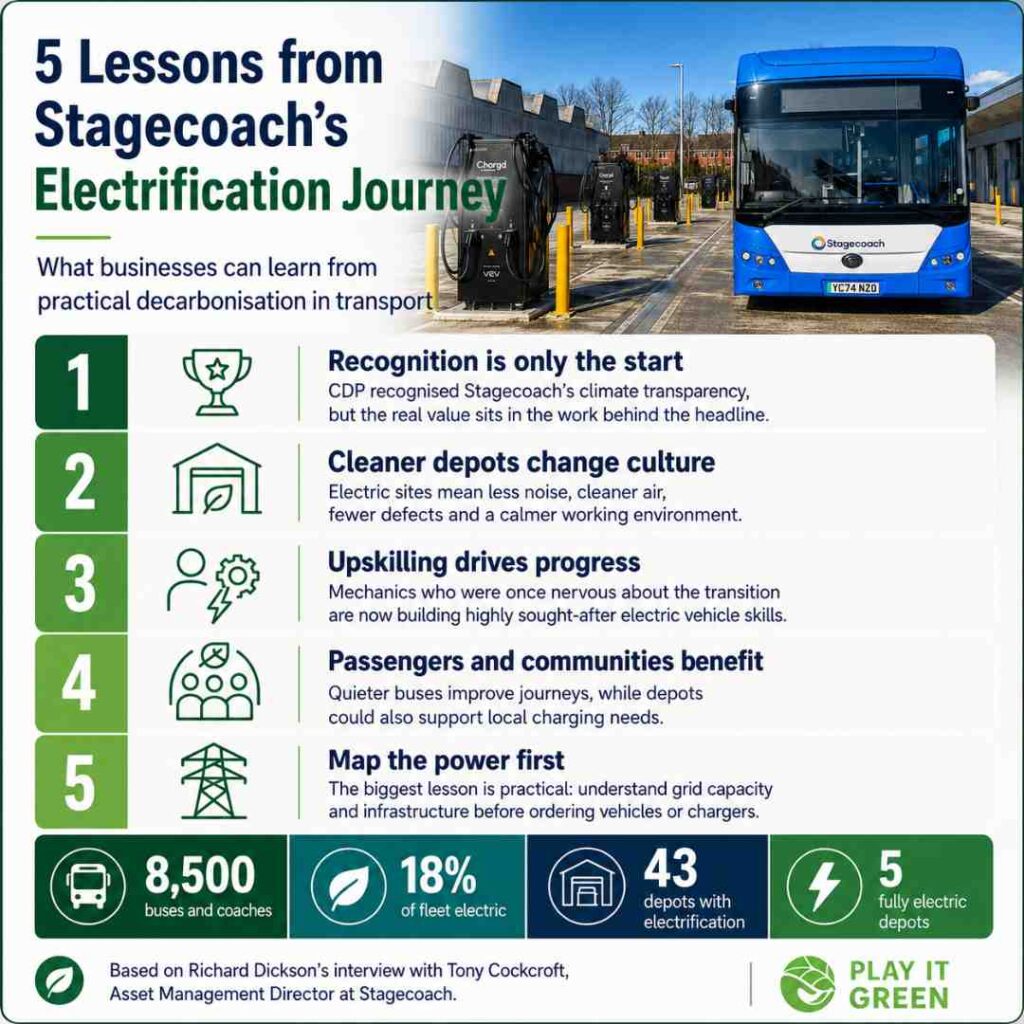
Stagecoach operates one of the UK’s largest bus fleets, with nearly 8,500 buses and coaches across the country. Around 18% of the fleet has already been converted to electric, and 43 of its 122 depots now have some form of electrification, and five are fully electric. That gives Stagecoach something many organisations are still building: real-world experience of practical decarbonisation.

Behind the Recognition
Recognition matters because it shines a light on progress, and recently, Stagecoach was awarded an ‘A-’ rating for climate change by CDP, maintaining the rating for a second consecutive year. But while that recognition is important, the real value often sits behind the headline: the planning, learning, decisions and cultural shifts that make change possible.
Tony described Stagecoach’s first fully electric depot at Stockton as one of the company’s key moments of belief. It proved that a full depot could be electrified without compromising the service, buying extra land or adding unnecessary spare fleet. The electric vehicles have performed so efficiently that Stagecoach has been able to reduce the size of the spare fleet there.
For any business working through its own decarbonisation journey, that matters as it shows just how change can move from theory to proof, and from proof to confidence.
From Diesel Depots to Cleaner, Calmer Workplaces
One of the most powerful parts of the interview was Tony’s description of the difference between older diesel depots and newer electrified sites.
Many bus depots were built for a different era, as Tony talked about sites more than 100 years old, where diesel buses left soot, smoke, oil stains and noise. At 6am, visibility could be poor from the fumes, repair bays carried the marks of decades of diesel operation, and the morning routine was often about solving problems quickly just to get vehicles out on time.
The new electric depot environment sounds very different.
There is less noise, less dirt, fewer defects and far less morning panic. Vehicles are charged through smarter systems, drivers know where they need to go, and teams are not constantly firefighting small operational problems. Tony described an air of calm in the depot, where managers and supervisors have more time for proper conversations with staff because the plan is working.
For Stagecoach, electric depots mean cleaner air, quieter working conditions and a healthier environment for engineers, drivers and operational teams. They also create pride as people can see and feel the progress around them, and it creates genuine positivity.
Upskilling the People Behind the Transition
The people story is particularly important when it comes to mechanics and engineers.
At the start, there was understandable nervousness, as many engineers had spent years building skills around diesel vehicles. Suddenly, they were being asked to work with high-voltage drivetrains, battery systems, charging infrastructure and new diagnostic tools. For some, the worry was personal… Would the skills they had built over decades still matter in an electric future?
Stagecoach’s answer was to invest in people, and Tony talked about working with training providers, building proper programmes, giving teams the right tools and making sure facilities were suitable for the work ahead. Over time, that nervousness has turned into confidence and self-belief.
The result is not a workforce left behind by change, but rather, it is a workforce made more valuable by it. The mechanics and engineers who were once cautious about electrification are now developing some of the most sought-after skills in the transport sector. Their existing engineering knowledge has not been replaced; it has been adapted and strengthened.
And that is what a good transition looks like. It should reduce environmental impact while giving people the confidence, training and pride to move with the change.
What Passengers and Communities Gain
The benefits are not only being felt behind depot doors, as Tony explained that Stagecoach’s passenger surveys show an overwhelmingly positive response to electric buses. They are quieter, smoother and more comfortable, with less vibration and better braking. Even drivers have noticed one unexpected change: because the vehicles are so quiet, they can now hear passengers chatting at the back. As they produce no emissions, the air quality on the bus routes is improved, and buses can sit waiting for passengers without pumping fumes out into the surrounding air.
Tony also spoke about the potential for bus depots to become local charging hubs during the day when buses are out on routes and charging infrastructure is available. That could support local businesses with electric vans or small fleets, helping reduce range anxiety and creating even more social benefit!
Get In TouchThe Infrastructure Challenge
The journey has not been simple, as one of the clearest messages from Tony was that fleet electrification is not just about ordering vehicles. Organisations should not order vehicles or chargers or even start anything until they understand the power position properly.
For Stagecoach, getting power to sites has been one of the biggest challenges. The company has had to work through distribution network operators, planning rules, highways permissions, private landlords, legal agreements and cable routes. In some cases, power may need to travel miles to reach a depot.
That creates risk, as if the vehicles arrive before the infrastructure is ready, operators can be left with expensive electric buses sitting unused, which Tony described as stranded assets.
Stagecoach’s biggest lesson is simple but powerful: map the power first.
The company spent months mapping every depot in the UK to understand where power was available, where there were high-risk sites, and where grid upgrades might not arrive for years. That insight now shapes the rollout, with more difficult sites pushed later and more achievable locations prioritised first.

Stagecoach: Wrap-Up
Tony also highlighted the need for more joined-up thinking across policy, transport, energy and infrastructure. The Department for Transport has been supportive, but the wider challenge is connecting transport ambition with grid reality. Businesses are being asked to decarbonise, but they also need the systems around them to move at the same pace.
Stagecoach’s recognition is deserved, although the real value of this story is definitely the learning behind it.
The company has shown that fleet electrification can improve workplaces, build new skills, enhance passenger experience and create wider community benefits. It has also shown that the hard parts are often not the electric vehicles themselves, but the planning, power, infrastructure and coordination needed to make them work.
For other organisations starting their own journey, that is the lesson worth taking away. Decarbonisation is not just a target, it is a practical transformation of people, places, systems and infrastructure. Stagecoach is showing what that can look like when a major organisation commits to learning, adapting and sharing what it discovers along the way.
You can find out more about Stagecoach by heading to their website using the link here.
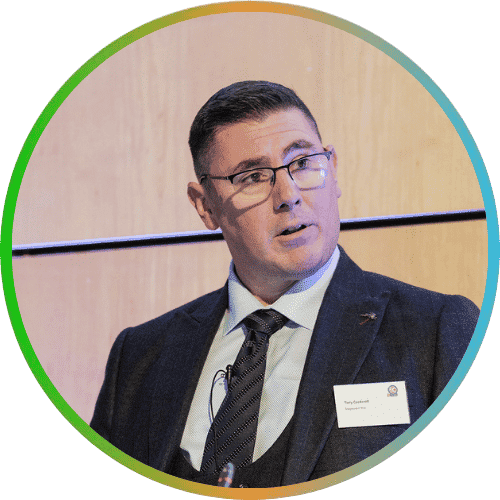
Stagecoach Asset Management Director, Tony Cockcroft
Tony Cockcroft is Asset Management Director at Stagecoach, where he leads across engineering, construction, procurement and the delivery of the company’s decarbonisation programme. His experience gives him a practical view of what fleet transition really involves, from infrastructure and vehicle planning to the people and skills needed to make change work on the ground.
If you enjoyed this article on Stagecoach, why not become part of a community creating positive change by partnering with Play It Green and receive these tips weekly straight to your inbox?
We help you reduce your footprint, repair the planet, and regive to social causes that matter, all through simple, measurable actions that fit your business.

Modern employees, consumers, and investors want to see impact, not promises. With Play It Green, your sustainability journey becomes visible, credible, and rewarding.
Join us today and turn good intentions into lasting results.
Sign Up