Skip to content

Best Sustainability Innovations of 2026: Introduction
The Best Sustainability Innovations of 2026 returns with three ideas that have moved closer to everyday use since our March selection. Back then, we explored heat-storing building materials, nature-led wastewater treatment and semi-transparent solar cells. Nearly half a year later, another group of practical innovations has earned our attention.
Each idea takes a familiar problem and solves it through smarter materials or better use of what already exists. That practical thinking fits the Play It Green community, where progress should be clear and credible. It should also be easy for people to understand and support.

Robots Give Existing Electricity Lines More Capacity
Britain needs far more grid capacity, yet building new electricity lines can take many years. Leeds-based AssetCool has found a faster route by helping existing lines carry more electricity. Its small robots travel along overhead cables and apply a special coating directly to the metal surface.
The coating reflects sunlight and releases heat, which keeps the cables cooler during operation. As a result, each line can carry more electricity before it reaches the temperature limit that restricts its capacity. The World Economic Forum says the approach could increase capacity by around 30 per cent without installing new wires.

This could help renewable projects connect to the grid sooner, since many projects currently face long delays. At the same time, electricity networks could avoid some major construction work, lengthy shutdowns and expensive cable replacement. AssetCool has already completed projects with electricity companies in Canada, Nepal, Slovenia and the UK.
The company raised £10 million in 2025, and its work featured in the World Economic Forum’s 2026 technology report. Long-term coating performance and approval from grid operators will still shape how quickly the idea spreads. Even so, the first of our Best Sustainability Innovations of 2026 shows how existing infrastructure can work harder and it can achieve this improvement without requiring complete replacement.
Clean Water Collected from Dry Air
Water shortages are often answered with dams, pipelines or desalination plants. Yet these options can be expensive and difficult to build. California-based Atoco is taking a different approach by collecting water directly from the air. Its materials contain tiny spaces that trap water molecules, including in very dry conditions.
Gentle heat releases the trapped moisture, and the water can then be collected for local use. Atoco says a unit similar in size to a 20-foot shipping container could produce up to 1,000 litres daily. The unit can use very low-temperature heat and does not depend on a central water network.
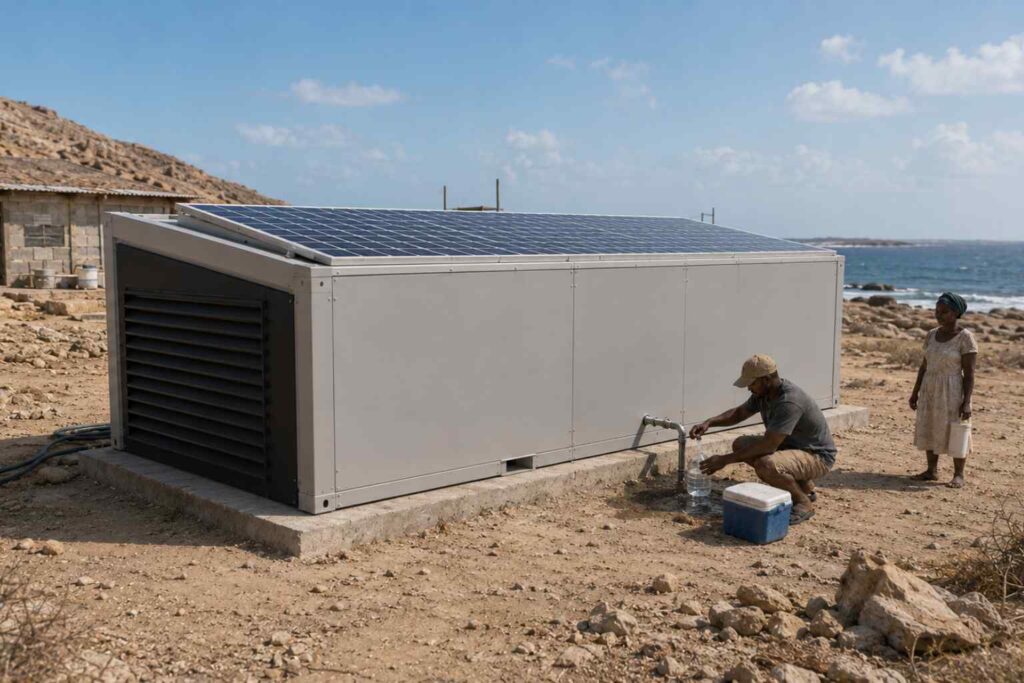
That could make the system useful for islands, remote communities and places recovering from droughts or hurricanes. Producing water locally may reduce costly deliveries and help communities cope when pipes, roads or electricity supplies are damaged. The idea grew from research led by Professor Omar Yaghi, who shared the 2025 Nobel Prize in Chemistry.
Yaghi grew up in Jordan with limited access to water, so the problem has a deeply personal connection. Independent testing across different climates will still be needed, together with clear maintenance and water-quality standards. Still, this entry among our Best Sustainability Innovations of 2026 connects advanced science with a basic human need. It does so in a remarkably direct and practical way.
Mycelium Packaging Made for Existing Factories
Expanded polystyrene protects products well, yet it can remain in the environment for centuries and break into smaller plastic pieces. New Zealand company Mushroom Material has created a replacement using agricultural leftovers and mycelium. Mycelium is the root-like network produced by fungi, and it acts as a natural binding material. The mycelium binds the waste material together naturally, creating a light and protective material.
Many mycelium products are grown inside their final moulds, which can make production slow and expensive. Mushroom Material has changed that process by turning its material into consistent pellets. Manufacturers can place those pellets inside equipment already used to mould polystyrene packaging.
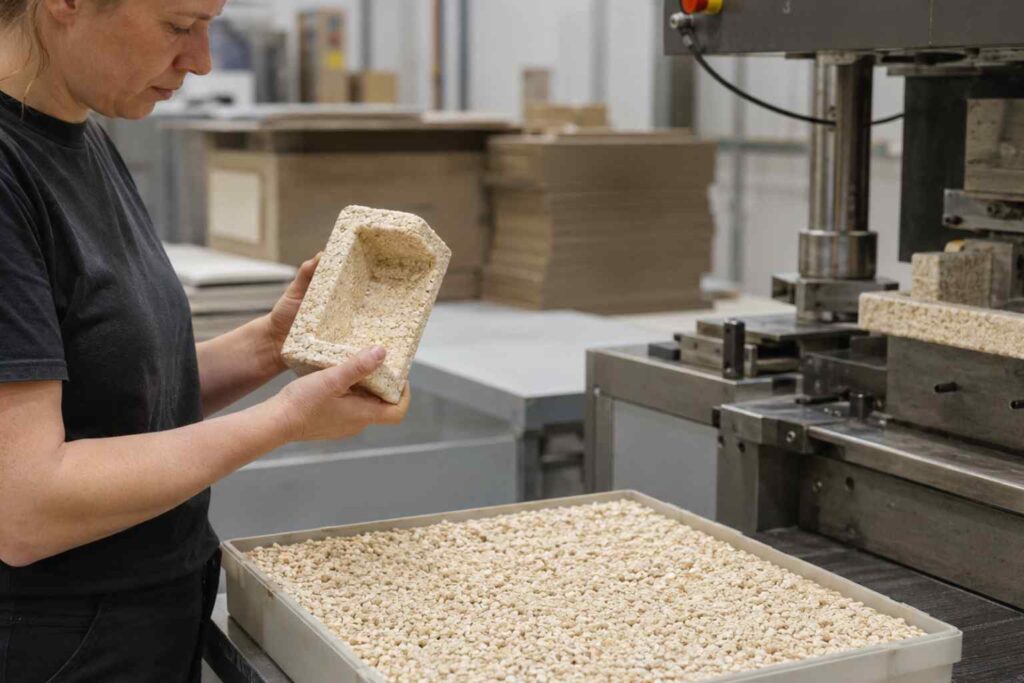
This removes a major barrier, since factories do not need completely different machinery before making the switch. The company says its packaging performs like conventional foam and can break down safely in a home composting system. Its current estimate suggests decomposition within three months, with formal certification still being completed.
Vodafone, Thermo Fisher Scientific and optical manufacturer Meopta have already used the packaging. Meanwhile, Victoria University of Wellington nominated Mushroom Material for the 2026 Earthshot Prize. The final of our Best Sustainability Innovations of 2026 makes biological materials easier for existing factories to use. That practical advantage gives the idea real commercial promise.

Best Sustainability Innovations of 2026: Wrap-Up
The Best Sustainability Innovations of 2026 show that progress often comes from improving familiar systems instead of replacing everything around them. AssetCool helps existing cables carry more electricity, Atoco produces water near demand, and Mushroom Material works with current factory equipment.
Each innovation still has questions around cost, performance and scale, so honest reporting remains important. Yet each one has a believable route into real use, which separates practical progress from an attractive laboratory idea.
The Play It Green community follows the same principle through practical reduction, verified nature repair and meaningful social impact. Our shared impact grows through consistent action, clear measurement and a willingness to keep improving. Half a year after our first selection, the reasons for practical optimism keep growing. Together, we can make the rest of 2026 count.
If you enjoyed the Best Sustainability Innovations of 2026, why not become part of a community creating positive change by partnering with Play It Green?
We help you reduce your footprint, repair the planet, and regive to social causes that matter, all through simple, measurable actions that fit your business.

Modern employees, consumers, and investors want to see impact, not promises. With Play It Green, your sustainability journey becomes visible, credible, and rewarding.
Join us today and turn good intentions into lasting results.