Kwale, Kenya6 seconds
Eurasian Whimbrel
Least concern

The 100 kg science
Play It Green uses one conservative ten-year projection for every funded nature-based solution. It supports clear reporting without claiming growth, regeneration or ecosystem recovery outside the calculation.
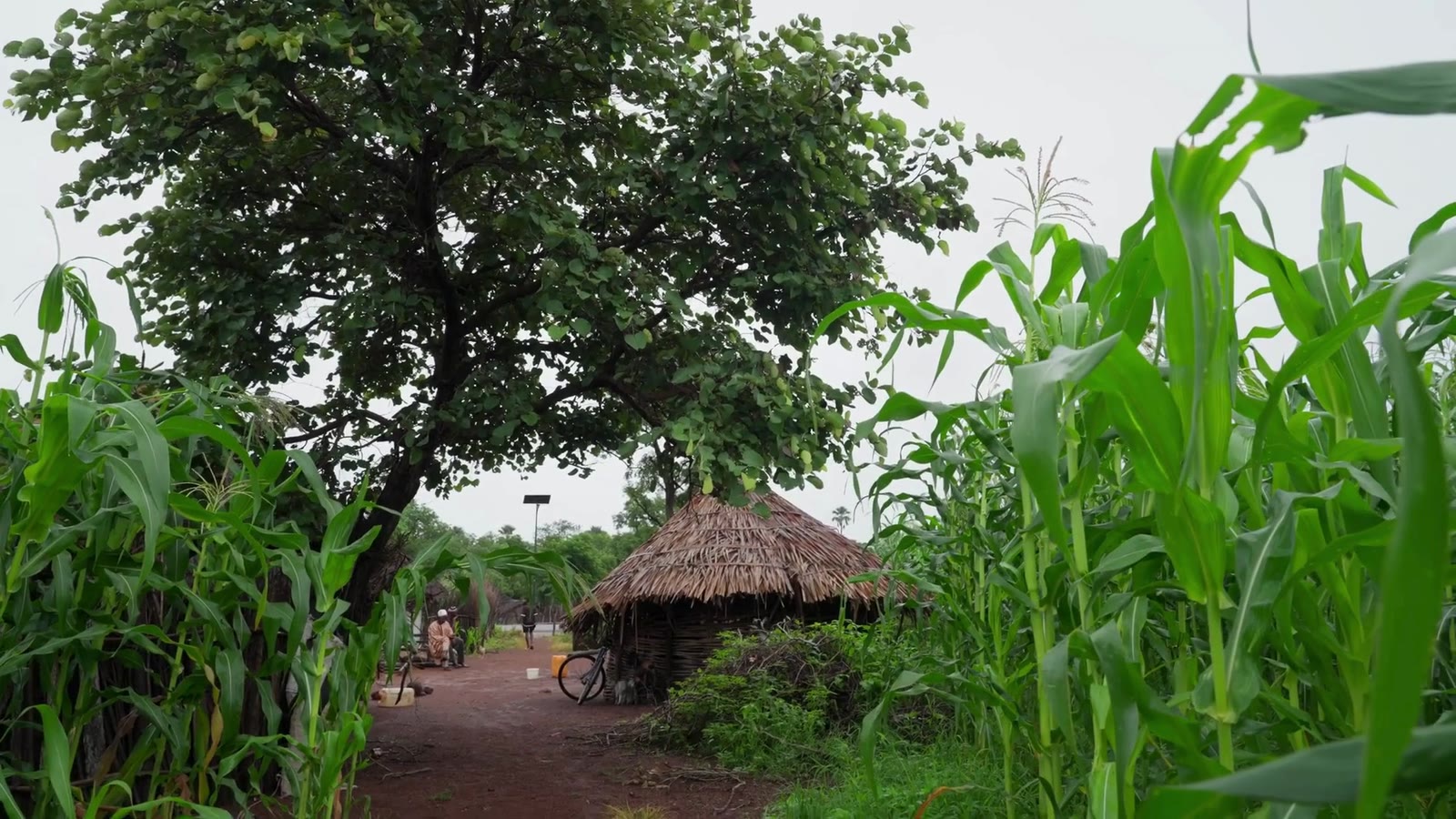
CO₂e projected over ten years
Conservative by designA conservative reporting boundary
The figure describes projected absorption over a defined ten-year period, not carbon already removed from the atmosphere.
It excludes growth after year ten, natural regeneration and wider ecosystem growth. Those benefits may occur, but leaving them unclaimed reduces the risk of overstating the funded portfolio’s carbon impact.
Read the full methodologyThe science of nature repair
Well-designed restoration can rebuild habitat, improve soil and water conditions, protect coastlines, support biodiversity and create the conditions for natural regeneration.
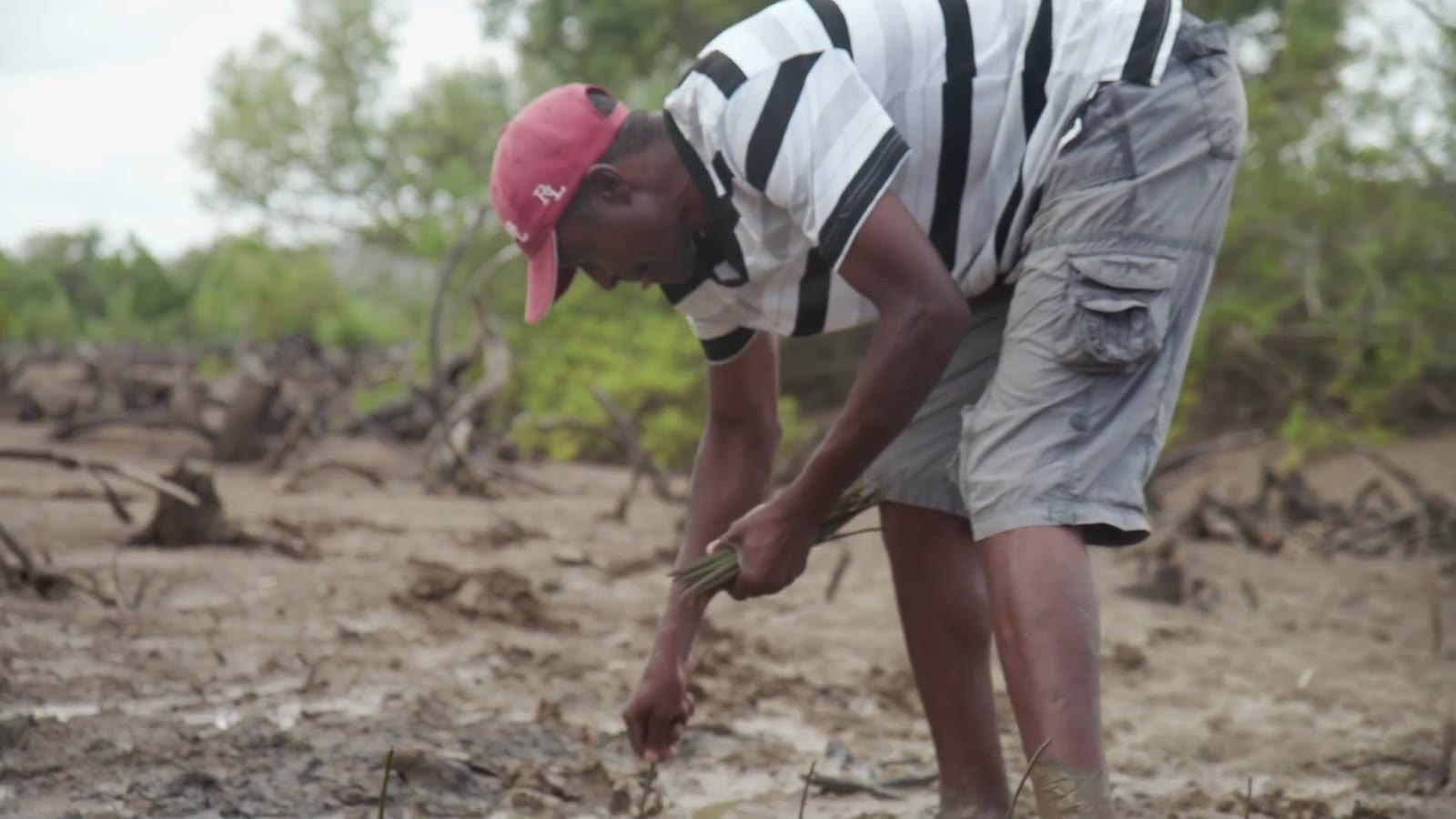
Regeneration and ecosystem recovery
Successful restoration can help soils hold more water and nutrients, stabilise coastlines, create shade and shelter, rebuild habitat and provide seed sources for natural regeneration.
As conditions improve, other plants and wildlife can return. This wider recovery matters, but it is not included within Play It Green’s stated 100 kg CO₂e projection.
Healthier soils can retain more nutrients and water.
Restored habitat can support returning plants and wildlife.
Coastal recovery can strengthen shorelines and marine nurseries.
Natural regeneration can extend beyond what was originally planted.
Bioacoustic monitoring
Bioacoustic sensors record bird calls without disturbing wildlife. The recordings are analysed to help identify species and monitor changes in biodiversity and habitat health over time.
These genuine recordings are drawn from the regional monitoring available through Play It Green’s verified project dashboard.
Least concern
Least concern
Least concern
Near threatened
Species status and recordings are supplied through veritree’s bioacoustic monitoring dashboard. Monitoring coverage and methods vary by restoration site.
Verification, management and protection
Verification confirms that recorded work is supported by evidence. Management and protection then help the restored ecosystem survive and develop.
Methods vary by project because a farm, mangrove coast and kelp forest do not face the same conditions or risks.
Ecological need, local leadership, community participation, delivery capability and long-term monitoring all inform project selection.
Local teams raise seedlings or prepare restoration sites, then plant or restore the species and ecosystems suited to that place.
Location, timing and field evidence create traceable records. Verification can combine field data with satellite, drone and other remote monitoring.
Local project partners maintain sites, replace losses where appropriate and adapt their work as conditions and evidence change.
Protection depends on the ecosystem and can include community stewardship, controlled access, fire prevention, coastal safeguards and continued local management.
Survival, canopy, biodiversity, environmental conditions and social outcomes are monitored over time, with methods matched to the project.
Monitoring across the portfolio
Agroforestry, mangrove and sea-kelp restoration do not develop in the same way. Monitoring is matched to the landscape, project stage and evidence available.
Field records, photographs and location data evidence delivery, while continued checks help project teams understand survival and how the working landscape develops.
Planting and location records are supported by field monitoring. At applicable Kenyan sites, bioacoustic sensors add evidence of birdlife and changing habitat health.
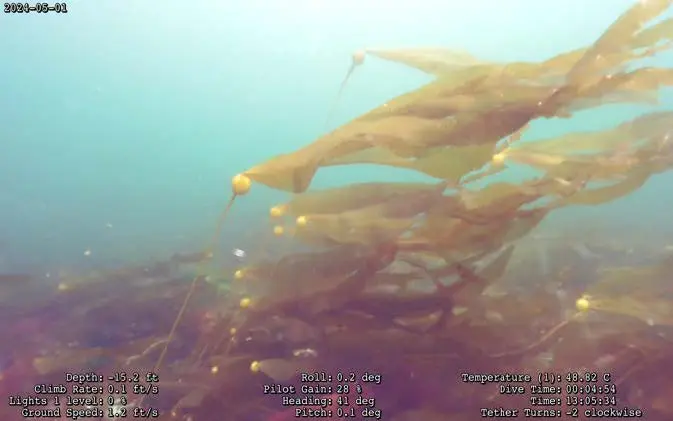
Propagation records, mapped restoration and reference areas, together with underwater biological surveys, provide evidence across the restoration cycle.
Environmental and social value
Research reviewed by the University of Oxford found that nature-based solutions can contribute to income, employment and economic activity while supporting climate, biodiversity and social goals. Strong projects involve local communities and distribute benefits fairly.
Play It Green’s verified project data to the end of 2025 includes 3,803 paid workdays, improved food security for participating Senegalese farm families, women’s livelihoods and Indigenous stewardship.
See the social-impact evidence →Responsible claims
Planting does not replace the need for businesses to measure and reduce emissions.
Projected CO₂ absorption is not the same as carbon already absorbed.
Verification confirms recorded delivery and evidence, not a guaranteed future ecological outcome.
Management, protection and monitoring remain necessary after planting.
Science FAQ
Project records support the location, timing and delivery stage of funded work. Evidence can include field data, photographs, geolocation, survival checks and appropriate remote monitoring.
Current restoration delivery is verified through veritree. Local project partners collect evidence, while the available monitoring methods depend on the ecosystem and project stage.
Project teams manage, protect and monitor restoration sites. The work can include maintenance, replacement planting, fire or access safeguards, survival checks and adapting delivery as conditions change.
Protection is project-specific and locally led. It can include community stewardship agreements, site management, coastal safeguards, fire prevention, controlled access and continued monitoring.
It is the wider return or growth of vegetation supported by improving ecological conditions. Play It Green recognises this benefit but excludes it from the stated 100 kg figure.
It is Play It Green’s conservative estimate of absorption associated with each funded nature-based solution over ten years. It is a projection, not carbon already absorbed.
Ten years provides a defined reporting boundary. Growth after year ten is not included in the stated figure.
No. Businesses should measure and reduce emissions first. Play It Green only offers carbon rebalancing to companies with an official footprint and a published reduction plan.
An appropriate claim for a previous measured period requires an official footprint, a published reduction plan and responsible rebalancing of the relevant residual emissions. The wording must match the evidence.
Members can access project and impact records through their Forest Garden. The evidence paper provides the detailed 100 kg methodology, assumptions and exclusions.
Start a conversation
Tell us what you are trying to achieve and we will help you find a practical place to begin.
Book a meeting