

How to Avoid Greenwashing: Introduction
Today, to help you in your business sustainability journey, we take a look at how to avoid green washing.
Green messages appear in advertisements, labels, and corporate websites. Many enterprises aim to highlight eco-friendly steps, yet some face intense criticism or complaints when their claims appear exaggerated or poorly supported.
This issue, often called greenwashing, occurs when a brand suggests stronger environmental credentials than actual evidence supports. It undermines trust and can trigger regulatory action by the Advertising Standards Authority (ASA) or the Competition and Markets Authority (CMA).
As people place increasing value on authenticity and responsible choices, it becomes vital to present accurate sustainability efforts.

1. The Basics of Greenwashing
Greenwashing happens when marketing statements or visuals overstate positive environmental impact. Some brands mention small gains but overlook larger drawbacks in their operations. The aim is to appear more responsible than they are. Regulators and watchful customers have grown alert to these tactics.
Airlines, drinks companies, and finance providers have been required to update or withdraw promotions after misleading references to offsetting or renewables. This approach damages trust and can harm a firm’s long-term image. By basing statements on proven data, organisations can avoid missteps and stand out for genuine efforts.
2. Why Clear Claims Matter
Clear statements form the backbone of credibility. Audiences are quick to question ambiguous phrases such as “eco-friendly” or “green,” especially if no proof is shared. Purchasers seeking to reduce harm prefer reliable evidence over big talk. Brands that lay out exact figures or explain verified certifications appear more trustworthy in this competitive space.
Maintaining precise language lowers the likelihood of negative coverage if someone probes your claims. The ASA often looks for supporting documents when evaluating ads. Third-party approvals, carbon reduction data, or verified supply chain details all signal a sincere commitment.
3. Common Pitfalls and Real Cases
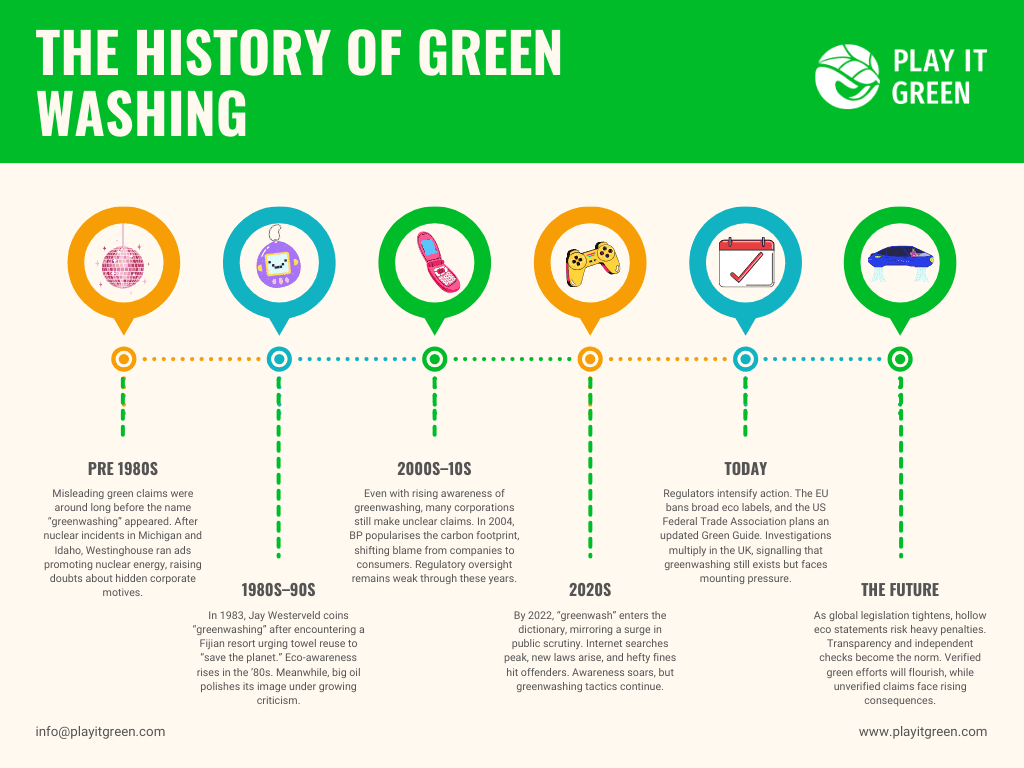
Certain traps repeatedly cause trouble for brands. Some rely on self-developed labels or one-sided success stories, ignoring ongoing fossil-based activities. Others highlight recyclability or carbon neutrality without revealing the scale or method. Past cases include banks emphasising climate pledges while continuing large investments in fossil projects, or drinks companies hinting at big changes yet offering no data to back them up.
Even powerful visuals can mislead if they suggest broader improvements than exist. These real scenarios show that incomplete or unverified claims receive pushback, potentially leading to ASA interventions and public distrust.
4. Practical Steps on How to Avoid Greenwashing
A few strategies can help.
- Focus on tangible data. Instead of claiming a product is “green,” present metrics that prove reduced plastic usage or lower emissions.
- Keep teams aligned. If a net zero pledge is announced, senior managers should confirm that budgets and timelines are realistic. Contradictions across departments create suspicion.
- Use external guidance. The CMA’s Green Claims Code outlines fair and accurate communication. The ASA offers a copy-check service for proposed ads.
- Be honest about limits. If your organisation is cutting plastic but still uses it for certain items, say so. Clarity is far better than inflated promises.
- Seek verified certifications. For example, groups such as the Forest Stewardship Council can confirm that your materials follow strict standards. Independent endorsements reinforce your statements.
5. The Role of Regulators and Resources
The ASA addresses claims that may mislead the public, including incomplete statements about waste, energy, or carbon outputs. The CMA’s Green Claims Code sets out standards to help businesses communicate responsibly. These frameworks emphasise accuracy, honesty, and openness.
Organisations that study past rulings gain insight into typical mistakes and how to avoid them. Industry associations often share case studies or host training that clarifies good practice. By following official guidance and monitoring updates, teams limit the risk of greenwashing. Effort spent on transparent communication pays off through stronger loyalty and brand strength.
How to Avoid Greenwashing: Wrap-Up
Trust is not built overnight. A brand that backs its environmental statements with concrete data and learns how to avoid greenwashing gains more respect in a marketplace that examines every claim. High-level pledges mean little if real progress steps are absent. Choosing transparent language, coordinating across departments, and engaging with recognised guidelines encourages genuine growth.
When customers spot truth rather than hype, they often reward that honesty with loyalty. As businesses learn how to avoid greenwashing, they create an environment where realistic expectations, open dialogue, and documented achievements guide long-term success. Over time, these traits set the stage for greater social and commercial gains.
Not a member yet?
Sign UpJoin our community and learn how to be more sustainable. We’ll also plant a mix of 10 trees, mangroves and sea kelp monthly for you. All for £5 per person per month! Plus we give 10% back to a charity of your choice. So what are you waiting for? Time to act and be the change!
Want more info before deciding? Click here.