

Sustainability News for March 9th: Introduction
The Sustainability News for March 9th reflects a more mature phase in how climate responsibility is being approached across business and government. The tone this week is not dramatic, yet the implications are significant. Sustainability is increasingly shaping operational design, supply relationships and long-term investment decisions rather than sitting in annual reports.
What emerges is a steady recalibration of how risk, resilience and competitiveness are understood. For UK businesses navigating tightening supply chain scrutiny and rising energy demand, these developments signal that climate strategy is becoming embedded into core commercial thinking, not treated as a separate initiative.

How Lush is rewiring its Scope 3 strategy
The Sustainability News for March 9th opens with Lush facing a reality most consumer brands share but do not always make visible. Almost 94% of its total emissions sit in Scope 3, meaning they come from suppliers, logistics and how customers use its products. Supply chains account for 38% of the footprint, customer use 31%, and freight 10%, leaving less than 8% within direct operations. That distribution changes the commercial conversation. When most impact sits outside your buildings, sustainability stops being a facilities issue and becomes a product and procurement decision.

Lush includes customer hot water use in its reporting, even though some competitors exclude it. Cadi Pink, the brand’s global sustainability commercial lead, says the choice reflects a commitment to transparency. Including everything increases the headline figure, yet it builds credibility as scrutiny around value-chain claims grows.
The response is practical rather than symbolic. Solid formats reduce packaging and transport weight. Recycled materials lower embedded carbon. Bringing recycling in-house closes loops, even if it shifts emissions between scopes. For UK businesses, the message is clear: when Scope 3 dominates, real leverage comes from redesigning products and strengthening supplier resilience.
Get In TouchMicrosoft reaches 100% renewable electricity milestone
The Sustainability News for March 9th also highlights Microsoft confirming that it has matched 100% of its annual global electricity consumption with renewable energy. The target was set in 2020 as part of its commitment to become carbon negative by 2030, with a 2025 deadline. More than 90% of the renewable electricity supported last year came through long-term Power Purchase Agreements, largely tied to new projects rather than existing supply. Since 2020, Microsoft has contracted 40 gigawatts of renewable capacity across 26 countries, with 19GW now operational.
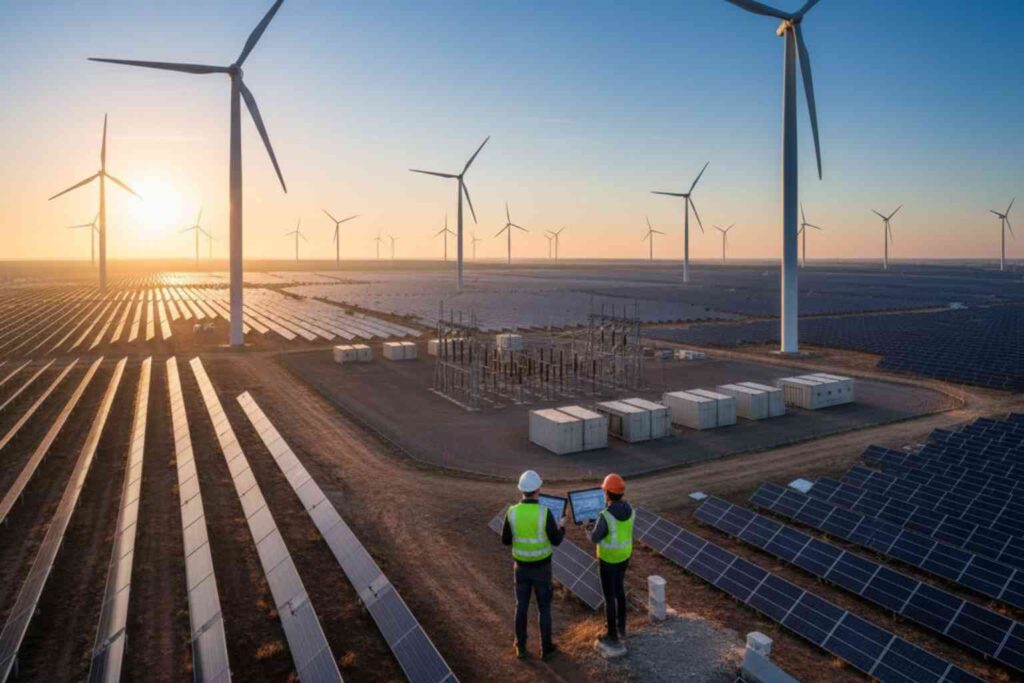
The commercial importance lies in how that electricity was secured. Long-term PPAs help finance new generation, rather than relying on short-term certificates that shift accounting without expanding supply. Microsoft has avoided spot-market credits and instead focused on adding capacity to the grid, which strengthens the credibility of its claim and reduces accusations of greenwashing.
Looking ahead, the company is working towards verifying clean energy on an hourly basis. With electricity demand rising due to electrification and AI growth, large businesses will increasingly be judged on whether they are helping build reliable clean energy systems, not simply matching annual consumption with renewable contracts.
UK and California deepen clean energy partnership
The Sustainability News for March 9th concludes with the UK and California signing a new Memorandum of Understanding focused on clean energy innovation, investment and research. California remains committed to removing fossil fuels from its electricity mix by 2045, while the UK is advancing its Clean Power 2030 mission to reduce the role of gas. The agreement centres on accelerating technologies that improve energy security, affordability and emissions reduction.

The commercial relevance sits in market alignment rather than symbolism. Closer cooperation between two major clean energy economies can open supply chains, attract inward investment and reduce development friction for emerging technologies. For UK businesses operating internationally, stronger ties with California create opportunities across offshore wind, solar, storage and carbon removal.
The announcement was reinforced by Octopus Energy Generation outlining plans to invest nearly $1bn in Californian low-carbon projects, including carbon removal, heat batteries and solar with storage. When capital follows policy direction, the signal becomes clearer. Clean energy expansion is not slowing. It is being embedded into long-term economic planning on both sides of the Atlantic.

Sustainability News for March 9th: Wrap Up
The Sustainability News for March 9th highlights a clear shift. Sustainability is moving from pledges into product design, energy procurement and long-term economic alignment. Lush is addressing Scope 3 through redesign and supply resilience. Microsoft is backing renewable electricity with contracts that add real capacity and the UK and California are pairing policy with investment to accelerate clean energy growth.
What links these stories is commercial discipline. Each reflects organisations strengthening competitiveness through structural change rather than surface ambition. For the Play It Green community, the lesson is simple. When sustainability is built into core decisions, it increases resilience, credibility and long-term value.
If you enjoyed the Sustainability News for March 9th, why not become part of a community creating positive change by partnering with Play It Green?
We help you reduce your footprint, repair the planet, and regive to social causes that matter, all through simple, measurable actions that fit your business.

Modern employees, consumers, and investors want to see impact, not promises. With Play It Green, your sustainability journey becomes visible, credible, and rewarding.
Join us today and turn good intentions into lasting results.
Sign Up