

Sustainability News for May 11th: Introduction
The Sustainability News for May 11th lands in a week where practical progress feels more useful than polished promises. For the Play It Green community, that matters, since these stories sit at a crossroads where supply, waste and infrastructure shape business decisions. Taken together, our featured stories point to sustainability work happening globally that has real commercial weight and scalability.

Mars and ofi to collaborate on climate-smart cocoa farming
The first story of sustainability news for May 11th sees Mars and ofi announce a five-year collaboration to expand climate-smart cocoa farming across Ecuador. In the first phase, more than 960 farmers across around 9,000 hectares will adopt regenerative practices. The programme spans El Oro, Esmeraldas, Guayas, Los Ríos, Manabí and Santo Domingo. It supports both companies’ shared goal of net-zero emissions by 2050.
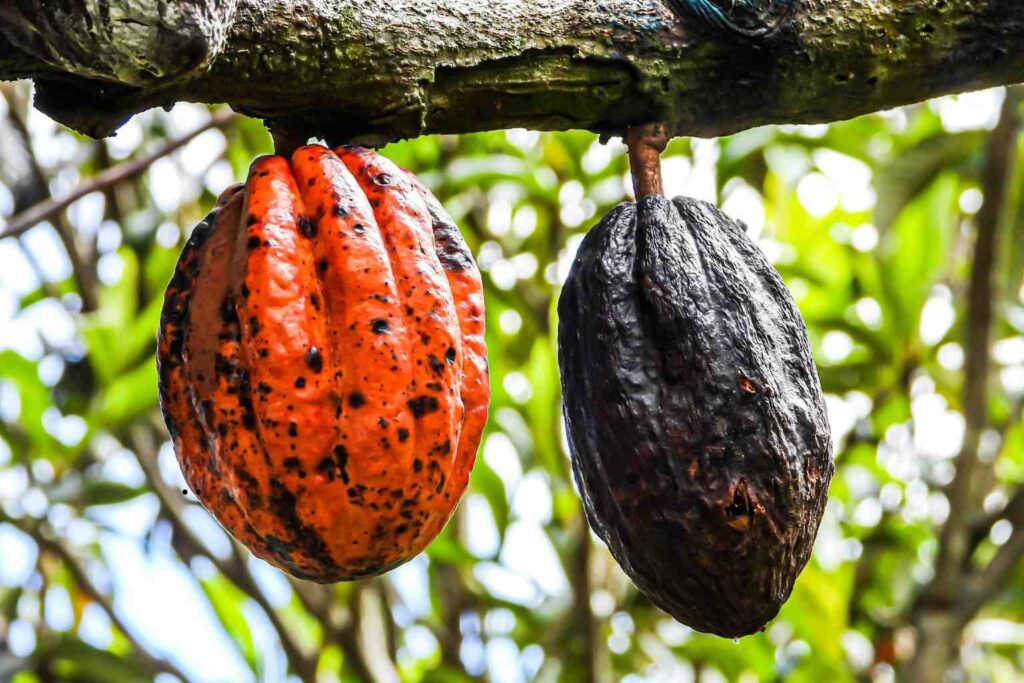
The farming shift is substantial as growers will move away from full-sun monoculture and into multistrata agroforestry systems. That means cocoa grown alongside trees, shrubs and other crops on the same land. The approach should improve biodiversity, soil health, pollination and resilience to pests and disease.
Farmers will receive support on lower-carbon fertilisers, better residue management and biochar use. Around 4,800 people in nearby communities are expected to benefit. Pedro Amaral said the aim is solutions that are good for farmers and supply chains. For cocoa, that looks sensible, since climate stress is rising and future supply is far from guaranteed.
Get In TouchReport: Circularity could unlock €25.4trn for the global economy
Our second story of sustainability news for May 11th shows that the latest Circularity Gap Report argues that the global economy is leaking extraordinary amounts of value through wasteful, linear systems. Circle Economy, working with Deloitte Netherlands, estimates that more than €25.4trn is lost every year, which works out at roughly €1 in every €3 of generated economic value. This year’s report shifts focus away from the usual circularity percentage and looks instead at the “Value Gap”, asking how much wealth is lost when materials and energy are used badly, discarded too early, or allowed to deteriorate.
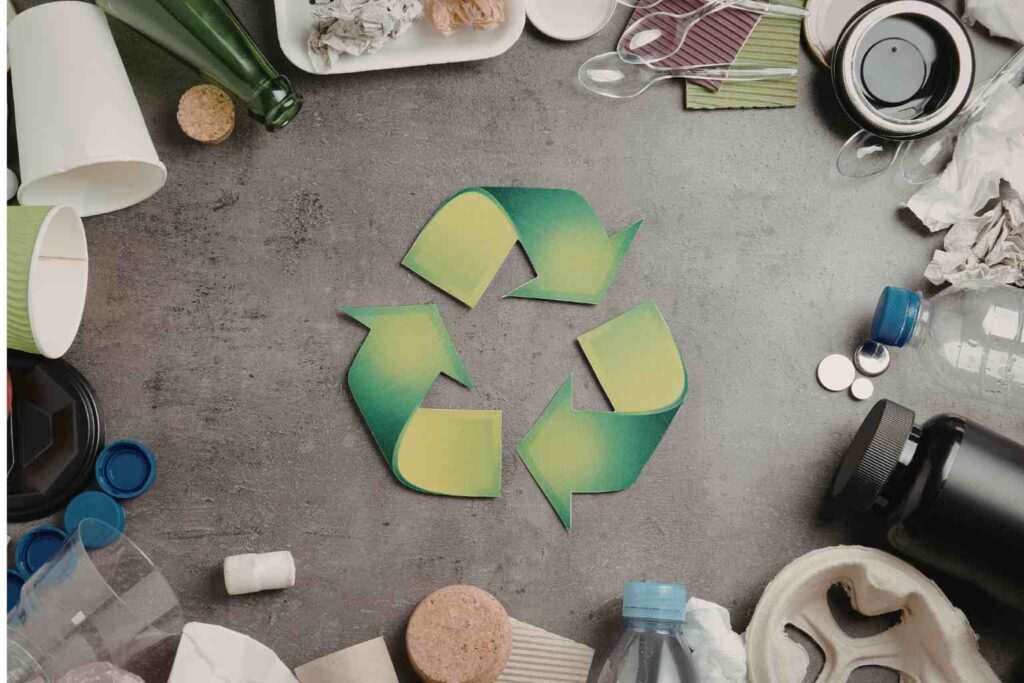
The biggest source of loss is end-of-life waste, estimated at €10trn a year. Energy losses add another €8.7trn, from wasted industrial heat to inefficient systems and fuel losses. Consumption of fixed capital adds €5.2trn, covering infrastructure and machinery that lose value through neglect, underuse or obsolescence.
Alvaro Conde said most of this loss is structural and systemic, not accidental. That matters, since circularity is being framed here as a commercial issue as much as an environmental one. The message is simple. Keeping products, materials and assets in use for longer helps businesses retain value, reduce waste and improve resilience.
Port of Dover posts 98% reduction in operational and energy emissions
Our final story of sustainability news for May 11th sees the Port of Dover say it has cut Scope 1 and Scope 2 emissions by 98.3% since 2007, making it the first UK port to reach net-zero in operations. The figure covers operational and energy emissions through to 2025 and has been externally verified in line with ISO 14064 and the GHG Protocol Corporate Accounting and Reporting Standard. For a major transport hub, that gives the claim real substance.
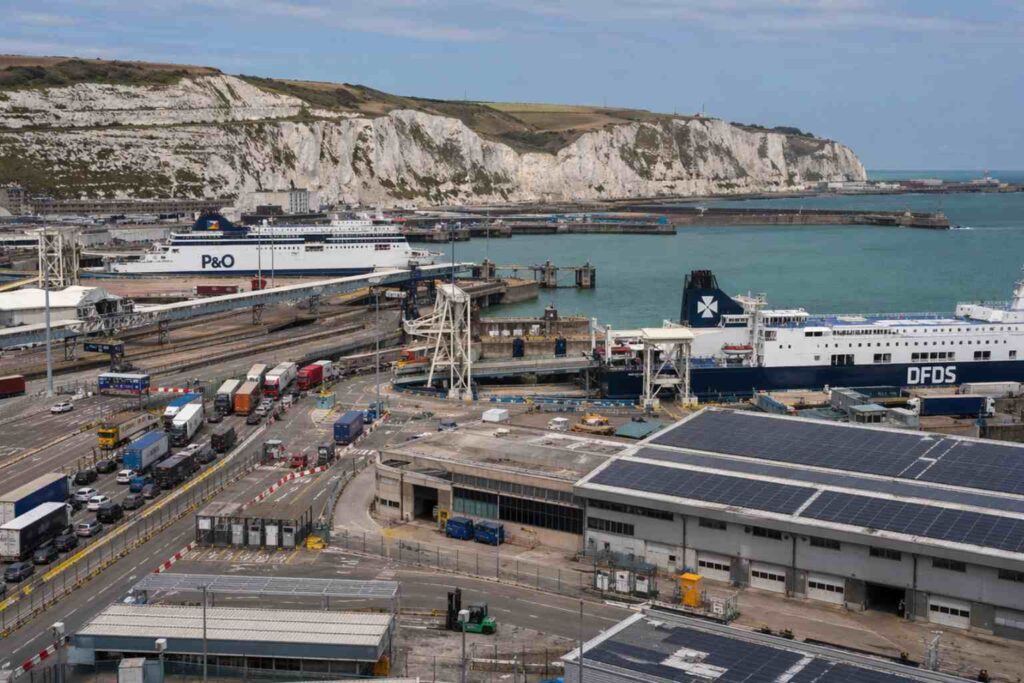
The reduction has come through a mix of energy efficiency improvements, 1.5MW of onsite solar generation, and a shift away from diesel towards hydrotreated vegetable oil for machinery. The Port has also secured recertification under the EcoPorts environmental management standard for the fourth time, showing that this is not a one-off announcement but part of a wider environmental approach.
Residual emissions are being balanced through verified local carbon credits linked to regenerative farming. CEO Doug Bannister said people across the Port had contributed to the result through sustainable processes and progressive behaviours. The next challenge is Scope 3, where procurement and development emissions will be much harder to tackle.

Sustainability News for May 11th: Wrap-Up
For the Play It Green community, the Sustainability News for May 11th brings together three examples of progress with real substance behind it. The common thread is practical action. Better farming can strengthen supply chains, circular thinking can protect value that would otherwise be wasted, and operational discipline can cut emissions far faster than many expect.
That is what makes these stories worth paying attention to. They are commercially relevant, grounded in delivery, and honest about the work still to come. Change rarely arrives as a perfect finished product. More often, it shows up through steady decisions that improve resilience, reduce waste, and leave businesses better prepared for what comes next.
If you enjoyed the Sustainability News for May 11th, why not become part of a community creating positive change by partnering with Play It Green?
We help you reduce your footprint, repair the planet, and regive to social causes that matter, all through simple, measurable actions that fit your business.

Modern employees, consumers, and investors want to see impact, not promises. With Play It Green, your sustainability journey becomes visible, credible, and rewarding.
Join us today and turn good intentions into lasting results.
Sign Up