

Sustainability News for July 27th: Introduction
The sustainability News for July 27th brings together cheaper clean electricity, smarter packaging rules and more circular vehicles. That sounds like a niche dinner party, but stick with it; it is actually useful.
This week, we found out that renewables saved the world $480bn in fossil fuel costs. PackUK updated recyclability guidance for packaging producers and the European Parliament backed new rules to make vehicles easier to reuse, repair and recycle.
At Play It Green, the community keeps proving that sustainability works best when it becomes practical. These stories fit that perfectly as they show cleaner systems becoming cheaper, clearer and better designed for real life.

Renewables Save $480bn in Fossil Fuel Costs
Renewable energy saved the global economy around $480bn in fossil fuel costs during 2025, according to the International Renewable Energy Agency. That is not loose change down the back of the sofa, it is proof that clean electricity is now an economic shield.
More than 90 per cent of large-scale renewable capacity added in 2025 was cheaper than the lowest-cost new fossil fuel option. Solar photovoltaic electricity stayed at $44 per megawatt-hour, onshore wind fell to $33, and offshore wind dropped to $78.

The long-term trend is even stronger, as since 2010, solar PV costs have fallen by 89 per cent, whilst onshore wind is down 71 per cent, and offshore wind is down 63 per cent. Gas generation moved the other way in several markets, with turbine shortages pushing costs higher.
For Sustainability News for July 27th, the lesson is commercial. Renewable energy now cuts emissions, reduces exposure to fossil fuel prices and strengthens national resilience. The world added 692GW of renewable capacity in 2025, taking the global total to 5,149GW. Brilliantly, that growth avoided around 8.4 gigatonnes of CO₂.
Get In TouchPackUK Updates Recyclability Guidance for Packaging Producers
PackUK and Defra have published an updated Recyclability Assessment Methodology for household packaging supplied in 2027. The short version is simple: packaging producers need clearer proof that materials can be recycled in the real world.
The methodology sits under the UK’s packaging Extended Producer Responsibility scheme. Producers placing packaging on the market pay fees linked to collection and recycling costs, and RAM ratings help shape those fees by classing packaging as red, amber or green.
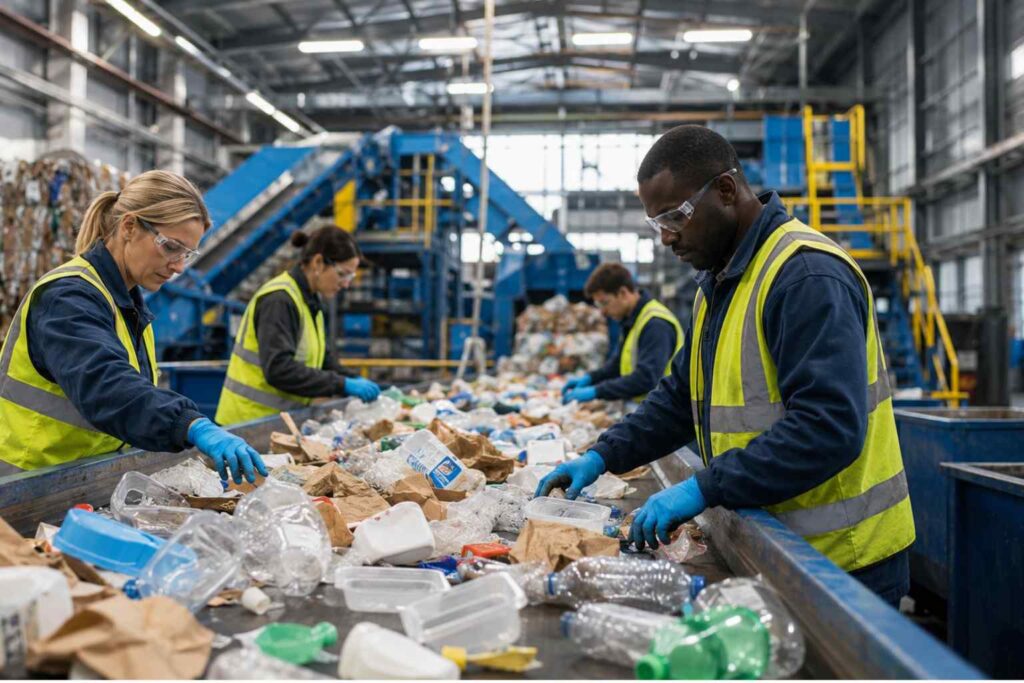
RAM 2027 aims to make those ratings clearer, more consistent and easier to apply. It reflects consultation with producers, trade bodies and technical specialists. A major change is the stronger link with real recycling outcomes. Packaging that looks recyclable on paper may still fail in sorting, collection or processing systems. The updated approach should push better design and reduce materials that block recycling.
For Sustainability News for July 27th, this is practical circular economy work. It rewards packaging that fits existing systems, and it gives producers early visibility before 2027 reporting begins.
EU Backs New Rules for Circular Vehicles
The European Parliament has approved new rules to make vehicles easier to reuse, repair, refurbish and recycle across their full life cycle. The measures cover design, production, end-of-life treatment and material recovery.
Under the new rules, vehicles must be designed so authorised treatment facilities can remove parts and components more easily. That creates more chance for replacement, reuse, recycling, remanufacturing and refurbishment where technically possible.
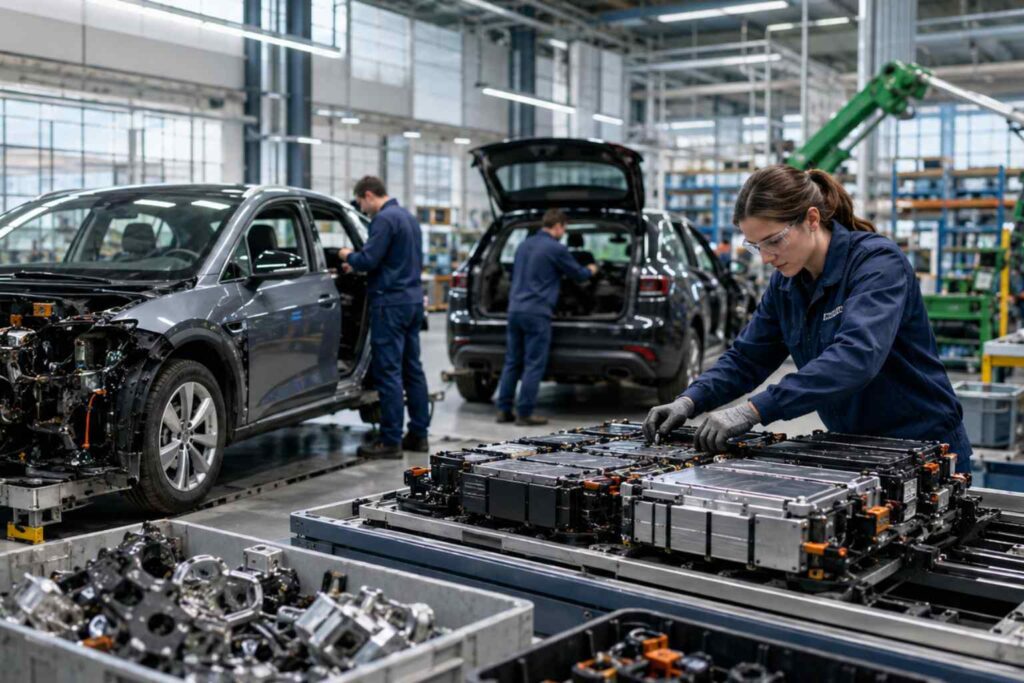
The rules include recycled material targets for plastic in new vehicles. Each new vehicle type must contain at least 15 per cent recycled plastic within six years. That rises to 25 per cent within ten years. At least 20 per cent of that recycled plastic must come from end-of-life vehicles or used parts.
Manufacturers will take extended producer responsibility three years after the rules enter into force. That means covering the cost of collecting and treating vehicles at the end of their lives.
For Sustainability News for July 27th, this is a big circularity signal for automotive supply chains. Better design at the start makes recovery easier at the end, and that saves materials, reduces waste and helps turn old vehicles into useful resources.

Sustainability News for July 27th: Wrap-Up
The Sustainability News for July 27th shows progress becoming more practical across energy, packaging and transport. Renewables are saving money at a global scale, and packaging rules are getting clearer for producers, whilst vehicle design is being pushed closer to repair, reuse and recovery.
For the Play It Green community, these stories point in the same direction. Sustainability is no longer only about good intentions or distant targets; it is becoming part of cost control, product design, material choice and long-term business planning.
That should give every business a useful nudge, as the companies that prepare early will find the next set of rules easier to meet. They will cut waste, reduce risk and build trust faster.
That is what practical progress looks like: Less noise, better systems, and more reasons to keep going.
If you enjoyed the Sustainability News for July 27th, why not become part of a community creating positive change by partnering with Play It Green?
We help you reduce your footprint, repair the planet, and regive to social causes that matter, all through simple, measurable actions that fit your business.

Modern employees, consumers, and investors want to see impact, not promises. With Play It Green, your sustainability journey becomes visible, credible, and rewarding.
Join us today and turn good intentions into lasting results.
Sign Up