

Eco-Friendly Duvets: Introduction
Eco-Friendly duvets are your best friend as September winds down and chilly nights creep in. While some may cling to their threadbare blanket from 1997, most of us prefer bedding that does more than just keep us warm. Choosing eco-friendly duvets cuts carbon, avoids microplastics, and supports brands making a genuine difference. And yes, you still get that cosy, “I never want to leave bed” feeling.
This week we will explore the history of duvets, the impact of conventional bedding, and how to pick a duvet that is as kind to the Earth as it is to you.

A Brief History of Duvets
The story of duvets goes back over 5,000 years. In ancient China around 3,000 BC, wealthy families slept under silk-filled quilts called chou. By 820 AD, Vikings were using down-filled bedding known as huldre, with examples found in the Oseberg ship burial.
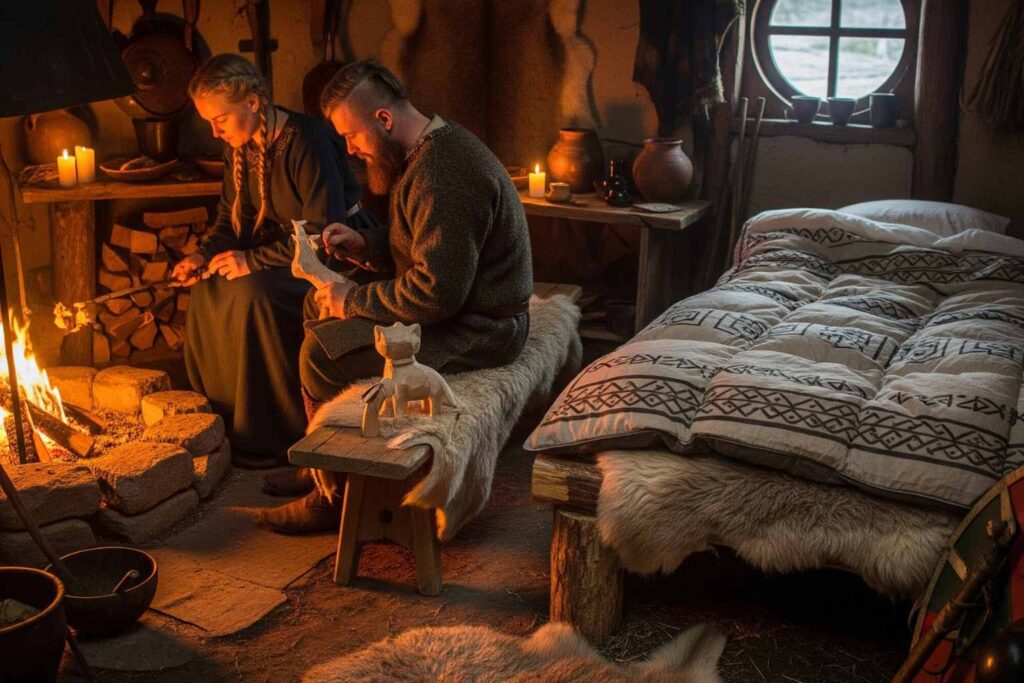
As feather and down bedding spread across Europe from the Middle Ages into the Renaissance, eiderdowns became a symbol of wealth and comfort. By the 16th century, they were popular in Germany and Scandinavia, though Britain was slower to embrace them. Samuel Pepys tried one in 1665, but the concept did not catch on widely until much later.
During the Victorian era, eiderdowns became fashionable in upper-class homes, but most families still relied on stacks of heavy blankets. The duvet only became mainstream in Britain in the 1960s, when Sir Terence Conran marketed the Swedish continental quilt as the 10-second bed. Suddenly, convenience was king, and the duvet became a household staple.
Today, duvets dominate European bedrooms, with fillings ranging from feather and wool to polyester and bamboo.
Environmental Impact of Conventional Duvets
The duvet may seem innocent, but conventional designs often come with heavy environmental baggage. Most mass-market duvets are filled with polyester, a fibre derived from petroleum. The textile industry consumes around 70 million barrels of oil each year, and producing a single polyester duvet can generate up to 5 kg of CO₂. That is before factoring in transport and packaging.
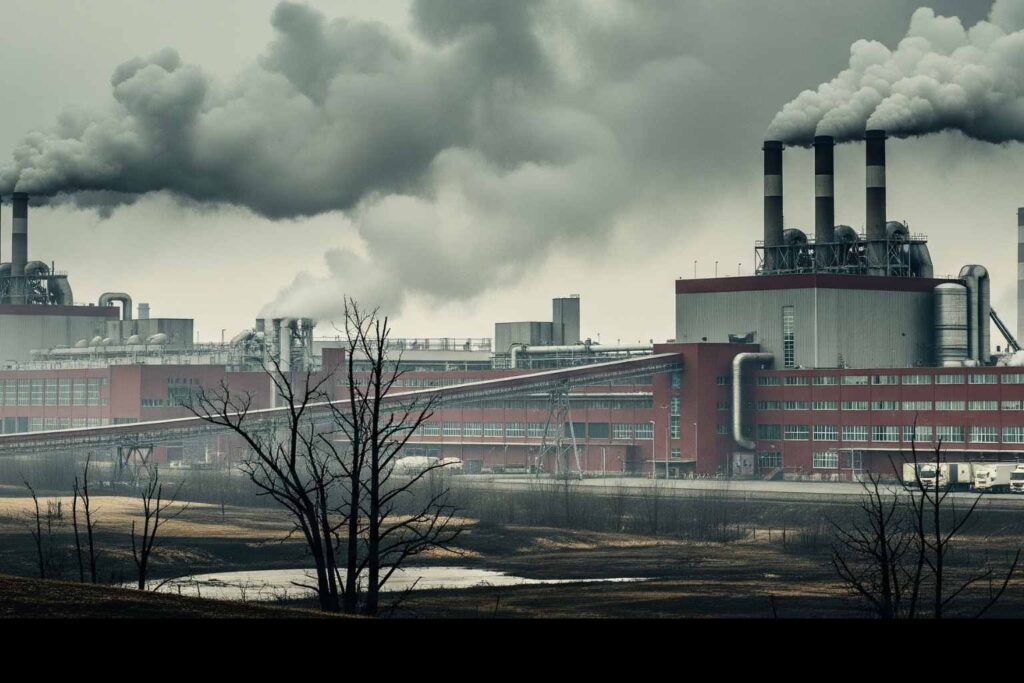
There is also the problem of microplastics. Every wash releases fibres that enter rivers and oceans, contributing to the 35 per cent of global microplastic pollution linked to textiles. Once disposed of, polyester duvets linger in landfill for centuries.
Natural fillings such as wool, feather, down, or silk can be more sustainable, but only if sourced responsibly. Poor practices raise animal welfare issues, while intensive cotton farming drains water resources.
The good news is that greener alternatives exist and your choice of duvet really does matter for both your sleep and the planet’s health.
What to Look For in an Eco-Friendly Duvets
Choosing the right eco-friendly duvet means thinking beyond thread counts and tog ratings. Start with materials. Natural and plant-based fibres such as bamboo, TENCEL, and organic cotton generally have a lighter footprint than polyester. Wool and responsibly sourced down are renewable, biodegradable, and breathable, offering comfort without plastic pollution.
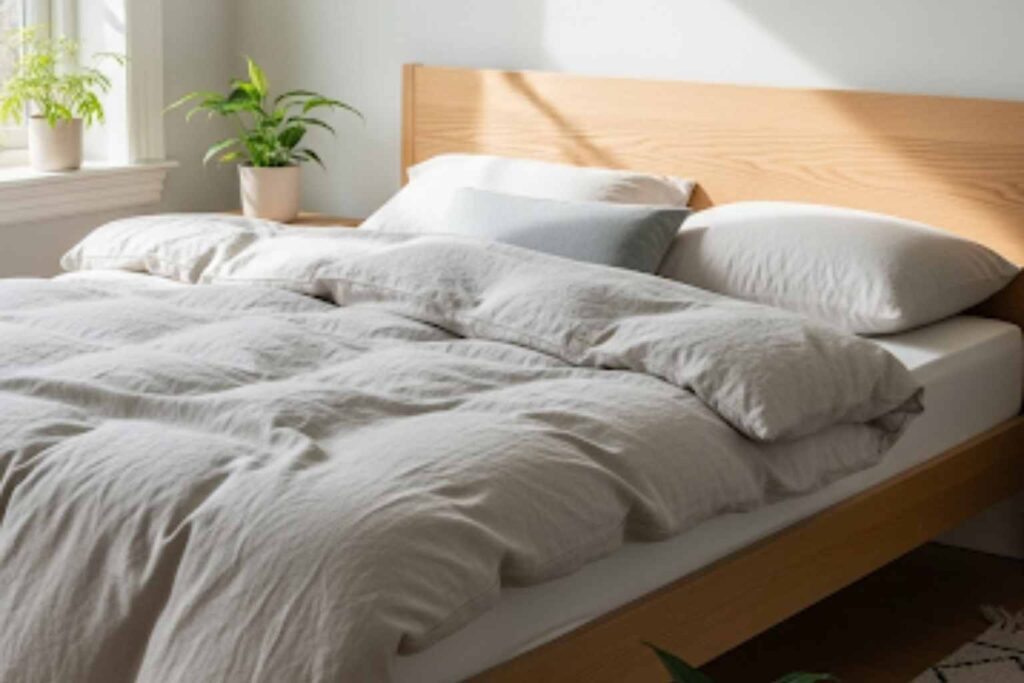
Look for certifications. GOTS confirms organic standards for cotton, OEKO-TEX ensures textiles are free from harmful chemicals, and the Responsible Down Standard guarantees animal welfare in feather products. These marks remove the guesswork.
Consider production methods. Closed-loop processes, such as those used for TENCEL, recycle water and solvents, reducing waste. Recycled fillings, such as repurposed feathers or PET bottles, prevent waste heading to landfill.
Durability is another key factor. A well-made duvet lasts years, reducing the need for frequent replacements. And when the time comes, opt for duvets designed to biodegrade or be recycled at end-of-life.
Finally, check packaging. Brands using compostable or reusable bags are helping cut unnecessary waste. With the right duvet, you do not just get a cosy night’s sleep, you actively support a cleaner, fairer, and greener bedding industry.

Three Favourite Eco-Friendly Duvets Brands
Panda London
Panda London champions bamboo Lyocell duvets, produced using non-toxic, closed-loop systems that save water and recycle solvents. Their approach avoids harmful chemicals and creates bedding that is soft, breathable, and planet-friendly. Panda London is proof that comfort and eco-consciousness can go hand in hand. Sign up to their mailing list for 10% off your first order.
Visit Panda London
The Fine Bedding Company
The Fine Bedding Company blends science and sustainability in its bedding. Their Return to Nature collection features biodegradable PrimaLoft Bio fillings and plant-based TENCEL Lyocell covers. When a duvet can compost back into the earth at end-of-life, it is clear this brand has thought about the full lifecycle of sleep. Use the code SLEEPWELL15 for a 15% discount on your first order.
Visit The Fine Bedding Company
EarthKind
EarthKind gives waste materials a second life by using 100 per cent recycled feathers, down, and synthetics. Their duvets are crafted in zero-waste factories, showing how circular design can transform everyday essentials. By keeping resources in use and reducing landfill, EarthKind proves sustainability and luxury can share the same bed. Sign up to their newsletter for 10% off your first order.
Visit EarthKind
Eco-Friendly Duvets: Wrap-Up
Eco-friendly duvets are proof that comfort and sustainability can share the same bed. By choosing natural or recycled fillings, closed-loop materials, and ethical brands, you are reducing waste, cutting emissions, and making nights warmer without heating up the planet.
At Play It Green, we believe small changes such as switching your bedding add up when made together.
Join The Community Making Change
Get more tips like this one on eco-friendly duvets and integrate net zero action, education, nature repair and social impact into your personal life and business operations. We make it simple and effective, because making positive change shouldn’t be hard, it should be impactful!
Join Play It Green now for £5 per person per month!
Want more info before deciding? Click here.